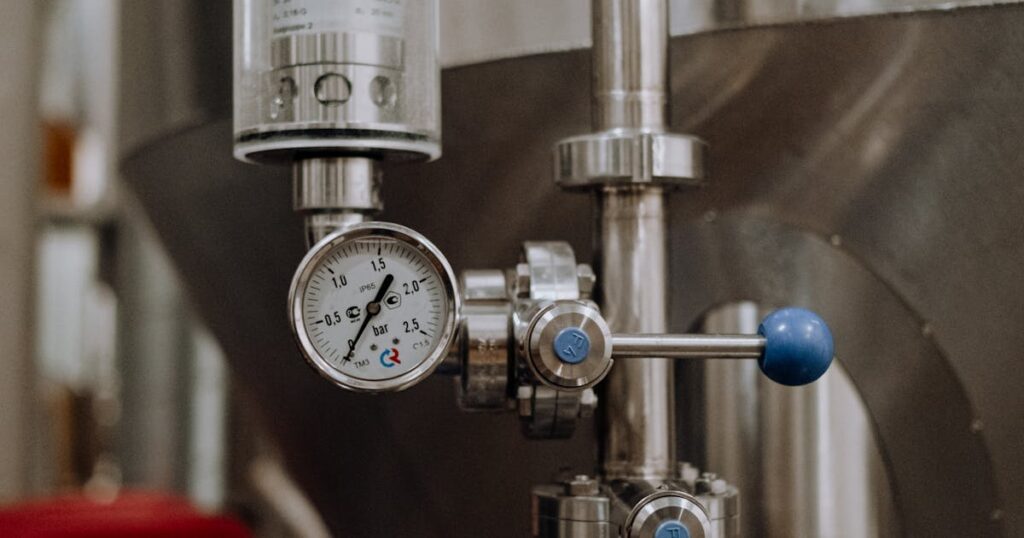
The Rise of Sustainable Homebrewing in 2026
As we move deeper into 2026, the homebrewing community is undergoing a significant transformation. Gone are the days when brewing was just about following recipes and hitting target ABVs. Today’s homebrewers are embracing a more holistic approach—one that prioritizes sustainability, local sourcing, and regenerative agriculture. This shift isn’t just about making better beer; it’s about creating a better brewing ecosystem that benefits our planet and communities.

Why Sustainability Matters in Homebrewing
The brewing industry has traditionally been resource-intensive. From water consumption to energy use and ingredient sourcing, the environmental footprint can be substantial. However, homebrewers have a unique advantage: we can make choices that commercial breweries often can’t due to scale and supply chain constraints.
According to recent trends highlighted by CAMRA, consumers are increasingly seeking out beers with transparent sourcing and environmental credentials. This demand is trickling down to the homebrewing community, where enthusiasts are asking questions like: Where do my ingredients come from? How were they grown? What’s the carbon footprint of my brewing process?
Local Sourcing: The Heart of Sustainable Brewing
One of the most impactful changes you can make is sourcing ingredients locally. When you buy from nearby farms and suppliers, you’re not just reducing transportation emissions—you’re also supporting your local economy and often getting fresher, higher-quality ingredients.
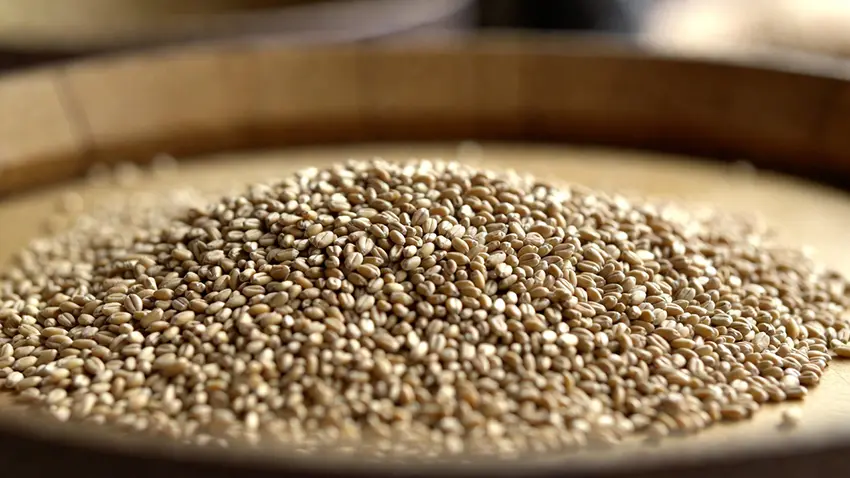
For UK homebrewers, this means exploring options like:
- UK-grown barley and wheat: Many British farms now offer specialty malts with unique terroir characteristics.
- Local hop growers: The UK hop industry is experiencing a renaissance, with small-scale growers producing exciting new varieties.
- Foraged ingredients: From wild yeast to native herbs and fruits, your local environment can provide unique brewing components.
As discussed in our previous post about The Taproom Experience, the connection between brewer and ingredient source creates a more meaningful brewing journey.
Regenerative Agriculture: Beyond Organic
While organic certification is valuable, the next frontier is regenerative agriculture—farming practices that actively improve soil health, biodiversity, and ecosystem resilience. Ingredients grown regeneratively often have more complex flavors and better nutritional profiles.
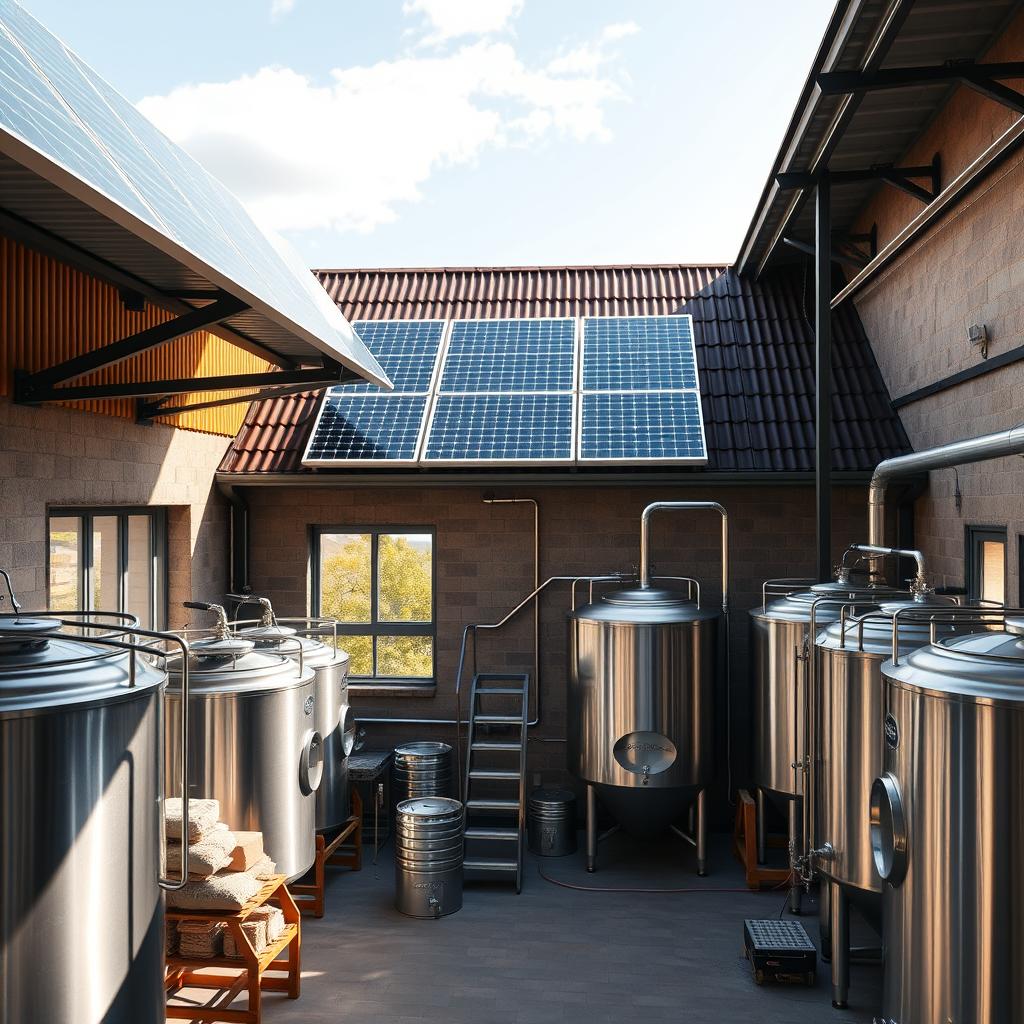
When sourcing ingredients, look for suppliers who prioritize:
- Soil health: Practices like no-till farming and cover cropping
- Biodiversity: Polyculture systems rather than monocultures
- Water conservation: Efficient irrigation and rainwater harvesting
- Carbon sequestration: Farming methods that capture atmospheric carbon
Practical Steps for Sustainable Homebrewing
Ready to make your brewing practice more sustainable? Here are actionable steps you can take today:
- Water conservation: Capture and reuse cooling water for cleaning or gardening. Consider no-chill brewing methods.
- Energy efficiency: Optimize your heating elements, insulate your mash tun, and consider solar-powered brewing setups.
- Waste reduction: Compost spent grains (great for gardens!), reuse yeast, and minimize packaging waste.
- Ingredient sourcing: Build relationships with local farmers and maltsters. Check out resources like The Malt Miller for UK-sourced ingredients.
- Community sharing: Share equipment, ingredients, and knowledge with fellow brewers to reduce collective resource use.
The Flavor Benefits of Sustainable Ingredients
Beyond the environmental benefits, sustainable ingredients often produce superior beer. Regeneratively grown grains can develop more complex malt character, while locally-grown hops harvested at peak freshness offer vibrant aromas that imported hops sometimes lose during transport.
As the BJCP guidelines evolve to recognize regional beer styles, we’re seeing more appreciation for beers that express their terroir—the unique combination of soil, climate, and farming practices that gives ingredients their distinctive character.
Joining the Sustainable Brewing Movement
The sustainable homebrewing movement is growing rapidly, with online communities like HomeBrewTalk dedicating entire forums to eco-friendly brewing practices. Industry organizations like SIBA are also developing sustainability frameworks that homebrewers can adapt.
For more inspiration on innovative brewing approaches, check out our recent post on Hybrid Fermentation Techniques that explores how combining traditional and modern methods can create unique, sustainable beers.
Looking Ahead: The Future of Sustainable Brewing
As we look toward the rest of 2026 and beyond, several trends are emerging:
- Circular brewing systems: Closed-loop setups that minimize waste and energy loss
- Urban agriculture integration: Rooftop hop gardens and balcony malt plots
- Climate-adaptive ingredients: Varieties bred for changing growing conditions
- Community brewing hubs: Shared facilities that maximize resource efficiency
The journey toward sustainable homebrewing isn’t about perfection—it’s about progress. Every small choice, from your grain supplier to your water usage, contributes to a more resilient brewing community and a healthier planet.
Ready to take the next step? Start by visiting our About page to learn more about our commitment to sustainable brewing practices, and join the conversation about how we can all brew better—for our palates and our planet.