For years, I never asked what clarified my homebrew. I’d add isinglass finings, watch my beer drop bright, and consider it done. But when a vegan friend refused to try a batch I’d spent weeks perfecting, it forced a conversation I’d been avoiding: the ethics behind what we pour into a glass.
In July 2026, vegan homebrewing is no longer niche. It’s a genuine movement, driven by brewers who refuse to compromise on clarity or conscience. And the technical reality? It’s brilliant. Switching to plant-based fining agents doesn’t just align with your values—it gives you better control, faster learning curves, and often superior results. I’ve been experimenting with this for months, and I’m here to tell you: it works, and it matters.
Why Isinglass Became the Problem
If you’ve been homebrewing for any length of time, you know the clarification game. After fermentation, your beer sits cloudy with yeast and protein particles. They’ll eventually drop out, but patience isn’t always a virtue when you’re keen to taste your work. Enter finings—agents that bind to those particles and accelerate their fall.
In the UK, isinglass has dominated that role for centuries. It works phenomenally well. The problem? It’s made from fish swim bladders (or sometimes other fish parts). That means it’s not vegan, not vegetarian, and increasingly, it’s not acceptable to a growing segment of drinkers who take their ethics seriously.
What’s fascinating is that most drinkers don’t know. Commercial breweries rarely advertise their fining agents—it’s technically a “processing aid,” meaning it can be removed entirely from the final product’s ingredient list in many jurisdictions. You drink a “vegan” beer from a craft brewery without realising isinglass was used during production, settling out before bottling. Once you know this, you can’t unknow it. And as a homebrewer, you’re in control. That’s the opportunity.
The Plant-Based Alternatives That Actually Work

Let me break down the main contenders. I’ve tested each of these personally, and they’re genuinely good.
Biofine Clear is the gold standard right now. It’s derived from polysaccharides, often from seaweed or other plant sources, and it works as efficiently as isinglass in most scenarios. You add it about 15 minutes before flame-out (or cold-side for extract brews), and it works its magic in 2–3 days. Cost-wise, it’s comparable to isinglass, and one small jar lasts dozens of batches.
Whirlfloc is another solid option, though it’s not universally vegan—check the producer’s sourcing if that matters to you. Some versions are plant-derived; others use carrageenan from seaweed, which is consistently vegan.
Natural clarification deserves mention, too. Cold conditioning (crash cooling your fermenter to near freezing for 2–3 weeks) lets gravity work without any additives. It takes longer, but if you’ve got patience and a spare fridge, it’s utterly vegan and produces excellent results. Many wild fermentation beers and Belgian styles rely on this method historically.
Gelatin alternatives like agar or pea protein are emerging as homebrewing communities experiment. They’re less proven in homebrew literature, but the science is sound, and I expect to see more clarity in this space as vegan brewing gains momentum. Check HomeBrewTalk forums for recent trials—the community is active and sharing real results.
My Vegan Brew Day: Step-by-Step

Let me walk you through a practical brew day. I’m using Biofine Clear here, but the principle applies to most plant-based options.
Mash day (if all-grain): Nothing changes. Your grain bill, mash schedule, water chemistry—all the same. Vegan brewing doesn’t affect the fermentable side of the equation.
At 15 minutes before flame-out: Add your Biofine. For a typical 20-litre (5.3 US gallon) batch, that’s about 1 teaspoon (5 ml). Stir gently to disperse it, then let it sit until the end of the boil. It will appear to settle in the kettle—that’s fine and expected.
Post-boil / cooling: As you chill your wort, the Biofine particles remain in suspension. Transfer to your fermenter as normal. Any particles will eventually settle into the trub (the sediment at the bottom of your fermenter).
Fermentation: Proceed exactly as you normally would. The plant-based finings don’t interfere with yeast activity. I’ve used them with everything from English ale yeasts (WLP002, WLP005) to Belgian and lager strains. No issues.
Post-fermentation (crucial step): Cold condition. After primary fermentation completes (check gravity for a few days to confirm), drop your temperature to 2–4°C (35–39°F) if you can manage it, for 5–7 days. This isn’t strictly necessary for Biofine to work (it will clarify at room temperature), but it accelerates the process dramatically. The yeast and fining particles drop faster, and you’ll get brilliant clarity in 3–4 days instead of 2–3 weeks.
Racking: When you’re ready to package, rack from the fermenter to your bottling bucket or keg. Leave the sediment (trub + settled particles) behind. You’ll lose slightly more volume than usual (maybe 100–200 ml per 20-litre batch), but you’ll gain spectacular clarity.
Building Flavour & Clarity Together
Here’s what surprised me most: vegan brewing forced me to think more intentionally about water chemistry and yeast health. With traditional isinglass, you could sometimes hide clarity issues with a confident pour and generous head. Plant-based finings demand better fundamentals.
This includes precision fermentation techniques, which help stabilise your beer naturally. If your yeast is healthy and your fermentation is clean, your beer clears faster regardless of the fining agent. And if your fermentation struggles, no fining agent—vegan or otherwise—will rescue you.
I’ve found that beers with lower protein content (like English Golden Ales or light lagers) clarify almost instantly with Biofine. Heavier beers—Imperial Stouts, Barley Wines, high-protein wheat beers—take slightly longer. Plan accordingly.
The Science Behind Plant-Based Clarity
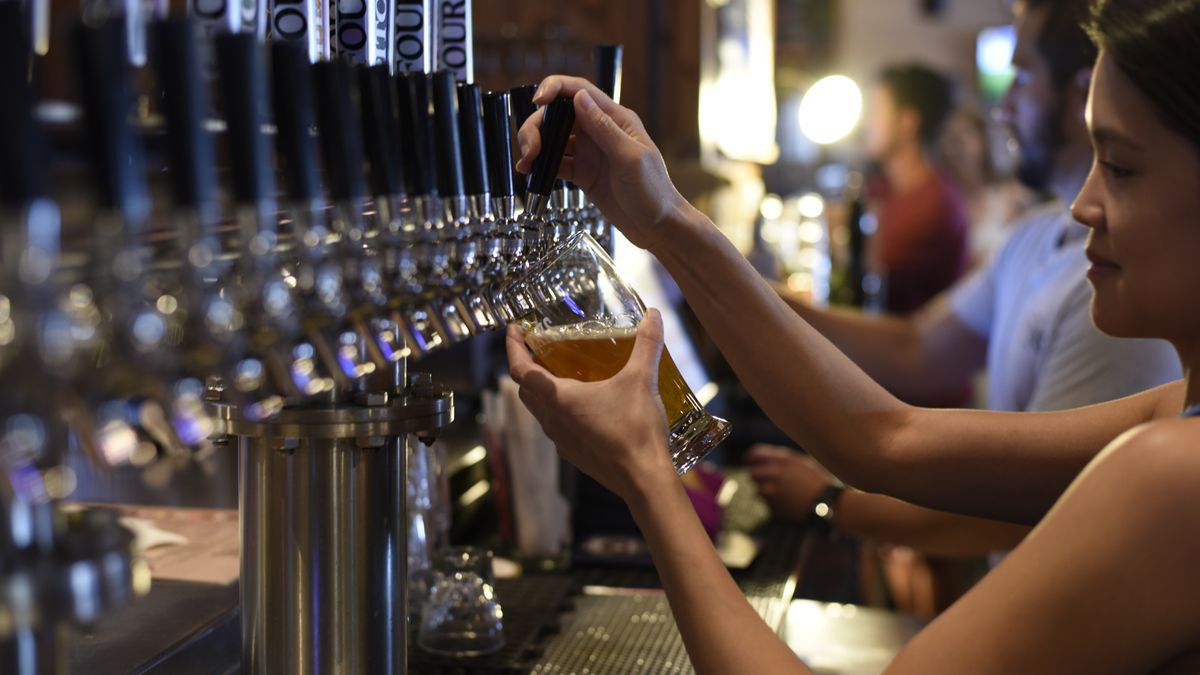
Isinglass works through electrostatic attraction. The positively charged proteins in fish bladder bind to negatively charged particles in beer. Seaweed-derived polysaccharides like Biofine use a slightly different mechanism—they form gel-like networks that physically entrap particles. The result is identical: particles fall out, and you’re left with clarity.
What’s useful for homebrewers is this: plant-based finings tend to be more forgiving of water chemistry variations. I’ve brewed with Biofine in soft water (low mineral content, which can cause isinglass to perform sluggishly) with excellent results. In hard water, it’s equally reliable. This flexibility is valuable if you’re using well water or have inconsistent tap water like we do in parts of the UK.
Temperature stability also matters less. Isinglass can become temperamental if fermentation is choppy or if you’ve got temperature swings during conditioning. Plant-based finings handle this better. Not perfectly, but better.
Troubleshooting: When Clarity Doesn’t Come
If your vegan brew comes out hazy after cold conditioning, here’s what I’d check:
- Underpitch or weak fermentation. If your yeast wasn’t up to the task, fermentation can stall early, leaving suspended proteins. Pitch generously and ensure adequate aeration.
- Insufficient cold conditioning time. Plant-based finings work faster than isinglass in some beers but need those 5–7 days at cold temperatures to settle completely. Don’t rush it.
- Oxidation during racking. Splashing introduces tiny air bubbles that can scatter light and create apparent haze. Use a siphon with a racking cane, not a gravity pour.
- Bacterial contamination. If haze appears slowly over days or weeks, it might be infection. Taste and smell for sourness or off-flavours. If present, the beer may not be salvageable, but it’s a learning moment.
- Over-fining. Rare, but too much Biofine can occasionally create micro-aggregates. Stick to recommended rates (usually 1 teaspoon per 20 litres).
Expanding Your Vegan Brewing Arsenal
If you’re serious about vegan homebrewing, think beyond just finings. Here’s where I’d push further:
Yeast selection: Most yeast strains are vegan, but some suppliers process them with non-vegan nutrients. Check your supplier. White Labs and Wyeast both have transparent sourcing information on their websites.
Sugar additions: If you’re using honey (for braggots or honey ales), that’s arguably not vegan (bees produce it). If that matters to your ethics, stick with grains, syrups, or agave. Again, it’s a personal choice.
Ingredient sourcing: Some commercial hops are treated with processing aids that aren’t vegan. Most home suppliers don’t disclose this, but if you’re seeking absolute purity, growing your own or contacting suppliers for transparency is the path forward.
This is where homebrewing shines compared to commercial brewing. You control every variable. Read the BJCP style guidelines for your chosen style, then adapt the approach to your ethics. That’s the craft.
Why This Matters Beyond Personal Preference
I won’t pretend vegan homebrewing is for everyone. But I will say this: the moment you realise isinglass exists, you can’t unknow it. And for brewers who’ve built their practice around transparency and intentionality, switching to plant-based finings is a natural evolution.
It’s also part of a bigger trend. UK craft breweries through CAMRA initiatives are increasingly offering vegan options, and consumers are responding positively. The second wave of craft beer isn’t just about bold hoppy flavours or adventurous styles—it’s about responsibility. Sustainability, ethics, and inclusivity. Homebrewing is a laboratory for these values.
If you’re curious about sustainable homebrewing more broadly, I’ve explored this in detail with regenerative ingredient sourcing and wild fermentation techniques, both of which align beautifully with vegan ethics.
Your First Vegan Batch

Here’s my challenge to you: pick a style you know well. Something you’ve brewed successfully before. Now brew it again, but replace the isinglass with Biofine Clear or your preferred plant-based fining. That’s it. Nothing else changes. Taste the beer. Compare notes with your previous version. Ninety-nine times out of a hundred, you’ll find no discernible difference in flavour, clarity, or quality. The only difference is you can serve it to anyone, regardless of their dietary choices, and you’ve aligned your craft with your values.
Vegan beer isn’t a gimmick. It’s not a compromise. It’s an evolution—one that respects both the brewer’s conscience and the drinker’s choice.
🍺 Join the Brotherhood — Monthly brews, stories & monk wisdom
Subscribe for exclusive recipes, early brew logs, and behind-the-scenes updates straight to your inbox.