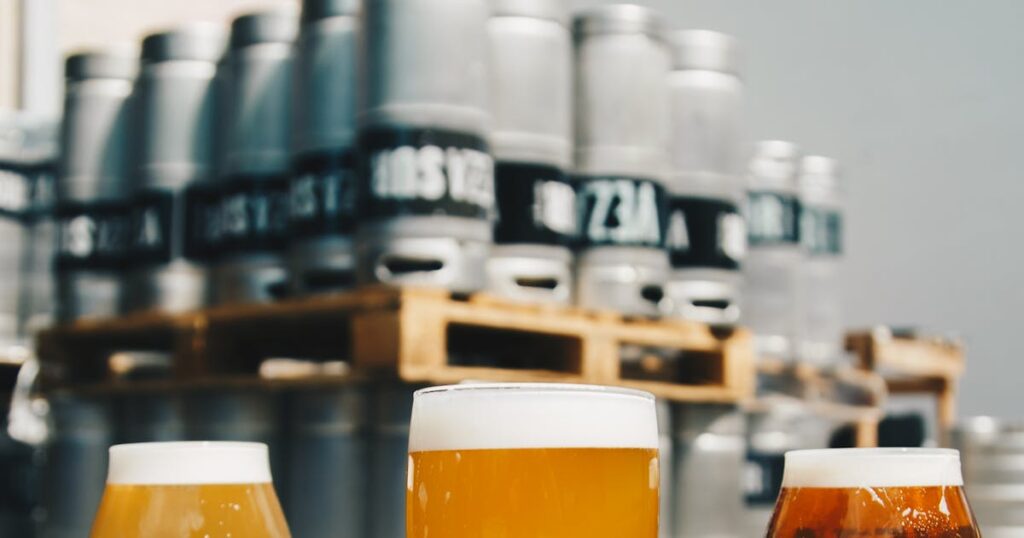
The Smart Brewing Revolution: How IoT and AI Are Changing Homebrewing in 2026
For decades, homebrewing has been a blend of art and science—part intuition, part chemistry, and a whole lot of patience. But in 2026, a quiet revolution is underway. Smart brewing technologies powered by IoT sensors and artificial intelligence are transforming how we make beer at home, bringing professional-grade precision to kitchen counters and garage breweries alike.
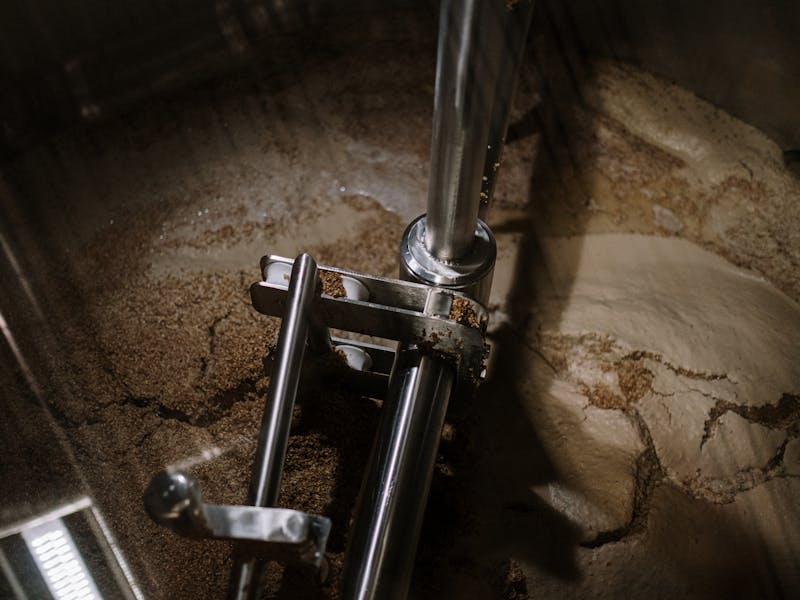
Why Smart Brewing Matters Now
According to SIBA industry forecasts, 2026 marks a “reset year” for the beer market, with brewers seeking new efficiencies and quality improvements. For homebrewers, this means access to technologies that were once exclusive to commercial breweries. The trend toward smart brewing isn’t just about gadgets—it’s about consistency, quality, and taking the guesswork out of the process.
Key Smart Brewing Technologies for Homebrewers
1. IoT Temperature Sensors and Controllers
Temperature control is arguably the most critical factor in brewing. Too warm, and you get off-flavours; too cold, and fermentation stalls. Smart temperature controllers like the BrewPi and Tilt Hydrometer connect to your fermentation vessel and provide real-time monitoring via smartphone apps. They can automatically adjust heating or cooling to maintain precise temperature profiles throughout fermentation.
2. AI-Powered Recipe Development
Platforms like Brewfather and BeerSmith now incorporate AI algorithms that analyse thousands of successful recipes to suggest improvements. Want to create a hazy IPA with specific ABV and IBU targets? These tools can recommend grain bills, hop schedules, and yeast strains based on your desired outcome.
3. Automated Brewing Systems
All-in-one systems like the Grainfather G70 and Brewzilla now feature Wi-Fi connectivity and app control. You can program multi-step mash schedules, monitor boil temperatures, and even receive alerts when it’s time to add hops—all from your phone. UK suppliers like The Malt Miller stock most of these systems.
4. Smart Keg Monitoring
For those who keg their beer, smart sensors attach to your kegs and track temperature, pressure, and even how much beer remains. No more guessing if your keg is about to blow during a party!
5. Fermentation Analytics
Advanced tools like the Tilt Hydrometer float in your fermenter and transmit real-time specific gravity readings to your phone. This allows you to track fermentation progress without opening the vessel, reducing the risk of contamination. For more on how fermentation science connects to flavour, check out our article on functional fermentation and gut-friendly brewing.
Real-World Benefits for Homebrewers
- Consistency: Smart systems eliminate variables, ensuring each batch turns out as intended
- Quality Improvement: Precise temperature control leads to cleaner fermentation profiles
- Time Savings: Automation handles tedious monitoring tasks
- Learning Tool: Data collection helps you understand how different variables affect your beer
- Remote Monitoring: Check on your brew from anywhere via smartphone
Getting Started with Smart Brewing
You don’t need to overhaul your entire setup overnight. Start with one smart component:
- Begin with temperature control: A smart temperature controller is the single biggest upgrade for quality improvement
- Add monitoring: A floating hydrometer provides valuable fermentation data
- Consider automation: If you brew frequently, an automated system can save significant time
- Use recipe software: Even free versions of brewing apps offer AI-powered suggestions
- Join the community: Forums like HomeBrewTalk and the Jim’s Beer Kit forum are full of smart brewing discussions
The Future of Smart Homebrewing
Looking ahead, we can expect even more integration. Imagine a system that:
- Automatically orders ingredients when you’re running low
- Adjusts recipes based on seasonal ingredient availability
- Shares data with a community of brewers for collaborative improvement
- Uses machine learning to predict how recipe changes will affect flavour
CAMRA has been keeping a close eye on how technology is shaping British brewing culture, and the consensus is clear: smart tech isn’t replacing tradition, it’s building on it.
Conclusion
Smart brewing technology isn’t about replacing the brewer’s intuition—it’s about enhancing it with data and precision. As these tools become more accessible and affordable, they’re democratising professional-grade brewing techniques. Whether you’re a beginner looking to improve consistency or an experienced brewer chasing perfection, 2026 offers more smart brewing options than ever before.
The revolution is here, and it’s brewing in kitchens and garages everywhere. What smart brewing technology will you try first?
Have you experimented with smart brewing tools? Share your experiences in The Taproom — we’d love to hear what tech you’re using on brew day. For more brewing tips and trends, check out our latest articles.