Fruit Beer Brewing Mastery: 2026 Techniques for Vibrant, Flavourful Homebrews
Fruit beers are having a moment. As craft drinkers seek more adventurous, Instagram-worthy brews, fruit-led beers have surged in popularity. But brewing with fruit isn’t as simple as tossing berries into your fermenter. In 2026, homebrewers are mastering sophisticated techniques that extract maximum flavour while avoiding common pitfalls like infection, haze, and muted fruit character.
The 2026 Fruit Beer Renaissance
According to recent data from CAMRA, fruit beer consumption has increased by 42% among UK craft drinkers since 2024. Younger drinkers, in particular, are drawn to the vibrant colours and complex flavour profiles that fruit can bring to traditional beer styles.
“We’re seeing a shift from subtle fruit accents to bold, fruit-forward expressions,” notes brewing expert Sarah Chen in a recent HomeBrewTalk article. “Homebrewers are no longer just making fruit lambics – they’re incorporating fruit into IPAs, stouts, sours, and even lagers.”
Choosing Your Fruit: Fresh vs. Processed
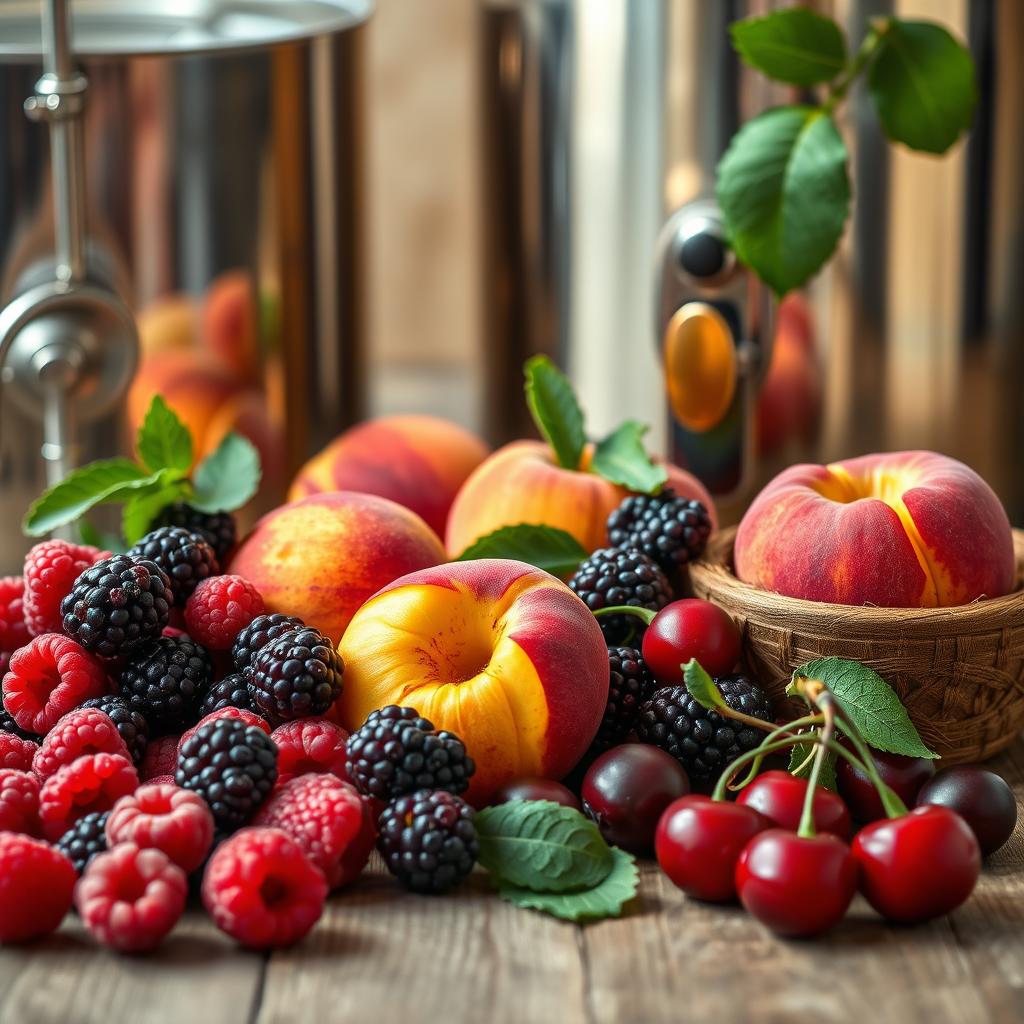
The first decision every fruit brewer faces is what form of fruit to use. Each has advantages:
- Fresh fruit offers the most authentic flavour but requires careful sanitation
- Frozen fruit is partially sanitized by freezing and often more convenient
- Purees provide consistent results and are pre-sanitized
- Juices/concentrates offer intense flavour without pulp or seeds
The Society of Independent Brewers (SIBA) recommends starting with 0.5–1 lb of fruit per gallon (60–120g per litre) for balanced results. Too little fruit yields subtle flavours; too much can overwhelm the base beer and create fermentation issues.
Timing Is Everything: When to Add Fruit
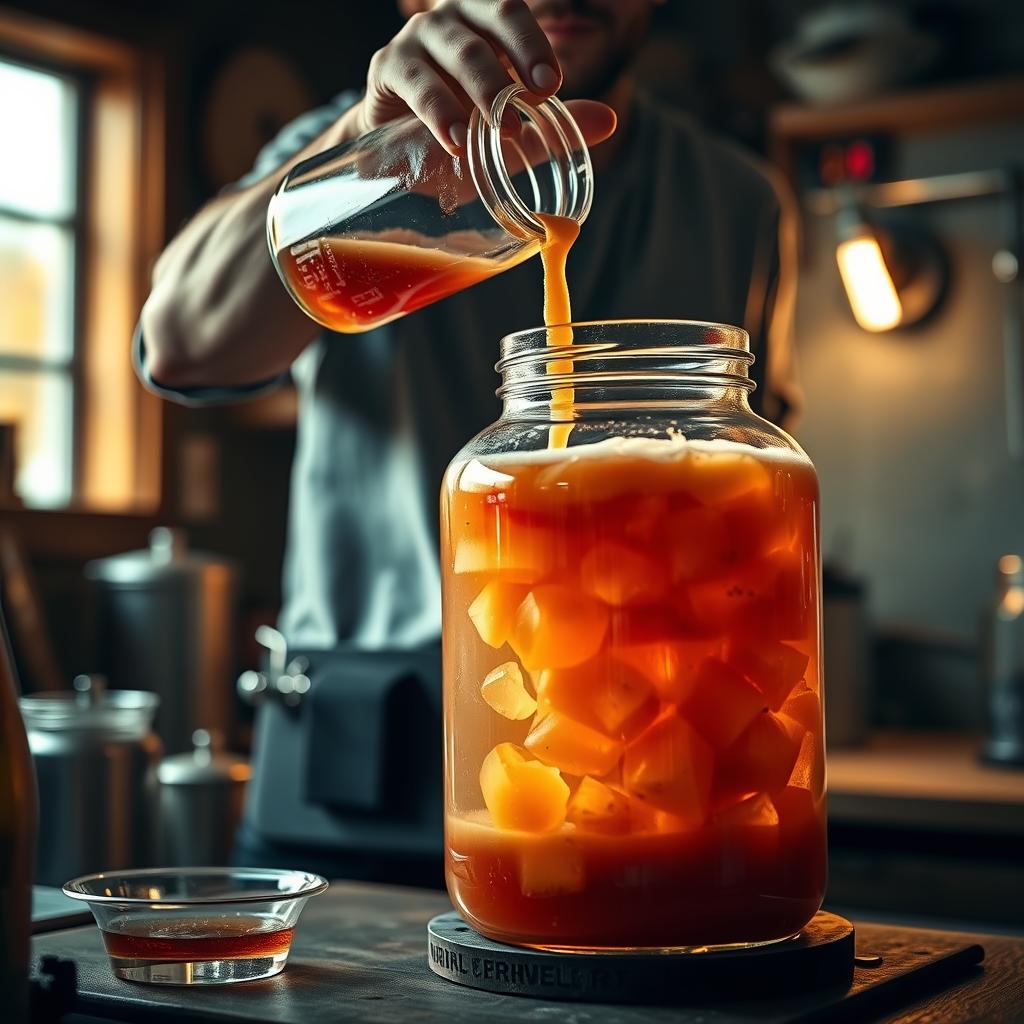
Modern brewing wisdom has shifted on when to introduce fruit:
- Primary fermentation: Adds fruit sugars that ferment completely, creating drier beers with subtle fruit character
- Secondary fermentation: Preserves more fruit aroma and flavour while still allowing some fermentation
- Post-fermentation (keg/bottle conditioning): Maximizes fresh fruit character but requires careful sanitation
Most 2026 award-winning fruit beers use secondary fermentation additions, according to The Malt Miller‘s brewing competition data. This approach balances flavour extraction with fermentation stability.
Sanitation: The Non-Negotiable Step
Fruit introduces wild yeast and bacteria that can spoil your beer. Professional techniques include:
- Pasteurization: Heating fruit to 71°C (160°F) for 15 seconds
- Campden tablets: Potassium metabisulfite kills wild microbes
- Freezing: Not fully sanitizing but reduces microbial load
- Pre-sanitized purees: The safest option for beginners
Remember: no sanitation method is 100% effective. Always monitor your beer closely after fruit additions.
Advanced Techniques for 2026
Beyond basic fruit additions, today’s homebrewers are experimenting with:
- Fruit tinctures: Alcohol extracts of fruit added at packaging
- Fruit skins/zest: For citrus character without pulp
- Multiple fruit additions: Layering different fruits at different times
- Fruit in dry hopping: Combining fruit with hop additions
These techniques allow for precise control over flavour profiles that would be impossible with simple fruit additions.
Recipe: Raspberry Session IPA
Try this award-winning recipe that combines fruit character with hop-forward bitterness:
Batch Size: 5 gallons (19L)
OG: 1.045 | FG: 1.010 | ABV: 4.6% | IBU: 35

Grain Bill:
• 8 lb (3.6kg) Pale Ale Malt
• 1 lb (450g) Wheat Malt
• 8 oz (225g) Carapils

Hops:
• 0.5 oz (14g) Citra @ 60 min
• 1 oz (28g) Mosaic @ 10 min
• 2 oz (56g) Citra/Mosaic (1:1) @ whirlpool
• 2 oz (56g) Citra/Mosaic (1:1) dry hop

Fruit:
• 3 lb (1.4kg) Raspberry Puree added to secondary

Yeast: London Ale III (WLP066)
Common Pitfalls and Solutions
Even experienced brewers encounter issues with fruit beers:
- Haze/pectin issues: Use pectic enzyme before fermentation
- Muted fruit flavour: Increase fruit quantity or use post-fermentation additions
- Overly sweet beer: Ensure fruit sugars ferment completely
- Infection: Strict sanitation and consider pre-sanitized purees
The Future of Fruit Brewing
As we look beyond 2026, expect to see more exotic fruits, fruit-hybrid hops, and even genetically modified yeast strains designed to express specific fruit characteristics. The Beer Judge Certification Program (BJCP) has already added new fruit beer categories to reflect this growing trend.
Whether you’re brewing a classic Belgian kriek or pushing boundaries with tropical fruit IPAs, the key is experimentation. Start with proven techniques, keep detailed notes, and don’t be afraid to try something new.
Ready to explore more brewing techniques? Check out our guide to The Taproom for equipment recommendations, or browse our complete blog archive for more homebrewing insights. For personalized advice, visit our about page to connect with our brewing community.