The Comeback of Rye Beer: Why Roggenbier is 2026’s Hottest Brewing Trend
If you’ve been paying attention to craft beer circles lately, you’ll have noticed a quiet but persistent murmur about rye. Not the whiskey, but the beer. Specifically, Roggenbier – the traditional German rye beer that’s making a surprising comeback in 2026. After years of IPA dominance and sour experimentation, brewers and drinkers alike are rediscovering the spicy, complex charm of rye-based beers.
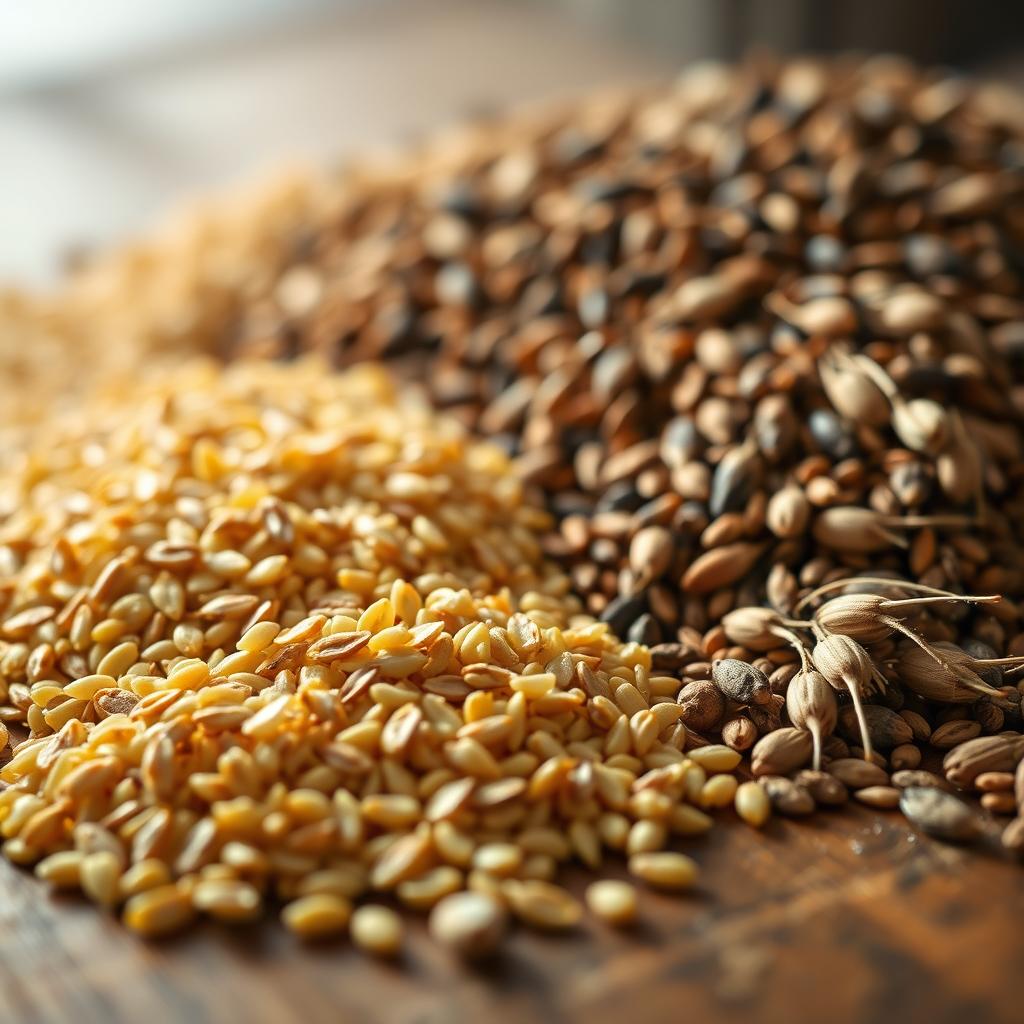
What is Roggenbier?
Roggenbier (literally “rye beer” in German) is a traditional Bavarian style that dates back centuries. Historically, it was brewed with at least 50% rye malt, giving it a distinctive spicy, slightly sour character with a creamy mouthfeel. Unlike most modern beers that use barley as their primary grain, Roggenbier celebrates rye’s unique properties.
The style nearly disappeared in the 19th century when Bavarian purity laws (Reinheitsgebot) were interpreted to favor barley over rye for tax reasons. But like many traditional styles, it’s experiencing a revival among craft brewers who appreciate its historical significance and distinctive flavor profile.
Why Now? The 2026 Rye Renaissance
Several factors are driving rye beer’s resurgence:
- Flavor Exploration: After years of hop-forward beers, drinkers are seeking complexity from malt rather than just bitterness.
- Local Grain Movement: With increasing interest in locally-sourced ingredients, rye – which grows well in many temperate climates – offers an attractive alternative to imported barley.
- Gluten-Conscious Options: While not gluten-free, rye contains different proteins than barley, making it appealing to some with mild sensitivities.
- Culinary Pairing Potential: Rye’s spicy character pairs exceptionally well with food, particularly smoked meats, sharp cheeses, and hearty stews.
As noted by the Campaign for Real Ale (CAMRA), there’s growing consumer interest in “heritage beers” that connect drinkers to brewing traditions. Roggenbier fits perfectly into this trend.

Brewing Challenges and Rewards
Brewing with rye isn’t without its challenges, which is part of what makes it appealing to adventurous brewers. Rye lacks the husk that barley has, which can lead to stuck mashes if not handled properly. It also has higher protein content, which affects head retention and clarity.
But the rewards are significant. Rye contributes a distinctive peppery spiciness, a creamy, almost oily mouthfeel, and a complex grain character that evolves as the beer warms. As discussed on HomeBrewTalk, many homebrewers are experimenting with rye percentages, finding that even 10-20% rye malt can transform a standard recipe.
For those interested in the technical aspects, the Beer Judge Certification Program (BJCP) includes Roggenbier in its guidelines, describing it as having “low to moderate spicy rye character” with “a distinctive rye flavor that is grainy, spicy, and slightly sour.”
Commercial Examples and Where to Find Them
While still a niche style, several breweries are leading the rye beer charge:
- Schierlinger Roggen – The original modern commercial example from Germany
- Founders Red’s Rye IPA – An American take that helped popularize rye in craft beer
- Brouwerij ‘t IJ Rogge – A Dutch interpretation with local character
- Several UK microbreweries – Including experimental batches from members of the Society of Independent Brewers (SIBA)
For homebrewers looking to try their hand, specialty malt suppliers like The Malt Miller offer a range of rye malts, from lightly kilned to deeply roasted varieties.
Try It Yourself at The Taproom
If you’re curious about rye beers, why not start your exploration at our own Taproom? We’re currently experimenting with a rye pale ale that showcases the grain’s spicy character without overwhelming the palate. It’s part of our commitment to exploring traditional styles with a modern twist.
For more brewing insights and tasting notes, check out our blog archive where we’ve covered everything from low-ABV trends to sustainable brewing practices.
The Future of Rye
As we look toward the rest of 2026 and beyond, expect to see more rye experimentation. Brewers are combining rye with unusual hop varieties, aging it in different barrels, and even creating rye-based sour beers. The grain’s versatility makes it an exciting canvas for innovation.
Whether you’re a brewer looking for your next challenge or a drinker seeking something different from the usual lineup, rye beers offer a compelling alternative. They bridge tradition and innovation, offering flavors that are both familiar and novel.
So next time you’re at your local craft beer bar or browsing your favorite brewery’s offerings, keep an eye out for that distinctive spicy character. The rye revolution is here, and it’s delicious.