The Ancient Yeast That Changed Modern Homebrewing
For centuries, Norwegian farmhouse brewers kept their brewing secrets locked away in family traditions—none more precious than their yeast cultures. Today, those same remarkable strains are revolutionising homebrewing around the world. Kveik yeast represents a genuine breakthrough for anyone serious about improving their craft without expensive temperature control equipment.
What makes kveik so transformative? Unlike traditional ale and lager yeasts, these Norwegian farmhouse strains thrive across an extraordinary temperature range (60–90°F), producing clean, vibrant flavours whether your brewery is in a Nordic winter or a British summer. This is the difference between struggling with temperature management and simply brewing better beer.
Understanding Kveik: What Makes It Different?
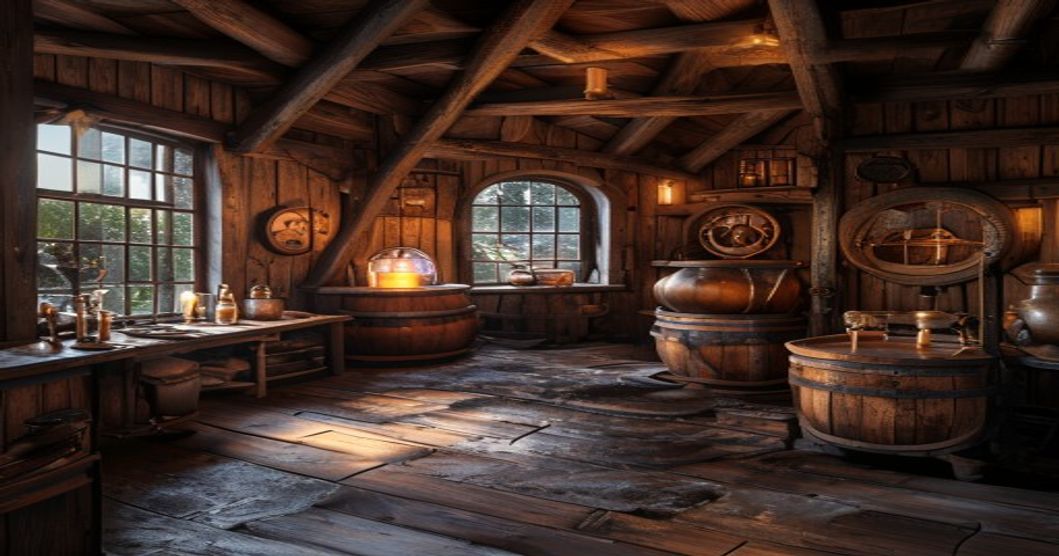
Kveik isn’t a single yeast strain—it’s a family of closely related yeasts that evolved over generations in the farmhouse breweries of Norway’s Hornindal region. These cultures were maintained using a simple but ingenious method: brewers would harvest fresh yeast from a batch, then preserve it in a dried cake that could be stored and reused for the next brew. This practical approach shaped the yeast’s unique characteristics.
The real magic lies in their temperature tolerance and the flavour profile they produce. Most traditional ale yeasts prefer 65–72°F, requiring careful temperature control. Kveik strains, by contrast, actually *improve* at higher temperatures, developing fruity, complex esters whilst maintaining a clean finish. According to HomeBrewTalk, brewers experimenting with kveik have reported surprising consistency across wild temperature swings that would otherwise devastate traditional fermentations.
Getting Started with Kveik at Home
Starting a kveik culture is straightforward, making it an excellent entry point for brewers interested in functional fermentation and farmhouse techniques. Most commercial kveik is supplied as dried yeast, requiring only a simple starter to activate. The beauty of kveik is its forgiving nature—even a modest starter (500ml of 1.040 wort) will produce reliable fermentation.

Once your starter shows vigorous activity (usually within 24–48 hours), pitch directly into your main wort. Here’s where kveik’s advantage becomes unmistakable: fermentation will begin rapidly and remain stable across temperature fluctuations that would stress conventional yeasts. Many brewers find kveik naturally produces clean, sessionable beers with excellent balance, making it perfect for lighter styles.
Brewing Styles That Shine with Kveik
Kveik excels across diverse brewing styles. Traditional Norwegian Farmhouse Ales—brewed with minimal hopping and extended periods at cellar temperature—are the spiritual home of these yeasts. But kveik also delivers outstanding results in modern contexts: crisp, clean IPAs with surprising hop definition; fruity, complex pale ales; even experimental brews incorporating hybrid fermentation techniques benefit from kveik’s flexibility.
The BJCP guidelines classify farmhouse ales as a distinct category precisely because yeasts like kveik produce such distinctive character. Temperature fluctuations that would damage traditional fermentations actually enhance kveik’s complexity, creating esters and phenolic notes that define the style.
Maintaining Your Kveik Culture Long-Term
One of kveik’s most compelling advantages is sustainability. Unlike single-use liquid yeasts, kveik cultures can be maintained indefinitely using traditional methods. After each fermentation, simply harvest the yeast cake, allow it to dry on a clean cloth, and store it in an airtight container. This approach connects modern brewers to centuries of farmhouse tradition whilst reducing both cost and environmental impact—perfectly aligned with sustainable homebrewing practices.
Your culture will remain viable for months, even years, with proper storage. Each time you brew, you’re essentially conducting a long-term fermentation experiment, selecting for the yeast characteristics that suit your environment. Over generations, your kveik culture becomes uniquely adapted to your brewery.
Why This Matters Right Now
In 2026, as craft breweries consolidate and homebrewing costs continue climbing, kveik represents genuine independence. No fancy equipment. No expensive yeasts replaced after each batch. No temperature anxiety. Just reliable, flavourful beer crafted using methods that have sustained brewing communities for centuries. That’s the revolution kveik offers: authenticity meets convenience, tradition meets modern results.
Whether you’re scaling a recipe, experimenting with low-ABV styles, or simply seeking to reduce the complexity of your brewing process, kveik deserves serious consideration. Start with a single strain, brew three batches, and pay attention to how it responds to your specific environment. Within weeks, you’ll understand why Norwegian farmhouse brewers guarded their yeast cultures so fiercely.