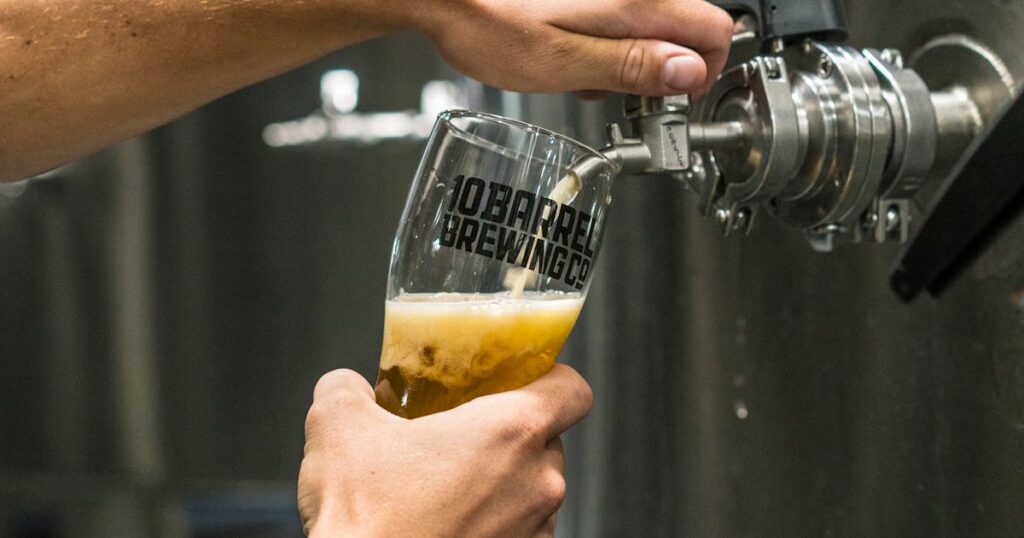
The Dawn of Intelligent Brewing

Remember the days when homebrewing meant constant temperature checks, frantic yeast pitching, and crossed fingers during fermentation? Those days are rapidly fading into history. As we move through 2026, a quiet revolution is transforming homebrewing from an artisanal craft into a precision science. Welcome to the era of smart brewing—where artificial intelligence, Internet of Things (IoT) sensors, and automation are giving homebrewers unprecedented control over every aspect of their craft.
For years, commercial breweries have leveraged technology to ensure batch consistency and quality control. Now, that same technological sophistication is becoming accessible to homebrewers at a fraction of the cost. From AI-powered recipe formulation to IoT-enabled fermentation monitoring, the tools that were once exclusive to industrial operations are now finding their way into garages, basements, and kitchen counters across the country.
AI: Your Personal Brewmaster
The most exciting development in smart brewing is the integration of artificial intelligence into recipe creation and optimization. Platforms like BrewAI and iWort are using machine learning algorithms to analyse thousands of successful recipes, identifying patterns and correlations that human brewers might miss. These systems can suggest ingredient adjustments based on desired flavour profiles, predict fermentation outcomes, and even troubleshoot common brewing problems before they occur.
Imagine telling an AI system: “I want a hazy IPA with tropical fruit notes, moderate bitterness, and an ABV around 6.5%.” Within seconds, you receive a complete recipe with precise hop schedules, grain bills, and yeast recommendations—all tailored to your specific equipment and local water chemistry. This isn’t science fiction; it’s the reality for thousands of homebrewers in 2026.
IoT Sensors: The Eyes and Ears of Your Brew

While AI handles the planning, IoT sensors provide the real-time data that makes precision brewing possible. Modern smart brewing systems incorporate multiple sensors that monitor:
- Temperature: Continuous monitoring of mash, boil, and fermentation temperatures with automatic adjustments
- Specific Gravity: Real-time tracking of fermentation progress without manual hydrometer readings
- pH Levels: Automatic monitoring of mash and wort acidity for optimal enzyme activity
- Pressure and CO2: Critical for kegging and carbonation control
- Ambient Conditions: Tracking environmental factors that affect fermentation
These sensors connect wirelessly to smartphone apps or web dashboards, allowing brewers to monitor their batches from anywhere. Receive alerts when your fermentation temperature drifts outside the ideal range, or get notified the moment primary fermentation completes. The days of anxiously peeking at airlocks are over.
Automation: Set It and (Almost) Forget It
The true power of smart brewing emerges when AI planning meets IoT monitoring through automation. Modern systems like the BrewTools Pro and Grainfather Connect can:
- Automatically adjust heating elements to maintain precise temperature schedules
- Control pump speeds for optimal recirculation during mashing
- Manage hop additions at precisely the right times during the boil
- Regulate fermentation temperature through connected cooling/heating systems
- Initiate cold crashing and carbonation cycles at optimal moments
This level of automation doesn’t remove the brewer from the process—it elevates their role. Instead of focusing on manual adjustments and constant monitoring, brewers can concentrate on creativity, recipe development, and the sensory evaluation of their finished products.
The Benefits Beyond Convenience
While the convenience factor is undeniable, smart brewing offers more profound benefits:
- Consistency: Eliminate batch-to-batch variations caused by human error or environmental fluctuations
- Quality Improvement: Precise control over every variable leads to better-tasting beer
- Educational Value: Detailed data logging creates a learning feedback loop for brewers
- Community Building: Share recipes, data, and results with global brewing communities
- Sustainability: Optimised processes reduce water, energy, and ingredient waste
Getting Started with Smart Brewing

If you’re ready to embrace the smart brewing revolution, here’s how to get started:
- Start Small: Begin with a basic temperature controller and single sensor before investing in a full system
- Choose Open Platforms: Look for systems with open APIs that allow integration with other tools
- Focus on Fermentation: Temperature control during fermentation has the biggest impact on beer quality
- Join Communities: Platforms like HomeBrewTalk have active smart brewing discussions
- Embrace the Data: Don’t just collect information—analyse it to improve your process
The smart brewing revolution represents more than just technological advancement—it’s a fundamental shift in how we approach the craft of brewing. By combining centuries-old tradition with cutting-edge technology, homebrewers in 2026 are producing beer that rivals commercial quality while maintaining the personal touch that makes homebrewing special.
As these technologies continue to evolve and become more accessible, we’re likely to see even more innovation. Imagine AI systems that can predict flavour development during aging, or IoT networks that coordinate entire brewing ecosystems. The future of homebrewing is intelligent, connected, and incredibly exciting.
Ready to join the revolution? Check out our Taproom community to discuss smart brewing techniques with fellow enthusiasts, or explore more articles on brewing technology and innovation. For those interested in traditional brewing organisations, CAMRA continues to champion real ale while embracing technological advancements. Homebrewers looking for quality ingredients should check out The Malt Miller, and for style guidelines, the BJCP remains an essential resource.