Alcohol-Free Craft Beer Mastery: Brewing Complex Flavours Without the ABV
When I first heard a fellow homebrewer say he was brewing alcohol-free beer, I’ll admit my reaction was sceptical. Where’s the chemistry without fermentation driving the yeast wild? Where’s the challenge?
I was wrong. Dead wrong.
In 2026, alcohol-free craft beer has become the fastest-growing category in the entire drinks industry. Supermarkets are expanding their ranges. Breweries are pouring serious investment into AFB. And most importantly—the quality has evolved beyond recognition. This isn’t hospital-strength cordial anymore. This is genuine craft.
After three months of experimenting with alcohol-free brewing, I’ve learned that crafting complex, drinkable AFB at home isn’t about settling. It’s about mastery. It’s about constraint breeding creativity. Let me walk you through what I’ve discovered.
Why Alcohol-Free Brewing Matters Right Now
There’s something almost monk-like about alcohol-free brewing. You’re removing one of the most forgiving safety nets in the entire process—alcohol as a preservative and flavour carrier—and you’re still expected to deliver something worth drinking.
The reasons people brew AFB vary wildly. Some are cutting back on calories and carbs. Others are managing health conditions or making space for sober curiosity in their social lives. Some, frankly, just want the technical puzzle. All are valid.
The craft beer world took AFB seriously first. Brands like Carlsberg 0.0 and Guinness 0.0 proved that premium AFB could command premium prices. Homebrewers noticed. Now, it’s 2026, and the techniques are mature enough for serious home experimentation.
The Three Methods: Which One Works Best?
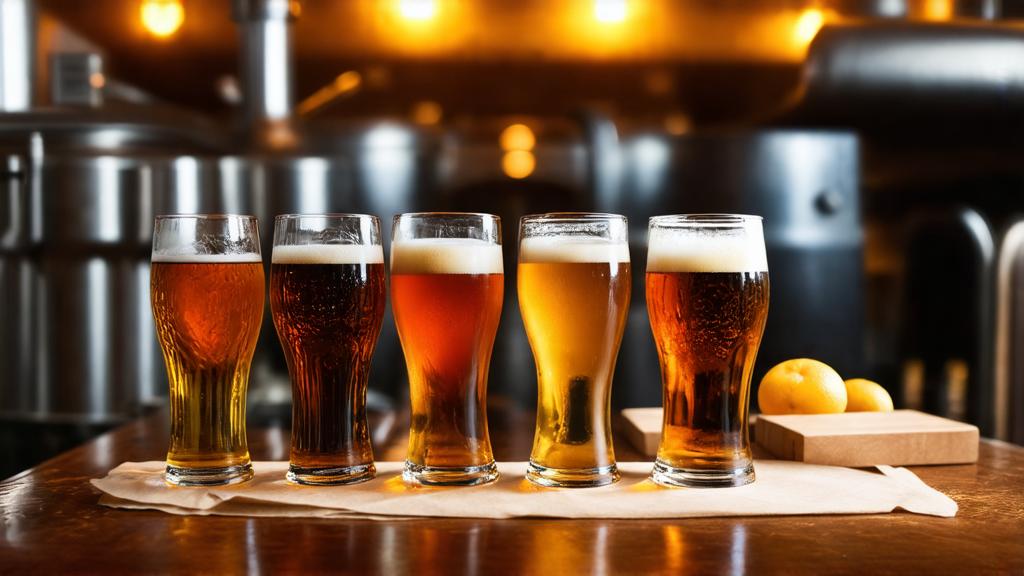
There are three primary approaches to brewing AFB at home. Each has trade-offs. Let me break them down based on my own trials.
Method 1: Arrested Fermentation
This is the most homebrewer-friendly approach. You brew normally—full grain bill, all your usual steps—but you monitor fermentation obsessively and crash the temperature hard once gravity drops to 1.015 to 1.018. You stop the yeast before it eats all the fermentable sugars.
Pros: No special equipment. Works with your existing setup. Residual sweetness creates body and mouthfeel.
Cons: Timing is brutally precise. You need a reliable thermometer and temperature control. Get it wrong by even 48 hours and you’re over 0.5% ABV. The beer can feel thin if you misjudge.
Method 2: Alcohol Removal (Reverse Osmosis / Nanofiltration)
You brew a normal beer to completion, then use specialist equipment to physically remove ethanol and water while concentrating flavour compounds. This is what commercial brewers do.
Pros: No guessing. True 0.0% ABV. Full fermentation means cleaner yeast by-products.
Cons: Expensive equipment (RO membranes, vacuum degassing). Not practical for home scale. Energy-intensive.
Method 3: Low-Fermentable Grain Bills + Special Yeast
You use a combination of unfermentable grains (oats, wheat, rye) that contribute body and flavour but can’t be fermented, paired with specially selected yeast that produces flavour without driving toward high ABV. This is the hybrid approach.
Pros: Better flavour complexity than arrested fermentation. More practical than RO. Works with standard equipment.
Cons: Still requires precision. Needs testing (hydrometer readings) to confirm final ABV.
For home brewers, I recommend Method 1 (Arrested Fermentation) as your entry point, then graduating to Method 3 once you understand the constraints.
Brewing Your First Alcohol-Free Pale Ale (Arrested Fermentation)
Here’s my tested recipe and method for a 23-litre (5 US gallons) batch:
Ingredients
- Grain: 3.2 kg (7 lb) pale malt, 450g (1 lb) crystal malt 20L, 200g (0.4 lb) chocolate malt
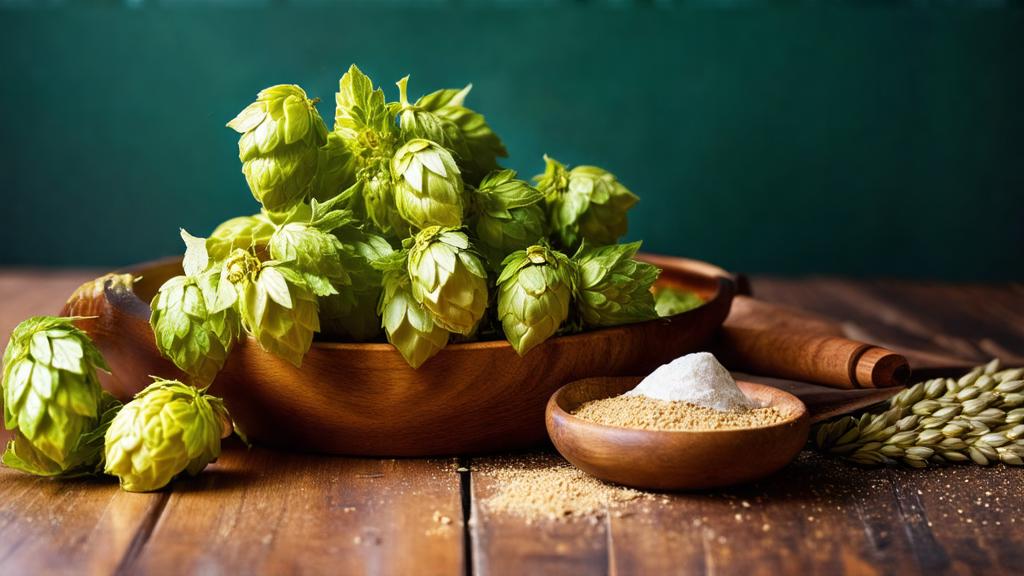
- Hops: 18g (0.6 oz) Goldings at 60 min, 12g (0.4 oz) Cascade at 10 min, 12g (0.4 oz) Cascade at flameout
- Yeast: SafAle US-05 (Fermentis—predictable, clean)
- Water: 30 litres (8 gallons) strike water
- Additives: Gypsum (0.5 tsp), Irish moss (final 15 min)
Method
- Mash: Strike at 67°C (152°F), hold 60 minutes. Step mash to 72°C (162°F) for 20 minutes for body.
- Sparge: Fly sparge or batch sparge as usual. Target 1.040 OG (original gravity).
- Boil: Full 60-minute boil. Bitter with Goldings, finish with two Cascade additions for aroma.
- Cool: Chill to 18°C (64°F) and pitch your yeast.
- Fermentation: This is where arrested fermentation gets serious. Pitch at 18°C. Let fermentation proceed naturally for 4–5 days.
- Monitor gravity obsessively. On day 6, measure. Your target is FG 1.015–1.018. You’re aiming for approximately 0.3–0.5% ABV after carbonation.
- Crash the temperature. Once you hit FG 1.016, drop the temperature to 2–4°C (35–39°F) and hold for 48 hours. This shocks the yeast dormant.
- Rack and condition: Transfer to a secondary or skip secondary and go straight to a corny keg (or bottle if you prefer). Carbonate to 2.0–2.3 volumes CO₂—lower than a typical ale to preserve the residual sweetness.
The entire process takes 3 weeks from brew day to first sip. You’ll notice this AFB has genuine body, a subtle grainy sweetness, and clean bitter finish. It drinks like a low-ABV pale ale, not a cordial masquerading as beer.
Common Mistakes I Made (So You Don’t Have To)
Mistake 1: Undershooting Your Starting Gravity
I brewed my first batch with an OG of 1.032, thinking a lighter touch would make the math simpler. Instead, I got a thin, watery final product. The arrested point (FG 1.015) meant I was left with barely any residual sugar to provide sweetness or body.
Fix: Don’t go below OG 1.038 for pale ales. You need fermentable matter to work with.
Mistake 2: Over-Carbonating
I treated my first AFB batch like a standard ale—2.6 volumes CO₂. The result was a harsh, soda-like fizz that obscured the subtle malt character. AFB needs restraint.
Fix: Carbonate to 1.8–2.2 volumes. You want refreshment, not fizz.
Mistake 3: Trusting Your Hydrometer Without Verification
Hydrometers can deceive you, especially at critical transition points. One reading seemed too high, so I trusted my gut and left fermentation going another 24 hours. Final ABV hit 0.8%—over the AFB threshold.
Fix: Take hydrometer readings every 12 hours once you approach your target gravity. Use secondary confirmations: the yeast should be starting to flocculate, the airlock should slow dramatically, and gravity should hold stable for 24 hours.
Flavour Profiles: What to Expect (and Celebrate)
Alcohol-free beer tastes different. Not worse—different. The lack of ethanol means:
- More pronounced sweetness: Residual sugars aren’t masked by alcohol burn. Expect honey, caramel, and grain sweetness to come forward.
- Brighter hop bitterness: Without ethanol to mellow it, IBU bitterness can feel sharper. Dial back to 20–30 IBUs for balance.
- Cleaner yeast character: Shorter fermentation time means fewer fusel alcohols (which you’re removing anyway) and cleaner esters.
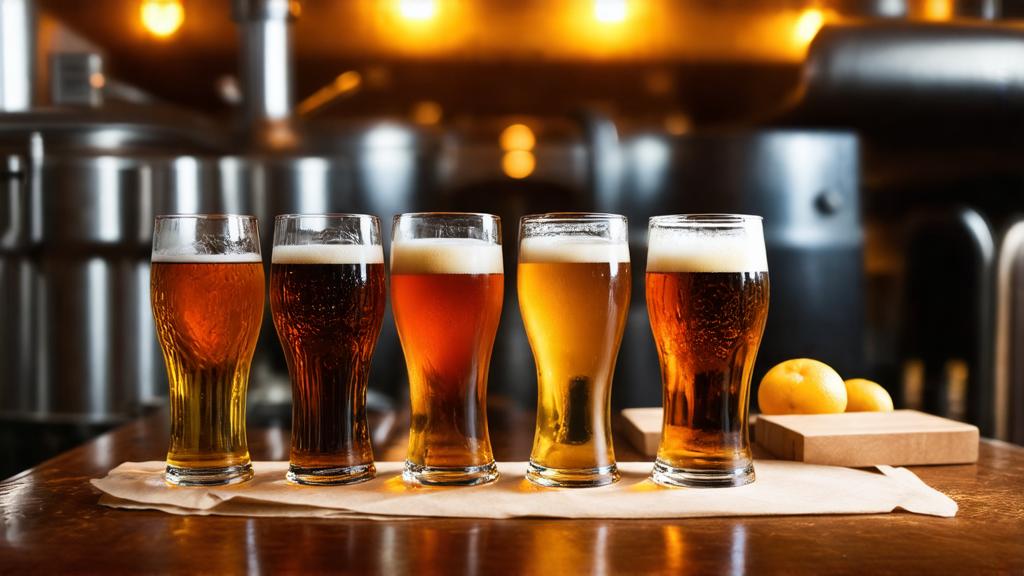
This is why I brewed an AFB stout, an AFB amber, and an AFB bitter—to understand which styles lean hardest into these characteristics. Stouts and bitters, which celebrate grain sweetness and subtle bitterness, shine in AFB. Heavily hopped IPAs? They taste thin because you’ve stripped away the alcohol that normally carries hop oils.
Pro Tips & Next-Level Experiments
Add Unfermentable Sugars for Body
In Method 3 approaches, consider adding 10–15% of your grain bill from unfermentable sources: oat malt, wheat malt, or carapils. These boost body without raising ABV. It’s like adding a third dimension to the mouthfeel.
Use Liquid Yeast for Cleaner Fermentation
Dry yeast like US-05 is reliable, but liquid yeast—especially strains like WLP1968 (London ESB)—can add subtle fruitiness that compensates for alcohol’s absence. I’ve had better results with liquid yeast on my third and fourth batches.
Experiment with Hop Varieties
In AFB, noble hops (Goldings, Hallertau, Saaz) shine brighter than modern high-alpha varieties. They’re more about aroma and delicate bitterness than raw IBU punch. This invites you back to classic British styles—which aligns beautifully with Bennett’s Brew philosophy.
Embrace Conditioning Time
Don’t rush to drink your AFB. Let bottles or kegs sit for 2–3 weeks before evaluating. The beer continues to develop subtle complexity as yeast and hop compounds integrate. My week-one tasting notes were harsh; week-three notes were genuinely impressed.
The Honest Truth: Is AFB Worth Your Time?
I won’t lie—brewing alcohol-free beer is harder technically than brewing standard ale. You need precision, patience, and willingness to accept that the final product tastes different (not lesser, but genuinely different).
But here’s what keeps me coming back: AFB brewing forced me to understand flavour chemistry more deeply. It stripped away my reliance on alcohol as a crutch. I’ve learned to celebrate grain, to respect hops for what they actually contribute, and to brew beers that satisfy people excluded from regular homebrewing by choice or circumstance.
In a monastery, monks would have seen this as a natural challenge. How do you create something meaningful within constraint? That’s the essence of this craft.
If you’re curious about AFB, start with an arrested fermentation pale ale using my recipe above. Measure religiously. Accept that your first batch might land at 0.6% or 0.7% ABV instead of the target 0.4%. That’s still alcohol-free by most regulatory definitions (under 0.5%) and it’ll teach you everything you need for batch two.
The 2026 alcohol-free boom is real. Your chance to master this while it’s still a frontier? That’s real too.
🍺 Join the Brotherhood — Monthly brews, stories & monk wisdom
Subscribe for exclusive recipes, early brew logs, and behind-the-scenes updates straight to your inbox.