Why Herbal & Botanical Beer Brewing is 2026’s Wellness Frontier
There’s a quiet revolution happening in homebrewing kitchens across the UK and beyond. It’s not about extreme ABV or wild fermentations—though those still matter. It’s about bringing intention into beer. I first noticed it last spring when I stumbled upon a bottle of herbal ale infused with ashwagandha and pink peppercorns at a local market. I was sceptical. Beer isn’t supposed to taste like a wellness drink, right?
I bought it anyway. One sip, and I understood. This wasn’t a gimmick. It was a homebrewer who’d done the hard work—figuring out which botanicals harmonise with hops, how much adaptogenic powder destabilises a beer’s clarity, when to add these ingredients so they sing rather than overwhelm. That bottle sparked something. Since then, I’ve been experimenting with herbal and functional fermentation techniques, learning which botanicals work best, and discovering why 2026 has become the year of wellness-forward brewing.
If you’re already brewing, this is the next frontier. If you’re thinking about starting, herbal beer might be your perfect entry point.
Understanding Herbal & Botanical Ingredients (And What Actually Works)
Let’s be honest: not every herb belongs in beer. I’ve wasted good malt on experiments that tasted like a chemistry lesson gone wrong. The key is understanding which botanicals complement beer’s natural structure, and which ones clash.
The classics that work:
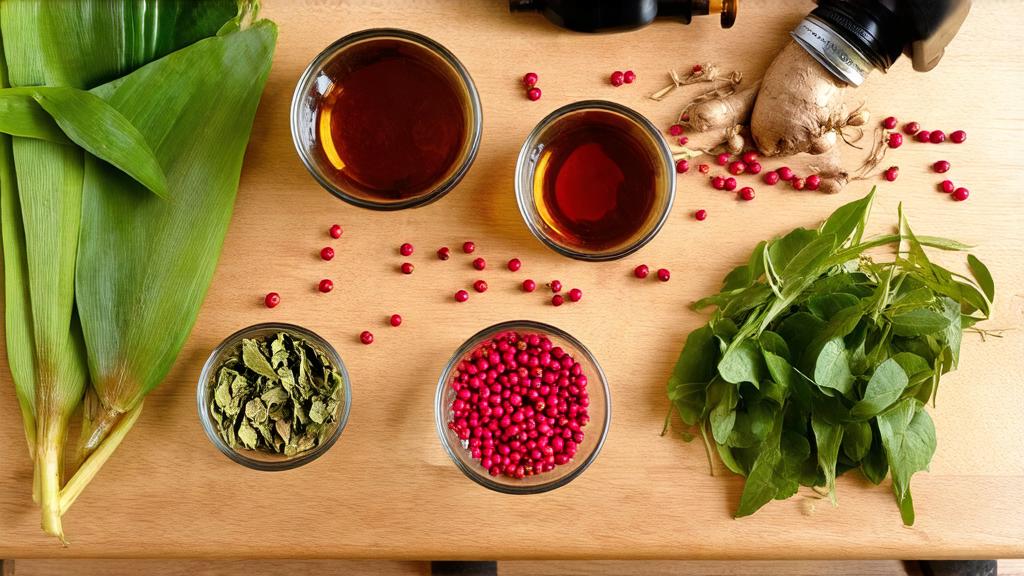
- Pink peppercorns — fruity, slightly spicy, add complexity without overwhelming citrus hops. Use 5–15g (0.18–0.53 oz) per 20-litre (5.3 gal) batch.
- Pandan leaf (from the Philippines) — floral, slightly vanilla-like, adds depth. Fresh or dried; add during last 5 minutes of the boil, then again at flameout for aroma.
- Sorrel — tart, lemony, naturally pairs with pale ales and wheat beers. Dried flowers; 10–20g per batch.
- Lavender — use sparingly (3–8g). Too much tastes like soap. Perfect for honey blends and low-ABV beers.
The adaptogenic wild cards:
- Ashwagandha root — earthy, slightly bitter. Known for stress relief. Challenge: its intense earthiness can clash with IPA profiles. Works best in amber ales and brown ales (5–10g per batch).
- L-theanine — amino acid for mental clarity. Nearly tasteless. Add post-fermentation for best results (500–1000mg per batch).
- Lion’s mane mushroom powder — woodsy, umami-forward. Integrates beautifully into darker beers. 3–8g per batch.
The breakthrough I had was realising these ingredients need balance. A herbal beer isn’t a botanical dumping ground. It’s a beer where every ingredient has a reason to exist. That means careful measurement, testing, and willingness to fail.
Brew Day: When and How to Add Botanicals
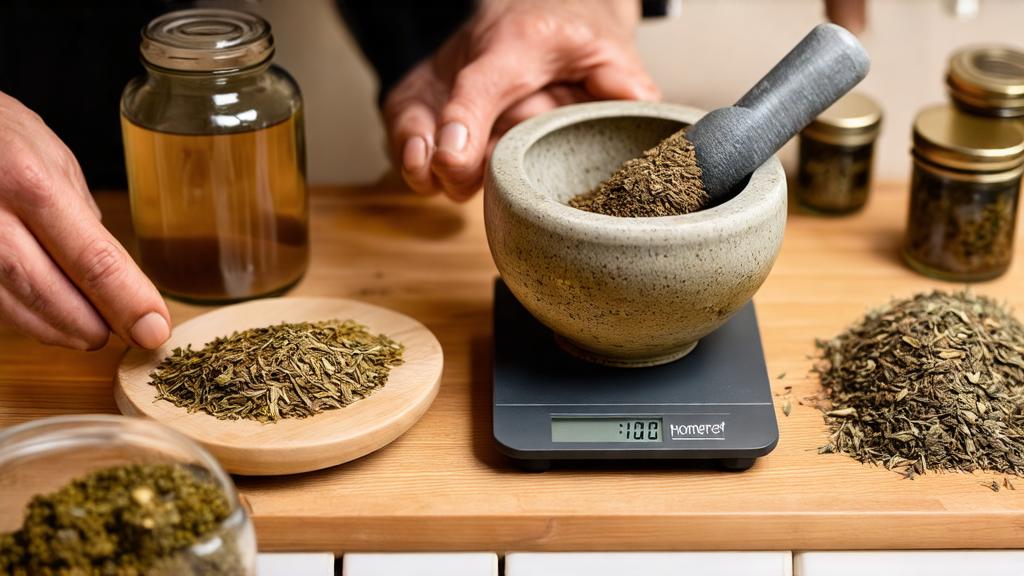
Timing is everything. Add your botanicals too early, and the boil destroys their delicate volatile compounds. Too late, and they won’t integrate with your base beer. Here’s my tested approach:
For aromatic botanicals (lavender, pandan, sorrel flowers):
- Add 50% of your botanical blend at flameout (when heat is off). This preserves aroma.
- Add the remaining 50% to a hop bag and dry-hop during fermentation (days 3–5 if using ale yeast, days 7–10 for lagers). This gives you extraction without destroying volatile oils.
For adaptogenic powders (ashwagandha, lion’s mane):
- These are trickier. Mixing them directly into hot wort can create a grainy texture and unpleasant astringency.
- Instead, weigh your powder, mix it with a small amount of cold distilled water to create a slurry, then add it during secondary fermentation (days 5–7). This gives yeast time to integrate the compound without destabilising flavour or clarity.
For spice-forward botanicals (pink peppercorns, black cardamom):
- Toast lightly in a dry pan for 30 seconds—this wakes up their oils.
- Add directly at flameout, let them sit in the hot wort for 10 minutes, then strain.
One critical note: if you’re using fresh herbs (not dried), always sanitise them first. A quick 30-second blanch in 65°C (150°F) water kills wild microbes without damaging flavour. Dried botanicals are generally safer, but always source from reputable suppliers.

Fermentation & Conditioning: The Integration Phase
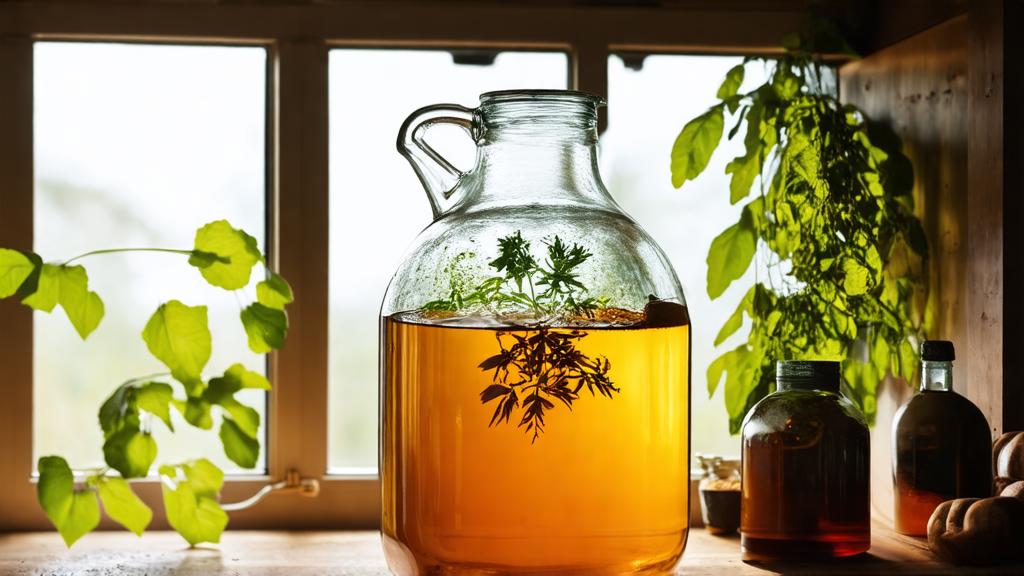
Here’s where most homebrewers stumble. They add their botanicals and assume fermentation will sort itself out. It won’t. Herbal beers need attention during fermentation—which is why I’ve started using a simple log to track fermentation temperature and take gravity samples every 3 days.
The botanicals and adaptogens are still integrating throughout fermentation. You’ll notice the beer’s flavour evolving: day 3, the lavender is bright and sharp. Day 7, it’s started to soften and meld with the malt backbone. By day 10, if you’ve done it right, you can barely separate the herbal notes from the beer itself. They’ve become one thing.
Temperature matters. Herbal beers benefit from slightly cooler conditioning than standard ales. I ferment at 17–19°C (63–66°F) for herbal ales, even though most ale yeasts prefer 18–21°C (64–70°F). The lower temperature slows everything down—fermentation takes an extra 3–5 days—but gives the botanicals time to integrate without creating harsh solvent-like notes.
After fermentation is complete (gravity stable for 3 days), I cold crash herbal beers. Drop the temperature to 2–4°C (36–39°F) for 48 hours. This helps clarify the beer and softens any remaining astringent edges from the adaptogens.
Tasting, Testing & Honest Feedback
My first herbal experiment was a disaster. I’d added a full 15 grams of ashwagandha to a 20-litre batch without testing. The resulting beer tasted like a health supplement—earthy, bitter, and nothing like the balanced ale I’d imagined. I learned to taste and adjust.
Now, I always bottle a small test batch. After 2 weeks of conditioning, I’ll crack one open. If the herbal notes are overwhelming, I know my next batch needs less botanical, or a different base beer style. If they’re too subtle, I adjust upward.
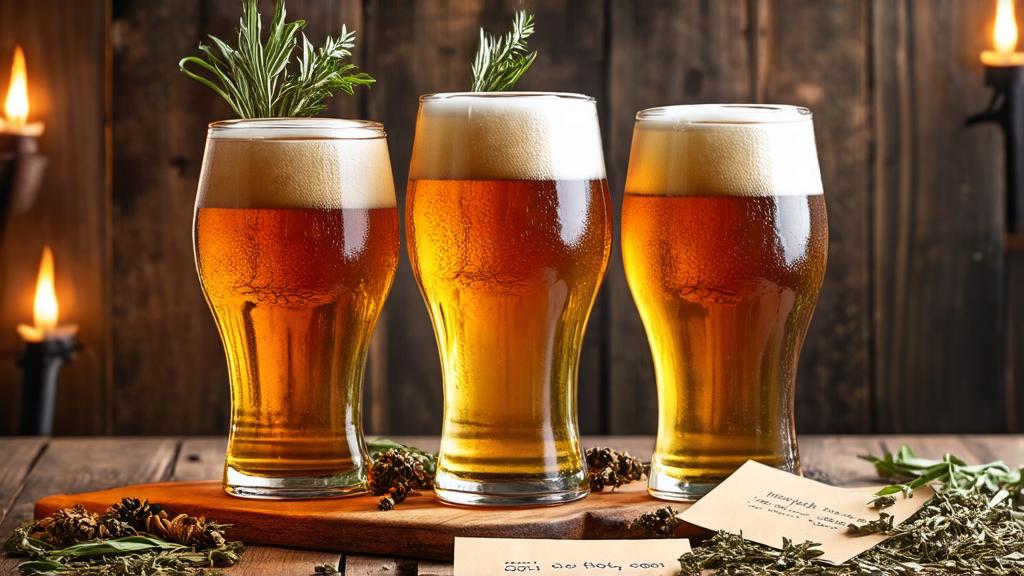
What surprised me most was discovering that lower-ABV beers are actually better canvases for herbal brewing. A 4.5–5.5% ABV pale ale gives your botanicals room to shine without the ethanol heat overpowering them. A 7% imperial stout, by contrast, needs more herbal intensity to be noticeable—which is risky.
For external guidance, I’ve found HomeBrewTalk’s herbal brewing forum invaluable. Real brewers sharing real results. And the BJCP style guidelines for Experimental/Specialty beers have helped me understand what judges look for in herbal submissions.
Common Mistakes & How to Avoid Them
Mistake 1: Over-extracting adaptogens. These compounds are potent. If your herbal beer tastes medicinal, you’ve added too much. Cut the dose by 30% next time and retest.
Mistake 2: Ignoring water chemistry. Soft water (low mineral content) brings out herbal and floral notes beautifully. Hard water can make them taste harsh. If you’re brewing herbal beers regularly, consider a simple water test or starting with distilled water as a baseline.
Mistake 3: Forgetting about shelf life. Herbal beers oxidise faster than standard ales due to the botanical oils. Plan to drink them within 3 months, and keep them cold and dark. I’ve had herbal beers go papery and flat after 4 months in a warm cupboard.
Mistake 4: Pairing the wrong botanicals with the wrong yeast. Belgian yeasts (especially Wyeast 3787) add their own fruity and phenolic character. Adding floral botanicals on top can create clashing flavours. British yeast strains (Wyeast 1968 ESB, for example) are more neutral and give botanicals space to shine.
I’ve linked to some of my earlier experimentation notes on hybrid fermentation techniques and sustainable ingredient sourcing—both of which apply directly to herbal brewing.
Next-Level Experiments: Where I’m Heading
Once you’ve nailed the basics, herbal brewing opens up wild possibilities. I’m currently working on a few experiments:
- Seasonal botanical rotations. Spring pandan + sorrel, summer lavender + hibiscus, autumn pink peppercorn + cardamom, winter lion’s mane + ginger.
- Blending herbal beers post-fermentation. Creating a “botanical matrix” where a base pale ale gets split into three secondary fermenters with different botanical additions, then blended back together.
- Layered adaptogenic integration. Adding one adaptogen during secondary (ashwagandha on day 5) and another post-packaging (L-theanine added as a solution at bottling). This requires careful sanitisation but could create deeper complexity.
The fun part? None of these are documented in traditional brewing texts. They’re emerging techniques that homebrewers like us are discovering in real time. That’s the beauty of herbal brewing—it’s still a frontier.
Closing Thoughts: Intention in Every Pint
Herbal and botanical beer brewing isn’t about following a recipe. It’s about asking yourself: What am I trying to create? Who is this beer for? What story do these botanicals tell?
When you approach brewing that way, something shifts. You’re not just making beer. You’re crafting an experience. A moment. And if one of those moments helps someone unwind, find clarity, or just enjoy a genuinely different drink on a Saturday evening, then you’ve done something right.
Start small. Pick one botanicals that calls to you. Brew a 10-litre (2.6 gal) batch. Taste it, log your notes, and let that bottle become your teacher. That’s how I learned. That’s how we all learn.
🍺 Join the Brotherhood — Monthly brews, stories & monk wisdom
Subscribe for exclusive recipes, early brew logs, and behind-the-scenes updates straight to your inbox.