
Beyond Beer: How Craft Breweries Are Diversifying in 2026
If you’ve been following the brewing industry lately, you’ve probably noticed something interesting: traditional beer companies aren’t just making beer anymore. From AB InBev to Molson Coors, major brewers are expanding into what industry insiders call the “Beyond Beer” category. But what does this mean for craft breweries and homebrewers, and why is this trend accelerating in 2026?
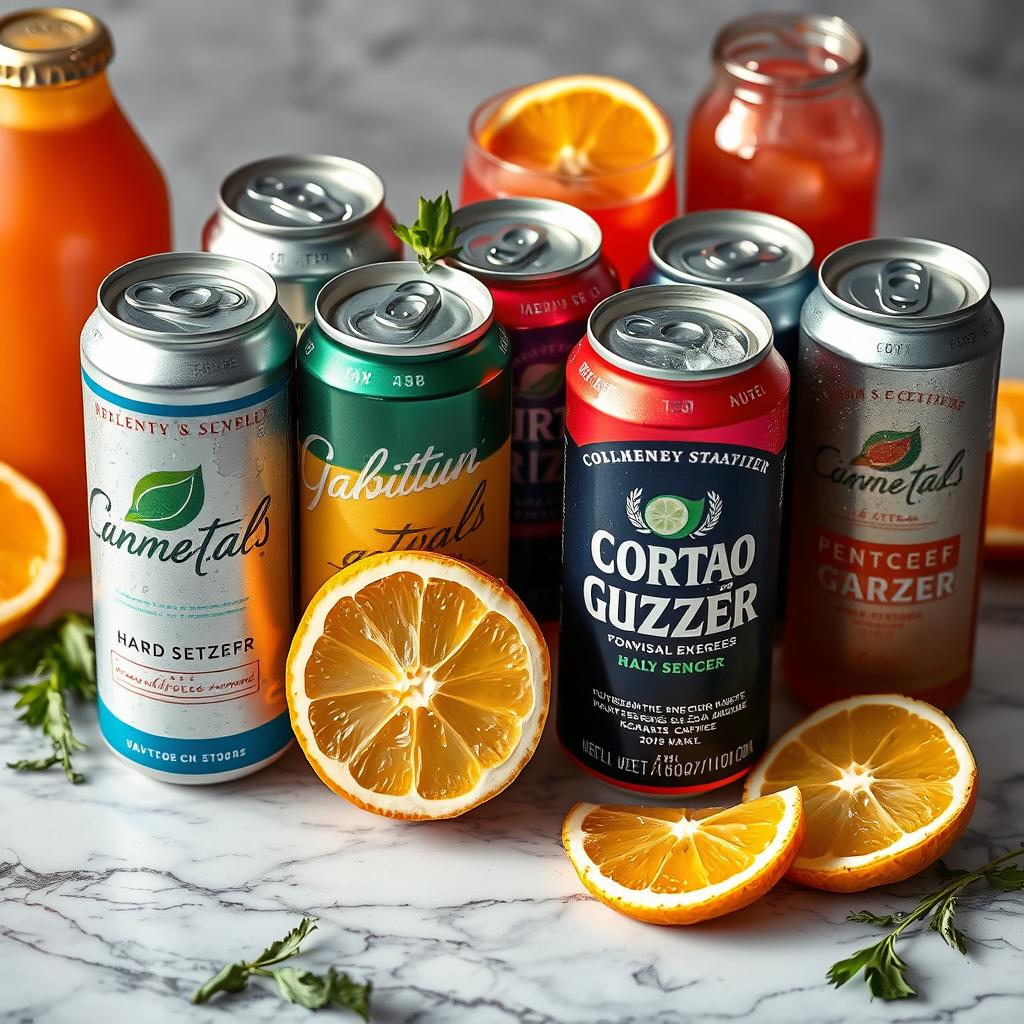
The Rise of Ready-to-Drink (RTD) Beverages
The numbers don’t lie: the spirits-based cocktail market has outpaced beer growth for three consecutive years. According to recent industry reports, companies like Molson Coors are making strategic acquisitions to capture this demand. Just last week, Molson Coors announced the acquisition of Monaco Cocktails, adding to their growing portfolio of “beyond beer” products that already includes Vizzy Hard Seltzer, Simply Spiked, and Topo Chico Hard Seltzer.
This isn’t just about big corporations either. The trend reflects changing consumer preferences, particularly among younger drinkers who are looking for variety, convenience, and often lower-alcohol options. Hard seltzers, which exploded in popularity in the early 2020s, paved the way for what’s now becoming a full-fledged beverage revolution.
Why Brewers Are Looking Beyond Beer
There are several factors driving this diversification:
- Market Saturation: The craft beer market, while still growing, has become increasingly competitive. Breweries are looking for new revenue streams.
- Consumer Demand: Drinkers today want variety. They might enjoy a craft IPA one night and a canned cocktail or hard seltzer the next.
- Distribution Efficiency: Breweries already have established distribution networks that can easily accommodate new beverage types.
- Seasonal Flexibility: Beyond-beer products often have different seasonal appeal than traditional beers.
As Beverage Daily recently reported, “Beyond beer allows brewers to get into adjacent spaces such as RTD cocktails” without having to build entirely new production facilities or distribution channels.
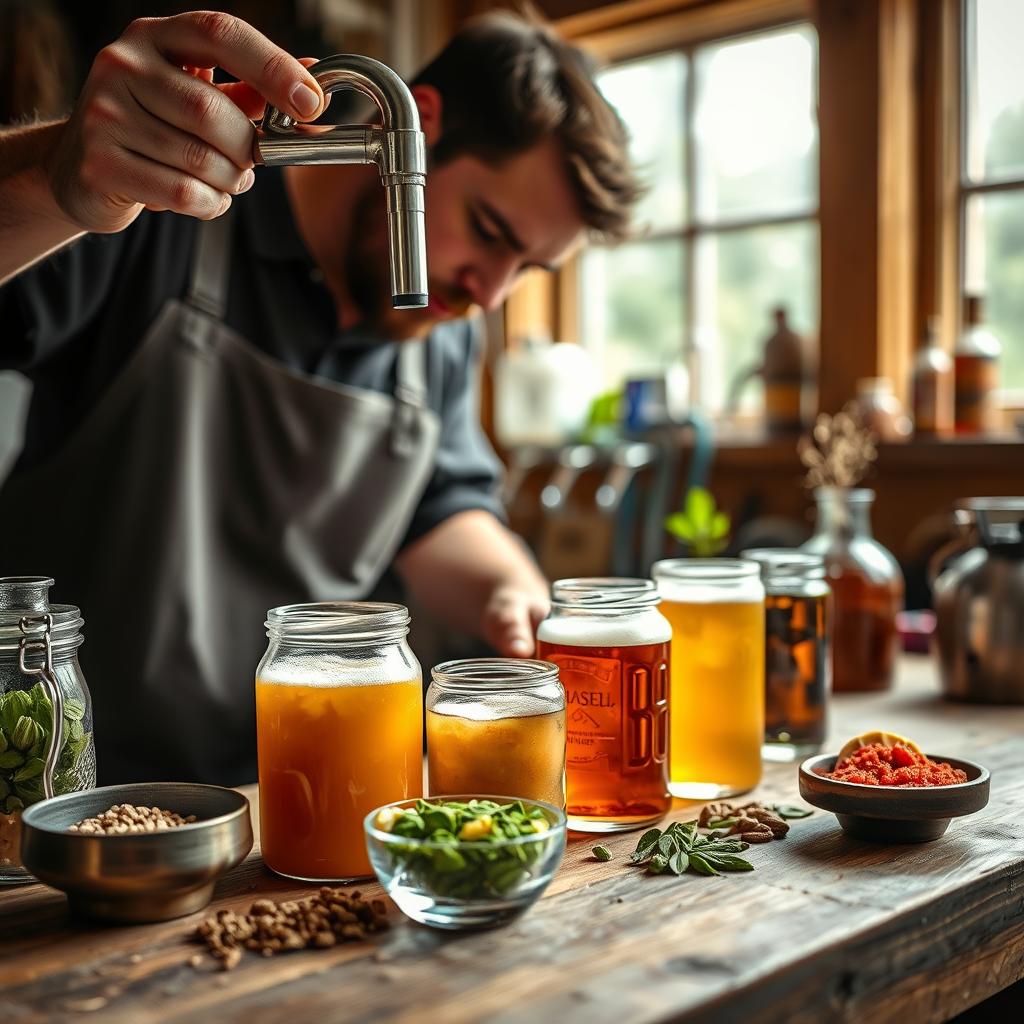
What This Means for Homebrewers
For homebrewers, this trend opens up exciting new possibilities. While commercial breweries are investing millions in RTD production, homebrewers can experiment on a much smaller scale. Here are some areas where homebrewers can explore beyond-beer brewing:
- Hard Seltzers: Surprisingly simple to make with neutral spirits or vodka, carbonated water, and natural flavorings.
- Canned Cocktails: Pre-mixed cocktails that can be carbonated and canned for convenience.
- Non-Alcoholic Options: Craft sodas, kombucha, or other fermented non-alcoholic beverages.
- Fruit-Infused Beverages: Using brewing equipment to create fruit wines or cider hybrids.
Organizations like the Beer Judge Certification Program (BJCP) are even starting to develop guidelines for evaluating these new beverage categories, while forums like HomeBrewTalk are seeing increased discussion about beyond-beer techniques.
The Challenges of Diversification
Of course, moving beyond beer isn’t without its challenges. Different beverages require different:
- Regulatory Approvals: In many regions, producing spirits-based products requires additional licensing.
- Production Techniques: Cocktails and seltzers don’t involve fermentation in the same way beer does.
- Ingredient Sourcing: Finding quality spirits, botanicals, and flavorings at homebrew scale.
- Packaging Considerations: Some beverages may require different packaging than traditional bottles or cans.
Despite these challenges, many brewers see the potential rewards as worth the effort. As noted by the Campaign for Real Ale (CAMRA), while traditional beer remains important, the industry’s evolution reflects changing consumer tastes and market dynamics.
Looking Ahead to 2027 and Beyond
The “beyond beer” movement shows no signs of slowing down. Industry analysts predict that by 2027, non-beer products could account for 20-30% of revenue for many craft breweries. For homebrewers, this represents an opportunity to develop new skills and create unique beverages that stand out at competitions and gatherings.
Whether you’re a commercial brewer considering expansion or a homebrewer looking for your next project, the beyond-beer trend offers exciting possibilities. The key is to start small, experiment carefully, and most importantly—have fun with it!
For more brewing insights and trends, check out our other posts in The Taproom or learn more about our brewing journey. And if you’re interested in traditional brewing techniques, don’t miss our guide to perfecting your homebrew setup.