The Ancient Art of Wild Fermentation: A Homebrewer’s Guide to Spontaneous Brewing
In an era of precision brewing and controlled fermentation, a growing number of homebrewers are rediscovering the ancient art of wild fermentation. This traditional method, which predates modern yeast cultivation by centuries, embraces spontaneity and terroir to create beers with unique, complex flavours that simply can’t be replicated with commercial yeast strains.
What is Wild Fermentation?
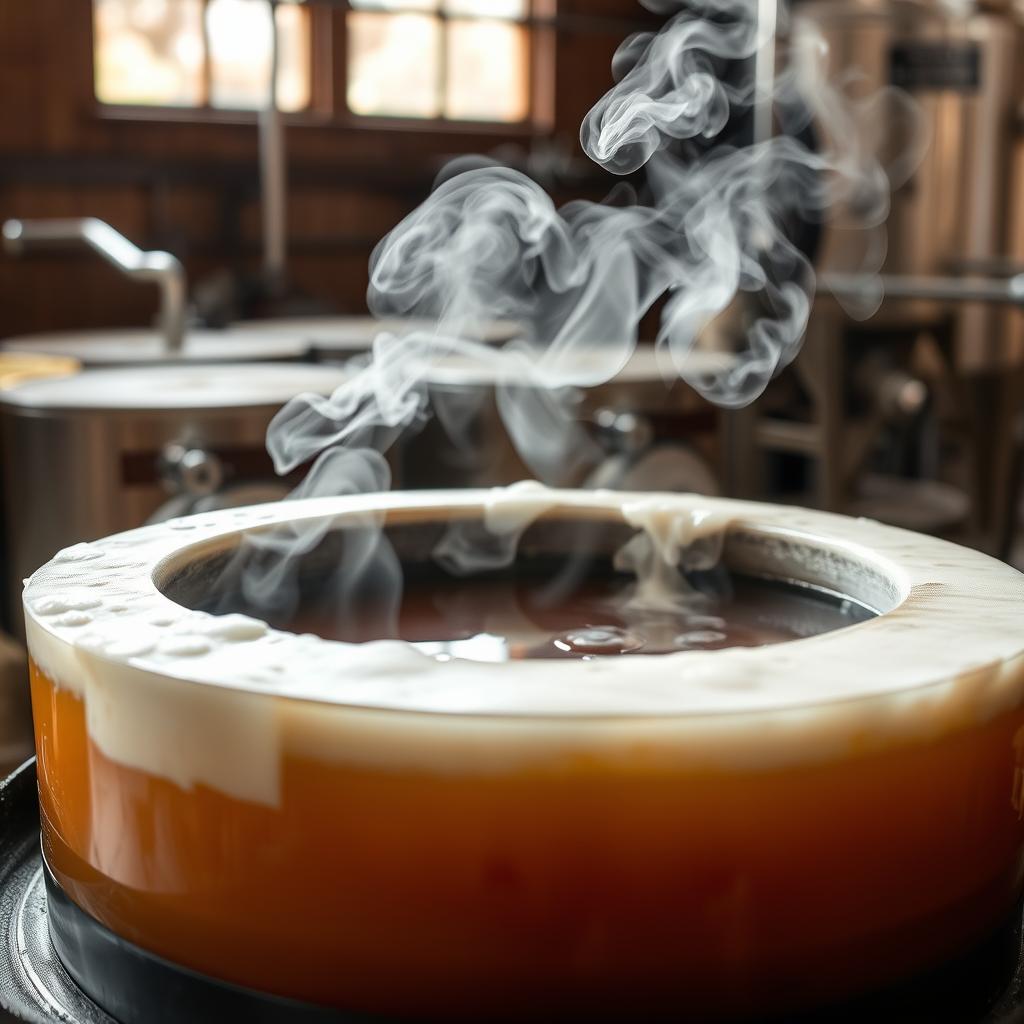
Wild fermentation, also known as spontaneous fermentation, is the process of allowing naturally occurring microorganisms in the environment to ferment beer. Unlike conventional brewing where specific yeast strains are added, wild fermentation relies on the complex ecosystem of wild yeast (particularly Brettanomyces), lactic acid bacteria, and other microorganisms present in the air, on surfaces, and in wooden barrels.
This method is most famously associated with Belgian lambic beers, which have been produced in the Pajottenland region southwest of Brussels for centuries. However, as noted in recent brewing literature, spontaneous fermentation was actually the way all beer was originally made before brewers learned to repitch yeast from one batch to the next.
The Science Behind Spontaneous Fermentation
The process follows a fascinating microbial succession. According to research from The Oxford Companion to Beer, lambic fermentation occurs in four distinct phases:
- Enterobacteriaceae phase (first 3-4 days): Bacteria like Enterobacter cloacae and Klebsiella aerogenes begin fermentation
- Primary yeast phase (weeks 1-4): Wild yeast strains like Kloeckera apiculata take over
- Lactic acid bacteria phase (months 2-8): Pediococcus produces lactic acid
- Brettanomyces phase (months 8-36): Brettanomyces completes fermentation
This complex microbial dance creates the characteristic funky, sour, and complex flavours that wild beer enthusiasts cherish. As highlighted by the Campaign for Real Ale (CAMRA), these traditional methods represent an important part of brewing heritage worth preserving.
Getting Started with Wild Fermentation at Home
For homebrewers interested in exploring wild fermentation, here are some practical approaches:
1. The Coolship Method
Traditional lambic brewers use shallow, open vessels called coolships to expose hot wort to the night air. The wort cools slowly overnight, allowing wild microorganisms to settle into the liquid. While most homebrewers don’t have dedicated coolships, you can achieve similar results by leaving your wort in a sanitized, wide-mouth container overnight in a clean, draft-free area.
2. Capturing Local Microflora
You can create a “wild yeast starter” by leaving a small amount of unhopped wort (around 1.040 specific gravity) in an open container for several days. Once it shows signs of fermentation (bubbles, krausen), you can use this as a starter for your main batch. The team at HomeBrewTalk has extensive discussions about successful wild capture techniques.
3. Using Commercial Wild Cultures
For more predictable results while still achieving wild character, many homebrew supply shops like The Malt Miller offer isolated strains of Brettanomyces, Lactobacillus, and Pediococcus. These allow you to experiment with controlled mixed fermentations.
4. Barrel Aging
Wooden barrels, especially those previously used for wine or spirits, harbour complex microbial communities. Aging beer in barrels allows for slow, secondary fermentation and the development of nuanced flavours. The Society of Independent Brewers (SIBA) notes that barrel-aging has become increasingly popular among craft breweries seeking distinctive flavour profiles.
Key Considerations for Wild Fermentation
- Patience is essential: Wild fermentations can take months or even years to fully develop. Traditional lambics are typically aged for 1-3 years before blending and bottling.
- Embrace unpredictability: Each batch will be unique based on seasonal variations, location, and specific environmental conditions.
- Proper equipment: Use dedicated equipment for wild beers to avoid cross-contamination with your clean fermentation setups.
- Hop selectionBJCP forums, aged hops help prevent spoilage organisms while allowing desirable wild microbes to thrive.
- Temperature control: While wild fermentations occur at ambient temperatures, maintaining a stable cellar temperature (10-15°C) helps ensure consistent results.
The Future of Wild Fermentation
As craft brewing continues to evolve, wild fermentation represents both a connection to brewing’s past and an exciting frontier for innovation. Modern brewers are experimenting with capturing local terroir, creating unique house cultures, and blending traditional techniques with contemporary approaches.
Whether you’re drawn to the historical significance, the complex flavours, or the sheer challenge of mastering this ancient art, wild fermentation offers homebrewers a rewarding path less travelled. By embracing spontaneity and working with nature rather than against it, you can create beers that truly express your local environment and brewing philosophy.
Ready to explore more brewing techniques? Check out our other posts on advanced brewing methods or browse our complete homebrewing blog for more inspiration. And if you’re new to brewing, start with our beginner’s guide to homebrewing.