Why Cream Ale Deserves a Place in Your Homebrew Rotation
Cream ale occupies a strange corner of the beer world—simultaneously American classic and modern oddity. Yet this refreshing, approachable style is exactly what many homebrewers should be brewing more often. If you’ve spent years chasing hop-forward IPAs and barrel-aged stouts, it’s time to rediscover what makes cream ale so genuinely satisfying.
The beauty of cream ale lies in its simplicity and restraint. It’s not trying to blow your palate away with bitterness or complexity; instead, it’s designed to be the beer you reach for on a hot afternoon, the one that lets you focus on conversation rather than contemplating tasting notes. Much like exploring low ABV brewing techniques, cream ale emphasises flavour without demanding high alcohol content, making it the perfect session beer for extended tastings and social events.
The Origins and Style Definition
Cream ale emerged in 19th-century America as brewers sought to compete with imported European lagers whilst working within ale fermentation constraints. The style uses a hybrid approach: ale yeast fermented at lager-like temperatures, producing a beer with ale’s fruity esters and lager’s clean profile. Adjuncts like corn or rice lighten the body to crisp perfection, keeping ABV moderate (around 4.5–5.5%) and approachability high.
According to CAMRA, traditional British brewing often favoured similar hybrid techniques in pale ales, demonstrating that the fusion of ale and lager traditions has deep roots across brewing cultures. Understanding these historical parallels deepens your appreciation for how cream ale represents a genuine brewing innovation, not merely a cost-cutting measure.
The Recipe Foundation: Grain Bill and Adjuncts
The grain bill is deliberately restrained. You’re looking at roughly 60–70% pale malt as your base, with 20–30% corn or flaked rice providing fermentable sugars whilst keeping the body dry and crisp. Many brewers add a touch of carapils for body without sweetness. The result: a clean, golden beer with just enough backbone to stand alone.

Hops are equally minimal—this isn’t a vehicle for Citra or Mosaic. A light hand with noble or traditional American hops (around 20–25 IBU) provides gentle balance without aggression. If you’re scaling recipes for your system, the principles mirror what’s covered in our recipe scaling guide, where adjusting quantities whilst maintaining flavour ratios is key.
Fermentation: Temperature Control Is Your Ally
This is where cream ale shines for experimental brewers. Pitch a clean ale yeast (American Ale 05 or California Ale are perfect), but keep temperatures between 62–68°F—lager territory. The yeast will ferment cleanly at these cool temperatures, producing minimal esters whilst the ale genetics keep it crisp and quick. Fermentation typically completes in 10–12 days, making cream ale faster than most lagers and more predictable than high-fermentation ales.
Cold conditioning for 2–3 weeks after primary fermentation further polishes the beer, dropping any remaining yeast sediment and tightening the flavour profile. This patience mirrors the precision fermentation techniques discussed in pressure fermentation approaches, where controlled environments yield exceptional results.
Carbonation and Service
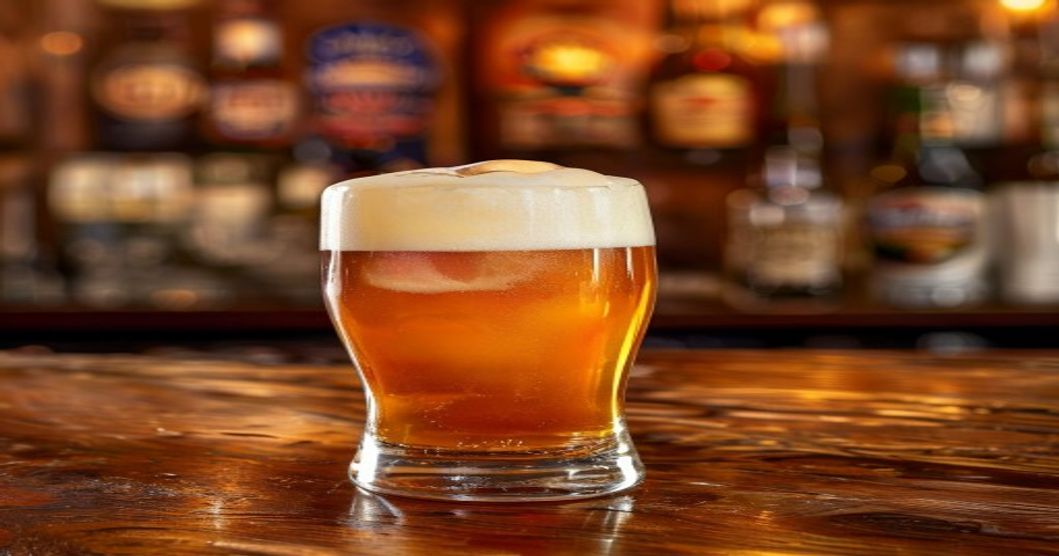
Bottle condition to about 2.2–2.4 volumes of CO₂ for a gentle, creamy head—crucial to the style’s appeal. On tap, ensure your draft system delivers cream ale around 50–55°F. A properly carbonated cream ale should pour with a thick, lasting head that looks inviting and feels luxurious on the palate.

Why Brew It Now?
Cream ale rewards technical discipline without demanding complexity. It teaches you about temperature control, adjunct usage, and hybrid fermentation. It’s also the perfect gateway beer to share with friends who claim they “don’t really like beer.” Whether you’re interested in sustainable brewing practices or simply want to master a classic American style, cream ale deserves your attention.
The next time someone dismisses cream ale as unsophisticated, smile and hand them a properly brewed pint. They’ll understand why this forgotten classic is making a well-deserved comeback.