Why Gose Matters in 2026
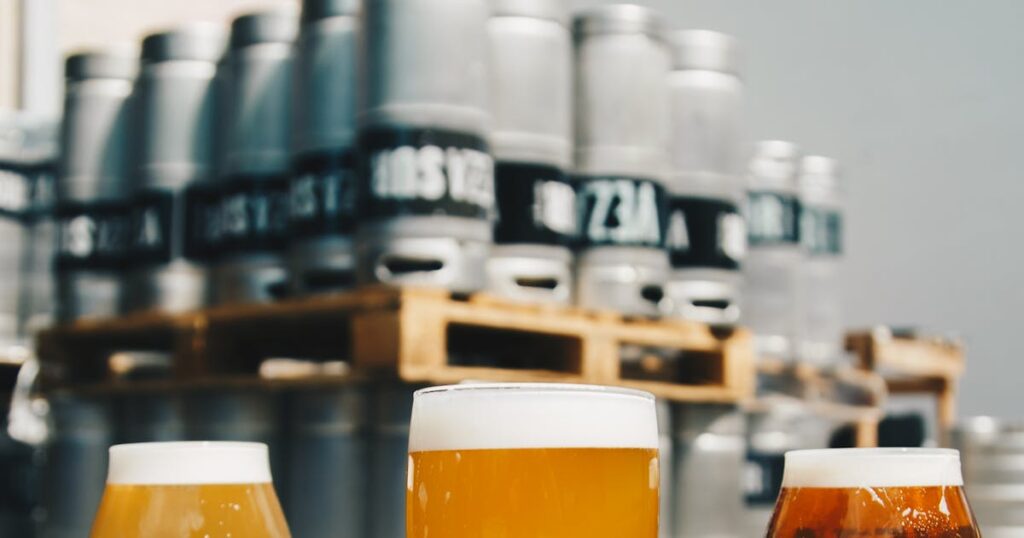
Gose—pronounced “GER-zuh”—is having a moment. After centuries of near-obscurity, this ancient German wheat beer style is experiencing a genuine renaissance among British homebrewers. And for good reason. Unlike the heavily-hopped IPAs that dominated the last decade, Gose brings something different to the table: a delicate balance of salty, sour, and herbal notes that feel both traditional and wildly modern.
What makes Gose special is its complexity. A properly brewed Gose doesn’t hit you with aggressive bitterness or obscure adjuncts. Instead, it offers a subtle tartness from lactic acid fermentation, a whisper of salinity that enhances the wheat’s natural grain character, and a background warmth from coriander. It’s the kind of beer that rewards careful attention and rewards the brewer with something genuinely drinkable.

Understanding the Gose Style
Gose originated in Goslar, Germany, sometime in the 15th century. It faded almost to extinction in the 20th century, surviving mainly in Leipzig, where local breweries kept the tradition alive. But in the past decade, craft brewers worldwide rediscovered it—and homebrewers took notice.
The BJCP (Beer Judge Certification Program) classifies Gose as a 4.2–5.4% ABV wheat beer with low bitterness (5–10 IBUs) and a distinctly sour character. The tartness comes from lactic acid, which you introduce through kettle souring or spontaneous fermentation. Sea salt is the secret weapon: just a pinch (0.5–1.0 grams per litre / 0.2–0.4 oz per gallon), it amplifies the saltiness your palate perceives without making the beer taste like the ocean.
The style sits at the intersection of tradition and innovation. You can brew a historically authentic Gose—pale malts, wheat, Hallertau hops, a touch of coriander—or go wild with fruit additions, different spice blends, or even smoked malts. The core formula is flexible, which is part of why it’s gaining traction among British home brewers looking to escape the IPA arms race.
Ingredients & Equipment
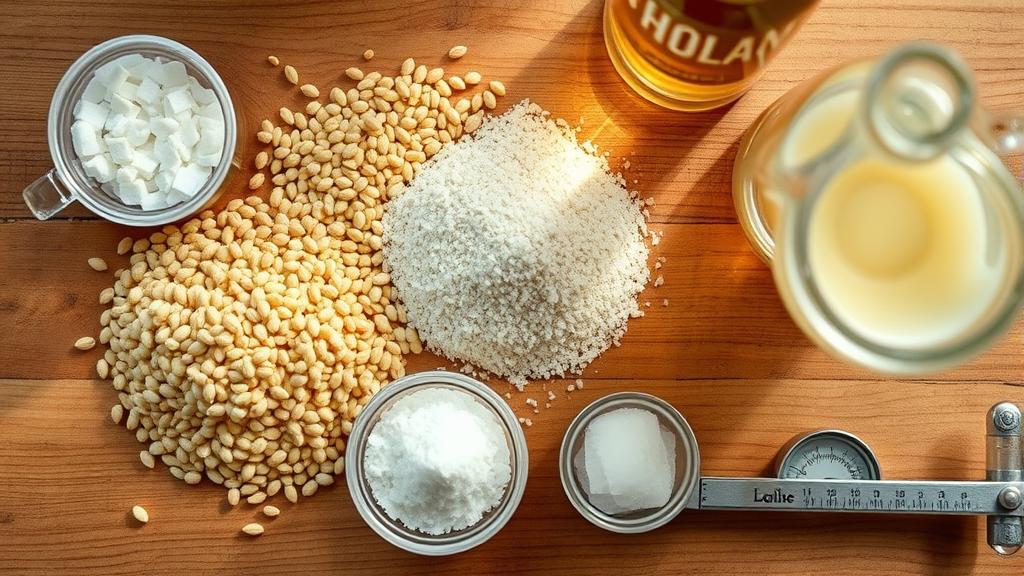
For a 20-litre (5.3 gallon) batch:
- Malt: 2 kg (4.4 lbs) pale ale malt, 1.5 kg (3.3 lbs) wheat malt
- Hops: 20 g (0.7 oz) Hallertau or Tettnang at 60 minutes (bittering)
- Spice: 10 g (0.35 oz) coriander seeds (crushed), added at 15 minutes
- Salt: 10 g (0.35 oz) sea salt (fine crystals), added at 15 minutes
- Yeast: Saccharomyces cerevisiae (ale yeast like SafAle S-33 or WLP001) for standard fermentation OR Lactobacillus for kettle souring
- Water: 30 litres (7.9 gallons) for mash + sparge
Equipment notes: If you’re doing a kettle sour (which I recommend for beginners), you’ll need a way to hold your wort at 48–52°C (118–125°F) for 24–48 hours. A simple approach is wrapping your kettle in a blanket or using an insulated cooler. For the Lactobacillus culture, The Malt Miller stocks Wyeast Lactobacillus or you can use a commercial souring culture. An airlock and carboy are essential for the main fermentation.
The Kettle Sour Method: Step-by-Step
The kettle sour approach is the most accessible for homebrewers and gives excellent results. Here’s how I do it:
- Mash (66–68°C / 150–154°F for 60 minutes): Mix your pale and wheat malts with strike water. Aim for a thick mash (about 2.5 litres per kg / 1.25 quarts per lb). Hold steady—temperature swings will soften the mash and reduce enzyme efficiency.
- Sparge and collect wort: Run off at 75°C (167°F) until you’ve collected your full volume (approximately 30 litres / 8 gallons pre-boil to account for evaporation).
- Boil briefly (10 minutes): This is critical. Bring the wort to a rolling boil, then turn off the heat immediately. You’re not doing a traditional 60-minute boil here—just enough heat to sterilise.
- Cool to 48–52°C (118–125°F): Use an immersion chiller or let it cool naturally. Once you hit the target temperature, you’re ready for the sour.
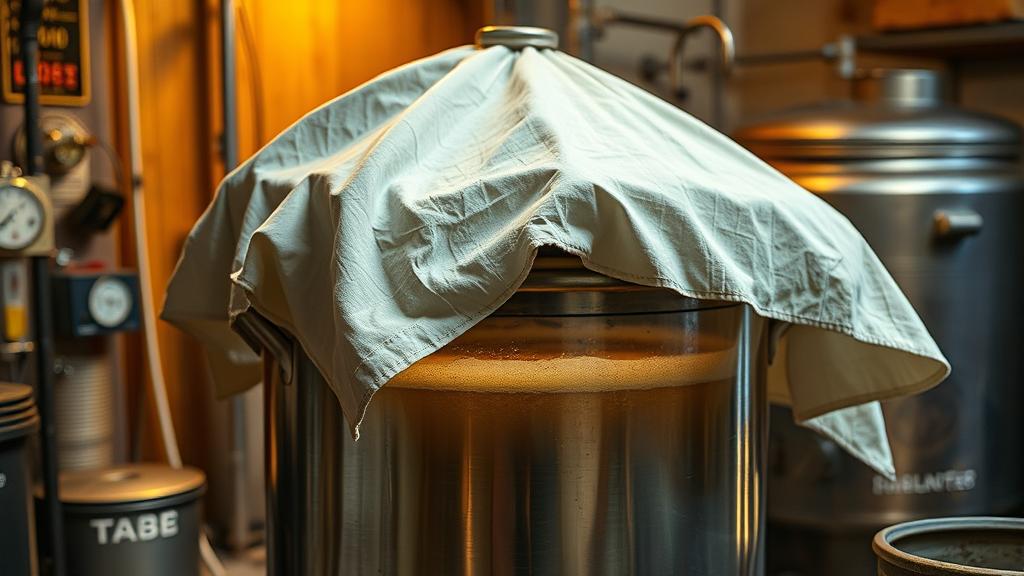
- Pitch Lactobacillus and rest for 24–48 hours: Add your Lactobacillus culture, stir well, and cover your kettle with a clean cloth or loose lid (you want airflow, not contamination). The bacteria will slowly lower the pH, creating that signature tartness. You’ll see some activity—tiny bubbles, a thin krausen layer—which is normal. Taste daily after 24 hours. When the pH drops to around 3.2–3.4, or when it tastes pleasantly tart (not vinegary), you’re done.
- Boil again (60 minutes with additions): Once the sour rest is complete, bring the wort back to a boil. This kills the Lactobacillus and halts the souring. Add your bittering hops at the start of the boil (20 g Hallertau, 20 IBUs). At 15 minutes remaining, add the crushed coriander seeds and sea salt. These additions are critical—coriander gives the herbal note, salt enhances the overall perception of tartness and complexity.
- Cool and pitch ale yeast: Cool to 18–20°C (64–68°F), transfer to your carboy, and pitch your ale yeast. Ferment at a steady temperature for 10–14 days.
Fermentation & Conditioning
Once ale yeast takes over, Gose ferments like any standard ale. You want cool, stable conditions—aim for 18–20°C (64–68°F) if possible. The yeast will complete fermentation in 10–14 days, depending on temperature and pitch rate.
Don’t rush this phase. Rushing fermentation can leave the beer too sweet or create unwanted esters. Let it finish cleanly. After fermentation slows (gravity is stable for 3 days), you have options:
- Bottle immediately: Gose is low in alcohol and acid-stable, so it bottles well. Prime with 2.0–2.5 volumes of CO₂ and bottle as usual. It’s drinkable within a week but improves over 2–4 weeks as carbonation integrates.
- Dry-hop (optional): A light dry-hop—10–15 g of a noble hop like Tettnang or Hallertau—can add subtle floral notes without overpowering the delicate balance. Add for 3–5 days mid-fermentation if you want this.
- Age before serving: Gose is a fresh beer and best consumed within 2–3 months. Unlike hoppy beers or high-alcohol styles, it doesn’t improve dramatically with age.
Conditioning takes 2–3 weeks in the bottle. The tartness will mellow slightly, and carbonation will integrate, creating a silky, sophisticated mouthfeel. If you’re kegging, force-carbonate to 2.5–3.0 volumes and serve at 10–12°C (50–54°F).
Tasting Notes & My Honest Review
I’ve brewed Gose three times now, and I’m a convert. My most recent batch—a classic Hallertau-and-coriander version—came out at 4.5% ABV with a final gravity of 1.004. Here’s what it tastes like:
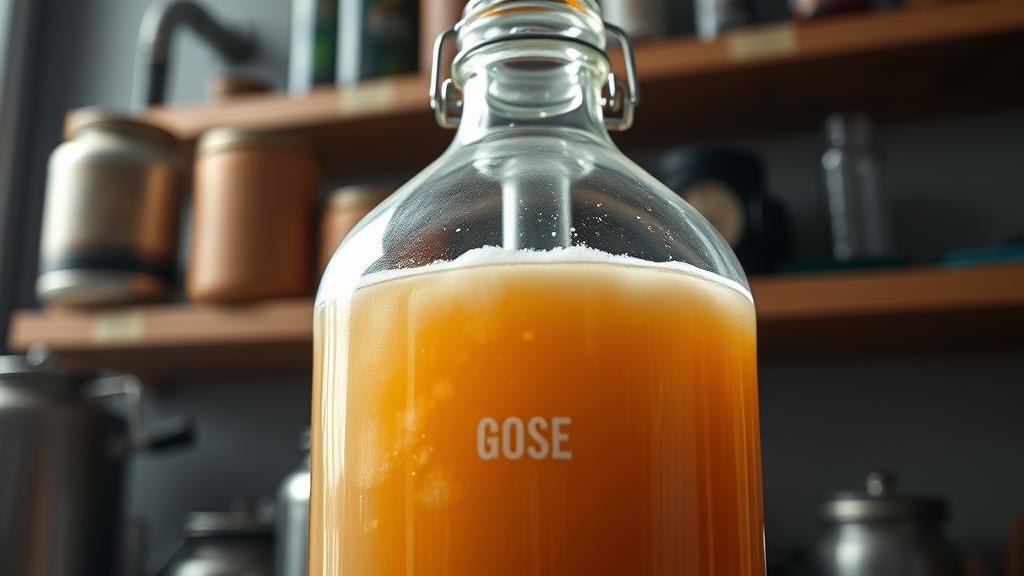
Appearance: Pale golden, cloudy. The haze comes from wheat protein and yeast, not a flaw.
Aroma: Subtle grain sweetness (the wheat), a hint of citrus (the Hallertau), and a faint peppery warmth from the coriander. Not aggressive.
Flavour: The salt hits first—not a salty punch, but a subtle mineral quality that makes your mouth water. Then comes the tartness, gentle and clean, like a squeeze of lemon. The coriander emerges mid-palate, adding spice without heat. Finish is dry, slightly tart, incredibly refreshing.
Mouthfeel: Light, crisp, silky from the wheat protein. No astringency, no harshness.
This is a beer I can drink on a warm afternoon without fatigue. It pairs brilliantly with seafood, light cheeses, and fresh salads. For a British homebrewer used to hoppy ales, it’s a revelation—proof that restraint and balance can be more rewarding than complexity.
Pro Tips & Common Mistakes
Salt levels: Less is more. Over-salt and your beer tastes like a pretzel. Under-salt and you miss the enhancement. Start with 10 g per 20 L and adjust next time based on your results.
Souring temperature: Lactobacillus is fussy about temperature. Anything below 45°C (113°F) and it slows dramatically; above 55°C (131°F) and it struggles. Keep your kettle wrapped and stable.
Coriander seed quality: Fresh coriander seeds (less than a year old) are essential. Old seeds taste dusty and musty. Buy from a spice supplier, not the back of the supermarket shelf.
Contamination concerns: The combination of lactic acid and salt creates an environment hostile to most pathogens, but sanitation still matters. Use clean equipment and cover your kettle with a cloth during the sour rest to prevent wild yeast infection.
Carbonation level: Gose should be moderately carbonated (2.0–2.5 volumes CO₂), not flat like a cask bitter. Under-carbonated, it tastes flat and one-dimensional. Over-carbonated, it becomes harsh.
Fruit & Spice Variations

Once you’ve nailed the classic recipe, Gose becomes a playground. Try these next:
- Raspberry Gose: Add 500 g (1.1 lbs) of pureed raspberry at bottling or in the keg. It rounds the tartness and adds natural acidity.
- Cucumber-Dill Gose: A quirky one that works better than it sounds. Add 200 g (7 oz) of cucumber juice and 5 g (0.2 oz) of fresh dill at the end of the boil.
- Gose with different spices: Swap coriander for caraway seeds, or add a touch of black pepper for heat. Keep additions subtle—Gose is about balance.
- Herbal/Botanical Gose: Inspired by herbal brewing traditions, try adding chamomile, yarrow, or even sage in small amounts (2–5 g).
The key is understanding that Gose’s delicate structure is both its strength and its weakness. Bold additions can obliterate the balance. Restrain yourself. A touch of fruit is better than a dump-truck load.
Conclusion: Why Gose Deserves Your Next Batch
Gose represents something important for homebrewing in 2026: a return to craftsmanship over spectacle. It’s not the loudest beer in the glass, but it rewards careful attention and clean technique. You’ll improve your process, learn lactic acid fermentation, and end up with something genuinely original.
It’s also a beer with history. Every time you brew Gose, you’re participating in a tradition that stretches back five centuries—even if you’re doing it in your garage in Manchester or your kitchen in Edinburgh.
So grab your kettle. Source your Lactobacillus. Pick up some sea salt. And try a Gose. Your palate will thank you.
🍺 Join the Brotherhood — Monthly brews, stories & monk wisdom
Subscribe for exclusive recipes, early brew logs, and behind-the-scenes updates straight to your inbox.