Why Modern Pumpkin Beer Matters in 2026
For decades, homebrewers and craft drinkers have associated pumpkin beer with one thing: a straightforward amber ale spiked with cinnamon, nutmeg, and clove. The classic “pumpkin pie in a glass” formula has its place, sure, but autumn 2026 has revealed something far more interesting. Brewers are now treating pumpkin as a blank canvas — not a flavour prison.
This year’s crop of pumpkin beers spans an astonishing range. We’re seeing rich pumpkin stouts with coffee and chocolate depth, habanero-spiked variants that bring heat and complexity, rooibos-infused sours that dance between tart and spiced, and even vanilla-forward experimental hybrids. The evolution mirrors what’s happened across modern homebrewing: after years of extreme adjuncts and maximalist recipes, brewers are rediscovering sophistication, balance, and terroir.
If you’re planning your autumn brewday, this is the moment to move beyond the classic recipe. Let me walk you through five game-changing variations that prove pumpkin beer’s real story is just beginning.

The Classic Foundation: When to Stay Traditional
Before we venture into uncharted territory, let’s respect the original. The classic pumpkin ale — typically a medium amber (5–6% ABV) brewed with pumpkin puree and autumn spices — remains the gold standard for a reason. It’s drinkable. It pairs with food. It doesn’t overshadow a dinner table conversation with its boldness.
Brewing the classic well requires restraint. Many homebrewers ruin pumpkin beer by treating it like a spice rack explosion: too much cinnamon, too much nutmeg, too much allspice. The secret is proportion. For a 5-gallon (23-litre) batch, I use 8 pounds (3.6 kg) of pumpkin puree, added post-boil to preserve delicate flavours. For spice, I steep 1 tablespoon (15 ml) of whole cinnamon stick, ½ teaspoon (2.5 ml) of whole nutmeg, ¼ teaspoon (1.25 ml) of whole cloves, and just a pinch of coriander in hot water during the mash rest — not the boil. This approach yields complexity without harshness.
Temperature control is crucial here. Pumpkin beer benefits from ale fermentation temperatures (18–20°C / 65–68°F) and a neutral yeast like US-05 or Nottingham. The cooler end of the range (around 18°C / 64°F) preserves the delicate spice notes and prevents fusel alcohol from masking the subtle pumpkin sweetness.
Modern Evolution #1: Pumpkin Coffee Stout

This is where pumpkin beer gets serious. A pumpkin coffee stout (7–8% ABV) combines the roasted depth of a coffee-forward imperial stout with the dessert sweetness of pumpkin and a whisper of warming spice.
The base is a robust stout: pale ale malt as your foundation, supplemented with chocolate malt (5–8%), black patent (2–3%), and a touch of roasted barley for that dry coffee finish. The bitterness (40–50 IBU) should be enough to frame the rich malts without becoming sharp. Use a noble hop like Hallertau or East Kent Golding for just 15–20 IBU in the 60-minute boil.
Add 6 pounds (2.7 kg) of pumpkin puree post-boil, as before. For coffee, I recommend cold-steeping: grind 4–6 ounces (115–170 g) of medium-roast single-origin coffee (Ethiopian Yirgacheffe or Colombian Huila work brilliantly), cold-steep in 1 litre of water for 12 hours, then add the concentrate to the fermentor during the secondary. This approach preserves the coffee’s nuance without boiling off aromatic oils. You can always add more; you can’t take it out.
Fermentation: Use a robust yeast like WLP001 California Ale or Imperial A01 — something that can handle the higher gravity without producing excessive esters. Aim for 19°C (66°F). This slow, cool ferment will create a smooth, rounded base that plays beautifully with the coffee and pumpkin.
Modern Evolution #2: Habanero Pumpkin Ale — Heat Meets Spice
If you want to shock your palate (in a good way), this is it. The habanero pumpkin ale (6–7% ABV) builds on the classic foundation but adds a layer of heat and fruity complexity that lingers long after the swallow.
Start with a simple 2-row pale ale base: 70% pale malt, 20% caramel 40L, 10% Munich malt for body. Brew as a standard ale; aim for 25–35 IBU from a 60-minute Cascaded or Fuggles addition. Keep it simple — you want the pumpkin and pepper to be the star.
After primary fermentation (10–12 days), transfer to a secondary and add your heat. Dice 2–3 fresh habanero peppers (depending on size and tolerance), remove seeds if you prefer a gentler burn, and add them to the secondary. Taste daily after day 3; the habanero will integrate quickly. Pull the peppers when the heat has reached your preferred level — usually 5–7 days. Yes, the peppers will give a slightly muddier colour (more brown-orange than true amber), but the flavour payoff is extraordinary.
The spice blend here is restrained: just ½ teaspoon (2.5 ml) of cinnamon stick, a pinch of nutmeg. The habanero’s natural fruity heat (apricot, peach) will do much of the heavy lifting. Pair this with smoked meats or spicy autumn stews.
Advanced Techniques: Ingredient Selection & Control
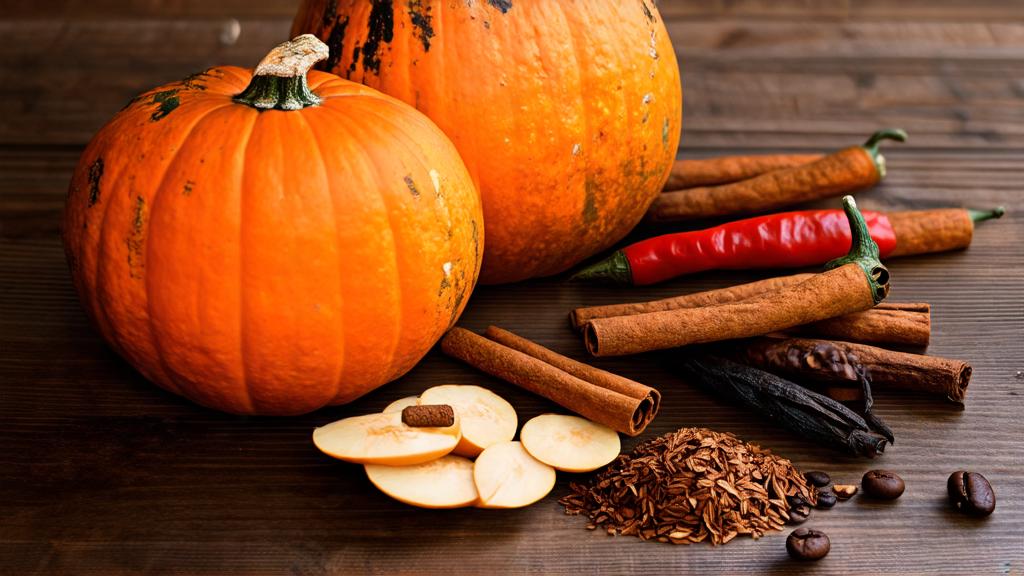
The difference between an amateur pumpkin beer and a masterpiece often comes down to ingredient sourcing and addition timing.
Pumpkin Puree vs. Fresh: Many brewers assume they need fresh pumpkin. In reality, canned pumpkin puree (unsweetened!) is often superior for consistency and flavour. Fresh pumpkins vary wildly in sugar content and fibre. If you do use fresh, roast at 190°C (375°F) for 45 minutes to concentrate sugars and deepen flavour, then scoop and puree. Add post-boil to preserve subtlety.
Spice Addition Timing: This is crucial. Adding spices during the 60-minute boil extracts tannins and can create harshness. Instead, stir whole spices into hot (but post-boil) wort at 70°C (158°F) for 15 minutes, then strain them out. This allows gentle extraction without bitterness. For more delicate spices like vanilla or rooibos, wait for the secondary fermentation — they’re more aromatic than flavouring.
Water Chemistry: Pumpkin beer benefits from slightly elevated mineral content. Target a Maris Otter profile (soft but with a touch of calcium). This helps the spices integrate and prevents the beer from tasting thin or one-dimensional.
Fermentation Strategy & Conditioning

Pumpkin beers demand patience. They’re not like a simple IPA that’s ready in three weeks. The spices, pumpkin, and any adjuncts need time to marry and develop complexity.
After primary fermentation (12–14 days for most yeast strains), let the beer rest in secondary for a full month if you can. This extended conditioning allows harsh spice edges to round, the pumpkin sweetness to integrate with the malt profile, and any off-flavours to drop out. It’s worth the wait.
Bottle conditioning is recommended. Prime with 2.3 volumes of CO₂ (slightly lower than standard) and bottle in 750 ml champagne bottles or 500 ml swing-tops. This allows the beer to develop gracefully in the bottle and mirrors the way many European autumn ales are conditioned. Wait 3–4 weeks before opening; the first bottle two weeks after bottling will taste thin and disjointed. By week 4, the magic happens.
Pro Tips & Common Mistakes
After brewing dozens of pumpkin variations, I’ve learned hard lessons. Here’s what actually matters:
Mistake #1: Over-spicing. The second-most common error (after using extract) is treating pumpkin beer like you’re brewing in a Starbucks. Resist. Your instinct to add “just a bit more cinnamon” is probably wrong. Write down your recipe, stick to it, taste objectively, and only adjust in the next batch.
Mistake #2: Rushing the process. Pumpkin beer that’s been in the secondary for only two weeks and bottled for one week will taste sharp, disjointed, and disappointing. The spices will be harsh. Give it time.
Mistake #3: Using pre-ground spices. Whole spices, toasted lightly, then steeped or added post-boil, taste 100% better than anything ground three months ago. Spend the extra quid at the spice merchant.
Tip #1: Build a flavor progression. If you’re planning a flight of pumpkin variations, brew them in a sequence: classic first, then stout, then spiced variants. This lets you dial in process control and reuse yeast generations for consistency.
Tip #2: Match ABV to style. Higher gravity (7–8%) suits coffee, chocolate, and heat additions. Lower gravity (4.5–5.5%) suits the classic and more delicate botanical variations. It’s not an absolute rule, but it generally reflects what balances well.
Tasting Notes & Pairing
Modern pumpkin beers deserve food. Here’s how I think about pairing:
Classic Spiced Amber: Roasted vegetables, pumpkin pie (obviously), pecan pie, mild blue cheese, sharp cheddar. The beer’s mild acidity cuts through fat beautifully.
Coffee Stout: Smoked meats, dark chocolate, espresso tiramisu, beef stew with root vegetables. The coffee adds a savoury, almost tobacco-like note that makes it feel less dessert-like than the classic.
Habanero Variant: Spiced chicken, pulled pork with hot sauce, enchiladas with a mole sauce, Thai curry, even a good hot salsa. The heat compounds with the beer’s warmth in surprisingly pleasant ways.
All of these reflect something important: pumpkin beer has matured beyond the dessert category. It’s a genuine autumn ale now, capable of holding its own at a dinner table.
Final Thoughts: The Future of Pumpkin Beer
Pumpkin beer’s evolution mirrors homebrewing itself. We’ve moved past “bigger is better” and “more adjuncts is innovation.” Instead, we’re asking: How can I use this ingredient thoughtfully? What flavours are hiding underneath the obvious? How does balance create complexity?
If you brew only one pumpkin beer this season, make it something you’ve never tried before. Try the coffee stout. Or the habanero. Or blend in a wild botanical like yarrow or nettle. Pumpkin beer in 2026 is no longer defined by what it was — it’s defined by what you decide to make it.
The season is short. Your brewing space won’t stay at 18°C forever. Brew now, condition patiently, and reward yourself in November with a beer that tastes like autumn craftsmanship, not pumpkin pie nostalgia.
🍺 Join the Brotherhood — Monthly brews, stories & monk wisdom
Subscribe for exclusive recipes, early brew logs, and behind-the-scenes updates straight to your inbox.