For over a decade, the UK craft beer scene felt unstoppable. New breweries seemed to open weekly, taprooms popped up in every industrial estate, and supermarket shelves overflowed with hazy IPAs, pastry stouts, and mango-infused everything. But the latest data from CAMRA and SIBA tells a different story: a net loss of 137 breweries in the past year. So what’s really happening? Is the UK craft beer boom over, or is the industry simply growing up?
The Headline Number: 137 Breweries Gone
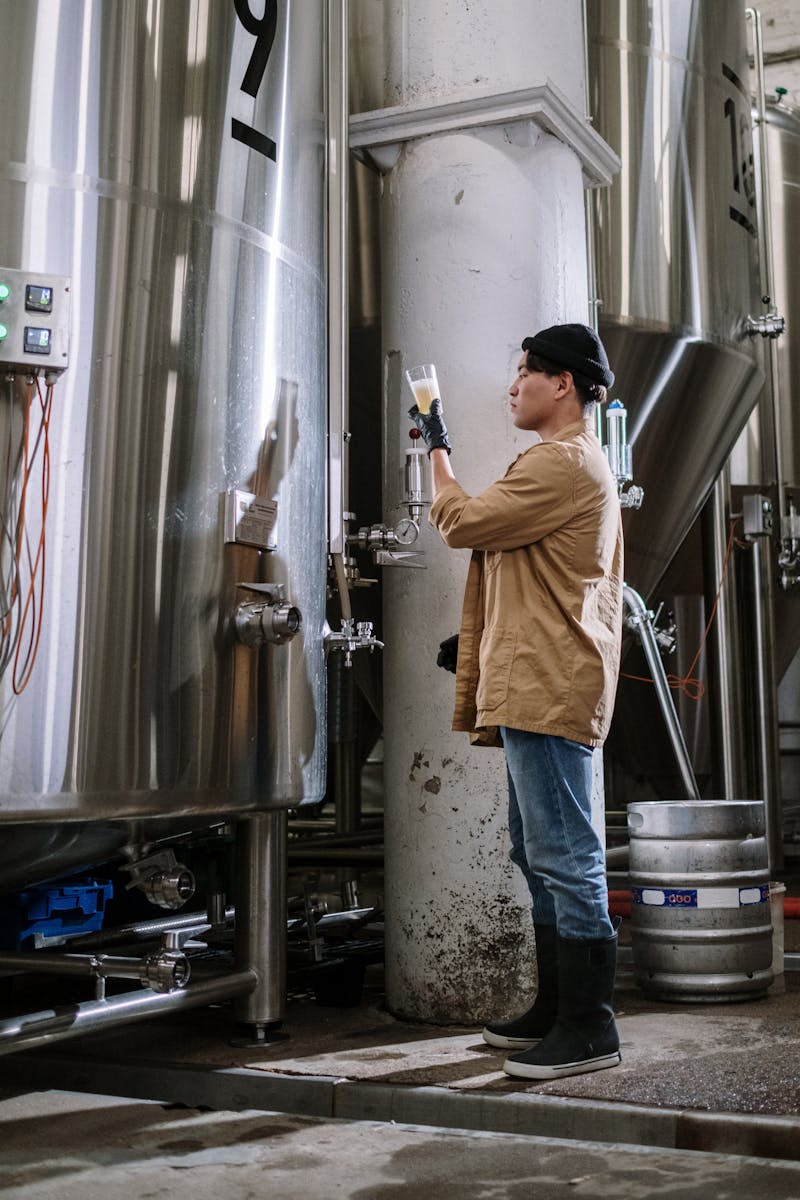
According to the Campaign for Real Ale (CAMRA) and the Society of Independent Brewers and Associates (SIBA), the UK saw a net loss of 137 breweries over the past year. This isn’t just a slowdown—it’s a contraction. New breweries are still opening, but closures are now outpacing openings. For years, the UK craft beer market grew almost continuously, even during difficult economic periods. Now we’re seeing a reversal—not a collapse, but a correction.
Why Are UK Breweries Closing?
There isn’t one single villain here. It’s a perfect storm of factors hitting the industry simultaneously:
1. Energy Costs
Brewing is energy intensive—heating, cooling, refrigeration, and cleaning all consume significant power. When energy prices spike, margins evaporate. Smaller breweries feel this immediately, with some reporting energy bills doubling or tripling.
2. Ingredient Inflation
Hops, malt, and aluminium for cans have all increased in price. Imported hops from the US, New Zealand, and Australia have been particularly volatile. Breweries that built their recipes around high hop loads now face serious cost pressure.
3. Supermarket Squeeze
Getting into supermarkets was once the golden ticket for growth. Now it’s brutal. Margins are tight, volume expectations are high, and promotions eat into profits. Some breweries expanded too quickly chasing retail contracts that became unsustainable.
4. Post-Pandemic Reality
During lockdowns, direct-to-consumer online sales exploded. Many breweries invested heavily in that infrastructure. When pubs reopened and consumer behaviour shifted again, some of that demand didn’t stick.
5. Over-Expansion During the Boom
Let’s be honest—some breweries grew too fast. New tanks, new sites, debt finance, hype releases every week. When the easy growth slowed, the financial model stopped working.
Is Craft Beer Demand Falling?
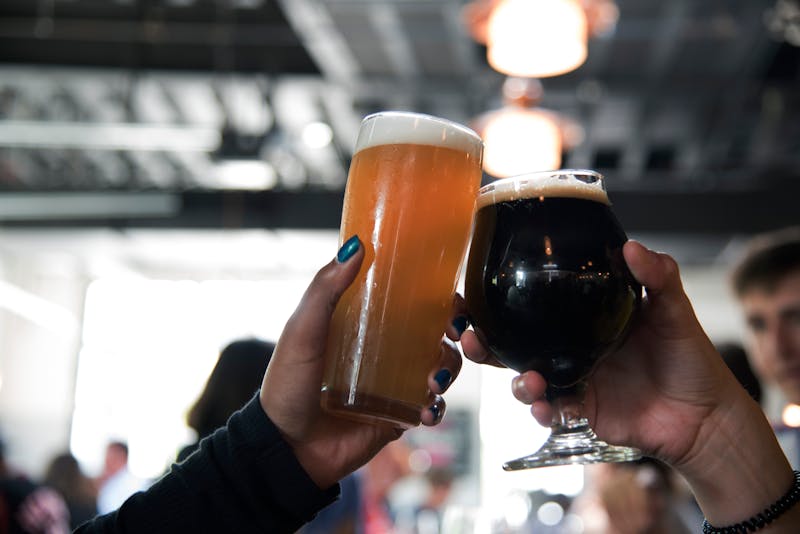
Here’s where nuance matters. Overall alcohol consumption in the UK has been shifting for years. Younger drinkers are drinking less, premiumisation is rising, alcohol-free options are expanding, and consumers are more selective. Craft beer hasn’t disappeared, but blind loyalty has. Drinkers aren’t buying four-packs every weekend just because it’s hazy anymore. Quality matters more, price sensitivity is higher, and value is scrutinised. The hype cycle has cooled.
Have We Reached Peak IPA?
The IPA boom drove enormous growth in the craft beer sector. But supermarket shelves now look saturated. Every retailer has:
- A hazy IPA
- A session IPA
- A double IPA
- A West Coast IPA
Differentiation is harder. Breweries that relied on constant hype drops are finding it tougher to maintain momentum. This doesn’t mean IPAs are dead—it means the gold rush phase has ended.
What Happens Next?
Here’s the likely direction over the next few years:
- Fewer, stronger independent breweries: The strongest will survive through quality and community
- More focus on taprooms and local loyalty: Direct sales and local support become crucial
- Less reckless expansion: Sustainable growth replaces rapid scaling
- Better financial discipline: Profitability becomes as important as creativity
- Higher quality expectations: Consumers demand excellence, not just novelty
Final Verdict: Growing Up, Not Dying
The UK craft beer boom isn’t collapsing—it’s growing up. The era of “open a brewery and it will fly” has ended. Now it requires discipline, differentiation, and real demand. The 137 net loss figure from CAMRA and SIBA is significant, but it doesn’t signal extinction. It signals evolution.
The breweries that adapt—focusing on quality, community, and sustainable business practices—will still be here in five years. They’ll be the ones we celebrate in The Taproom, the ones whose stories we share in our blog, and the ones that continue to make UK brewing something special.
What do you think about the state of UK craft beer? Are you seeing these changes in your local scene? Share your thoughts in The Taproom or get in touch with your perspective.
Further reading: For more insights into the brewing industry, check out the Brewers Association and CAMRA for ongoing industry analysis.