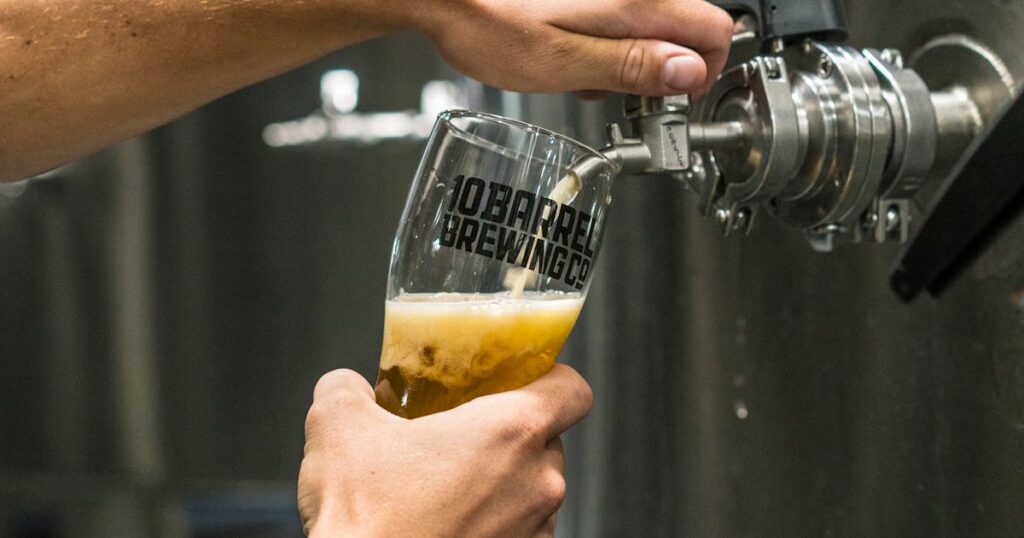
The Rise of Low-ABV Brewing: A Health-Conscious Revolution
The craft beer landscape is undergoing a significant transformation in 2026, with low-ABV (Alcohol By Volume) beers emerging as one of the fastest-growing segments. Driven by health-conscious consumers, changing drinking habits, and innovative brewing techniques, low-alcohol beers are shedding their “watered-down” reputation and becoming sophisticated, flavourful options in their own right.

Modern low-ABV beers (typically under 3.5% ABV) are achieving remarkable complexity through advanced brewing methods like cold-contact hopping, specialised yeast strains, and precise fermentation control. According to SIBA (the Society of Independent Brewers), the low-and-no category has seen double-digit growth year on year since 2023. Brewers are focusing on mouthfeel, aroma, and flavour balance rather than simply reducing alcohol content.
If you’re curious about the techniques behind great session beers, we’ve covered this in depth in our guide to low-ABV brewing mastery.
Beyond Europe: The Global Ingredient Revolution
Perhaps the most exciting development in contemporary brewing is the move away from traditional Eurocentric ingredients. While classic European hops and malts will always have their place, forward-thinking brewers are exploring ingredients from Asia, Africa, and South America to create truly unique flavour profiles.
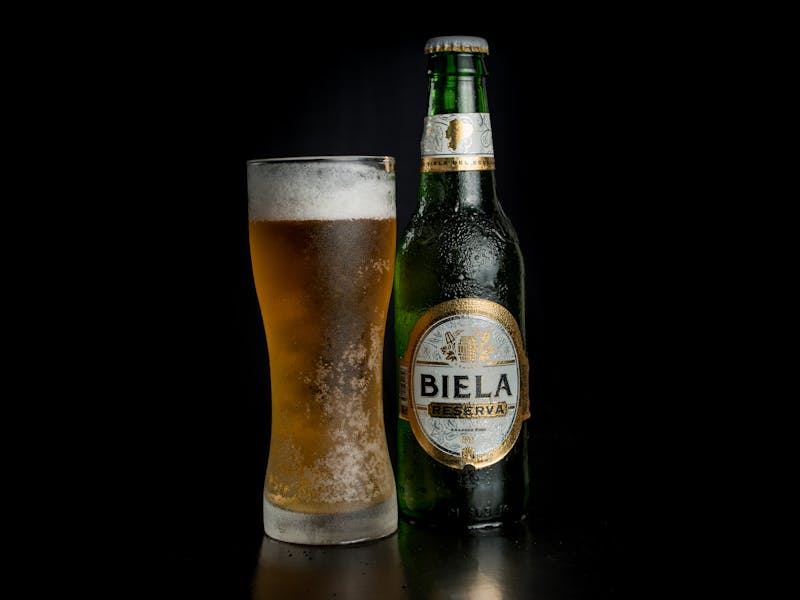
Innovative Ingredients Making Waves
- African Grains: Sorghum, millet, and teff are being used to create gluten-free beers with distinctive earthy notes
- Asian Botanicals: Yuzu, lemongrass, kaffir lime, and Szechuan peppercorns add citrusy, spicy complexity
- South American Superfoods: Açaí, camu camu, and maca root contribute antioxidant properties and unique flavours
- Alternative Sweeteners: Coconut sugar, date syrup, and maple syrup offer nuanced sweetness without overpowering
Suppliers like The Malt Miller and Geterbrewed now stock many of these speciality ingredients, making them accessible to UK homebrewers without having to hunt through specialist importers.
Brewing Techniques for the Modern Era
Creating successful low-ABV beers with exotic ingredients requires specialised techniques:
- Cold-Steep Mashing: Extracting maximum flavour from grains while minimising tannin extraction
- Hop Stands and Whirlpool Additions: Maximising aroma without excessive bitterness — the BJCP Style Guidelines are a great reference for balancing hop profiles
- Kveik Yeast Strains: Norwegian farmhouse yeasts that work well at higher temperatures and produce complex esters — HomeBrewTalk has some brilliant threads on getting the best out of Kveik
- Post-Fermentation Additions: Adding delicate ingredients after primary fermentation to preserve volatile aromas
For a deeper dive into fermentation science and how it connects to flavour, our article on functional fermentation covers some fascinating ground.
The Sustainability Angle
There’s a sustainability story here too. Many of these global ingredients — sorghum, millet, teff — require significantly less water than barley to grow. As climate change puts pressure on traditional barley-growing regions, these alternative grains aren’t just interesting flavour choices; they’re potentially the future of resilient brewing. CAMRA has been increasingly vocal about sustainability in British brewing, and the shift toward diverse grain bills aligns perfectly with that agenda.
The Future of Craft Brewing
The convergence of low-ABV trends and global ingredient exploration represents a maturation of the craft beer movement. Brewers are no longer just replicating classic styles but creating entirely new categories that reflect our interconnected world and evolving consumer preferences.
For homebrewers, this presents exciting opportunities to experiment with unfamiliar ingredients and techniques. The barrier to entry has never been lower, with online suppliers offering everything from Thai basil to Ethiopian coffee beans specifically for brewing.
As we move through 2026, expect to see more sessionable, flavourful beers that tell stories of global exploration while respecting our desire for moderation and wellness. The future of brewing is diverse, inclusive, and delicious.
Ready to experiment? Start with a simple low-ABV pale ale recipe and substitute 20% of your base malt with an alternative grain like spelt or rye. Add a late addition of an exotic hop variety (look for Australian or New Zealand options from BrewUK) and consider a post-fermentation tea made with your chosen botanicals.
Got questions or want to share your own experiments with global ingredients? Head over to The Taproom and join the conversation. And for more brewing inspiration, check out our latest articles.