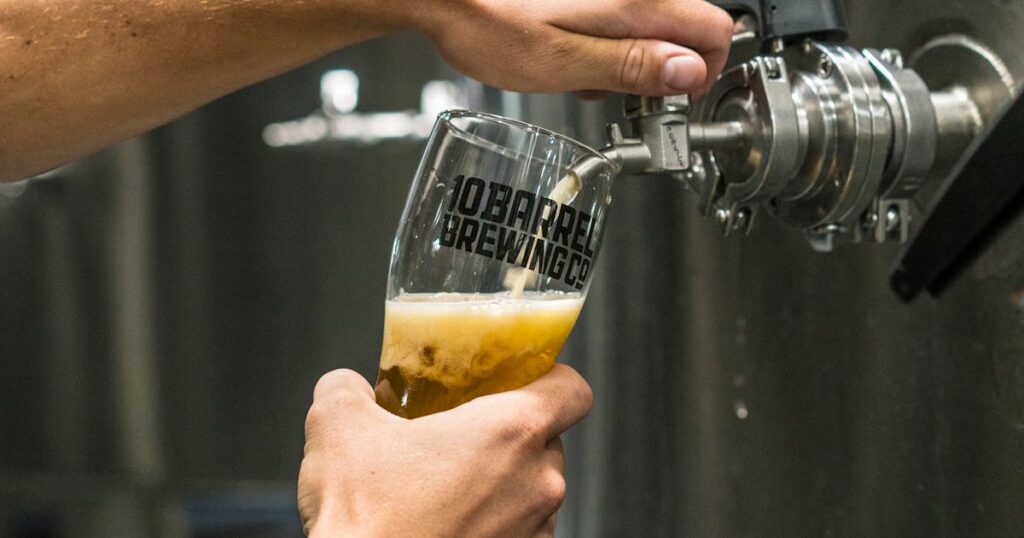
As we move into 2026, one of the most significant trends reshaping the brewing landscape is the rise of low-alcohol and alcohol-free beers. With nearly half of all Americans attempting to drink less this year, and similar trends emerging across the UK and Europe, homebrewers are increasingly exploring how to create flavourful, satisfying beers with lower alcohol content. Whether you’re looking to reduce your alcohol intake, brew for designated drivers, or simply enjoy more beer without the buzz, mastering low-ABV brewing techniques opens up exciting possibilities.
Why Low-ABV Brewing is More Than Just a Trend
The shift toward mindful drinking isn’t just a passing fad—it’s part of a broader cultural movement toward health-conscious consumption. According to industry analysts, low-ABV and alcohol-free segments are experiencing double-digit growth while traditional beer markets show only modest single-digit increases. For homebrewers, this presents both a challenge and an opportunity: how do we create beers that deliver on flavour and mouthfeel while significantly reducing alcohol content?
The answer lies in understanding the science behind fermentation and mastering specific techniques that professional brewers use to create exceptional low-alcohol beers. From grain bill adjustments to fermentation management, each step requires careful consideration to avoid the common pitfalls of thin body, lack of flavour, or excessive sweetness.
Essential Techniques for Low-ABV Success
1. Grain Bill Strategy: Less is More (But Smarter)
Traditional brewing wisdom suggests that more grain equals more flavour, but with low-ABV brewing, we need to think differently. The goal is to create a wort with a starting gravity of 1.020-1.030 (5-7.5°P) while maintaining sufficient body and flavour compounds.
Key approaches:
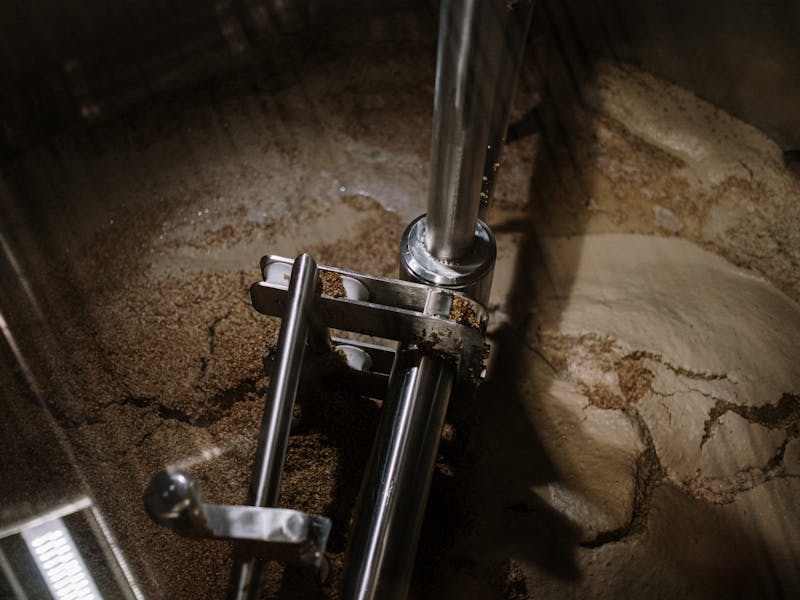
- High-temperature mashing: Mash at 72-82°C (162-180°F) to favour alpha-amylase activity, producing more dextrins (unfermentable sugars) that contribute to body without increasing alcohol
- Specialty grain selection: Incorporate small amounts of crystal malts, Munich malt, or wheat malt to enhance mouthfeel and flavour without significantly increasing fermentable sugars
- Adjuncts for body: Consider adding flaked oats, barley, or wheat (5-10% of the grain bill) to improve head retention and mouthfeel
2. Yeast Selection and Fermentation Management
Choosing the right yeast strain and managing fermentation conditions can make or break your low-ABV beer. Some yeasts are better suited to low-gravity worts, while others may struggle or produce off-flavours.
Recommended strategies:
- Low-attenuation yeasts: Consider English ale strains or Belgian varieties that naturally leave more residual sweetness
- Fermentation temperature: Control temperatures carefully—slightly cooler fermentation (16-18°C for ales) can help produce cleaner flavours
- Kveik consideration: While Kveik yeast is popular for its fast fermentation and high-temperature tolerance, it typically attenuates very highly, which may not be ideal for low-ABV beers unless you want an extremely dry finish
3. Hop Selection for Maximum Impact
With less malt character to balance, hops become even more important in low-ABV beers. The right hop selection can create the perception of body and complexity.
Hop strategies for low-ABV beers:
- Late addition hops: Focus on whirlpool and dry hopping to maximise aroma without excessive bitterness
- High-oil varieties: Choose hops with high oil content (like Citra, Mosaic, or Galaxy) for more intense flavour and aroma at lower usage rates
- Bitterness balance: Keep IBUs moderate (15-30) to avoid overwhelming the delicate malt character
Sample Low-ABV Homebrew Recipe: Session IPA (3.2% ABV)
Here’s a practical recipe to get you started with low-ABV brewing:
Batch Size: 19L (5 gallons)
Original Gravity: 1.032
Final Gravity: 1.008
ABV: 3.2%
IBU: 25
SRM: 5
Grain Bill:
- 2.5kg (5.5lb) Maris Otter Pale Malt
- 0.25kg (0.55lb) Munich Malt
- 0.15kg (0.33lb) Crystal 40L
- 0.1kg (0.22lb) Flaked Oats
Hops:
- 15g (0.5oz) Magnum @ 60 minutes (for bittering)
- 30g (1oz) Citra @ whirlpool (80°C/176°F for 20 minutes)
- 40g (1.4oz) Mosaic dry hop (3 days before packaging)
- 30g (1oz) Citra dry hop (3 days before packaging)
Yeast: London Ale III (Wyeast 1318) or similar English ale strain
Process:
- Mash at 72°C (162°F) for 60 minutes to create a more dextrinous wort
- Boil for 60 minutes, adding bittering hops at start of boil
- Cool to 80°C (176°F), add whirlpool hops, steep for 20 minutes
- Cool to 18°C (64°F), pitch yeast
- Ferment at 18-20°C (64-68°F) for 7 days
- Add dry hops for final 3 days of fermentation
- Package as usual
Common Challenges and Solutions
Problem: Thin mouthfeel
Solution: Increase mash temperature, add flaked adjuncts, consider lactose (for non-vegan beers) or maltodextrin
Problem: Lack of flavour
Solution: Use more flavourful base malts (like Munich or Vienna), increase late-hop additions, consider spice or fruit additions
Problem: Excessive sweetness
Solution: Lower mash temperature slightly, use more attenuative yeast, ensure proper fermentation temperature control
The Future of Low-ABV Homebrewing
As the low-ABV movement continues to grow, we’re seeing exciting innovations in ingredients and techniques. New yeast strains specifically bred for low-alcohol fermentation are becoming available, while hop breeders are developing varieties with even more intense aromas at lower usage rates. The rise of dedicated low-ABV brewing resources shows that this isn’t just a niche interest—it’s becoming a mainstream part of the brewing landscape.
For homebrewers, this represents an opportunity to be at the forefront of a brewing revolution. By mastering low-ABV techniques, you’re not just following a trend—you’re developing skills that will serve you well regardless of where the industry goes next.
Join the Conversation
Have you tried brewing low-ABV beers? What techniques have worked best for you? Share your experiences and recipes in The Taproom forum—we’d love to hear about your brewing journey and learn from your experiments.
For more brewing tips and techniques, check out our other articles in the Brewing Tips category, and don’t forget to explore our shop for brewing ingredients and equipment to help you on your low-ABV brewing adventure.
Remember: Great beer isn’t defined by alcohol content. With the right techniques and a bit of experimentation, you can create low-ABV beers that are every bit as satisfying as their full-strength counterparts. Happy brewing!