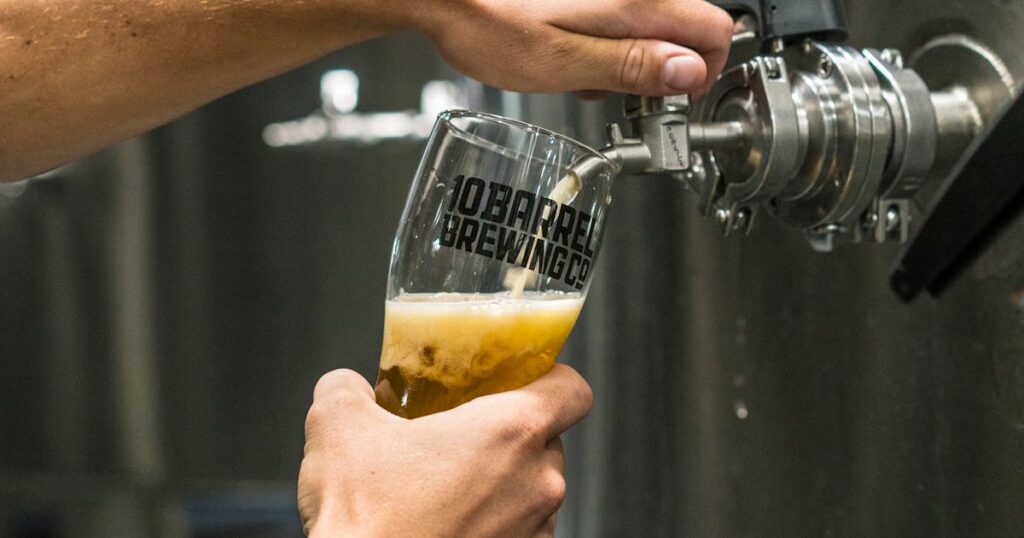
The Cask Ale Revolution: Why Homebrewers Are Embracing Real Ale in 2026
If you’ve been paying attention to the UK beer scene lately, you’ll have noticed something curious: cask ale is back. And it’s not just the old guard keeping it alive anymore. Younger drinkers are discovering the charm of a hand-pulled pint, and homebrewers are finally catching on to what craft breweries have known for years — cask conditioning creates something truly special.
The shift is real. According to recent market data, cask ale sales are growing at exceptional rates, with brands like St Austell’s Tribute seeing double-digit distribution gains. But here’s the exciting bit: you don’t need a commercial brewery to make cask ale. With the right techniques and a bit of patience, you can condition and serve restaurant-quality real ale from home.
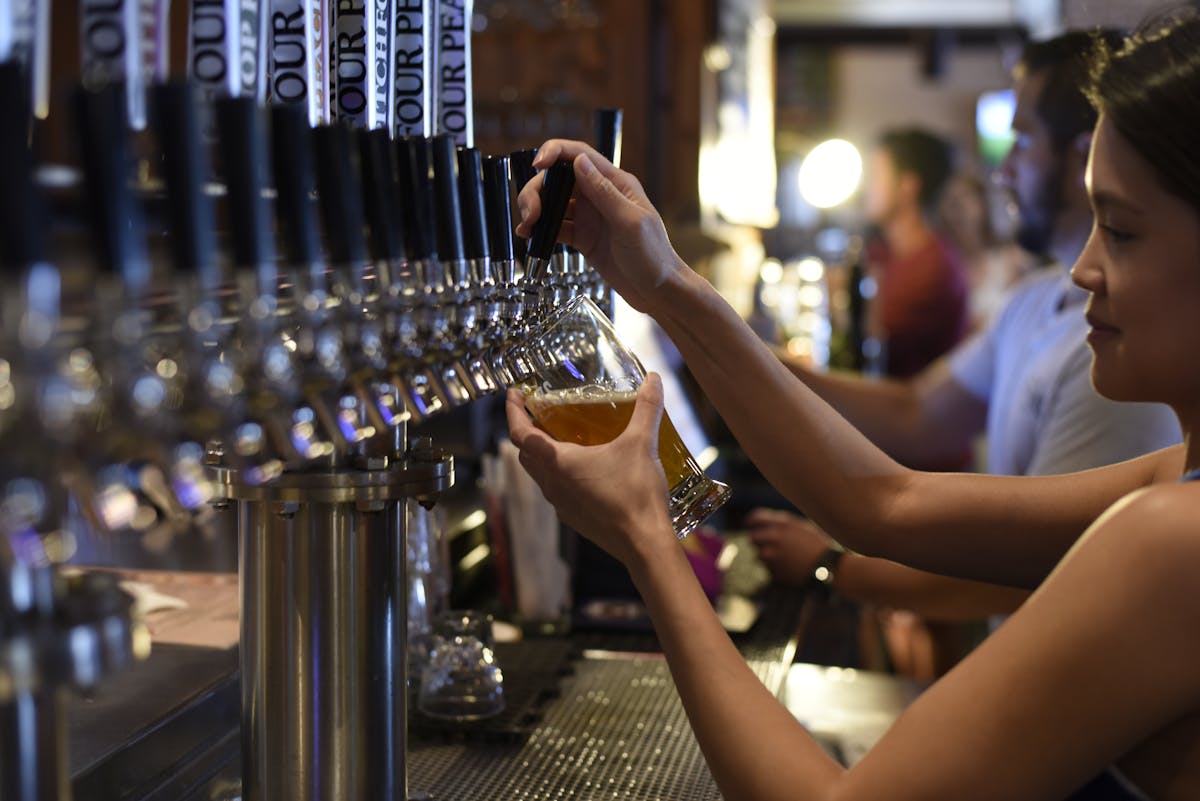
What Makes Cask Ale Different?
Cask ale isn’t just beer in a wooden barrel — it’s a living, breathing product. Unlike bottled or kegged beer, cask ale undergoes secondary fermentation and conditioning right in the cask, where live yeast and finings continue to develop the beer’s character. Unlike bottle conditioning, which traps carbonation in glass, cask ale sits at lower carbonation levels, allowing subtle flavours to emerge.
This is where clarity comes in. Traditional brewers use finings — typically isinglass (fish bladder) or other clarifying agents — to settle yeast and particulates over several days. The result is a pint with exceptional clarity and a smooth, velvety texture that bottled beer struggles to match. It’s why cask ale drinkers are so evangelical: it tastes genuinely different.
Getting Started: The Pressure Barrel Route
For homebrewers, actual wooden casks are impractical and expensive. The solution? A pressure barrel — a modified plastic or stainless vessel that sits somewhere between bottle and cask. Pressure barrels allow you to condition your beer to genuine cask standards while remaining affordable and manageable.
Your beer arrives at the pressure barrel already fermented. You then add a small charge of fresh yeast and sugar (or a measured amount of partially fermented wort), seal it, and let it sit for a week or two. The yeast reactivates, generating natural carbonation inside the sealed barrel. With pressure barrels, you can hit the hallmark of cask ale: subtle, creamy carbonation levels around 1.5–2.0 volumes of CO₂.
The Science of Cask Conditioning
Cask conditioning relies on three core processes: fermentation, clarification, and maturation. After you seal the pressure barrel, remaining yeast ferments the priming sugar, producing CO₂ and alcohol. This gentle secondary fermentation can take 5–10 days, depending on temperature and yeast strain. Temperature control is crucial — aim for 15–18°C for ale yeast to work steadily without stalling or over-attenuating.
Finings accelerate clarification. Isinglass (if you use animal products) or plant-based alternatives sink yeast and haze-causing particles to the bottom, where they accumulate over several days. Some homebrewers combine cask conditioning with the techniques described in our hybrid fermentation guide to create layered flavour profiles impossible in single-fermentation beers.
Once clarified, the beer sits quietly in the barrel. During this maturation phase, subtle oxidative reactions develop deeper malt character and soften harsh hop bitterness. It’s similar to barrel aging, except it happens over weeks rather than months, and without oak influence.
Beer Styles That Shine in Cask
Not every beer is cask material. Styles with robust malt profiles and restrained hopping thrive in cask. British bitters, milds, porters, and strong ales reveal their complexity when served low-carbonation. High-alcohol beers especially benefit — the creamy mouthfeel of cask-conditioned ale masks alcohol heat beautifully.
Avoid heavily hopped beers. Fresh hop bitterness fades during cask conditioning, leaving thin, grassy notes. Similarly, very light lagers can taste thin at low carbonation. For your first attempt, choose a recipe centred on quality British malts and moderate IBUs — think 30–45 IBU range.
Equipment You’ll Need
Beyond the pressure barrel itself, you’ll want basic setup: a small bottling bucket with a tap (for priming wort collection), siphoning equipment, and quality conditioning vessels. A simple thermometer ensures your conditioning happens at the right temperature. Many homebrewers use a utility cupboard or cool basement — ideally around 16°C, stable and dark.
For serving, you have options: hand pumps are traditional but require space, while simple gravity taps work fine for casual enjoyment. The British cask enthusiasts at CAMRA offer excellent resources on authentic serving methods.
The Cask Ale Future is Now
What’s driving younger drinkers to cask ale? It’s partly nostalgia, partly a genuine quality difference, and partly rebellion against industrial beer culture. Cask requires care — it’s not stable indefinitely like bottled beer. It demands respect from brewer and bartender alike. In a world of convenient IPAs and industrial lagers, cask ale feels intentional.
For homebrewers, cask conditioning offers something special: a way to create truly handcrafted beer that’s genuinely different from what you can bottle. The investment is modest, the learning curve manageable, and the reward — a perfectly pulled pint of your own making — is incomparable.
Give it a try this spring. Grab a pressure barrel, brew a solid British bitter, and discover why cask ale is back.