Barrel Aging for Homebrewers: 2026 Techniques for Wood-Aged Beer
As we move into 2026, the craft beer world continues to evolve, and one trend that’s gaining serious momentum among homebrewers is barrel aging. Once reserved for commercial breweries with massive oak casks, wood-aged beer is now accessible to homebrewers thanks to innovative techniques and smaller-scale equipment. In this guide, we’ll explore the latest methods for creating complex, nuanced wood-aged beers in your own brewery.

Why Barrel Age Your Beer?
Wood aging adds layers of complexity that simply can’t be achieved through traditional brewing methods. The interaction between beer and wood creates unique flavor compounds through several processes:
- Extraction: Tannins, vanillin, and other wood compounds infuse into the beer
- Oxidation: Controlled oxygen exposure develops sherry-like notes
- Microbial activity: Wild yeasts and bacteria in the wood can create funky, sour characteristics
- Evaporation: The “angel’s share” concentrates flavors and increases alcohol content
According to recent data from CAMRA, wood-aged beers have seen a 47% increase in popularity among craft beer enthusiasts over the past two years. Homebrewers are leading this charge, experimenting with everything from whiskey barrels to wine casks.
Small-Scale Barrel Options for 2026
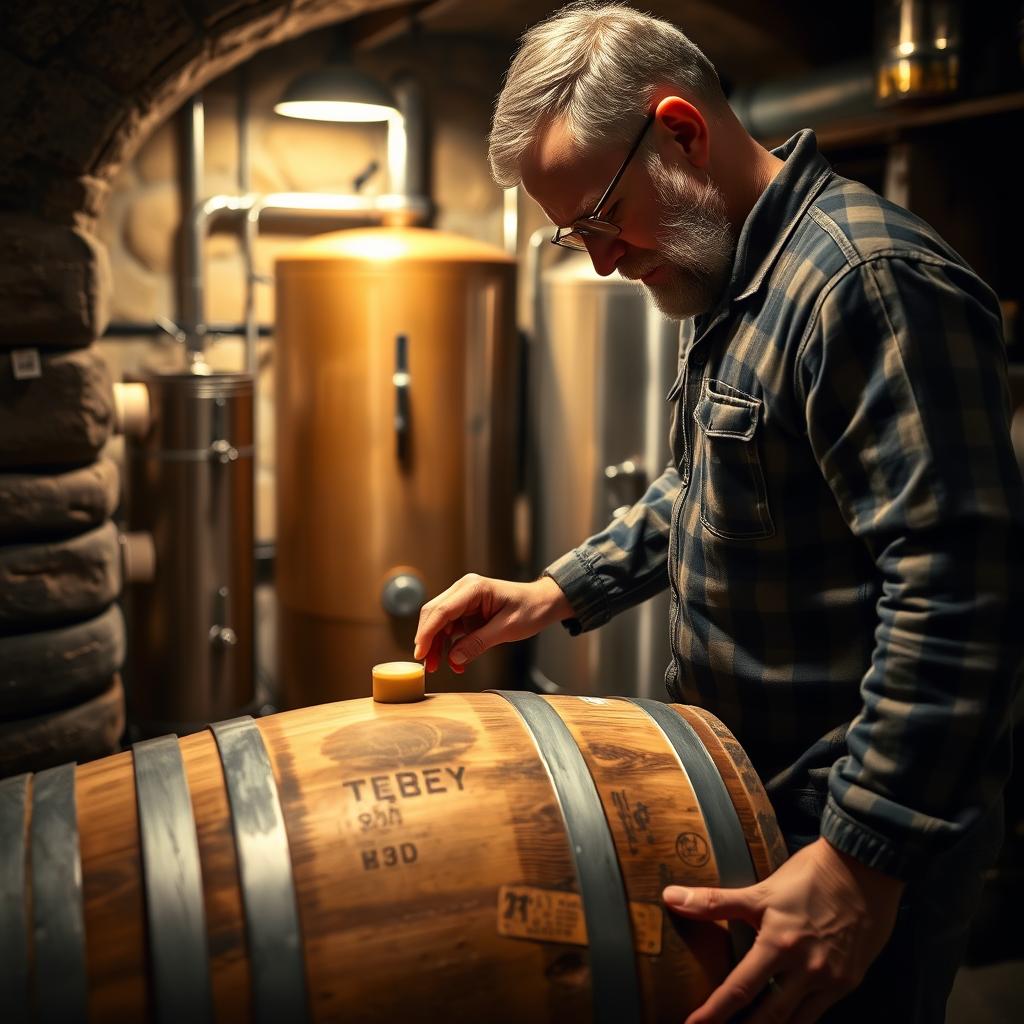
Gone are the days when you needed a 50-gallon barrel to experiment with wood aging. Today’s homebrewers have several options:
- 5-10 Gallon Barrels: Perfect for homebrew batches, these small barrels provide a high surface-to-volume ratio for rapid flavor extraction
- Oak Cubes and Spirals: For more controlled aging, these can be added directly to carboys or kegs
- Barrel Alternatives: Products like The Malt Miller‘s oak staves and chips offer precise flavor control
- Used Spirit Barrels: Many distilleries now sell their retired 5-10 gallon barrels to homebrewers
2026 Techniques for Optimal Results
The Beer Judge Certification Program has updated its guidelines to include specific wood-aged beer categories, reflecting the growing sophistication of these techniques. Here are the latest best practices:
1. Pre-Treatment is Everything
Before adding beer to any wood vessel, proper preparation is crucial. For new oak, many homebrewers are now using a “toasting and soaking” method: lightly toast the interior with a propane torch, then soak with hot water to swell the wood and check for leaks. For used barrels, a citric acid and metabisulfite solution helps sanitize without stripping desirable flavors.
2. The “Solera” System for Homebrewers
Adapted from sherry production, solera aging involves blending beers of different ages. Homebrewers can implement this by keeping a “mother” barrel and periodically drawing off portions to bottle while topping up with fresh beer. This creates incredible complexity and consistency over time.
3. Temperature-Controlled Aging
2026 has seen a surge in affordable temperature-controlled chambers for barrel aging. Maintaining consistent temperatures (55-65°F for most styles) prevents off-flavors and allows for predictable extraction rates. Many homebrewers are converting wine refrigerators or building insulated chambers for this purpose.
4. Blending for Balance
As noted by experts on HomeBrewTalk, the key to great wood-aged beer is often in the blend. Keep detailed tasting notes and consider blending overly oaky beer with a fresh batch to achieve perfect balance.
Style Recommendations for Beginners
If you’re new to barrel aging, start with these forgiving styles:
- Imperial Stout: Robust flavors stand up well to oak character
- Old Ale/Barleywine: High alcohol content protects against infection
- Saison: The rustic character complements subtle wood notes
- Strong Scotch Ale: Malt sweetness balances tannic dryness
Check out our guide to building your perfect home brewery for more equipment recommendations.
Common Pitfalls and How to Avoid Them
Even experienced brewers can encounter issues with wood aging. Here are solutions to common problems:
- Over-oaking: Taste frequently (every 2-4 weeks) and transfer to glass when desired character is reached
- Infection: Maintain proper sanitation and consider using sulfites for wild fermentation projects
- Excessive evaporation: Top up barrels regularly with similar beer to prevent oxidation
- Inconsistent results: Keep detailed logs of wood source, toast level, and aging conditions
The Future of Homebrew Barrel Aging
Looking ahead, the Society of Independent Brewers predicts several emerging trends:
- Local Wood Sources: Brewers are experimenting with regional oak varieties
- Multi-Wood Blends: Combining different wood types in single batches
- Accelerated Aging Techniques: Ultrasound and pressure cycling to speed up extraction
- Non-Traditional Spirits: Aging in rum, tequila, and even sake barrels
For more inspiration, explore our blog archives where we cover everything from traditional brewing methods to cutting-edge techniques.
Getting Started
The barrier to entry for barrel aging has never been lower. Start with oak cubes in a secondary fermenter to get a feel for the process, then consider investing in a small barrel for more ambitious projects. Remember: patience is key. While some beers may be ready in weeks, others benefit from months or even years of aging.
Have you experimented with barrel aging? Share your experiences and questions in the comments below, or connect with fellow brewers in our community forums. The world of wood-aged beer is rich with possibility—2026 is the perfect time to dive in.