The Forgotten German Gem: Rediscovering Dampfbier
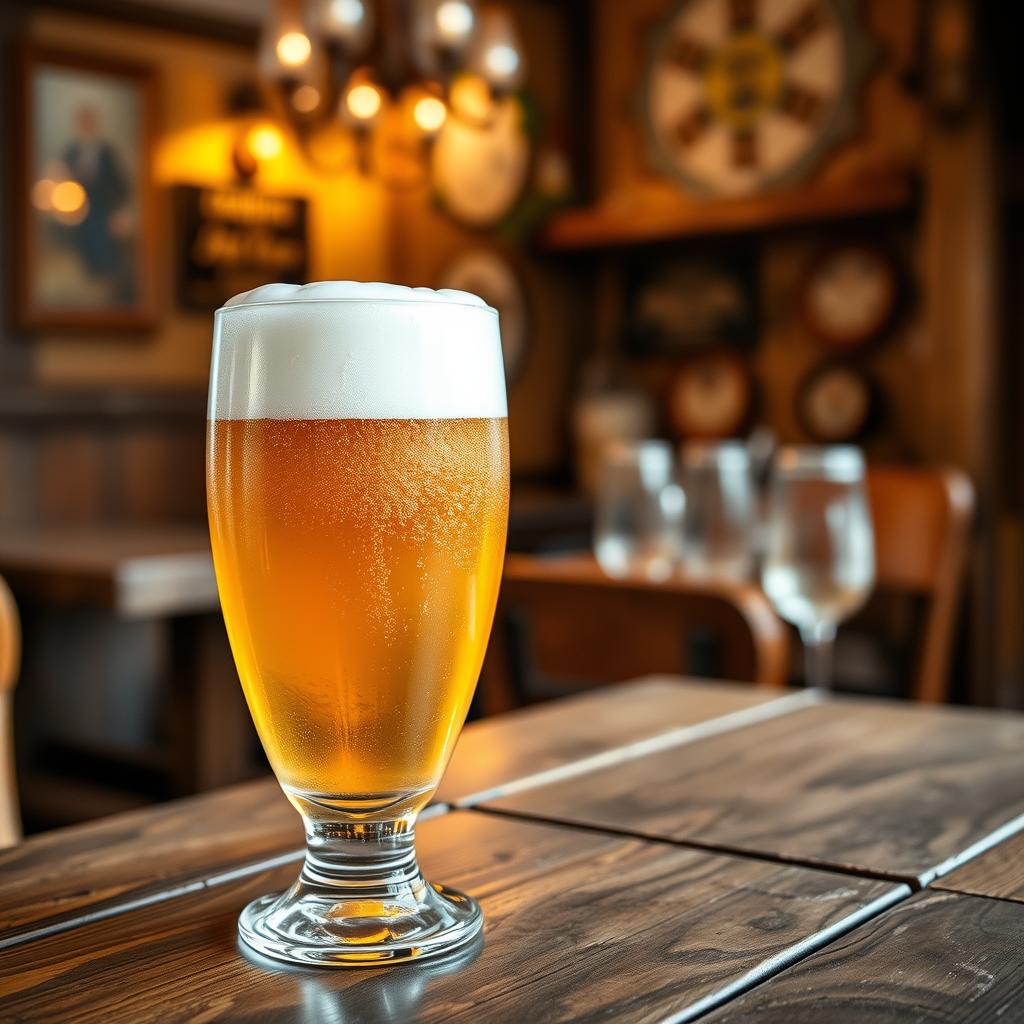
In the vast landscape of German brewing traditions, some styles have achieved global fame—think Pilsner, Hefeweizen, or Märzen. But nestled in Bavaria’s brewing heritage lies a lesser-known treasure: Dampfbier, or “steam beer.” This unique hybrid style combines elements of ale and lager brewing with a fascinating history that deserves rediscovery by modern craft brewers and enthusiasts alike.
What Exactly is Dampfbier?
Dampfbier translates literally to “steam beer,” but don’t confuse it with California Common or Anchor Steam Beer. This Bavarian specialty is brewed with barley malt (typically 100%) but fermented with wheat beer yeast—specifically, the same top-fermenting Saccharomyces cerevisiae strains used for Hefeweizen. The name “steam” refers not to carbonation but to the vigorous fermentation activity that creates a visible “steam” of CO₂ bubbles during primary fermentation.
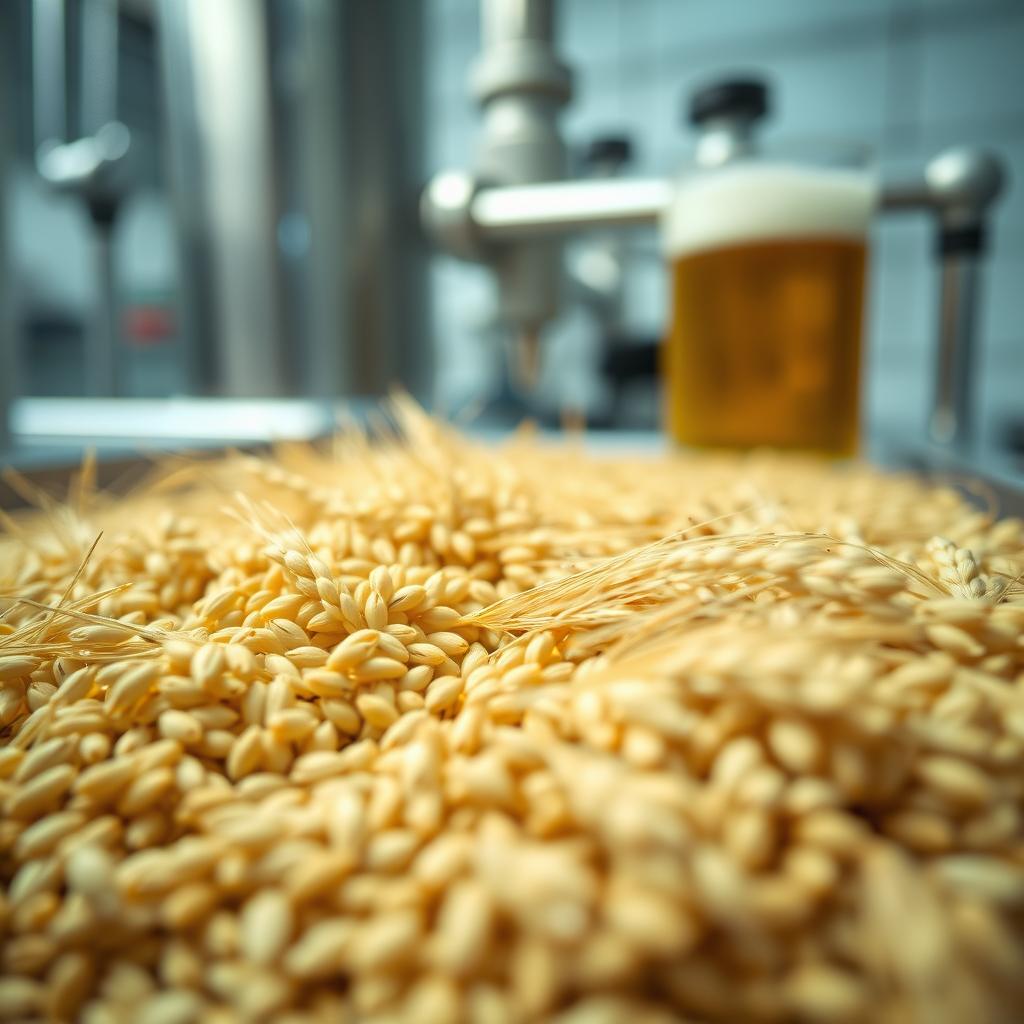
Historically, Dampfbier emerged in the 19th century in rural Bavaria where brewers had access to barley but wanted to create something different from standard lagers. By using wheat beer yeast with barley malt, they produced a beer with the spicy, phenolic character of a Hefeweizen but the cleaner malt profile of a barley-based beer. The result is a complex, highly drinkable ale that bridges multiple beer categories.
The Brewing Process: Tradition Meets Technique
Brewing authentic Dampfbier requires attention to several key details:
- Grain Bill: 100% barley malt—traditionally Munich or Vienna malt for a rich, malty backbone
- Yeast: Wheat beer yeast (Weizen yeast) for those characteristic banana and clove esters
- Fermentation: Warm fermentation (18-22°C) like an ale, followed by cold conditioning
- Hops: Traditional German noble hops like Hallertau or Tettnang for subtle bitterness
- Carbonation: Naturally carbonated through bottle conditioning or krausening
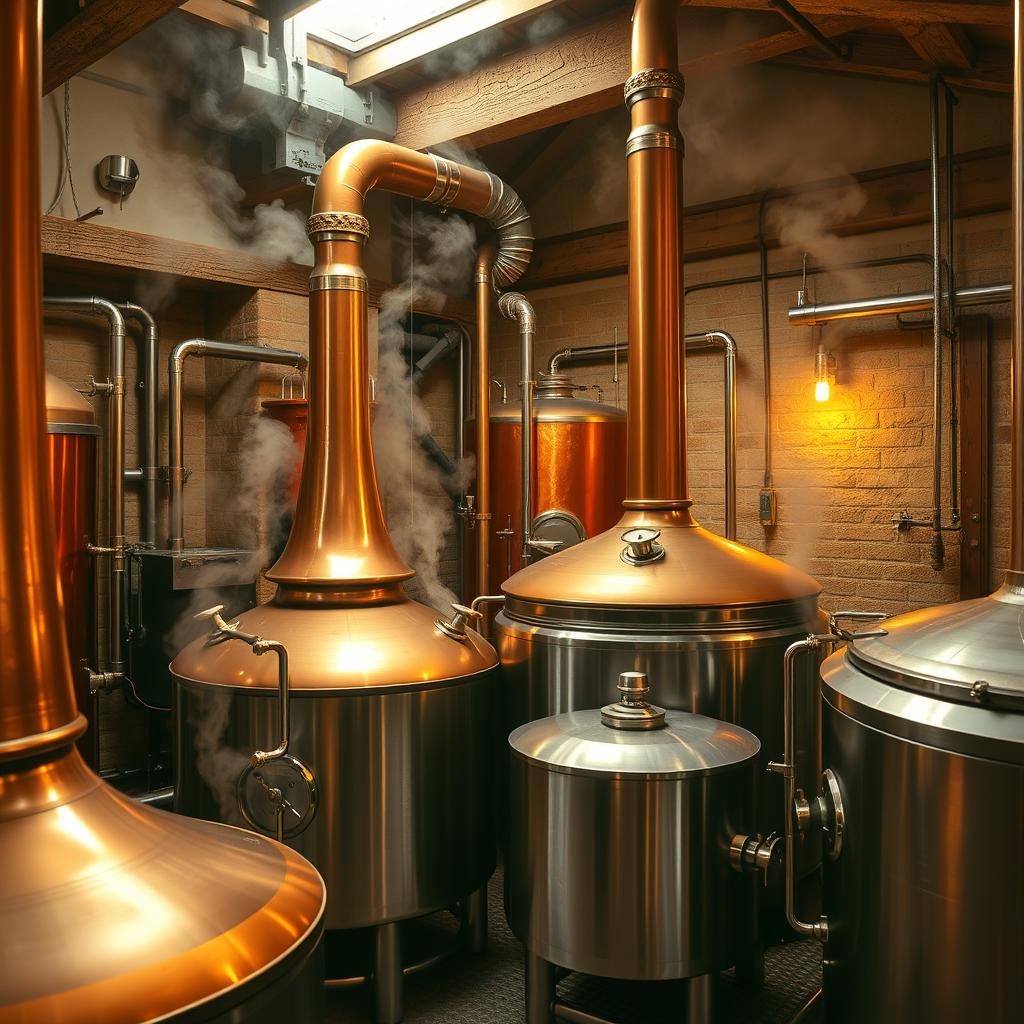
The magic happens during fermentation. As the wheat yeast works on the barley sugars, it produces the distinctive ester profile while the barley malt provides a cleaner, less bready character than wheat malt would. This creates a beer that’s simultaneously familiar and novel—like meeting an old friend who’s learned some fascinating new tricks.
Tasting Profile: What to Expect
A well-brewed Dampfbier presents a fascinating sensory experience:
- Appearance: Deep gold to light amber with a persistent, rocky white head
- Aroma: Banana and clove from the yeast, complemented by bready malt and subtle hops
- Flavor: Malty sweetness balanced by moderate bitterness, with those characteristic Weizen yeast notes
- Mouthfeel: Medium-bodied with moderate carbonation and a dry, clean finish
- ABV: Typically 4.5-5.5%, making it highly sessionable
The beauty of Dampfbier lies in its balance—it’s complex enough to intrigue experienced beer drinkers but approachable enough for newcomers to German styles.
Why Dampfbier Deserves a Comeback
In today’s craft beer landscape where innovation often means pushing extremes, Dampfbier offers something different: subtlety, balance, and historical authenticity. It’s a style that rewards careful brewing and patient drinking. For homebrewers looking to explore German traditions beyond the usual suspects, Dampfbier provides a perfect project that teaches important lessons about yeast character and ingredient interplay.
Commercial breweries, too, could benefit from adding a Dampfbier to their lineup. It’s distinctive enough to stand out in a crowded market while remaining firmly rooted in respected brewing tradition. As drinkers increasingly seek authentic, historically-informed beers, Dampfbier checks all the right boxes.
Brewing Your Own Dampfbier: Tips for Success
If you’re inspired to try brewing Dampfbier at home, here are some key considerations:
- Yeast selection is critical: Use a true German Weizen yeast strain. The classic Wyeast 3068 or White Labs WLP300 will give you those authentic ester profiles.
- Fermentation temperature matters: Keep it in the lower range (18-20°C) for more clove character, or warmer (20-22°C) for more banana notes.
- Malt selection: Use quality German malts. A base of Munich malt with some Vienna or Pilsner malt works beautifully.
- Patience with conditioning: Like many German beers, Dampfbier benefits from several weeks of cold conditioning to smooth out the flavors.
For more detailed brewing guidance, check out resources from the Beer Judge Certification Program or communities like HomeBrewTalk where experienced brewers share their Dampfbier recipes and techniques.
Pairing Dampfbier with Food
The balanced character of Dampfbier makes it incredibly food-friendly. Try it with:
- Traditional German sausages and pretzels
- Roast chicken or pork dishes
- Mild cheeses like Gouda or Emmental
- Salads with vinaigrette dressings
- Apple-based desserts
The beer’s moderate carbonation cuts through rich foods while the yeast character complements herbal and savory flavors beautifully.
Finding Commercial Examples
While not as common as other German styles, several breweries keep the Dampfbier tradition alive. Look for examples from smaller Bavarian breweries, or check with specialty beer importers. The Society of Independent Brewers occasionally features members experimenting with historical styles, and CAMRA festivals sometimes showcase traditional German beers.
For homebrewers wanting to source authentic ingredients, suppliers like The Malt Miller offer German malts and yeast strains perfect for Dampfbier.
Conclusion: A Style Worth Saving
Dampfbier represents more than just another beer style—it’s a living piece of brewing history that demonstrates the creativity and resourcefulness of traditional German brewers. In a single glass, you taste centuries of brewing knowledge, regional ingredients, and cultural tradition.
As the craft beer movement continues to evolve, there’s growing appreciation for these historical styles that offer complexity without extremity. Dampfbier’s time for rediscovery has come. Whether you’re a brewer looking for your next project or a drinker seeking new flavors with deep roots, this Bavarian steam beer offers a delicious journey into Germany’s rich brewing heritage.
Ready to explore more traditional beer styles? Check out our guide to German brewing traditions or browse our complete blog archive for more beer education and inspiration. And if you’re passionate about preserving brewing history, consider supporting organizations like traditional brewing societies that work to keep these styles alive for future generations.