The Global Brewing Revolution: How Non-Eurocentric Ingredients Are Transforming Craft Beer in 2026
For decades, the craft beer world has been dominated by European traditions: German hops, British malts, Belgian yeast strains. But in 2026, a quiet revolution is brewing—literally. Forward-thinking breweries are looking beyond the Old World, embracing ingredients from Africa, Asia, and Latin America to create beers that challenge our palates and expand our understanding of what beer can be.

Why the Shift?
The craft beer industry has reached what experts call its “cruising altitude.” After explosive growth followed by market consolidation, breweries are seeking new ways to stand out. According to a recent Punch Drink article, the most innovative breweries of 2026 are “tapping into new trends like low-ABV beer and non-Eurocentric ingredients.”
This isn’t just about novelty—it’s about sustainability, flavor diversity, and cultural exchange. As beer consumption declines in traditional Western markets, brewers are looking to growing markets in Africa, Latin America, and Asia for inspiration. These regions offer not just new consumers, but centuries of brewing traditions using local ingredients.
Ingredients Breaking the Mold
What exactly are “non-Eurocentric ingredients”? Here are some of the most exciting examples:
- African Sorghum & Cassava: Traditional African beers have used sorghum for millennia. Now craft brewers are incorporating it for its unique, slightly nutty flavor and gluten-free properties. Cassava, another staple crop, offers a clean, starchy base perfect for experimental lagers.
- Latin American Fruits & Spices: From passionfruit and guava to aji peppers and cacao, Latin America’s biodiversity is a brewer’s playground. These ingredients add vibrant acidity, tropical aromas, and subtle heat that European ingredients can’t replicate.
- Asian Botanicals & Grains: Yuzu, matcha, sake rice, and lemongrass are bringing delicate, complex flavors to beers. Japanese-inspired breweries are particularly adept at balancing these subtle ingredients with traditional brewing techniques.
- Middle Eastern & North African Herbs: Hibiscus, rose petals, saffron, and mint are creating aromatic, visually stunning beers that appeal to both craft enthusiasts and cocktail drinkers.
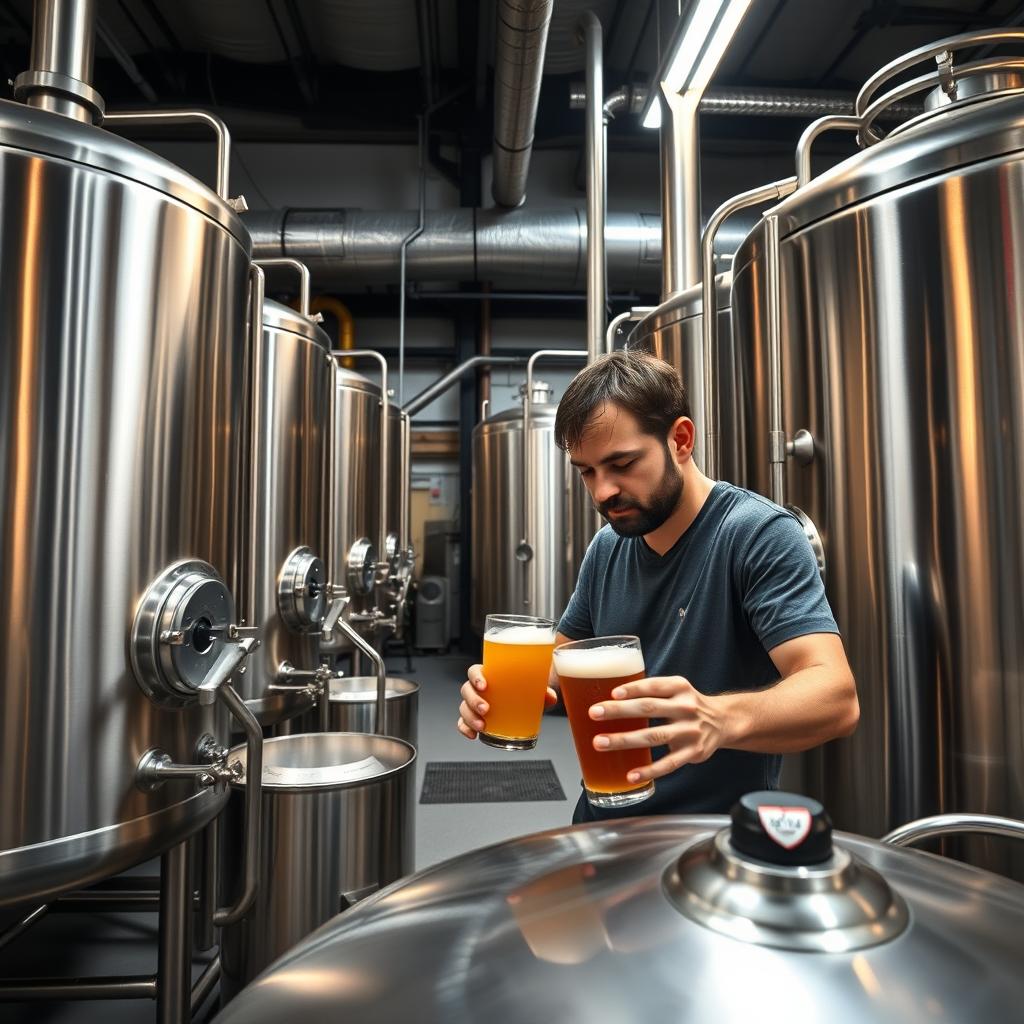
Pioneering Breweries Leading the Way
Several breweries are at the forefront of this movement:
- Andiamo Brew (Denver): Known for their mid-strength beers, they’re experimenting with Latin American fruits and African grains to create sessionable, flavorful options.
- Breweries in the Pacific Northwest: Many are collaborating with Asian-American farmers to source ingredients like yuzu and shiso leaf, creating beers that bridge culinary traditions.
- African-inspired microbreweries: New operations are focusing exclusively on sorghum-based beers, often partnering with African farmers for authentic ingredients.
These breweries aren’t just making novelty beers—they’re creating sustainable business models that support global agriculture and cultural exchange.
How Homebrewers Can Get Involved
You don’t need a commercial brewery to experiment with global ingredients. Here are some tips for homebrewers:
- Start Small: Add 1-2 ounces of dried hibiscus or rose petals in the last 5 minutes of the boil for a subtle floral note.
- Experiment with Grains: Replace 10-20% of your base malt with sorghum or millet for a unique flavor profile.
- Use Fruit Purees: Add passionfruit or guava puree during secondary fermentation for tropical aromas without overwhelming sweetness.
- Join the Community: Check out forums like HomeBrewTalk where brewers share recipes using global ingredients.
The Future of Global Brewing
As Beverage Daily reports, the future of beer growth lies in these emerging markets. But it’s not just about selling more beer—it’s about creating a truly global brewing culture where ingredients, techniques, and traditions flow freely across borders.
The Campaign for Real Ale (CAMRA) has begun recognizing these innovations, while organizations like the Beer Judge Certification Program (BJCP) are updating their guidelines to include styles using non-traditional ingredients.
Conclusion
The move toward non-Eurocentric ingredients represents more than just a trend—it’s a fundamental shift in how we think about beer. By embracing ingredients from around the world, brewers are creating more diverse, sustainable, and exciting beers while honoring global brewing traditions.
Whether you’re a commercial brewer looking to innovate or a homebrewer wanting to experiment, now is the perfect time to explore beyond the traditional European palette. The global brewing revolution is here, and it tastes delicious.
Want to learn more about brewing innovation? Check out our Taproom for more articles, or explore our complete blog archive for brewing tips and industry insights.