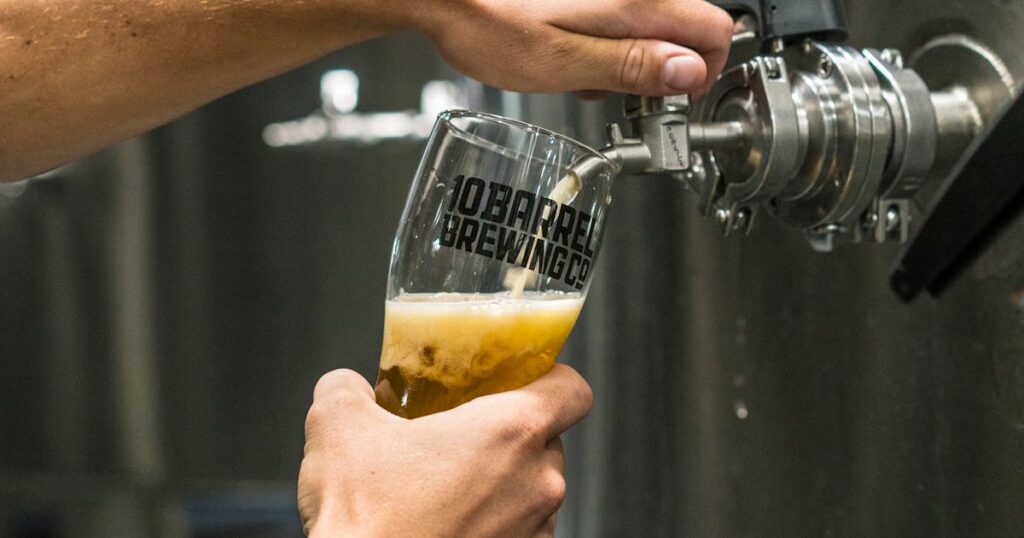
The Malt-Based Soda Revolution: How Craft Breweries Are Diversifying with Non-Alcoholic Beverages in 2026
As we move deeper into 2026, a fascinating trend is reshaping the craft beverage landscape: breweries are increasingly turning to malt-based sodas and hybrid brews. This isn’t just about root beer and ginger ale anymore—it’s about sophisticated, craft-quality non-alcoholic beverages that leverage brewing expertise while tapping into growing consumer demand for premium soft drinks.
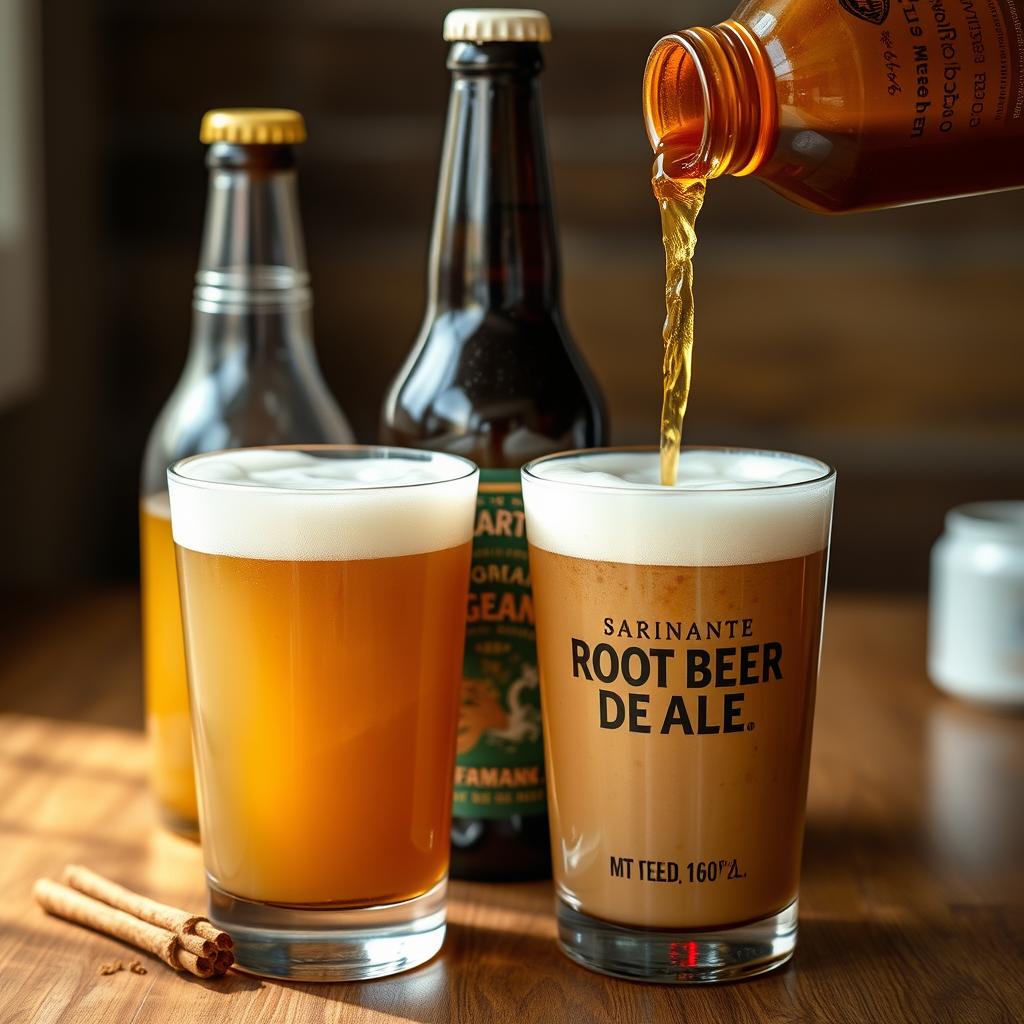
Why Malt-Based Sodas Are Taking Off
The craft beer market has matured, and breweries are looking for new revenue streams. According to industry reports, the non-alcoholic beverage market is growing at 7-8% annually, with premium craft sodas leading the charge. Breweries already have the equipment, expertise, and distribution networks—why not use them to create something new?
Malt-based sodas offer several advantages:
- Equipment utilization: Breweries can use existing kettles, fermenters, and bottling lines during downtime
- Ingredient synergy: Many breweries already source high-quality malt, hops, and spices
- Market expansion: These products appeal to designated drivers, pregnant women, health-conscious consumers, and children
- Year-round sales: Unlike seasonal beers, sodas sell consistently throughout the year
The Craft Difference: Quality Ingredients and Technique
What separates craft malt sodas from mass-produced soft drinks? It’s the same philosophy that distinguishes craft beer from macro lagers:
- Real ingredients: Natural cane sugar instead of high-fructose corn syrup
- Complex flavors: House-made syrups, real fruit extracts, and artisanal spices
- Small batches: Allowing for experimentation and quality control
- Carbonation control: Using brewery equipment for precise carbonation levels
Many breweries are creating signature sodas that reflect their brand identity. A brewery known for hop-forward IPAs might create a hopped lemon-lime soda, while a brewery specializing in Belgian styles could develop a spiced orange soda using coriander and bitter orange peel.

Successful Examples from the Industry
Several forward-thinking breweries have already made the leap:
- BrewDog’s Nanny State Sodas: The Scottish brewery now produces a range of craft sodas alongside their alcohol-free beers
- Brooklyn Brewery’s Special Sodas: Their root beer and ginger ale have become taproom staples
- Local microbreweries: Many small breweries create seasonal sodas that complement their beer lineup
These products aren’t just afterthoughts—they’re becoming significant revenue generators. Some breweries report that sodas now account for 15-20% of their taproom sales, with even higher margins than beer due to lower production costs and tax advantages.
The Homebrewing Connection
For homebrewers, malt-based sodas offer exciting possibilities. The process is surprisingly similar to brewing:
- Create a simple syrup base with malt extract or sugar
- Add flavorings (herbs, spices, fruit extracts)
- Carbonate using a kegging system or bottle conditioning
- Experiment with different flavor combinations
Homebrewers can use their existing equipment to create custom sodas for family gatherings, parties, or personal consumption. It’s a great way to involve non-drinkers in the hobby and explore flavor combinations without worrying about alcohol content.
Looking Ahead: The Future of Hybrid Beverages
The trend shows no signs of slowing. Industry experts predict several developments:
- More sophisticated flavor profiles: Think barrel-aged root beers or hop-infused citrus sodas
- Health-focused options: Low-sugar, probiotic, or functional ingredient sodas
- Crossover products: Beers that can be easily modified into sodas by omitting fermentation
- Packaging innovation: Craft soda in cans, growlers, and specialty bottles
For breweries, this represents both a challenge and an opportunity. The challenge is maintaining quality standards across different product categories. The opportunity is building a more resilient business that can weather market fluctuations and appeal to a broader customer base.
Getting Started with Malt-Based Sodas
If you’re a brewer interested in exploring this trend, consider these steps:
- Start small with a single test batch
- Use familiar ingredients from your existing supply chain
- Get feedback from your regular customers
- Consider local regulations for non-alcoholic beverage production
- Develop a branding strategy that connects with your brewery’s identity
The beauty of malt-based sodas is that they allow breweries to showcase their creativity while building a more sustainable business model. As consumer preferences continue to evolve, versatility will be key to success in the craft beverage industry.
For more brewing insights and trends, check out our Taproom discussions or explore our complete blog archive. If you’re interested in the business side of brewing, our about page shares more about our approach to the craft beverage industry.
External Resources for Further Exploration
- CAMRA (Campaign for Real Ale) – While focused on beer, CAMRA’s advocacy for quality extends to all craft beverages
- HomeBrewTalk – Excellent forums for soda-making techniques and recipes
- SIBA (Society of Independent Brewers) – Industry insights and business support for UK breweries
- BJCP (Beer Judge Certification Program) – While beer-focused, their sensory training is valuable for all beverages
- The Malt Miller – Source for quality ingredients that work for both beer and soda production
The malt-based soda revolution represents an exciting frontier for craft beverage producers. By leveraging existing skills and equipment, breweries can create delicious, high-quality non-alcoholic options that expand their market reach and build brand loyalty across diverse consumer groups. As we continue through 2026, expect to see even more innovation in this space—because when it comes to craft beverages, creativity knows no bounds.