The Rise of Hybrid Fermentation
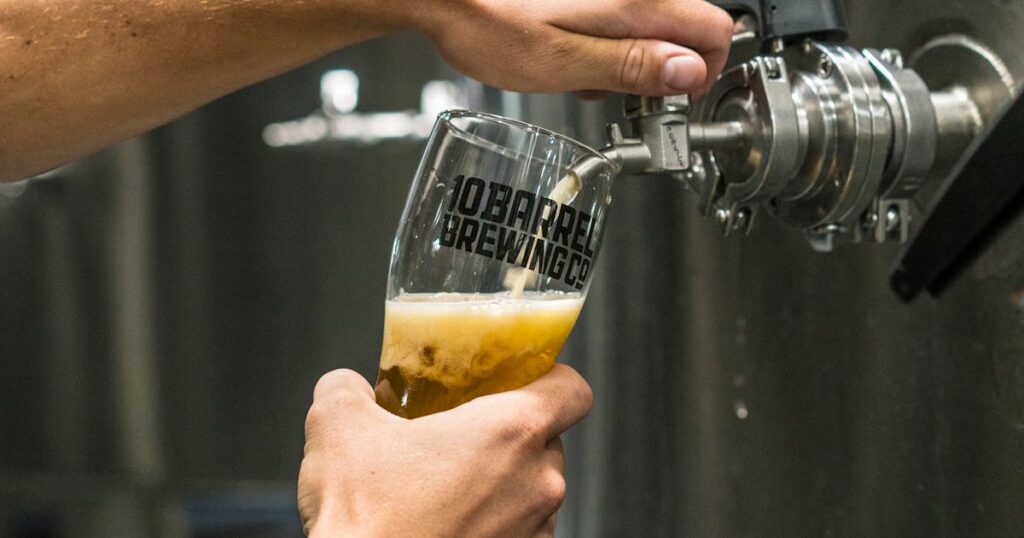
In the ever-evolving world of craft brewing, one technique has been gaining significant traction among both commercial breweries and homebrewers: hybrid fermentation. This innovative approach combines the best characteristics of ale and lager yeasts, creating unique flavor profiles that defy traditional categorization.
What Exactly is Hybrid Fermentation?
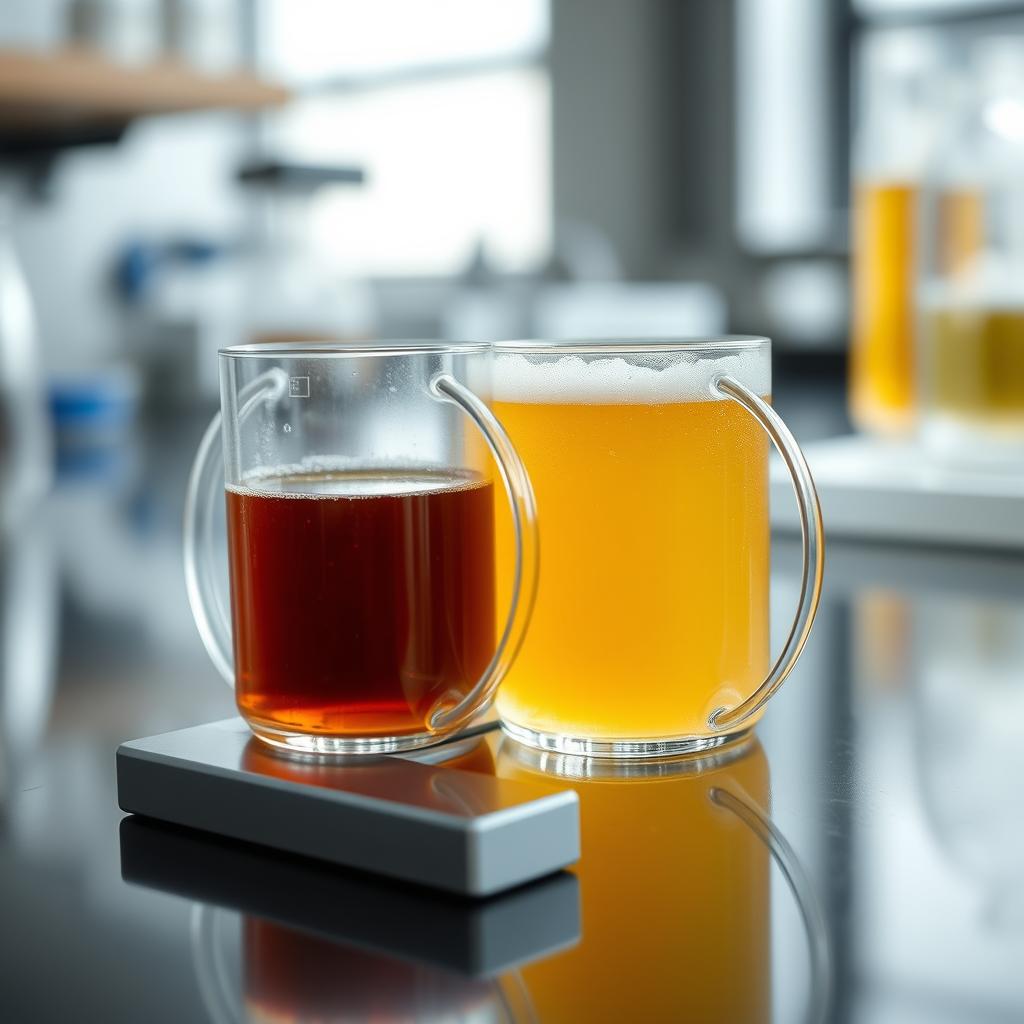
Hybrid fermentation involves using yeast strains that possess characteristics of both ale and lager yeasts, or strategically combining fermentation techniques from both traditions. Unlike traditional brewing where you typically choose between ale yeast (Saccharomyces cerevisiae) fermented at warmer temperatures (15-24°C) or lager yeast (Saccharomyces pastorianus) fermented at cooler temperatures (7-13°C), hybrid approaches create something entirely new.
According to the Beer Judge Certification Program (BJCP), hybrid beers represent a distinct category that includes styles like California Common, Cream Ale, and Kölsch. These styles demonstrate how brewers have been experimenting with fermentation techniques for decades, but modern hybrid fermentation takes this concept much further.
Popular Hybrid Yeast Strains
Several yeast laboratories have developed specific hybrid strains that are becoming increasingly popular:
- WLP029 (German Ale/Kölsch Yeast): Ferments like an ale but produces lager-like clean characteristics
- Wyeast 2565 (Kölsch): Creates crisp, clean beers with subtle fruitiness
- Imperial Yeast L17 (Harvest): A versatile strain that works across a wide temperature range
- Omega Yeast OYL-057 (Kölsch II): Produces exceptionally clean fermentation with minimal esters
Techniques for Successful Hybrid Fermentation
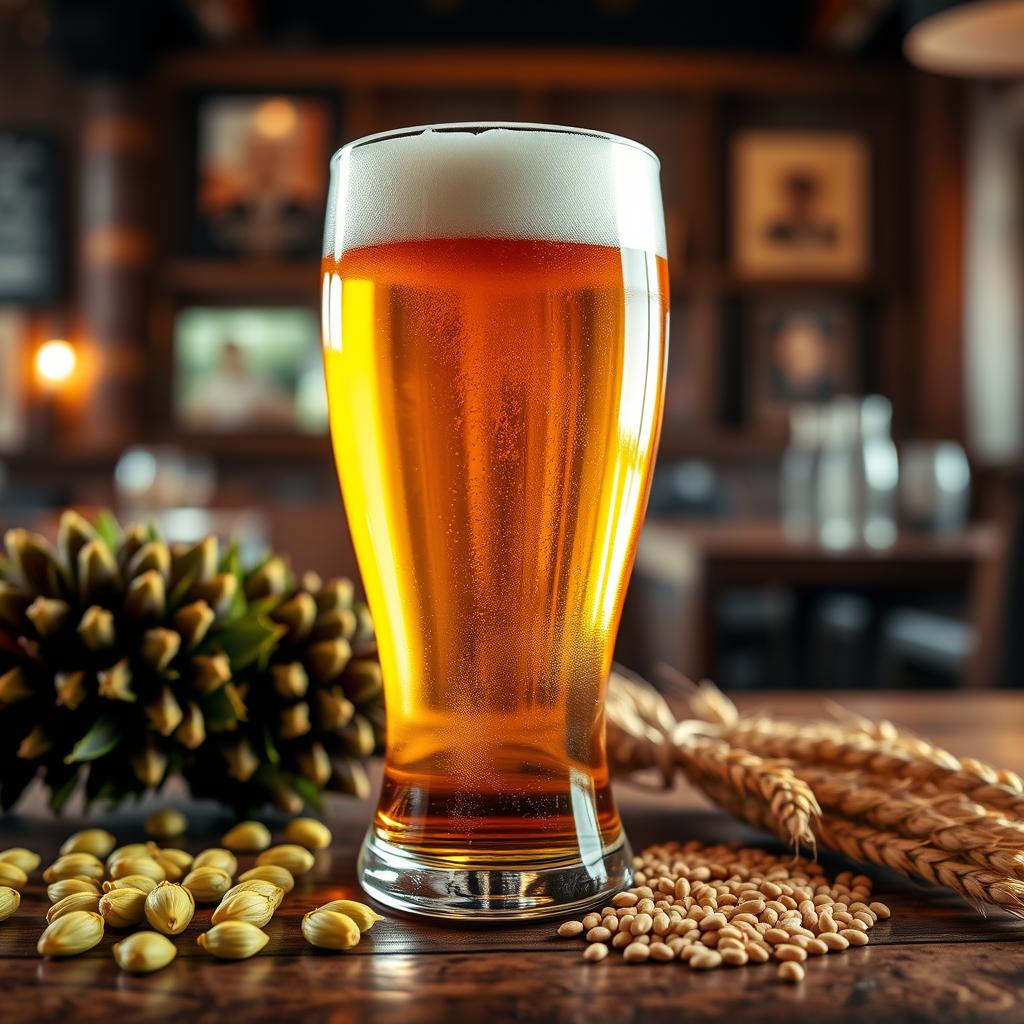
Whether you’re a homebrewer experimenting in your garage or a commercial brewery looking to expand your portfolio, here are key techniques for successful hybrid fermentation:
- Temperature Control: Start fermentation at ale temperatures (18-20°C) for the first 24-48 hours to establish healthy yeast activity, then gradually lower to lager temperatures (10-13°C) for the remainder of fermentation.
- Yeast Health: Always pitch adequate amounts of healthy yeast. Consider using a yeast starter, especially for higher gravity hybrid beers.
- Extended Conditioning: While not always necessary, some hybrid beers benefit from a short cold conditioning period (1-2 weeks) to enhance clarity and smooth out flavors.
- Water Chemistry: Pay attention to your water profile. Many successful hybrid beers use moderately mineralized water to support both malt and hop character.
Why Brewers Are Embracing Hybrid Techniques
The Society of Independent Brewers (SIBA) has noted a growing interest in hybrid styles among their members. There are several compelling reasons for this trend:
- Faster Turnaround: Hybrid beers often ferment faster than traditional lagers while maintaining cleaner profiles than many ales
- Unique Flavor Profiles: The ability to create beers that don’t fit neatly into traditional categories allows for greater creativity
- Equipment Efficiency For smaller breweries with limited tank space, hybrid techniques can maximize fermentation capacity
- Market Differentiation: In a crowded craft beer market, hybrid styles offer something distinctive to consumers
Homebrewing with Hybrid Techniques
For homebrewers interested in exploring hybrid fermentation, the process is more accessible than ever. Resources like HomeBrewTalk offer extensive forums where brewers share recipes and techniques. Many homebrew supply shops, including The Malt Miller in the UK, now carry a wide selection of hybrid yeast strains.
Start with a simple recipe like a Kölsch or California Common to get familiar with the techniques. Pay close attention to fermentation temperature control – this is where hybrid brewing really shines. Consider investing in a temperature-controlled fermentation chamber if you don’t already have one.
The Future of Hybrid Brewing
As yeast science continues to advance, we can expect even more sophisticated hybrid strains to emerge. Some yeast laboratories are already working on strains that can produce specific flavor compounds on demand, allowing brewers to dial in precise characteristics regardless of fermentation temperature.
The Campaign for Real Ale (CAMRA) has begun recognizing the importance of hybrid styles in their competitions, creating new categories to accommodate these innovative beers.
Conclusion
Hybrid fermentation represents an exciting frontier in brewing, offering the best of both ale and lager traditions. Whether you’re looking to create crisp, clean beers with subtle complexity or experiment with entirely new flavor combinations, hybrid techniques provide a versatile toolkit for modern brewers.
Ready to explore more brewing techniques? Check out our other articles in The Taproom or browse our complete blog archive for more brewing insights and tips.
What hybrid brewing experiences have you had? Share your thoughts and questions in the comments below or connect with us on social media!