Why Berliner Weisse is the Sour Beer Trend Taking Hold in 2026
If you’ve been watching the UK homebrewing scene closely, you’ve noticed something refreshing bubbling up in forums and taprooms. Sour beers—specifically German-style Berliner Weisse—are having a genuine renaissance. It’s not the trendy, Instagram-friendly fruit-bomb sours we’ve seen before. This is something deeper: a return to authentic, lightly-soured wheat beers that whisper rather than shout, with a clean tartness and a silky mouthfeel that feels almost… monastic in its simplicity.
I first encountered Berliner Weisse properly two years ago, and it changed how I think about fermentation. The style demands patience, precision, and a willingness to embrace a little chaos—exactly the kind of honest craftsmanship that drew me to homebrewing in the first place. In 2026, with mindful drinking on the rise and drinkers craving complexity over strength, Berliner Weisse is perfectly positioned. It’s low alcohol (2.5–3.5% ABV), refreshingly sour without being aggressive, and wildly versatile. Whether you’re experimenting with wild fermentation techniques or exploring how Lactobacillus cultures work in your kitchen brewery, this style teaches you more than it costs.
Let me walk you through what makes it special, how to brew it at home, and why you should seriously consider it for your next batch.
What Is Berliner Weisse? A Brief History
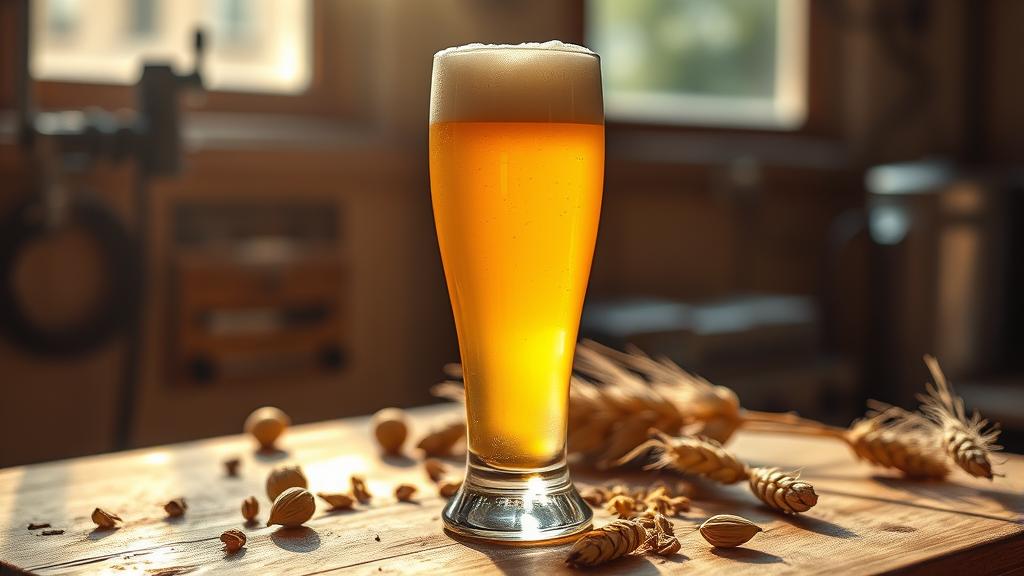
Berliner Weisse is a lightweight, wheat-based sour ale that originated in Berlin in the 18th century. It’s one of the few truly indigenous German sour beer styles, and its history is tangled with geography and survival. Berlin’s brewers developed it partly because the local water and climate favoured wild fermentations, and partly because the style’s low alcohol content made it perfect for workers needing hydration and refreshment without getting hammered mid-shift.
Traditionally, brewers would age bottles in warm, sandy earth pits for months, allowing Lactobacillus and Brettanomyces to slowly develop sourness. The result was delicate, complex, and nothing like the aggressive sours we often see today. The BJCP style guidelines describe it as a wheat beer with subtle sourness, herbal esters, and an almost champagne-like effervescence. It’s sour, yes—but in a whisper, not a shout.
For a long time, Berliner Weisse almost disappeared. After World War II, the style faded in Berlin itself, kept alive mainly by a handful of old breweries. But in the last decade, especially with the rise of craft beer education and a renewed interest in fermentation science, homebrewers and commercial breweries have rediscovered it. In 2026, it’s having a moment. The shift mirrors a broader trend toward low-ABV brewing and flavourful session beers, where brewers prioritise craft and complexity over raw strength.
The Science: Lactobacillus and Slow Souring
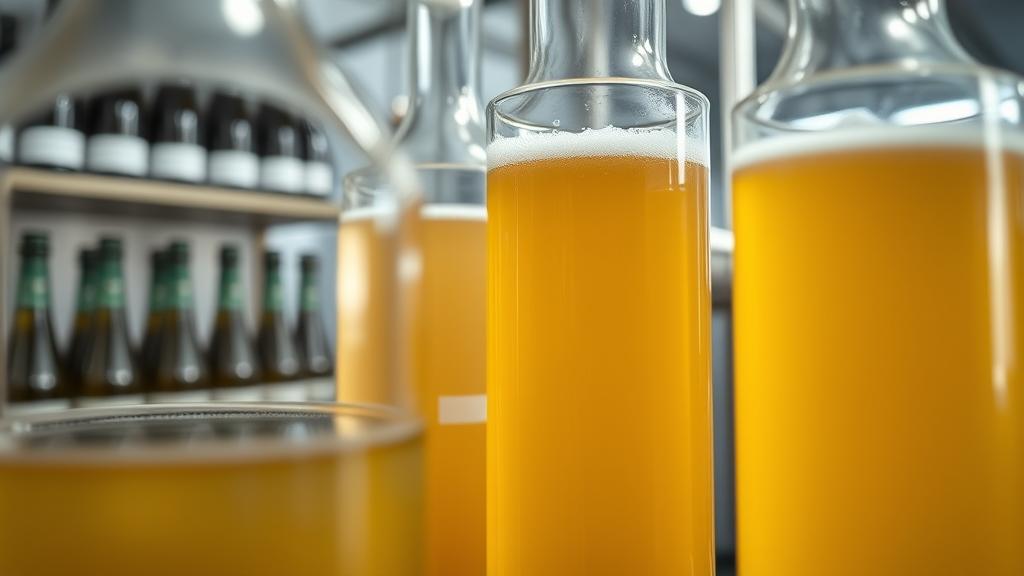
Here’s where Berliner Weisse gets fascinating. Unlike kettle sours (where you sour the mash before boiling), traditional Berliner Weisse uses a co-fermentation method: you pitch Lactobacillus alongside your ale yeast, and they work in parallel over several weeks or months.
Lactobacillus converts sugars into lactic acid, developing tartness gradually. Meanwhile, your ale yeast (often a clean Weizen strain) ferments normally, creating esters and the subtle fruity notes that make the style so elegant. The trick is controlling the pace. Too fast, and you get a harsh sourness. Too slow, and you risk contamination or boring results. It requires patience, but that’s precisely the point.
When I first tried fermenting with Lactobacillus cultures, I was amazed at how much I learned about fermentation health just by monitoring pH and gravity. This approach teaches you more about yeast ecology than ten recipes could. I also found that understanding modern fermentation monitoring tools and IoT brewing systems helped me dial in precise conditions. If you’re interested in deeper fermentation science, functional fermentation techniques with probiotics and prebiotics are worth exploring alongside this style.
The sourness typically lands between 3.5 and 5 pH—tart enough to be noticeable, but not mouth-puckering. The result should feel almost creamy, with a subtle acidity that enhances rather than dominates the wheat-based malt character.
Ingredients & Equipment You’ll Need
Malt & Fermentables
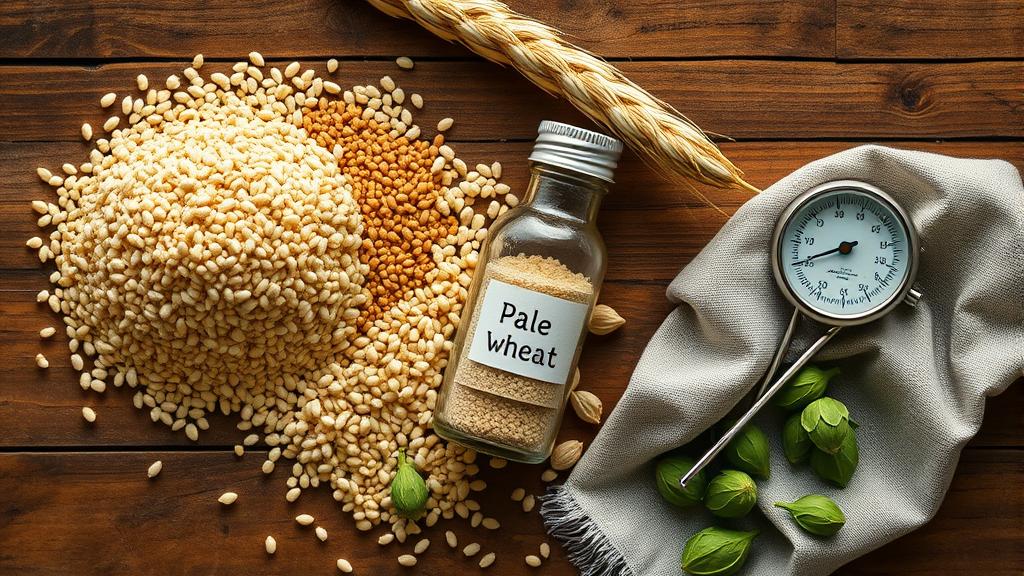
- Pale Ale Malt – 50% of your grain bill. Provides the base sweetness and body.
- Wheat Malt – 40–50%. This is essential. It gives you the silky mouthfeel and cloudy appearance that defines the style.
- Acidulated Malt – 5–10%. Adds a subtle tartness and helps lower pH naturally, working in harmony with the Lactobacillus.
Hops
Berliner Weisse is not a hoppy beer. Use very mild noble hops (Hallertau, Tettnang, or Spalt) sparingly—just 8–12 IBU total. A single 60-minute addition is standard. The goal is barely-there bitterness, just enough to balance sweetness.
Yeast & Cultures
- Ale Yeast – Weizen strains (Wyeast 3068, White Labs WLP300) work beautifully. They produce the fruity esters you want.
- Lactobacillus Blend – You can use commercial Lactobacillus cultures from suppliers like Geterbrewed, or pitch it during fermentation as a co-culture.
Water
If your tap water is high in chlorine, filter it. Berliner Weisse is fairly water-forgiving, but chlorine can interfere with wild fermentations. Aim for soft to moderate water; no need to adjust dramatically.
Equipment Notes
Standard homebrewing kit works fine, but I strongly recommend glass fermentation vessels so you can watch the souring happen. Stainless steel is fine too, but opaque. You’ll also want to monitor pH regularly using simple test strips (available from any homebrew shop). A temperature-controlled environment helps—aim for 18–22°C (64–72°F) for steady fermentation.
Step-by-Step Brew Day & Co-Fermentation Process
1. Mash & Sparge
Target a mash temperature of 65–67°C (149–153°F) for 90 minutes. This creates a wort that’s slightly on the thinner side of normal, perfect for the refreshing quality of the style. Sparge normally and aim for an original gravity of 1.028–1.035 (around 7–8° Plato).
2. Boil
A 60-minute boil is standard. Add your noble hops once, at 60 minutes. No late additions. The pale malt and wheat will give you enough character without aggressive bittering. Some brewers add a pinch of coriander or chamomile in the last few minutes—optional, but traditional in some Berlin brewhouses.
3. Cool & Aerate
Cool to 20°C (68°F) and aerate thoroughly—this beer needs oxygen for both yeast and Lactobacillus to thrive. Use a wort chiller, or let it sit in cool water. Get air into it via a sanitised stone or vigorous splashing.
4. Pitch Yeast & Lactobacillus
Here’s the magic: pitch both your Weizen yeast and Lactobacillus culture simultaneously. If you’re using a dry Lactobacillus culture, rehydrate it first per the packet instructions. Some brewers prefer a slow-acting Lactobacillus blend; others use a single strain. Either way, pitch at a healthy rate—a generous starter for both.
5. Fermentation: The Long Wait
Keep the fermentation at 18–20°C (64–68°F). You’ll notice activity within 24–36 hours. The yeast will do its thing over the next 7–10 days, reaching final gravity. But here’s where patience wins: leave it in the fermenter for 3–6 weeks. The Lactobacillus is slowly working, dropping pH and developing that signature tartness. Around week 3, start tasting—measure gravity, check pH with strips, and note the flavour. It should gradually develop from sweet to softly sour. When you’re happy with the tartness (usually around 3.8–4.2 pH), it’s ready.
6. Bottling & Carbonation
Rack into bottles with priming sugar (around 2.2 volumes of CO₂ for medium carbonation—this is a quenchy beer, not a flat one). Berliner Weisse traditionally has a lively fizz. Bottle-condition for 2–3 weeks at room temperature, then cold-store. It will continue to age and evolve for months.
Fermentation & Conditioning: What to Watch For
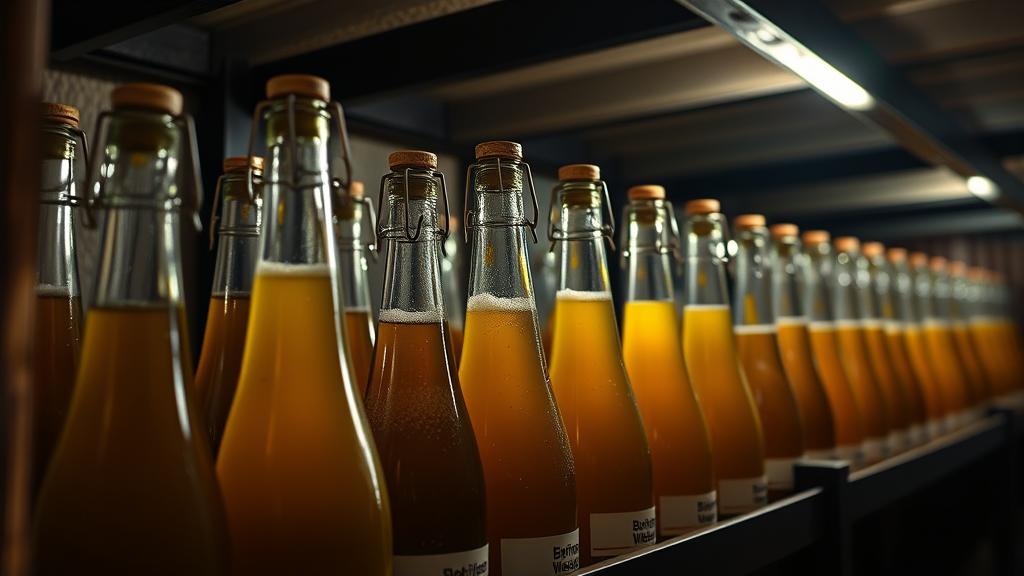
This is the bit that separates Berliner Weisse from faster beer styles. You’re not racing to drink it in two weeks. You’re nurturing a live culture that’s evolving.
pH Monitoring – Check weekly with simple strips. You’re looking for a gradual decline from around 4.2 (post-yeast fermentation) toward 3.5–3.8 (fully soured). If it stalls above 4.0 for weeks, your Lactobacillus might be struggling. Cold temperatures slow it; warmer (22–24°C / 72–75°F) speeds it up.
Taste Notes – Around week 2–3, you’ll notice a slight sharpness. By week 5–6, it should be noticeably tart but not harsh. If it ever tastes vinegary or off, something went wrong—discard and investigate.
Patience Wins – Genuinely traditional Berliner Weisse aged for months in earthen vessels. While you don’t need to go that far, allowing 6–8 weeks total from brew day to drinking dramatically improves complexity. The esters from the Weizen yeast meld with the acidity, creating something far more balanced than a faster sour.
Tasting Notes & My Honest Review

My most recent batch (brewed January 2026, ready in March) hit exactly what I was aiming for. Pale gold, hazy—the wheat and yeast create a natural cloudiness that’s authentic and beautiful. Pour it into a traditional Weizen glass and the head is thick and creamy, almost meringue-like.
The aroma is subtle: slight citrus esters from the yeast (lemon, maybe apple), a whisper of wheat grain, and almost nothing from the hops. It’s not aggressive.
First sip? Dry, refreshing tartness hits immediately. The acidity is clean—nothing vinegary or harsh, just a bright lactic bite. Underneath, the wheat and pale malt create a soft, slightly sweet backdrop. It’s not sour-first; it’s balanced. The mouthfeel is silky, almost creamy. And the carbonation adds effervescence that makes you want another sip.
At 3.0% ABV, it’s a session beer you can actually session. I’ve been drinking these on warm afternoons, and they vanish fast. It pairs brilliantly with light dishes—fresh fish, salads, soft cheeses. Traditional Berlin food pairings often included currywurst or pickled snacks, and those still work beautifully.
One honest note: if you’re used to bold, fruity sours, this might feel subtle. It’s not a show-off beer. It whispers. But that’s the point. After a few bottles, the subtlety becomes the entire appeal.
Pro Tips & Common Mistakes
- Don’t skip the Lactobacillus – Trying to rely solely on wild fermentation or cross-contamination is risky. Pure cultures give you control. HomeBrewTalk forums are full of brewers with Lactobacillus culture recommendations—check before your brew.
- Temperature control matters – Cold slows souring dramatically. If your space is below 18°C (64°F), either warm it gently or accept a longer timeline (8+ weeks). Heat to 24°C (75°F) and it accelerates—sometimes too much.
- Sanitation is critical, but relax – You want your Lactobacillus to work, but you don’t want nasty contamination. Use standard homebrew sanitation. You’re not running a sterile lab.
- pH strips are your friend – Don’t guess. Buy a pack of simple pH strips (the cheap ones work fine) and check weekly. They cost £3–5 and prevent disasters.
- Bottle-condition longer than you think – Two weeks minimum. Three weeks is better. The conditioning does more than carbonate; it develops flavour.
- Don’t overpitch hops – This is a common mistake. More than 15 IBU starts to muddy the delicate balance. Stick to mild nobles, used minimally.
Variations & Next-Level Experiments
Once you’ve nailed a basic Berliner Weisse, the style opens up beautifully to experimentation.
Fruit Additions – Traditionally, Berlin brewers would serve them with a shot of raspberry or woodruff syrup. You can add fruit to your batch: raspberries, strawberries, even exotic ones like pomegranate. Add fruit post-fermentation (when souring is done) to avoid fermentable sugars causing over-carbonation.
Wild Fermentation Blends – If you’re interested in hybrid fermentation blends mixing ale and lager techniques, Berliner Weisse can incorporate Brettanomyces for extra complexity. Pitch Brett alongside the Lactobacillus and give it even longer (8–12 weeks). The result is funky, fruity, and deeply interesting.
Kettle Sour Variant – If you want faster results, try a kettle sour: pitch Lactobacillus into your mash at 50°C (122°F) for 24–48 hours to sour the wort before boiling. It’s technically a different style, but faster and less risky for beginners nervous about long co-fermentations.
Grain Bill Experiments – Try adding oats or flaked wheat to increase silkiness. Or reduce wheat and add a bit of acid malt if you want more tartness naturally. The base recipe is flexible.
Conclusion: Why Berliner Weisse Belongs in Your Brewery Right Now
In 2026, with mindful drinking driving beer culture toward lower ABV, greater complexity, and genuine craftsmanship, Berliner Weisse feels perfectly timed. It’s not a trend that’ll burn out in a year, a style that teaches you fermentation science, respects your time, and produces something honestly delicious. It’s the kind of beer a Benedictine monk might have appreciated: simple, refined, and earning its place through genuine quality rather than hype.
Whether you’re a beginner fascinated by fermentation cultures or an experienced brewer ready to slow down and play with wild fermentations, Berliner Weisse rewards patience. Start with one batch. Monitor it closely. Learn from it. In six weeks, you’ll have a beer that tastes like nothing else you’ve made—and you’ll understand why Berlin held onto this style for centuries.
🍺 Join the Brotherhood — Monthly brews, stories & monk wisdom
Subscribe for exclusive recipes, early brew logs, and behind-the-scenes updates straight to your inbox.