Why Swiss Roll Stout Is the Dessert Trend Reshaping Homebrewing in 2026
If you’ve spent the last year chasing IPAs, sour ales, and session beers, let me tell you what’s actually causing a stir in the brewing community right now: Swiss Roll Stout. This isn’t some obscure experimental style. It’s a full-blown trend that’s taken professional breweries and homebrewers alike, and for good reason — it’s nostalgia wrapped in craft sophistication.
The premise is deceptively simple: think of a Swiss roll cake — that soft sponge layered with jam and topped with cream — and translate those flavours into a stout. You get chocolate, vanilla, subtle fruit notes, and a creamy, almost dessert-like mouthfeel with surprisingly low bitterness. It sits at the intersection of indulgence and approachability, which explains why it’s resonating with both seasoned enthusiasts and casual drinkers alike.
According to recent industry analysis, what’s driving trends in 2026 is exactly this: nostalgia-tinged drinks that straddle indulgence with sophistication. Swiss Roll Stout is the textbook example. And as a homebrewer, you’re in a perfect position to brew this at home before your mates catch on at the pub.

Understanding the Flavour Profile: Cake in a Pint Glass
Let’s be clear: this isn’t a gimmick. A well-made Swiss Roll Stout is legitimately delicious, and it’s built on solid brewing science.
The core of the style is a rich, smooth stout base — think of the malt bill you’d use for a classic coffee stout, but with an emphasis on chocolate and roasted notes rather than bitterness. What makes Swiss Roll Stout unique is the layering of vanilla, subtle fruit (often passionfruit or berry undertones), and creamy sweetness on top. The result should be:
- Aroma: Chocolate, vanilla, faint cake-like sweetness, mild fruit
- Flavour: Rich chocolate, creamy vanilla, subtle jam notes, gentle sweetness with minimal hop bitterness (IBUs typically 15-25)
- Mouthfeel: Full-bodied, silky, almost dessert-like creaminess
- Finish: Clean, slightly sweet, no harsh dryness
- ABV: Typically 6-7.5% — sessionable despite the richness
For more detailed guidance on stout characteristics and judging standards, the BJCP (Beer Judge Certification Program) style guidelines provide an authoritative framework for understanding how this style compares to traditional stouts and porters.
The genius is that it walks a tightrope. Too much sweetness and it becomes cloying. Too much roast and you lose the delicate vanilla and fruit. Get it right, and people won’t stop talking about it.

The Recipe: Brew Day Essentials
Here’s a solid Swiss Roll Stout recipe for a 20-litre (5-gallon US) batch:
Grain Bill (68% efficiency target)
- Pale Malt (2-row or British): 3.2 kg (7 lbs)
- Munich Malt (optional, adds depth): 400 g (14 oz)
- Chocolate Malt: 300 g (10.5 oz)
- Black Patent Malt: 150 g (5.3 oz)
- Carafa Malt (or similar): 100 g (3.5 oz)
- Crystal 60L: 200 g (7 oz) — adds subtle sweetness
Total: ~4.35 kg (9.6 lbs)
For sourcing quality malts and specialty ingredients, suppliers like The Malt Miller offer a curated selection of malts, hops, and adjuncts at competitive UK prices, with helpful brewing guides and support.
Hops
- Challenger or Fuggles: 15 g at 60 min (bittering only, aim for 18-22 IBUs)
- No late additions — you don’t want any aromatic hops competing with the vanilla and fruit
Other Additions
- Vanilla Extract (real Madagascar vanilla, not imitation): 1 tsp per litre of finished beer (approximately 20 ml for 20L). Add in the last 2 weeks of conditioning.
- Passionfruit Puree (optional): 200-300 ml, added after primary fermentation (week 3-4)
- Lactose (Milk Sugar): 200 g, added to kettle during last 15 minutes of boil. This contributes to creaminess and residual sweetness.
Yeast
Use a clean, neutral ale yeast: Wyeast 1056 (American Ale), Safale US-05, or equivalent. You want the malt and vanilla to shine, not yeast esters.
Water
Treat your water for a stout: aim for a sulfate-to-chloride ratio of roughly 1:2 to emphasise smoothness over minerality. A pinch of gypsum (calcium sulphate) is fine, but don’t overdo it.
Brew Day Notes
Mash at 66–67°C (151–152°F) for 60 minutes. You want good fermentability but also some residual sweetness, so don’t mash too high. Single infusion is fine. Run-off at 154°F (68°C) to avoid extracting too much tannin from the darker grains.
Boil for 60 minutes. The lactose goes in at 15 minutes remaining. Keep it simple — no complex boil additions, no aroma hops. You’re building a blank canvas for the vanilla and fruit to paint on.
Fermentation & Conditioning: Where the Magic Happens
Pitch at 18–19°C (64–66°F) and let it sit. For real-time fermentation troubleshooting and community tips, HomeBrewTalk is an invaluable resource where thousands of homebrewers discuss fermentation techniques and share recipes. Aim for completion in 10-14 days, then step up to 20°C (68°F) for a diacetyl rest if using an ale yeast. Once fermentation is done, you’ve got choices.
Option A: Vanilla-First Approach (recommended)
Rack to a secondary fermenter after 7 days. Add 20 ml (approximately 1 tsp per litre) of real vanilla extract, stir gently, and let it sit for 10-14 days. The vanilla will integrate beautifully and lose some of its harsh alcoholic edge.
Option B: Fruit Interlude
If you’re adding passionfruit puree, do it after the vanilla stage (week 3-4). Passionfruit adds a subtle tartness and exotic character that mimics the jam layer in a Swiss roll. Use 200-300 ml per 20L batch, added to a separate vessel before blending back into the primary.
This is similar in principle to techniques described in fruit beer brewing, but much gentler and more integrated.
Carbonation & Packaging
Bottle or keg after 4-5 weeks total. This isn’t a style you want heavily carbonated — aim for 2.0-2.3 volumes of CO₂ (gentle carbonation, like a proper cask ale). The lower carbonation lets the creamy, dessert-like qualities shine through.
Tasting Notes & Honest Review
I brewed this style for the first time in May, and I’ll be honest: the first bottle was almost a letdown. It tasted sweet and alcoholic, the vanilla was harsh, and the whole thing felt unbalanced. But I waited. By week 3, something shifted.
The vanilla began to meld with the chocolate and roasted malt. The passionfruit undertones emerged from the background. The sweetness became sophisticated rather than cloying. By month 2, it was genuinely excellent — a beer I’d happily serve to friends without any caveat.
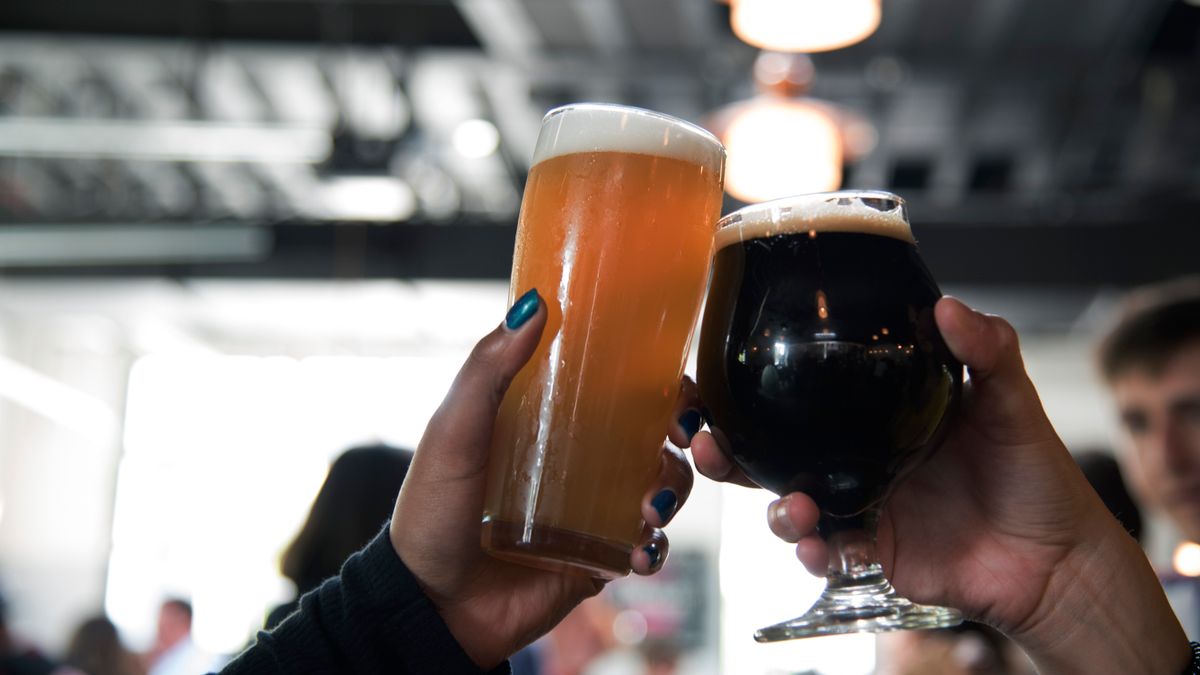
The best glass I had was on a cold evening, poured into a tulip glass, allowing the aroma to develop. The nose was pure Swiss roll: vanilla, chocolate, faint jam. The first sip was creamy and full-bodied, with enough bitterness on the back end to keep it from being a dessert wine masquerading as beer. The finish was clean and slightly sweet, lingering pleasantly.
At 6.5% ABV, it’s deceptively drinkable. You can have two without feeling hammered, but the richness naturally limits consumption. It’s a dessert beer in the truest sense — something to sip after dinner, not a session beer.

Variations & Next-Level Experiments
Once you’ve nailed the base recipe, there’s endless room to play. Here are variations worth trying:
The Spiced Route
Add a touch of cinnamon, nutmeg, or even cardamom. Use sparingly — 2-3 grams per 20L. Too much and it tastes like dessert seasoning rather than beer. Think of it as subtle spice in the background, like spiced chocolate.
The Boozy Path: Higher ABV
Scale up to 8-9% ABV by increasing the pale malt and crystal malt. The richness becomes even more pronounced. I haven’t tried this yet, but it’d be closer to a low-ABV brewing counterpart in terms of strategy — using sweetness and mouthfeel to compensate for alcohol rather than bitterness.
The Barrel Route
If you’ve access to a used bourbon or wine barrel, imagine aging this for 6-12 months. The oak would add vanilla depth (complementing the extract), and subtle bourbon notes would round out the profile beautifully. This is where barrel aging for homebrewers techniques come into play.
The Vegan Route
Skip the lactose and use a blend of oat malt (10-15% of grist) to add natural creaminess without animal products. You’ll lose a touch of sweetness, but the beer remains decadent and, well, vegan.
Common Mistakes to Avoid
- Too much vanilla too soon: Vanilla extract added at the start tastes like perfume. Always add it late (last 2 weeks).
- High carbonation: This beer needs gentle carbonation. Over-carbonate and it becomes fizzy and harsh.
- Over-roasting: A touch of black malt is fine, but don’t go overboard. This is chocolate, not charcoal.
- Rushing conditioning: Give it at least 4-5 weeks before opening the first bottle. Patience is genuinely your friend here.
- Acidic or cheap vanilla: Use real vanilla extract, not imitation vanillin. The difference is stark.

Why Swiss Roll Stout Matters in 2026
Honest talk: the wider craft beer market is contracting. Volume is down, and competition is fierce. But within that contraction, there’s a clear trend emerging. CAMRA (Campaign for Real Ale) has long championed craft beer quality and innovation, and their research highlights how British brewers are evolving consumer tastes through experimental styles like Swiss Roll Stout. — consumers aren’t chasing extreme hops or complex sours anymore. They want flavour, nostalgia, and a sense of occasion. Industry analysis suggests that 2026 is shaping up as a return to classics and comfort, but with craft execution.
Swiss Roll Stout is the perfect expression of that. It’s not technically complex — it’s straightforward brewing with excellent ingredients and patience. But it hits an emotional note that straightforward pale ales or traditional bitters can’t touch. It’s indulgent without being experimental. It’s approachable without being boring.
And for homebrewers, it’s an opportunity. You can brew this now, ahead of the curve. When your friends discover it on a pub shelf (and they will), you’ll already have the recipe dialled in. You’ll know the pitfalls, the timing, the variations. That’s the advantage of staying close to emerging trends and actually brewing them.
Final Thought
Brewing Swiss Roll Stout is about embracing indulgence in a way that’s still honest and crafted. It’s comfort beer with a craft story. It’s proof that you don’t need extreme bitterness, wild yeasts, or obscure ingredients to make something genuinely memorable.
Start with the base recipe. Get the vanilla and lactose integration right. Give it time. And when you pour that first glass and taste chocolate, vanilla, and cake in a stout, you’ll understand why this trend is real.
Now go brew something delicious.
🍺 Join the Brotherhood — Monthly brews, stories & monk wisdom
Subscribe for exclusive recipes, early brew logs, and behind-the-scenes updates straight to your inbox.