It’s 2026, and if you’ve been following the craft beer renaissance closely, you’ve already noticed the shift. The hazy IPA’s stranglehold on the taproom is finally loosening. Brewers worldwide are looking back at the tradition-forward styles, and within that wave, something interesting is happening: hoppy lagers are quietly becoming the next frontier.
This isn’t a completely new style—brewers have been experimenting with American hops and lager yeasts for years. But something shifted. In early 2026, trade publications, homebrewing communities, and craft breweries collectively woke up to the potential of a beer that bridges two worlds: the crisp, clean mouthfeel of a proper lager with the bright, aggressive hop character that IPA lovers crave.
I’ve been brewing for nearly a decade now, and I’ll admit: I was sceptical at first. Lagers are finicky. They demand patience, cold fermentation, and a longer timeline than ales. Adding aggressive dry-hopping to that process seemed like asking for trouble. But after my first experiment with a hoppy lager earlier this year, I understand the appeal. And if you’re serious about expanding your brewing repertoire, this is a trend worth understanding—and attempting.
Why Hoppy Lagers? The 2026 Context
Before we get into the technical details, let’s talk about why now. The beer world has been experiencing a lager renaissance for a few years, driven by drinkers seeking cleaner, crisper profiles than the juicy, tropical hazy IPAs that dominated the last decade. Simultaneously, breweries have been testing the boundaries of what’s possible within traditional styles, and that curiosity has led directly to hoppy lagers.
What makes hoppy lagers compelling is that they’re uniquely positioned to appeal to multiple segments of drinkers. For IPA purists, they offer the bitter, resinous, piney notes they crave—often with interesting floral undertones. For lager loyalists, they’re a bridge that respects the clean fermentation and smooth finish that lager yeast provides, without abandoning the complexity that makes beer interesting.

Ingredients: Building the Hop-Forward Lager
The ingredient list for a hoppy lager is deceptively simple, but the choices you make matter enormously. For a 20 litre batch:
Malt Base: Pilsner malt (80–85%) and Munich malt (10–15%). Aim for 1.048–1.055 OG.
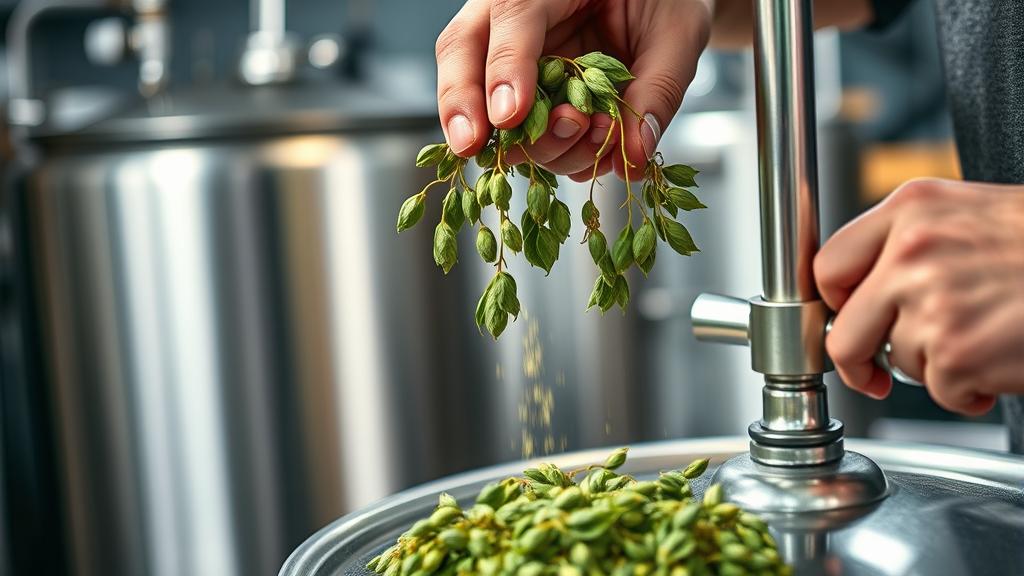
Hops: Cascade, Citra, Galaxy, or Hallertau Blanc. 50–60 IBUs bittering, with dry-hopping in the conditioning phase.
Yeast: WLP800 (Pilsner Lager) or Wyeast 2308 (Munich Lager).
Water: Neutral to slightly sulfate-forward.
Fermentation and Conditioning: Patience Rewarded
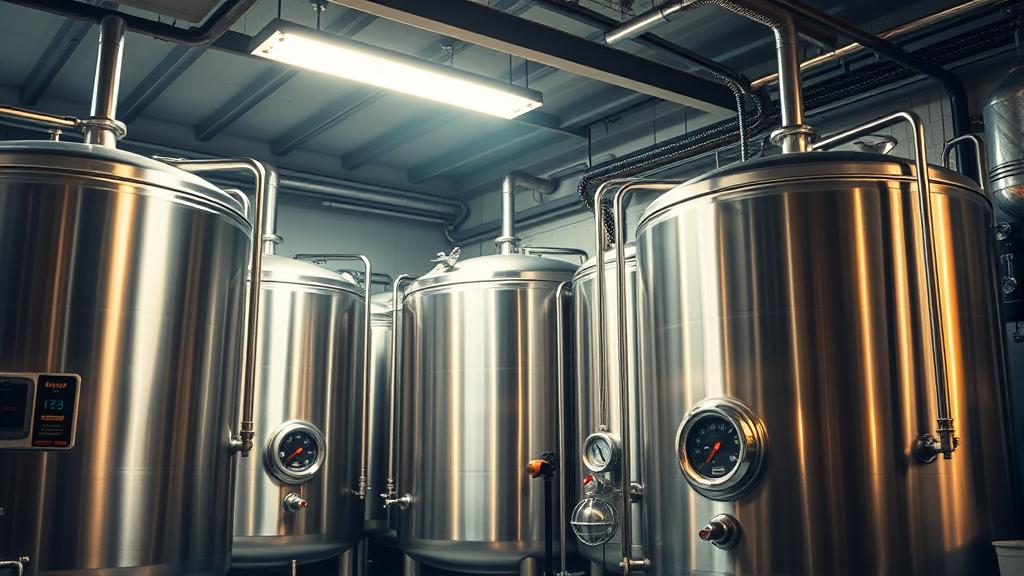
Maintain 12–14°C (54–57°F) for primary fermentation (7–10 days). After reaching terminal gravity, raise to 16°C and dry-hop for 5–7 days. Then cold-crash at 0–2°C for 2 weeks. Total timeline: 4–5 weeks.
Tasting Notes and My Honest Review
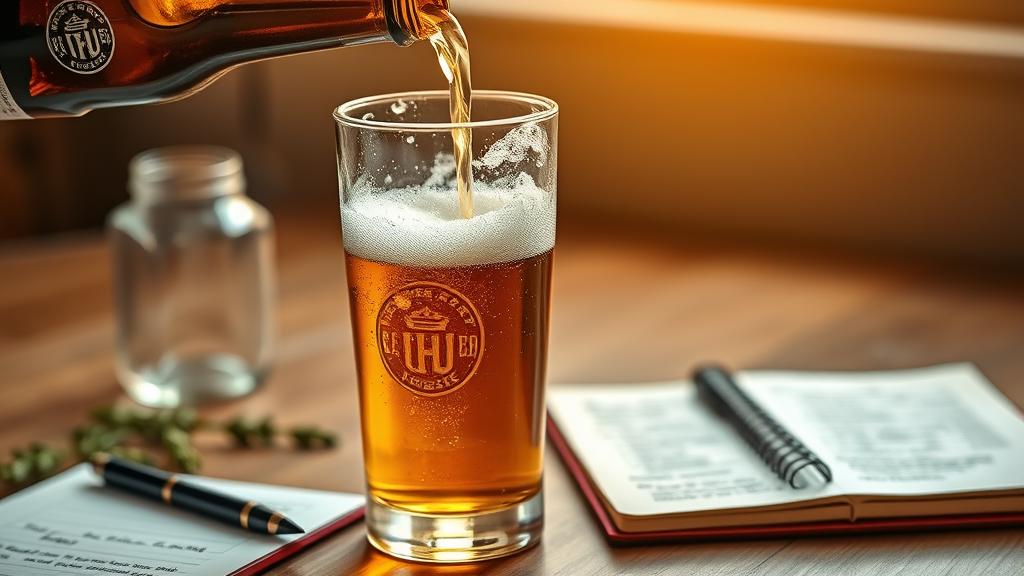
The Galaxy + Hallertau Blanc batch was genuinely smooth—almost silky—with a persistent bitterness in the finish. The Galaxy brought stone fruit and passion fruit notes. It drank like a premium pilsner with attitude.
Pro Tips and Common Mistakes
Don’t overcomplicate the malt bill: Pilsner-based recipes are your best foundation.
Temperature control is non-negotiable: Use a fermentation chamber.
Don’t cheap out on hops: Buy fresh, high-quality hops from reputable suppliers.
Avoid extended dry-hop times: 5–7 days is the sweet spot.
Plan for packaging: Enjoy fresh—within 2–3 months of packaging.
Conclusion: Give Hoppy Lagers a Go
If you’ve been brewing for a few years and you’ve mastered ales, hoppy lagers are the logical next frontier. They demand patience, precision, and a willingness to commit 4–5 weeks to a single brew. But the result is a beer that’s genuinely different from anything dominating taprooms right now.
Start simple. Pilsner base, clean bittering, one or two quality hop varieties, and a disciplined dry-hopping approach. Respect the temperature profile. Wait. And then taste the results.
🍺 Join the Brotherhood — Monthly brews, stories & monk wisdom
Subscribe for exclusive recipes, early brew logs, and behind-the-scenes updates straight to your inbox.