Gruit Mastery: Brewing Medieval Herbal Beer at Home
When you think of beer, hops probably come to mind first. But here’s what most modern brewers don’t realise: for over a thousand years, brewers made outstanding beer without a single hop flower. Instead, they used gruit—a carefully balanced blend of herbs and botanicals that created complex, mysterious flavours that commercial breweries have only recently rediscovered.
In 2026, gruit is having a genuine moment. It’s trending in craft beer circles, showing up in artisanal breweries across Europe and North America, and most importantly for us home brewers, it’s entirely accessible to make at home. You don’t need rare ingredients or expensive equipment. You need curiosity, a willingness to experiment, and an appreciation for what medieval brewers knew all along: that beer can be far more interesting than what’s sitting on supermarket shelves.
This is honest gruit brewing—practical, slightly unpredictable, and genuinely rewarding.
What is Gruit? Why This Trend Matters in 2026
Gruit (pronounced “groot”) isn’t a style of beer in the traditional sense. It’s a brewing philosophy: creating ale using herbs, botanicals, and spices instead of hops. The term comes from old Germanic and Dutch traditions, where brewers blended mugwort, yarrow, heather, juniper, caraway, and other aromatic plants to balance bitterness, add complexity, and preserve their beer during long storage.
For centuries, gruit was the standard. Hops didn’t dominate European brewing until the 15th and 16th centuries, and even then, gruit lingered in remote brewing communities. Monastic breweries—particularly those influenced by Benedictine traditions—kept detailed records of their gruit formulas, treating them as closely guarded secrets.
Why is this relevant now? Because modern craft beer has largely forgotten how to use herbs in complex, thoughtful ways. Gruit represents a return to experimentation, to understanding that beer doesn’t need to conform to BJCP guidelines to be excellent. It’s a reminder that brewing is fundamentally about balance: bitter, sweet, aromatic, herbal, and the interplay between them.
Ingredients & Equipment: Building Your First Gruit Recipe
The beauty of gruit is that there’s no single correct formula. Medieval brewers experimented constantly based on what grew locally and what their palate preferred. For your first brew, I’d suggest starting with a balanced blend rather than trying to recreate a specific historical recipe.
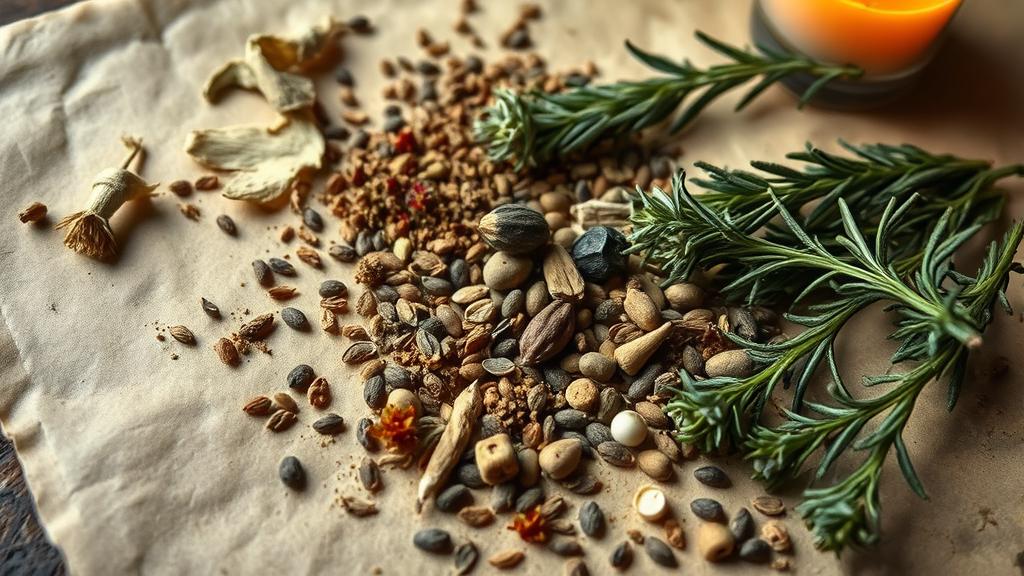
The core gruit herbs are:
- Mugwort (20-30% of your blend): The primary bittering agent. Subtle, slightly herbal, less harsh than hops. It was the workhorse of medieval gruit.
- Yarrow (20-30%): Floral, slightly spicy, adds complexity. This is what elevates gruit beyond simple bitterness.
- Heather (10-20%): If you can source it, heather adds a delicate sweetness and aromatics. UK brewers have an advantage here—it grows wild.
- Juniper berries (10-15%): Adds a distinctive piney, slightly citric note. Use sparingly or it dominates.
- Supporting herbs (remaining): Rosemary, thyme, caraway, coriander, or even lavender. These add nuance.
For a standard 20-litre (5 US gallon) batch, much like crafting a low-ABV session beer,, I typically use about 50-70 grams (1.75-2.5 oz) of dried gruit blend. You can source these from suppliers like The Malt Miller (they stock gruit kits) or GetErbrewed, which often have foraged, organic options.
Equipment-wise, you’re not doing anything revolutionary. A standard all-grain brew day is identical to a gruit brew day. The only addition might be a mesh steeper bag or fine strainer to keep herb matter out of your carboy during fermentation—trust me on this one.
Step-by-Step Gruit Brew Day
Here’s how a typical gruit brew day unfolds:
- Prepare your base ale: Gruit works best with simple, malty bases. I recommend starting with a pale ale recipe (around 1.050 OG / 1.010 FG) using basic pale malts. The grain bill should support the herbs, not compete with them. A simple recipe: 4 kg (9 lbs) pale ale malt, 0.5 kg (1.1 lbs) crystal malt, nothing more.
- Mash as normal: Hit 65°C (149°F) for 60 minutes. No tricks here.
- Sparge and run off: Collect your wort, aiming for about 25 litres (6.6 US gallons) pre-boil.
- Bring to a boil: Once your wort is rolling, add your gruit blend. Unlike hops, you add gruit all at once at the start of the boil. This is non-negotiable. The 60-minute boil is enough to extract bitterness and preserve the beer, but not so long that you lose the delicate aromatics.
- Keep it gentle: Here’s where gruit differs: maintain a rolling boil, but don’t go mad with vigour. Aggressive boiling can make herbal flavours harsh and bitter in unpleasant ways. A calm, steady boil is your friend.
- At 45 minutes into the boil: If you want added aroma (which I recommend), add a small handful of fresh herbs—rosemary sprigs, thyme, whatever feels right. This is where you start to develop a signature.
- Boil out to 60 minutes: No whirlpool, no immersion chiller yet. Just let it calm down naturally.
- Cool, strain, and pitch: Use a fine mesh strainer to separate the herb matter as you transfer to your fermenter. Any stray bits will cause hazing or off-flavours during fermentation. A standard ale yeast (like Safale US-05 or Nottingham) works perfectly here.

Fermentation & Conditioning: Patience Pays
Gruit fermentation is unremarkable in the best possible way. Your yeast won’t care that you’ve skipped hops. Ferment at your yeast’s preferred temperature (typically 18-21°C / 64-70°F for a clean ale yeast) for about 10-14 days until activity slows.
Here’s where gruit demands patience: the dry hop equivalent in gruit is conditioning time. Herbal flavours meld and round out over weeks. I recommend a minimum of 3-4 weeks in the bottle or keg before you judge the finished beer. At two weeks, a gruit can taste harsh or disjointed. At a month, all the elements snap into focus.
Temperature stability during conditioning is essential—aim for cellar temperatures (around 13-15°C / 55-59°F) if you can manage it. This is where those medieval stone cellars made sense.

Tasting Notes & My Honest Review
After four weeks, I opened the first bottle of my recent gruit batch—50 grams of a blend that was roughly 25% mugwort, 25% yarrow, 15% juniper, 15% heather, and 20% supporting herbs (rosemary, thyme, caraway).
First impression: the head is thick and creamy, almost milk-white. The aroma is immediately different from anything hopped. It’s floral, herbal, slightly pine-forward, with an undertone of earthiness. Not unpleasant, but unfamiliar if you’ve only drunk commercial beer.
On the palate: dry, slightly tannic (from the yarrow and mugwort), with subtle bitterness that lingers without harshness. The middle has a soft herbalism—thyme and rosemary come through clearly. There’s almost a medicinal quality, but in a thoughtful way, not like you’re drinking cough medicine. The finish is clean and slightly warming.
Would I recommend this batch? Absolutely. Is it objectively “better” than a crisp IPA? Not for everyone. But it’s interesting, it’s different, and it tastes like something made by human hands and experimentation, not a formula optimised for mass consistency.

Pro Tips & Common Mistakes
Mistake #1: Adding gruit late in the boil. Gruit needs the full 60-minute boil to extract properly. Add it at the start. If you’re tempted to “dry gruit” it late, resist. That experiment rarely works.
Mistake #2: Using fresh herbs in too high a quantity. Fresh herbs are lovely, but they’re not as potent as dried. Use half the weight of fresh herbs compared to dried, and add them late (20-30 minutes into the boil) if you want to preserve aroma.
Mistake #3: Overlooking quality sourcing. Not all dried herbs are suitable for brewing. When sourcing botanicals, ensure whatever you source is food-grade and ideally from sustainable brewing suppliers and hasn’t been treated with pesticides. Culinary herbs from your local supermarket are generally fine, but foraged or specialty brewing suppliers are better.
Pro tip: Keep meticulous notes on your gruit formula. Unlike hopped beers where recipes are standardised, your personal gruit recipe is your own. After two or three batches, you’ll have dialled in a blend you genuinely prefer. That’s when gruit becomes craft.
Pro tip #2: Don’t stop at the basic blend. Once you’re confident, experiment with one change per batch. Try adding 10% caraway in one batch, 15% heather in the next. This is how medieval brewers learned their craft, and it’s how you’ll truly understand what each ingredient contributes.
Variations & Next-Level Experiments
Once you’ve nailed a base gruit, the variations are endless:
- Honey gruit (braggot-style): Add 1-2 kg of local honey at the end of the boil. This creates a softer, slightly sweet beer that bridges gruit and mead.
- Fruit gruit: After conditioning for two weeks, add fresh fruit (berries, stone fruit) to the secondary. The herbal base complements stone fruits beautifully—try gruit with peaches or apricots.
- Spiced gruit: Introduce warm spices—cinnamon, clove, anise—at 10 minutes into the boil. This is genuinely medieval; monks did exactly this.
- Sour gruit: A wild fermentation or lactobacillus pitch creates something closer to historical sours. It’s unpredictable and occasionally brilliant.
The point: gruit is a framework, not a cage. You’re not trying to achieve consistency across batches; you’re documenting a journey.
Conclusion: Brewing Like a Benedictine Monk
Gruit represents something that’s been mostly lost in modern brewing: the idea that there’s no single “correct” beer. Medieval brewers didn’t obsess over exact bitterness units or fermentation curves. They brewed what their materials and instinct suggested, and they created beers that lasted centuries in cultural memory.
Brewing gruit isn’t about nostalgia. It’s about reclaiming agency in your brewing. It’s an acknowledgement that the hop-forward world is vast and excellent, but there are other paths worth exploring.
Your first gruit batch won’t be perfect. Mine wasn’t. But it will be yours—genuinely, unmistakably yours in a way that a recipe from a website can never be. That’s worth the experiment.
🍺 Join the Brotherhood — Monthly brews, stories & monk wisdom
Subscribe for exclusive recipes, early brew logs, and behind-the-scenes updates straight to your inbox.