The Rise of Fruited IPAs: Balancing Fruit Flavours with Hop Character
As we move through 2026, one trend continues to dominate both craft brewery taprooms and homebrew setups alike: the explosive popularity of fruited IPAs. What began as a niche experiment has evolved into a mainstream movement, with brewers across the spectrum embracing fruit additions to create beers that are simultaneously familiar and innovative.
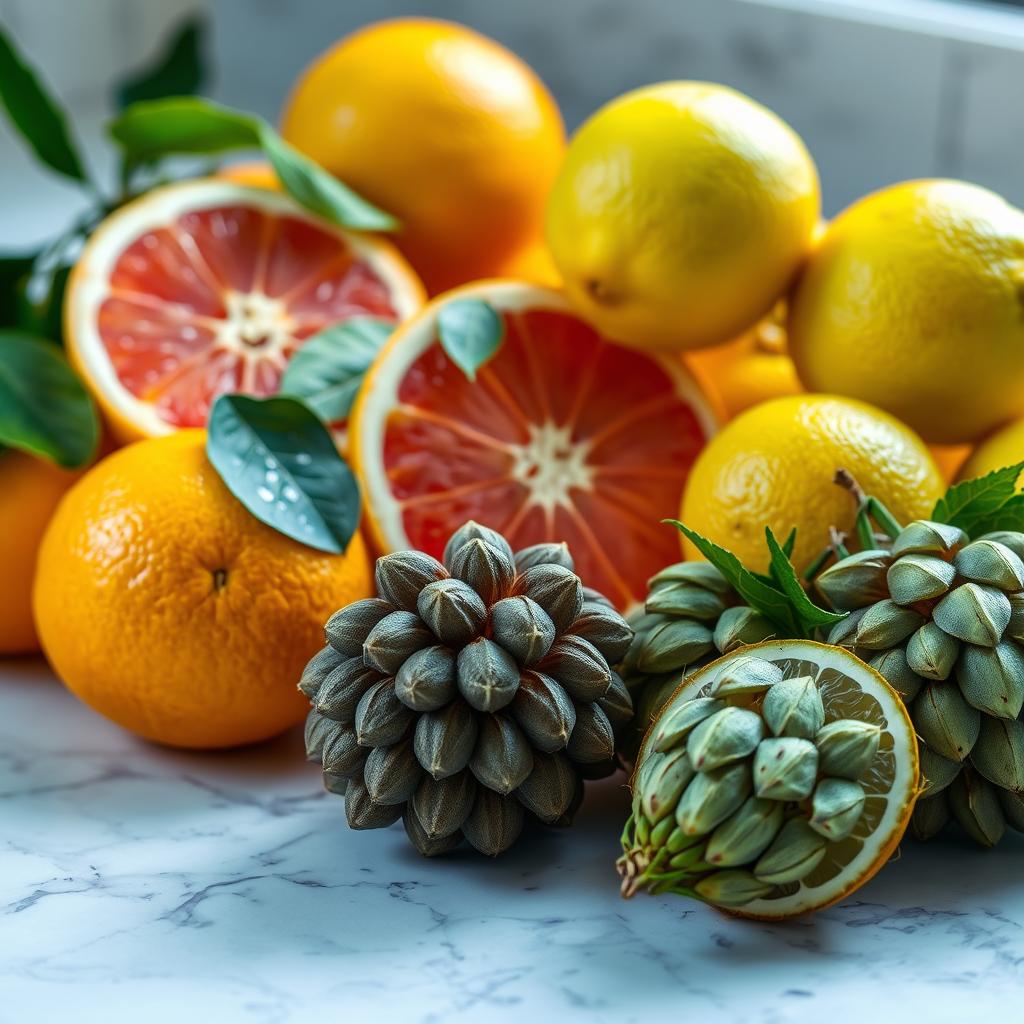
Why Fruited IPAs Are Having Their Moment
The appeal of fruited IPAs isn’t difficult to understand. At their best, they offer drinkers the best of both worlds: the aromatic complexity and bitterness of traditional IPAs combined with the bright, approachable flavours of fresh fruit. This combination has proven particularly appealing to newer craft beer drinkers who might find intensely bitter West Coast IPAs challenging.
According to industry reports tracked by MyBeerBuzz.com, fruit-forward beers are everywhere in 2026—from major releases like New Belgium’s “Blood Orange IPA” to countless small-batch experiments in local taprooms. The trend reflects a broader shift toward approachable, flavour-enhanced styles that appeal to casual drinkers and younger audiences alike.
The Technical Challenge: Fruit vs. Hops
For brewers, creating a successful fruited IPA presents unique challenges. The most significant is balancing fruit character with hop presence. Too much fruit can overwhelm hop aromatics, while too little can make the addition seem pointless.
Experienced brewers recommend several strategies:
- Timing is everything: Adding fruit during secondary fermentation preserves more fresh fruit character while minimizing fermentation stress
- Complementary profiles: Pairing citrus fruits with citrus-forward hops (like Citra, Mosaic, or Amarillo) creates harmonious flavour profiles
- Consider the base: A slightly sweeter, less bitter IPA base allows fruit flavours to shine without competition
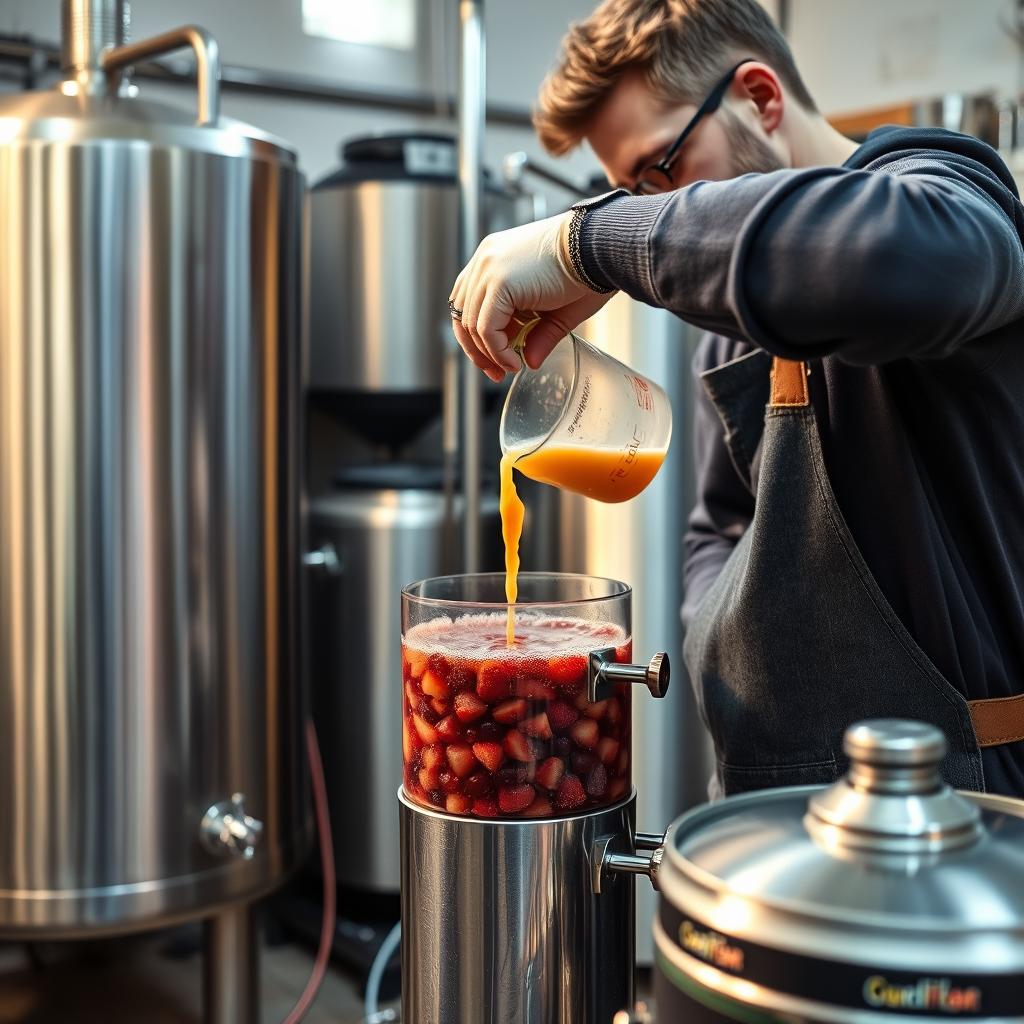
Popular Fruit Combinations in 2026
While the possibilities are nearly endless, certain fruit-hop combinations have emerged as particularly successful:
- Citrus + Tropical Hops: Oranges, grapefruit, or blood orange paired with Sabro, Galaxy, or Nelson Sauvin
- Berry + Piney Hops: Raspberry, blackberry, or boysenberry with Simcoe, Chinook, or Columbus
- Stone Fruit + Floral Hops: Peach, apricot, or nectarine with Cascade, Centennial, or Willamette
For homebrewers looking to experiment, organizations like the Beer Judge Certification Program (BJCP) offer guidelines for fruit beer categories, while communities like HomeBrewTalk provide endless inspiration and troubleshooting advice.
The Commercial Landscape
Major craft breweries have fully embraced the trend. Beyond New Belgium’s collaboration with the Invincible TV series, we’re seeing releases like Keystone Light’s apple-flavoured lager and countless limited editions from regional breweries. The Society of Independent Brewers (SIBA) reports that fruit-enhanced beers now account for nearly 15% of new product launches among member breweries.
This commercial success has interesting implications for the industry. As CAMRA notes in their 2026 market analysis, fruited IPAs represent a bridge between traditional craft beer values and evolving consumer preferences—offering innovation without alienating core drinkers.
Brewing Your Own Fruited IPA: Tips from the Pros
For those inspired to try brewing a fruited IPA at home, here are key considerations:
- Start with quality ingredients: Whether using fresh fruit, purees, or extracts, quality matters. Suppliers like The Malt Miller offer brewing-specific fruit products designed for consistent results
- Mind your sanitation: Fruit additions introduce wild yeast and bacteria risks. Proper sanitation is non-negotiable
- Consider pH impact: Many fruits are acidic and can lower your beer’s pH more than expected
- Patience pays: Fruit flavours often need time to integrate. Don’t rush to package
The Future of Fruited IPAs
As we look beyond 2026, the fruited IPA trend shows no signs of slowing. If anything, it’s evolving. We’re seeing more sophisticated approaches—brewers using multiple fruit varieties in single beers, experimenting with fermentation techniques to preserve delicate aromatics, and even exploring savoury fruit additions (think tomato or pepper IPAs).
What began as a simple way to make IPAs more approachable has become a legitimate sub-style with its own conventions, innovations, and devoted following. For brewers and drinkers alike, fruited IPAs represent the ongoing evolution of craft beer—a reminder that even the most established styles have room for reinvention.
Ready to explore more brewing trends? Check out our guide to The Craft Lager Renaissance or visit The Taproom for more brewing insights. For all our latest articles, browse our complete blog archive.