The Roggenbier Renaissance: Why German Rye Beer Is Making a Comeback in 2026
In the ever-evolving world of craft brewing, where trends come and go with the seasons, one traditional German style is quietly staging a remarkable comeback. Roggenbier—the distinctive rye beer that once dominated Bavarian brewing before barley took over—is experiencing a renaissance that speaks to a deeper shift in brewing philosophy. As we move through 2026, this spicy, complex ale is capturing the imagination of brewers and drinkers alike, offering a taste of history with a distinctly modern appeal.
A Taste of History
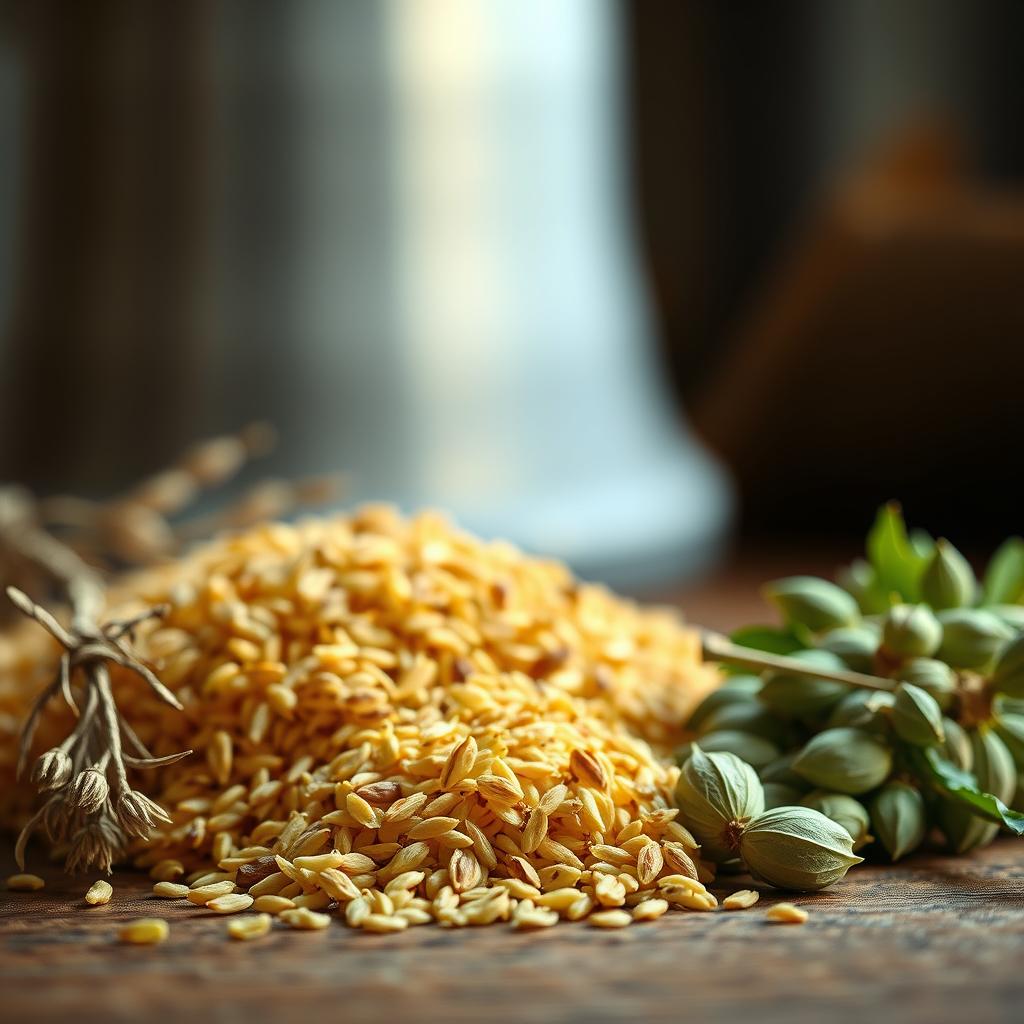
Roggenbier’s story begins in medieval Bavaria, where rye was the dominant grain for both bread and beer. Before the Reinheitsgebot (German Beer Purity Law) of 1516 restricted brewing to barley, rye beers were commonplace across southern Germany. The law, while ensuring quality standards, effectively pushed rye out of brewing and into baking, where it remains a staple of German cuisine today.
For centuries, Roggenbier was nearly forgotten, surviving only in historical records and brewing textbooks. Its modern revival began in the 1980s when German brewers started experimenting with historical recipes, but it’s only in the last few years that this style has gained serious traction. According to the Beer Judge Certification Program, Roggenbier is classified as a historical German beer style, characterized by its distinctive spicy rye character, moderate bitterness, and clean fermentation profile.
Why Now? The Perfect Storm for Rye
Several factors are converging to make 2026 the year of Roggenbier. First, there’s the growing consumer interest in heritage and authenticity. Drinkers today are increasingly curious about traditional brewing methods and historical styles, seeking connections to brewing’s rich past. This aligns perfectly with the broader craft beer movement toward diversity and exploration.
Second, rye offers unique brewing advantages. Its high protein content creates a distinctive mouthfeel—creamy and full-bodied without being heavy. The grain’s natural spiciness (from compounds called alkylresorcinols) provides complexity that stands out in a market saturated with hop-forward beers. As SIBA (Society of Independent Brewers) notes in their 2026 industry report, “brewers are increasingly looking beyond traditional ingredients to create distinctive flavor profiles that can’t be easily replicated.”
Brewing Your Own Roggenbier: Tips for Homebrewers
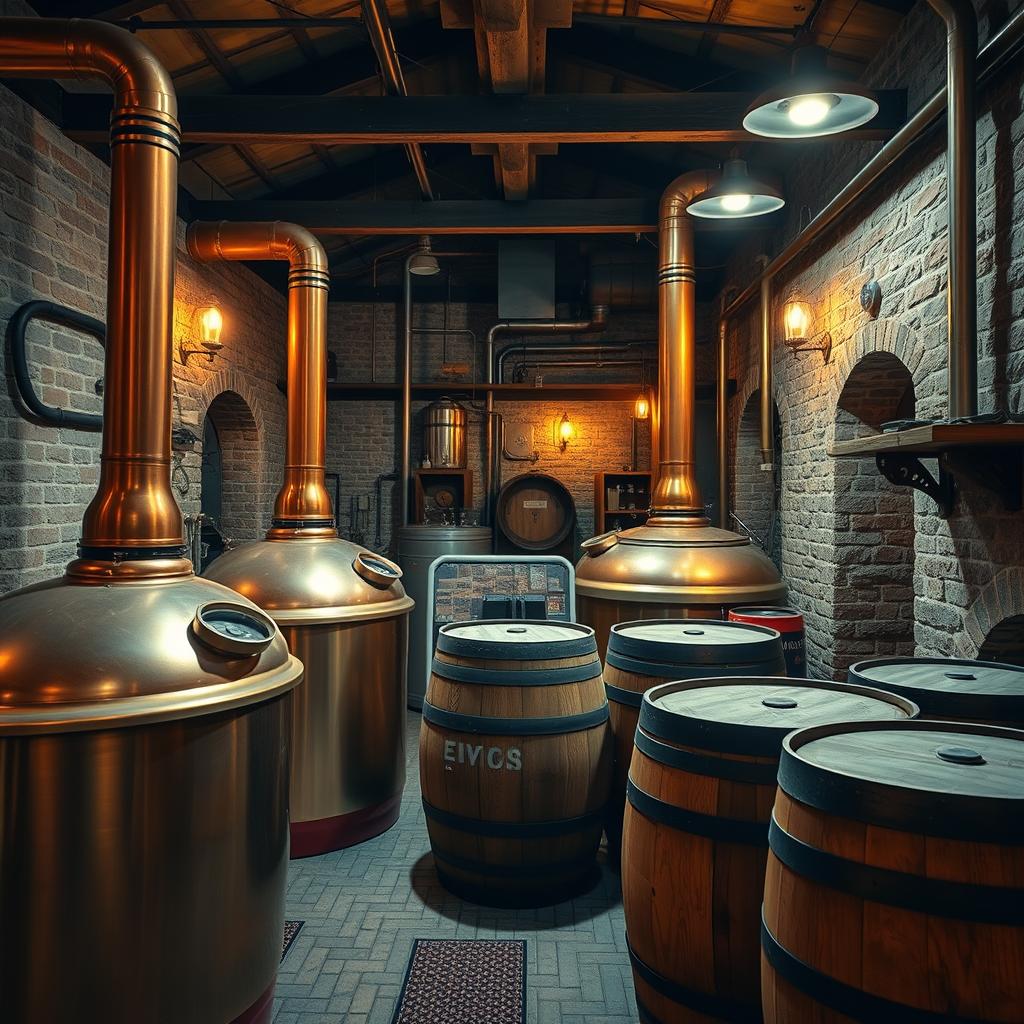
For homebrewers looking to explore this style, Roggenbier presents both challenges and rewards. The high percentage of rye malt (typically 50-65% of the grain bill) requires special attention during the brewing process. Rye lacks a husk, which can lead to stuck sparges—a problem easily solved with rice hulls added to the mash.
The grain bill for a classic Roggenbier might include:
- 50-65% rye malt
- 30-45% Munich or Vienna malt
- 5-10% specialty malts for color and complexity
Hopping should be restrained, with traditional German varieties like Hallertau or Tettnang providing subtle bitterness (15-25 IBU) to balance the malt sweetness. Fermentation with a clean German ale yeast (like Kölsch or Alt yeast) at cooler temperatures (15-18°C) helps maintain the style’s characteristic clarity and drinkability.
As noted by brewing experts at HomeBrewTalk, “The key to a great Roggenbier is balancing the spicy rye character with just enough malt sweetness and hop bitterness to create a harmonious, drinkable beer.” Many brewers also experiment with adding small amounts of caraway or other traditional spices to enhance the rye character, though purists prefer to let the grain speak for itself.
The Future of Rye in Brewing
Beyond traditional Roggenbier, rye is finding its way into other styles as well. Craft brewers are experimenting with rye IPAs, rye stouts, and even rye saisons, drawn to the grain’s ability to add complexity and mouthfeel. This versatility suggests that rye’s comeback isn’t just a passing trend but part of a broader diversification of brewing ingredients.
For commercial breweries, Roggenbier offers a point of differentiation in a crowded market. Its historical pedigree provides a compelling story, while its distinctive flavor profile creates memorable drinking experiences. As CAMRA (Campaign for Real Ale) celebrates traditional brewing methods, Roggenbier fits perfectly into their advocacy for diverse, flavorful beers.
Finding and Enjoying Roggenbier
While still relatively rare compared to mainstream styles, Roggenbier is becoming more available through specialty beer shops and craft-focused pubs. Look for examples from German breweries like Schierlinger or regional craft brewers experimenting with the style. When you find one, serve it in a traditional German beer glass at cellar temperature (10-12°C) to appreciate its full aroma and flavor.
Pair Roggenbier with hearty German fare—think sausages, pretzels with mustard, or rye bread with smoked meats. The beer’s spicy character cuts through rich foods beautifully, while its malt sweetness complements caramelized flavors.
A Style Worth Rediscovering
As we continue exploring the rich tapestry of brewing history in 2026, Roggenbier stands out as a style that bridges past and present. It offers modern drinkers a taste of medieval Bavaria while providing brewers with a canvas for creative expression. Whether you’re a homebrewer looking for your next challenge or a beer enthusiast seeking something genuinely different, this rye beer renaissance is worth raising a glass to.
For more insights into traditional brewing styles and techniques, explore our blog archive or learn about our brewing philosophy. The world of beer is vast and varied—sometimes the most exciting discoveries come from looking back as much as looking forward.