Get Started Today
Making the switch to electric brewing doesn’t require a complete overhaul. Many homebrewers upgrade gradually — starting with a simple immersion element and progressing to a full digital system. The key is understanding your brewing style and choosing equipment that scales with your ambitions.
Why Electric is Winning in 2026
For years, propane was the go-to fuel for homebrewers. It’s portable, affordable, and powerful. But the tide is turning. According to the latest Brülosophy survey data, electric brewing has now surpassed propane as the primary fuel choice for homebrewers in the US and UK. Why? The answer lies in precision, convenience, and control.
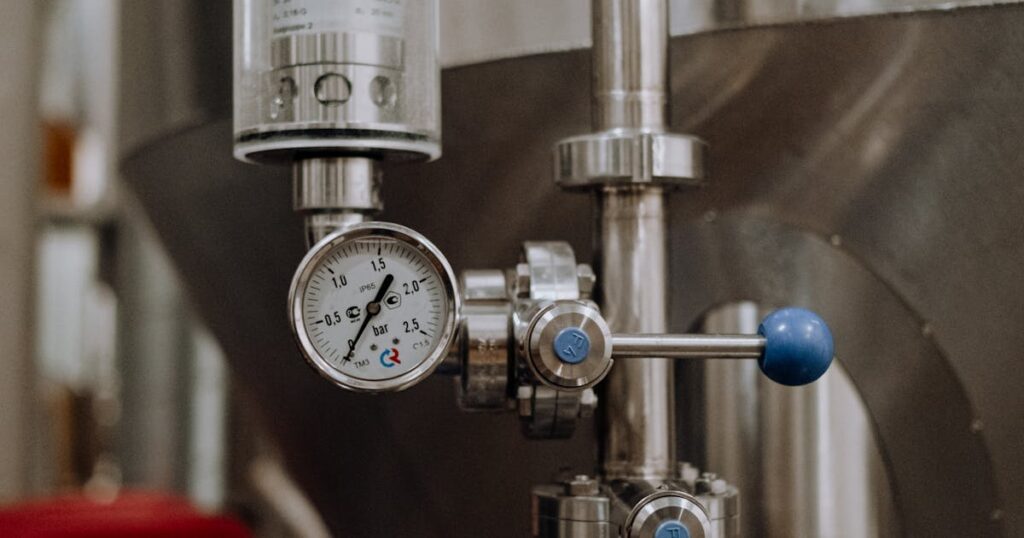
Electric heating elements offer something propane simply can’t: consistent, measurable heat output. Modern systems feature digital thermostats that maintain temperature within a single degree, something critical for precision fermentation and advanced techniques like step mashing.
The Precision Advantage
Temperature control is everything in modern brewing. Whether you’re crafting low-ABV session beers that demand exacting malt profile management, or exploring hybrid fermentation methods, electric systems give you the thermal precision that separates exceptional homebrew from ordinary. Many electric systems now integrate IoT-enabled monitoring, allowing you to track and log every temperature change during the brew day.
Propane heats aggressively — perfect for quick boils, but problematic during delicate mashing or low-temperature infusions. Electric immersion elements or electric heating jackets allow incremental, predictable temperature rises. This means fewer scorched grains, more consistent enzyme activity, and ultimately, better beer.
Safety and Comfort

There’s another factor worth highlighting: safety. Propane requires outdoor setups or extremely well-ventilated spaces. The risk of leaks, incomplete combustion, and open flame near flammable materials keeps many potential brewers from starting the hobby. Electric systems eliminate these concerns entirely — they’re as safe as plugging in your kettle at home.
For those in urban flats or shared housing, electric brewing is a game-changer. Your brew day becomes genuinely convenient: no lugging propane bottles, no fire risk concerns, no complaints from neighbours. You can brew indoors, in your garage, or on a balcony without the hazards.
Cost and Long-Term Value
Initial investment in a quality electric system runs £300–£800, compared to £150–£400 for propane setups. But the maths favour electric when you calculate total cost of ownership. Propane costs vary wildly, especially in winter, and refilling becomes a regular chore. Electricity is metered, predictable, and frankly cheaper per BTU over time.
A properly engineered electric brewing system lasts decades with minimal maintenance. No corroded burner heads, no valve seals wearing out, no seasonal upkeep. Many of the latest all-in-one electric systems feature premium build quality and manufacturer warranties that rival commercial breweries.
Making the Transition Easier

Worried about rewiring your kettle or understanding electrical specs? Don’t be. Most modern electric homebrewing setups come pre-configured and plug directly into standard household outlets (though some require a dedicated 20A line). Community forums like HomeBrewTalk have thousands of posts documenting successful conversions, troubleshooting, and optimisations.
The transition needn’t be all-or-nothing. Many experienced brewers maintain hybrid setups — using propane for the occasional outdoor brew day while relying on electric for their primary brewing. You can build an electric system incrementally, starting with a simple stovetop element and progressing to a fully automated all-in-one unit as your budget allows.
What the Data Says
The trend is unmistakable. The Brewer’s Association’s 2026 data shows that craft breweries scaling from nano-batch to micro-production are predominantly choosing electric systems for their reproducibility. Even homebrewers moving toward pro-level brewing are adopting the same hardware, knowing it provides the thermal consistency needed for submitting beers to competitions and consistent recipe refinement.
The Bottom Line
Electric brewing isn’t a fad — it’s the natural evolution of the hobby. Better control, safer operation, and long-term affordability make it the sensible choice for new brewers and a smart upgrade for seasoned ones. Whether you’re seeking the precision to dial in a competition lager or simply wanting a safer, more convenient brew day, making the switch to electric is something worth seriously considering.
Your next great beer might just be waiting on the other side of that electrical outlet.