The Craft Lager Renaissance: Why 2026 Is the Year of Premium Lagers
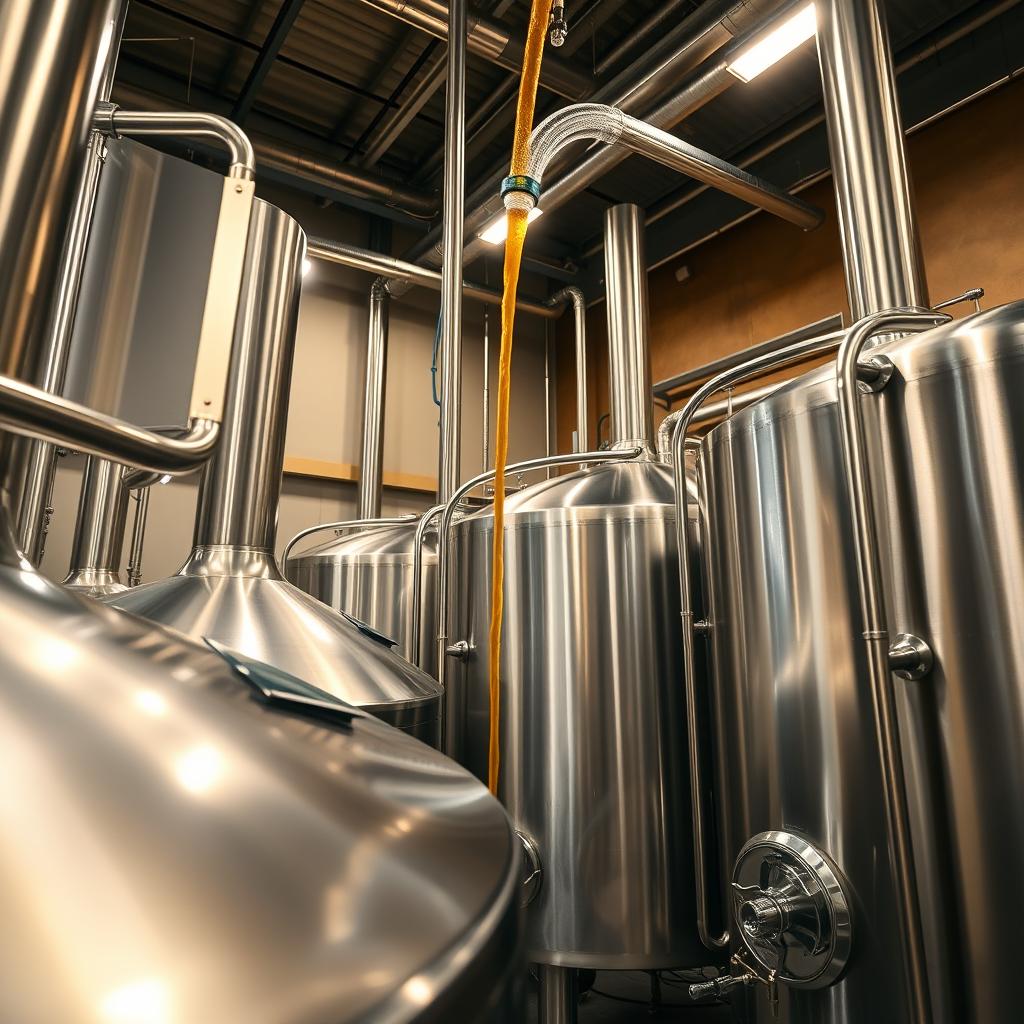
For years, the craft beer revolution has been dominated by hop-forward IPAs, complex stouts, and experimental sour beers. But as we move deeper into 2026, a quiet revolution is brewing—one that’s bringing lagers back to the forefront of craft brewing. The craft lager renaissance is maturing, and it’s changing how both brewers and drinkers think about this classic beer style.
According to industry analysts, premium lagers are experiencing a significant resurgence. While mass-market lagers have faced declining sales, craft brewers are stepping in with sophisticated, flavourful interpretations that appeal to a new generation of beer drinkers. This isn’t about recreating the fizzy yellow beers of old—it’s about elevating lager to an art form.
Why Craft Lagers Are Having Their Moment
Several factors are driving the craft lager renaissance. First, there’s a growing appreciation for drinkability and sessionability. After years of high-ABV, intensely flavoured beers, many drinkers are seeking more balanced, approachable options. Craft lagers offer complexity without overwhelming the palate, making them perfect for extended drinking sessions.
Second, technical advancements in brewing have made it easier for small breweries to produce high-quality lagers. Precise temperature control, improved yeast management, and better understanding of fermentation dynamics mean that even small-scale brewers can create lagers that rival those from traditional lager-producing regions.
Third, there’s a renewed interest in traditional brewing techniques. As the craft beer movement matures, brewers are looking back to classic styles and perfecting them. This includes not just German-style pilsners and helles, but also Czech-style lagers, Vienna lagers, and even historical styles that had nearly disappeared.
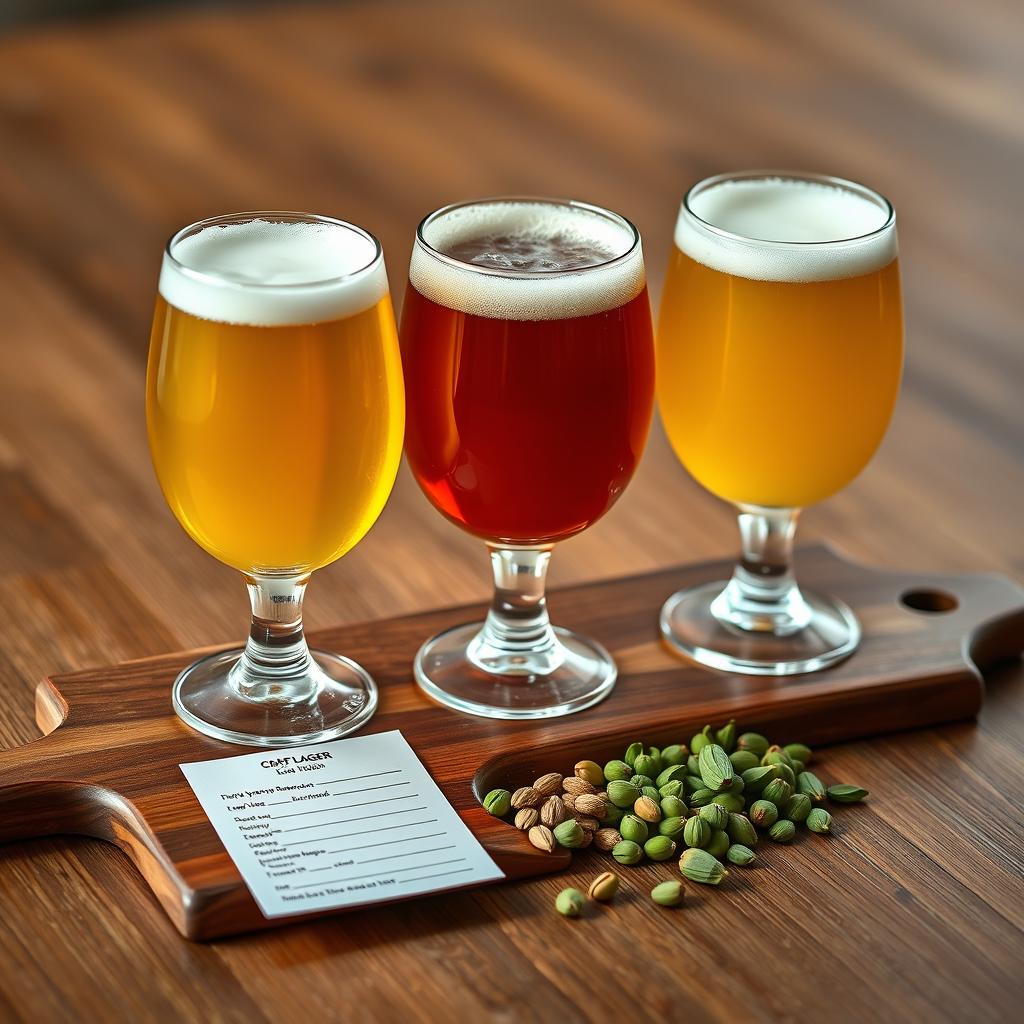
The Homebrewing Angle: Perfecting Your Lager Game
For homebrewers, the lager renaissance presents both challenges and opportunities. Lager brewing requires more patience and precision than ale brewing, but the results can be incredibly rewarding. Here are some key considerations for homebrewers looking to explore craft lagers:
- Temperature Control is Non-Negotiable: Unlike ales that ferment at room temperature, lagers require cool, consistent fermentation temperatures (typically 7-13°C). This means investing in temperature control equipment or finding creative solutions like fermentation chambers.
- Yeast Management Matters: Lager yeast strains are less forgiving than ale yeasts. Proper pitching rates, oxygenation, and careful temperature ramping during fermentation are crucial for clean, crisp results.
- Extended Conditioning: The term “lager” comes from the German word for “storage,” and that’s exactly what these beers need. Proper lagering (cold storage) for several weeks or months allows flavours to meld and smooth out.
If you’re new to lager brewing, consider starting with a German-style pilsner or a California common (steam beer), which uses a lager yeast at ale temperatures. These styles are more forgiving while still introducing you to lager techniques.
Industry Trends and Market Shifts
The broader beer industry is taking notice of the craft lager trend. According to the Society of Independent Brewers (SIBA), craft lager sales have been growing steadily, even as overall craft beer growth has slowed. This reflects a maturing market where drinkers are becoming more discerning and willing to pay premium prices for quality.
Interestingly, the craft lager movement is also intersecting with other trends in the industry. We’re seeing:
- Low-ABV Craft Lagers: Perfect for session drinking while maintaining full flavour
- Local Ingredient Focus: Brewers using locally grown barley and hops to create terroir-driven lagers
- Historical Revivals: Rediscovering and recreating historical lager styles that had been lost to time
- Hybrid Styles: Experimental lagers that incorporate elements from other beer traditions
Looking Ahead: The Future of Craft Lagers
As we look toward the rest of 2026 and beyond, several developments suggest the craft lager renaissance is just getting started:
First, we’re likely to see more specialization within the category. Just as IPAs have splintered into numerous sub-styles (New England, West Coast, Brut, etc.), craft lagers will likely see similar diversification. Expect to see more regional interpretations, experimental hopping techniques, and barrel-aged lagers.
Second, education will play a key role. Organizations like the Beer Judge Certification Program (BJCP) and brewing schools are placing more emphasis on lager brewing techniques. As more brewers master these skills, the overall quality of craft lagers will continue to rise.
Finally, consumer education will be crucial. Many drinkers still associate “lager” with mass-market beers. Craft brewers and retailers need to help consumers understand the difference between industrial lagers and their craft counterparts. Tasting events, brewery tours, and educational materials can all help bridge this gap.
Getting Started with Craft Lagers
If you’re interested in exploring the world of craft lagers, here are some recommendations:
- Visit your local craft brewery and ask about their lager offerings
- Attend beer festivals with a focus on traditional styles
- Join a homebrewing club to learn lager techniques from experienced brewers
- Check out resources like HomeBrewTalk for lager-specific brewing advice
- Explore online retailers like The Malt Miller for quality lager ingredients
The craft lager renaissance represents an exciting development in the beer world. It’s a return to fundamentals, a celebration of technique over trendiness, and proof that sometimes the classics become classics for a reason. As 2026 unfolds, keep an eye on your local taproom—you might just find that the most exciting beer on offer is a perfectly crafted lager.
For more brewing insights and beer discussions, visit The Taproom or explore our complete blog archive. And if you’re interested in the business side of brewing, check out our analysis of the UK craft beer market.