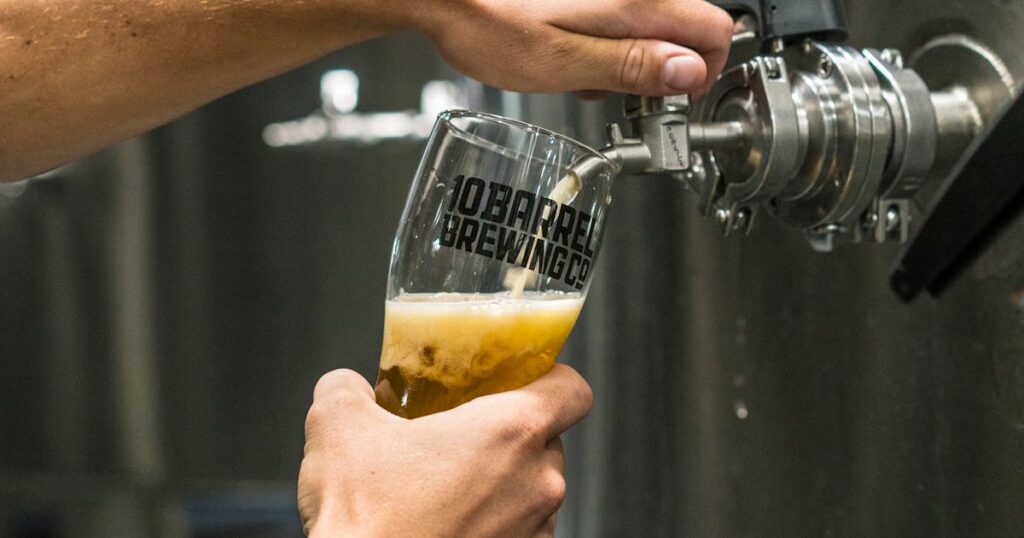
Gose is having a moment, and honestly, it’s the perfect beer to brew this summer if you’re exploring sour styles without the years-long wait of wild fermentation. In just a few weeks, you can create a tart, refreshing wheat beer with a savoury salt-and-coriander edge—and the best part? The techniques are simpler than they look.
This post walks you through brewing your first gose at home, from ingredient selection through that first satisfying pour.
Why Gose Matters Right Now
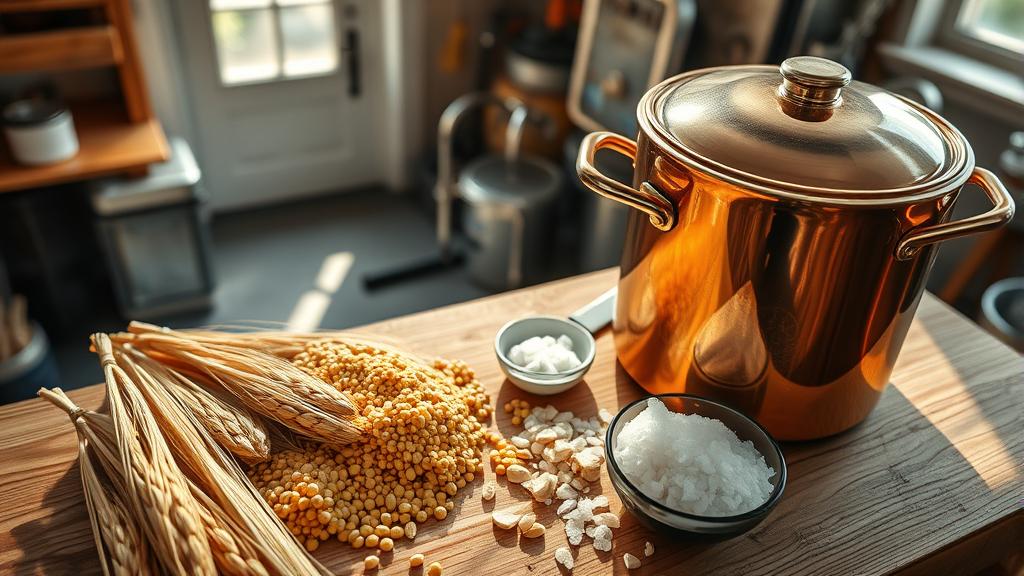
Gose is a traditional German wheat beer that disappeared for decades and has roared back in the craft scene—and home-brewing circles—because it ticks all the boxes for 2026: low ABV (4–5%), flavourful without being heavy, and genuinely interesting to brew. Unlike wild fermentation, which demands months of waiting and cross-contamination risk, modern gose uses kettle souring, a controlled method that delivers reliable tartness in days.
The BJCP style guidelines classify gose (BJCP 23D) as a wheat beer with acidity and a subtle salt impression—it’s meant to be refreshing, slightly tart, and dry-finishing. Perfect for summer, perfect for experimenting, and frankly, a great entry point into sour brewing if you’ve been nervous about wild yeast.
Ingredients & Equipment
For a 20-litre (5.3 US gallon) batch:
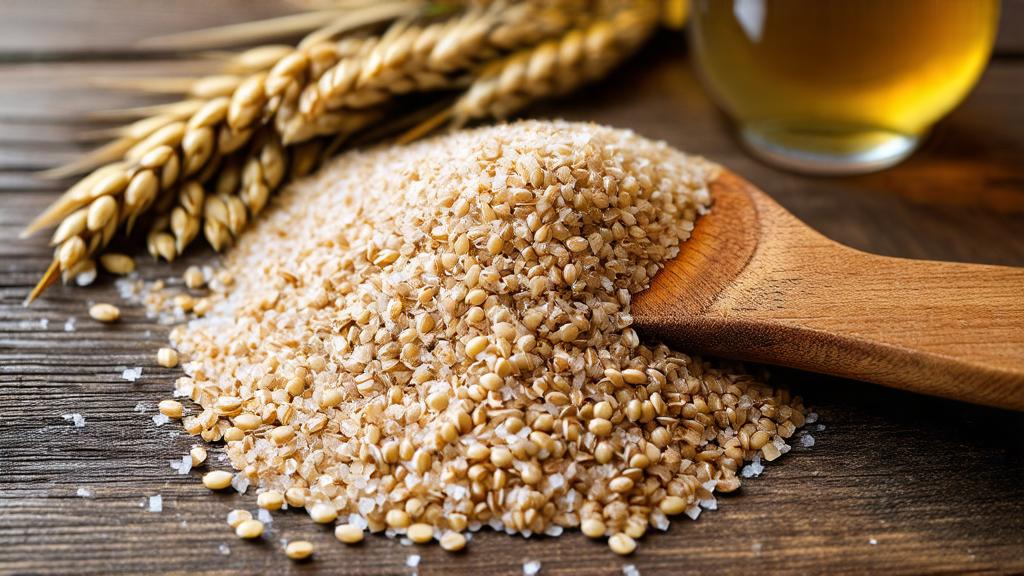
- Malt: 2 kg (4.4 lb) pale malt, 1.2 kg (2.6 lb) wheat malt
- Hops: 15 g (0.5 oz) Hallertau or Saaz (single addition at 60 minutes—gose is lightly hopped)
- Lactobacillus starter: 500 ml fresh liquid Lactobacillus (The Malt Miller, Geterbrewed, or BrewUK stock these)
- Coriander: 12 g (0.4 oz) cracked coriander seed, added post-boil
- Sea salt: 5 g (0.2 oz) fine sea salt or Himalayan salt, added post-boil
- Yeast: Ale yeast (US-05, SafAle S-04, or Wyeast 1056)
Equipment (standard kit): Kettle (at least 30 litres for 20L batch), thermometer, hydrometer, grain mill, mash tun or colander, large spoon, cheesecloth or muslin, fermentation vessel, airlock, bottling kit. A flask or insulated cooler for your Lactobacillus starter is helpful—you’ll want to hold it around 38–42°C (100–108°F) during souring.
Don’t skip the thermometer or the starter culture. Lactobacillus is temperature-sensitive; too cold and it stalls, too hot and you’ll kill it.
Step-by-Step Brew Day

1. Mash & Sparge (as normal)
Strike in at 65°C (149°F), hold for 60 minutes. Your mash should be smooth and evenly heated. After the hour, sparge with 75°C (167°F) water until you’ve collected about 30 litres of wort. Measure your gravity—aim for around 1.038–1.044 OG.
2. Chill to 38–42°C (100–108°F) and hold
After collecting your wort, cool it rapidly to around 40°C in an ice bath or with your chiller. This is crucial: the wort needs to cool before you pitch your Lactobacillus, because boiling (or even 60°C temperatures) kills the bacteria.
3. Pitch Lactobacillus & Sour for 24–48 hours
Once the wort is cool, add your Lactobacillus starter. Cover the kettle with cheesecloth (not an airlock—bacteria need oxygen) and keep it at around 38–40°C for 24–48 hours. Check pH periodically. You’re aiming for a final pH of 3.5–3.8 (taste if you’re confident, or use pH strips). The wort will smell a bit funky—that’s normal. You’ll see a slight haze and possibly some foam; that’s the bacteria working.
4. Boil for 60 minutes
Once your pH target is hit, boil the wort for a full 60 minutes. This kills the Lactobacillus (which is what you want—you don’t want living bacteria in your finished beer) and also stops the souring process. Your acidity is now locked in.
Hop additions: Add your 15 g Hallertau at the start of the boil. Coriander and salt go in the last 15 minutes—this preserves their delicate aromatics. Some brewers add them post-boil, which works too; go with your preference.
5. Cool, measure gravity, pitch yeast
Cool the wort to 20°C (68°F), take a gravity reading (you should be around 1.038–1.044 still), and pitch your ale yeast as you would normally. Gose ferments cleanly—expect fermentation to be complete in 7–10 days at 18–20°C.
Fermentation & Conditioning

Unlike wild fermentation beers, gose ferments like a normal wheat ale. Pitch your yeast at a healthy rate (10–15 million cells per ml), keep the temperature steady, and you’re golden. Fermentation should finish dry—target a final gravity of 1.004–1.008.
Once fermentation is complete (check with two gravity readings 3 days apart, no change = done), transfer to a secondary or conditioning vessel. Condition for at least 2–3 weeks at cool temperature (10–15°C). This allows the beer to clarify and the salt/coriander to integrate. Some brewers bottle early (after 1 week) and condition in the bottle—also fine.
Carbonation: Bottle with standard priming sugar (3–4 g per 750 ml bottle for light carbonation, or use a kegging setup). Gose traditionally has moderate carbonation—not flat, but not hyper-carbonated. Aim for 2.0–2.5 volumes of CO₂.
Tasting Notes & My Honest Review

When you crack open that first bottle, expect a pale golden to amber hue, a light white head (gose isn’t super head-forming), and an immediate tartness on the nose—lemony, slightly vinegary, clean. The salt won’t jump out immediately; it’s more of a minerality that sits on the finish.
Taste: Wheat beer body (slightly sweet, bready), sharp acidity (think lemonade, not vinegar), subtle salt impression (not salty like crisps, but a mouth-drying quality), and coriander spice (herbal, slightly citric). The finish is dry and crisp. ABV shouldn’t be noticed—4.5% drinks dangerously easy on a hot day.
My honest take: The first time I brewed gose, I was terrified the Lactobacillus would infect my gear and wreck everything else. It didn’t. I was also worried the salt would taste like seawater. It didn’t—it just adds a subtle savoury twist that makes the beer more interesting. If you’ve been curious about sours but put off by wild fermentation, this is your gateway style. It’s forgiving, it’s quick, and the results are genuinely refreshing.
Pro Tips & Common Mistakes
Temperature control during souring is everything. If your Lactobacillus sits at 20°C for 48 hours, it won’t sour properly. Invest in a thermowell or place your kettle in a cooler with warm water bottles to maintain 38–42°C. Too many brewers skip this and end up with undersouring.
Don’t skip the boil after souring. Some sources online suggest you can cold-condition without boiling. You can, but you’ll have live Lactobacillus in your beer, which can continue souring in the bottle and create unpredictable acidity. A full 60-minute boil pasteurises the wort and locks the acidity. It’s worth it.
Fresh Lactobacillus starter matters. If your starter is weeks old or was stored at room temperature, pitch more. Buy from reputable suppliers like The Malt Miller or Geterbrewed, not bargain eBay vials.
Coriander is personal. 12 g is a guideline. Some brewers go to 15 g, some down to 8 g. Start at the lower end; you can always add more next batch. Coriander can turn soapy if overdone.
Variations & Next-Level Experiments

Once you’ve nailed the classic gose, the fun begins. Modern brewers have pushed this style in exciting directions:
- Fruit Gose: Add 500 g–1 kg fresh or frozen fruit (raspberries, strawberries, passion fruit) during secondary fermentation. The tartness of gose + fruit = naturally cohesive. No sugar additions needed.
- Herbal Gose: Replace coriander with (or add to) fresh lemon balm, chamomile, or sorrel at flame-out or post-boil. Brew samples at different herb levels; herbal gose can tip into soapy fast.
- Spiced Gose: Try cumin instead of (or alongside) coriander. Some UK brewers have experimented with cardamom and hibiscus with success.
- Lower ABV Gose: Reduce your grain bill to 2.8 kg total (down from 3.2 kg). Ferment to 3.2–3.5% ABV. Super sessionable, great for afternoon brewing sessions.
Kelham Island Brewery’s experimental work with sour styles has inspired a lot of innovation in UK homebrewing, and detailed guides on kettle souring from sites like The Epicurean Beers have made the technique accessible.
Conclusion
Gose is the sour beer that makes sense for most homebrewers. It’s fast (weeks, not months), it’s forgiving (controlled fermentation, no wild yeast), and it’s delicious—tart without being pucker-inducing, unique without being experimental to the point of failure. The salt and coriander add character that feels intentional and balanced.
More than that, gose is trending for good reason. It fits the 2026 vibe: flavourful, low ABV, and rooted in brewing heritage. You’re not chasing a fad; you’re joining a centuries-old German tradition that’s having a well-deserved revival.
Brew one this weekend. You’ve got all the knowledge you need. The HomeBrewTalk forums are full of gose success stories if you want a community to troubleshoot with, and if you’ve brewed sours before, you’ll already know the confidence that comes from nailing a clean, intentional fermentation.
Let me know how yours turns out.
🍺 Join the Brotherhood — Monthly brews, stories & monk wisdom
Subscribe for exclusive recipes, early brew logs, and behind-the-scenes updates straight to your inbox.