Why Foraged Wild Hops Matter in 2026
This past summer, I spent an afternoon walking the hedgerows behind a monastery near where I grew up. The monks there had a little herb garden tucked between the kitchen and the stone wall — nothing fancy, just necessity meeting circumstance. One of them told me something that stuck: “We use what grows here. It teaches us humility.”
That philosophy hit different when I learned about the 2026 hop shortage.
Like many homebrewers, I’d grown comfortable with the notion that any hop variety I wanted was just a click away. But as climate change squeezes hop growing regions and craft beer demand shifts, I realised I was ignoring something that’s been brewing wild in the British countryside for centuries: free, abundant, chemical-free hops growing in hedgerows and wild places.
Last month, I foraged wild hops for the first time. The experience wasn’t just practical—it was revelatory. It reminded me why I started brewing in the first place: not for Instagram-worthy metrics, but for connection. Connection to the land, the seasons, the monks and farmers who knew this craft long before craft beer became a category.
If you’re looking to adapt your brewing to the realities of 2026, foraged hops aren’t a gimmick. They’re a pathway back to what made homebrewing special: working with what nature gives you, and making something honest from it.
Identifying Wild Hops in the UK
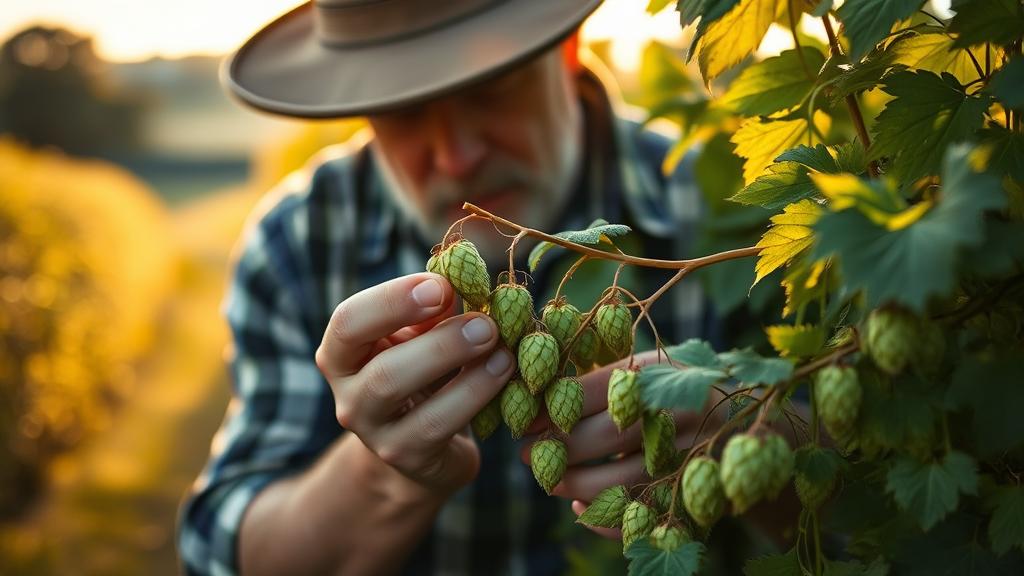
First, the hard part: knowing what to look for. Wild hops—Humulus lupulus—grow throughout Britain, often as feral descendants of abandoned commercial cultivation or native populations. If you walk the countryside between July and September, you’re probably passing dozens of plants without knowing it.
The identifying features are distinctive once you know them. Look for climbing vines with distinctive three-lobed leaves (occasionally five-lobed). The female plants produce the papery, cone-like flowers we’re after—each one soft green, covered in tiny yellow glands that contain the resins and aromatic oils. The texture is almost powdery when you rub it between your fingers; that’s the lupulin glands, and that’s your gold.
Start your search in July and peak season runs through September. Look for wild hops along:
- Hedgerows and field boundaries
- Riverbanks and water margins
- Abandoned gardens and derelict buildings (hops were once common in rural homesteads)
- Woodland edges, particularly south-facing banks
I made the mistake on my first forage of confusing wild hops with their non-useful relatives—hedge bindweed has a similar climbing habit but lacks the cone structure. A quick rule: if there are no cones, keep moving. The real discovery comes when you spot that papery, lupulin-dusted cone dangling from the vine. That’s when your foraging heart skips a beat.
For species confirmation, use a field guide or cross-reference with online growing communities like HomeBrewTalk, where countless UK foragers have documented their finds. There’s no shame in a photo-verification before you commit to harvesting.
Harvesting and Preserving Your Foraged Hops
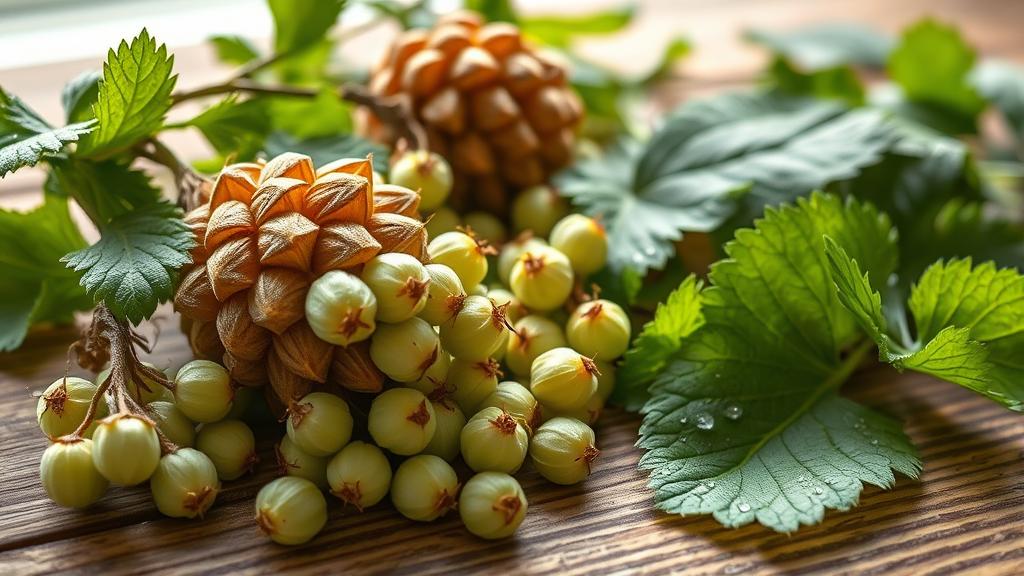
Once you’ve identified a plant, harvesting is straightforward but requires care. Pick the mature cones gently—they should feel papery and light, never wet or soft. A single plant can yield 100-300 grams of fresh hops over a season, and if you’re sustainable, you’ll leave enough for the plant to recover next year.
Fresh hops begin losing quality immediately after harvest. You have two choices:
Use them fresh (within 24 hours). This is the authentic wild hop brew experience. Fresh hops in a late kettle addition are where the magic happens—floral, grassy, sometimes with surprising citrus notes depending on the microclimate where they grew. As I explained in my guide to green hop brewing, using fresh hops requires adjusting your recipe because fresh cones are roughly 80-85% water by weight.
Dry them for later. Spread cones on a clean cloth in a warm, dark, well-ventilated space for 2-3 weeks. A garage works well; an airing cupboard works better. Stir occasionally. When they’re completely dry and crumbly (not crispy), store them in an airtight container with an oxygen absorber, kept in a cool dark place. They’ll keep for 6-12 months, though potency fades faster than commercial pellets.
I dried my summer forage and now keep a jar in my brewing cupboard. Every time I reach for it, there’s a small moment of satisfaction—these hops cost me nothing but an afternoon’s walk, and they carry the specific terroir of that hedgerow. The alpha acid content is unknown (wild hops vary wildly, sometimes 2-6% IBU potential), but that uncertainty is part of the point.
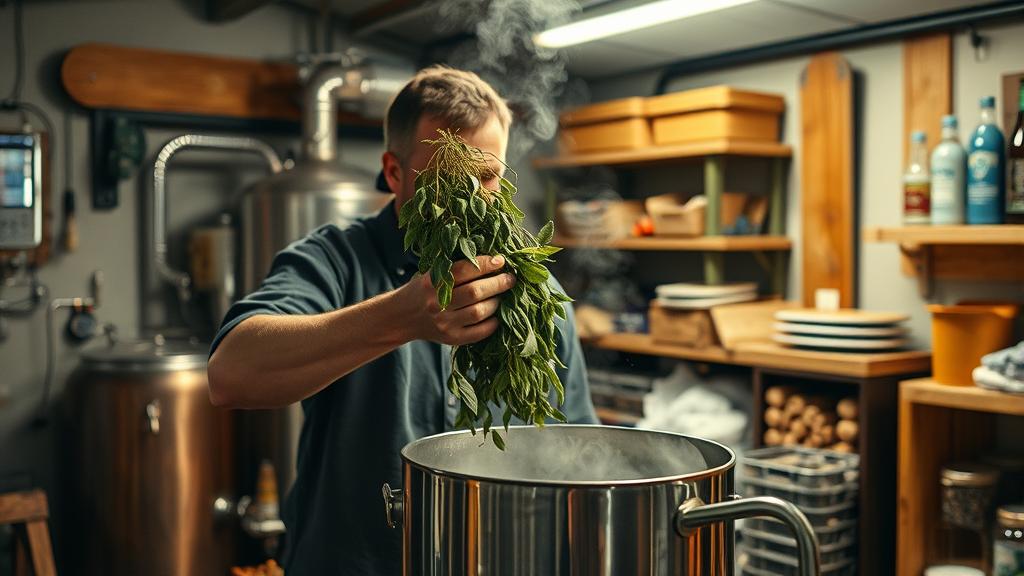
Brewing with Wild Hops: A Step-by-Step Guide
Here’s how to build a recipe around foraged hops. I’ll walk you through the brew I just finished.
1. Scale your bittering addition. Because wild hops have unpredictable alpha acids, assume lower IBU potential and use 20-30% more than you would commercial hops. If your recipe calls for 25g of Fuggles (4.5% AA), use 30-35g of dried wild hops instead. This is guesswork, yes—that’s the adventure.
2. Use them late or fresh. Save your foraged hops for the final 15 minutes of the boil or for a late addition during flameout. This emphasises the aromatic qualities and minimises bitterness unpredictability. Fresh hops deserve centre stage—they’ll deliver bright, herbaceous character that no commercial pellet can replicate.
3. Build a supporting cast. Pair wild hops with traditional British malt and yeast. I used pale ale malt, crystal (20L), and a pinch of chocolate malt for depth. The hops will shine brighter against a neutral, biscuity foundation. Yeast-wise, I chose WLP002 (English Ale Yeast) to add fruity esters and let the hops define the character.
My Wild Hedgerow Ale Recipe (20 litres / 5.3 gallons):
- 3.5 kg pale ale malt
- 500g crystal malt (20L)
- 100g chocolate malt
- 35g dried foraged wild hops (60 min boil, bittering)
- 25g dried foraged wild hops (15 min, aroma)
- Wyeast 1968 London ESB or WLP002
- Water: strike at 66°C (150°F), mash 65°C (150°F) for 90 mins
Target OG 1.052, FG 1.010–1.012. About 5.2% ABV—a proper session ale, nothing flashy.
The brew day itself was meditative. As I steeped the grain, the familiar ritual grounded me. But when those wild hops hit the kettle? That was different. The smell wasn’t like commercial hops—it was greener, more alive, almost herbal. Herbaceous in the way a hedgerow tastes, if that makes sense. There’s a wildness to it.
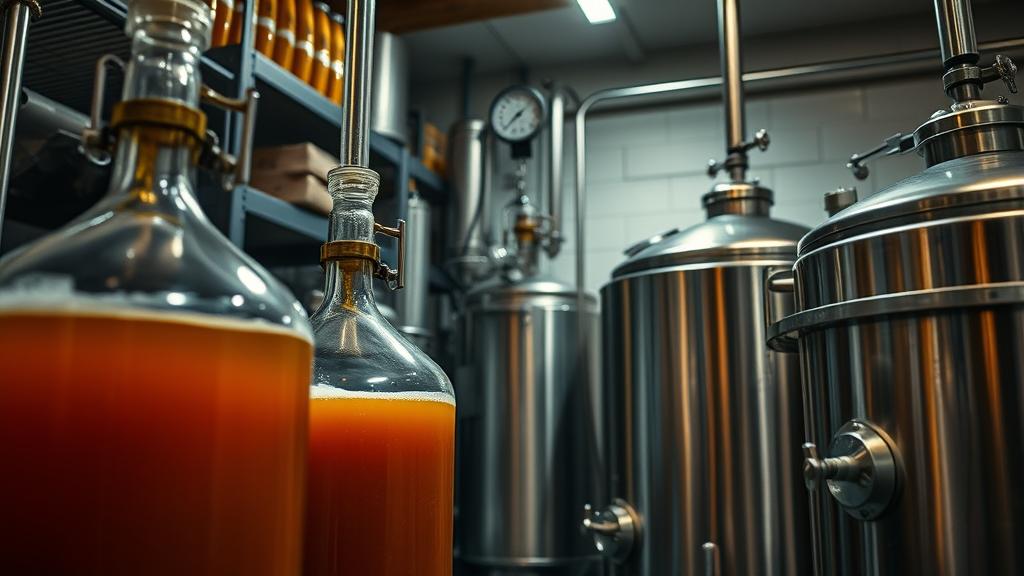
Fermentation and Tasting My Hedgerow Ale
Fermentation took 14 days at 18°C (64°F) before I cold-crashed and bottled. The beer sat for three weeks before the first proper tasting—which is my rule for any ale; patience is the one ingredient I can always afford.
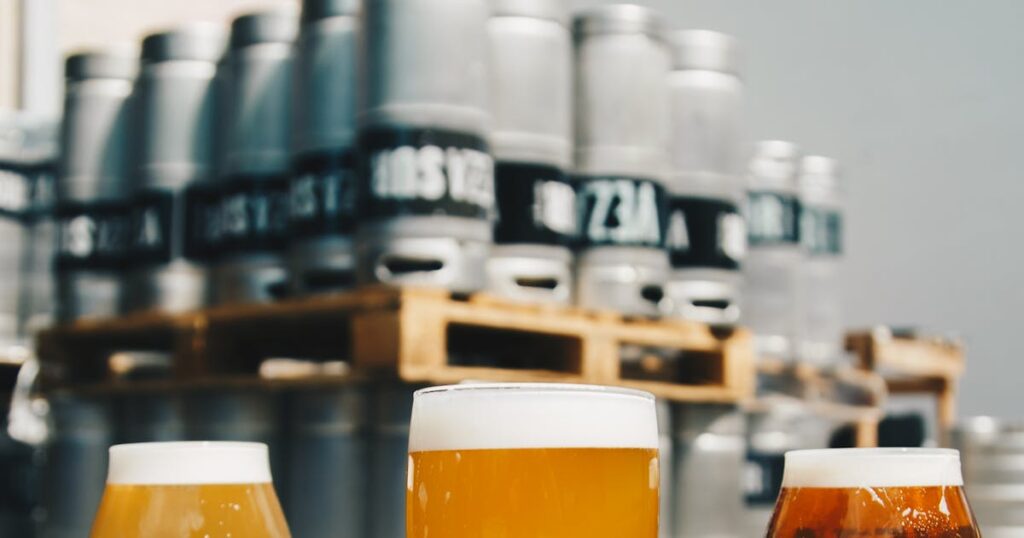
When I finally poured that first glass, the colour was a warm copper-gold. The aroma was unmistakably herbal—grassy, slightly floral, with a faint earthiness underneath. Not what you’d expect from a modern craft IPA, which is exactly the point. This beer tasted like where it came from.
On the palate: smooth, dry, biscuity. The bitterness was gentle and refined, nothing aggressive. There’s a bright, almost grassy note that sits in the finish—a reminder that these hops grew wild and worked hard for their character. Carbonation was fine (natural condition, 2.5 volumes CO2), and the head retention was solid.
Would I use foraged hops again? Absolutely. Will I use them exclusively? No. There’s real value in understanding both paths: the commercial efficiency and consistency, and the wild, subtle complexity of what grows in your own hedgerows. The best brewers, I think, understand both.

Scaling Up: From Forage to Regular Supply
Here’s where the practical monk wisdom comes in. You can’t build a year-round brewery on foraging alone—the season is short, the yield unpredictable, and there are only so many hedgerows even the most dedicated explorer can work. But you can integrate foraged hops into a rotating brew schedule.
I’m now tracking three reliable hedgerow locations within a 5-mile radius. Each July, I’ll plan at least two brews that rely on these hops, bottling and storing enough dried cones to cover off-season experimentation. Mixed with my usual commercial supplies, it creates a system that’s resilient and honest.
If you’re serious about scaling, consider cultivating your own wild hops. Plant rhizomes in a sunny, sheltered spot (south-facing is ideal), let them climb a trellis or fence, and within two seasons you’ll have your own reliable supply. I’m doing this now—three rhizomes in the back garden, just starting to vine up the fence. In 2027, I expect my first real harvest. As the Malt Miller guide to foraged hops details, homebrewing setups can support surprisingly productive hop gardens.
Common Mistakes and How to Avoid Them
Learn from my stumbles so you don’t make them:
- Harvesting too early. Green, immature cones lack the resinous character. Wait for the papery, slightly dry feel.
- Not drying properly. Wet hops left on cloth will mould. Ensure good air circulation and low humidity.
- Overestimating yield. A handful of cones weighs almost nothing. A single plant gives you maybe one brew’s worth of aroma addition.
- Ignoring alpha acid uncertainty. Embrace the wildness, but don’t expect precise bittering. Use foraged hops for character, not precision.
- Forgetting sustainability. Don’t strip every plant. Take from multiple sites, leave enough for the plant to recover, and return next year.
Why This Matters Now
In 2026, as hop prices rise and supply chains tighten, foraged hops offer something beyond practicality. They’re a reminder that brewing connects us to something real and seasonal. The monks knew this—they worked with what the land gave them, and they were grateful. That gratitude shaped their beer.
For more on brewing with local and foraged ingredients, explore sustainable homebrewing practices. And if you want to understand how BJCP style guidelines frame traditional British ales (which foraged hops align beautifully with), it’s worth the study.
Your hedgerows are waiting. Your beer is better for what you find there.
🍺 Join the Brotherhood — Monthly brews, stories & monk wisdom
Subscribe for exclusive recipes, early brew logs, and behind-the-scenes updates straight to your inbox.