Why Gose Matters in 2026
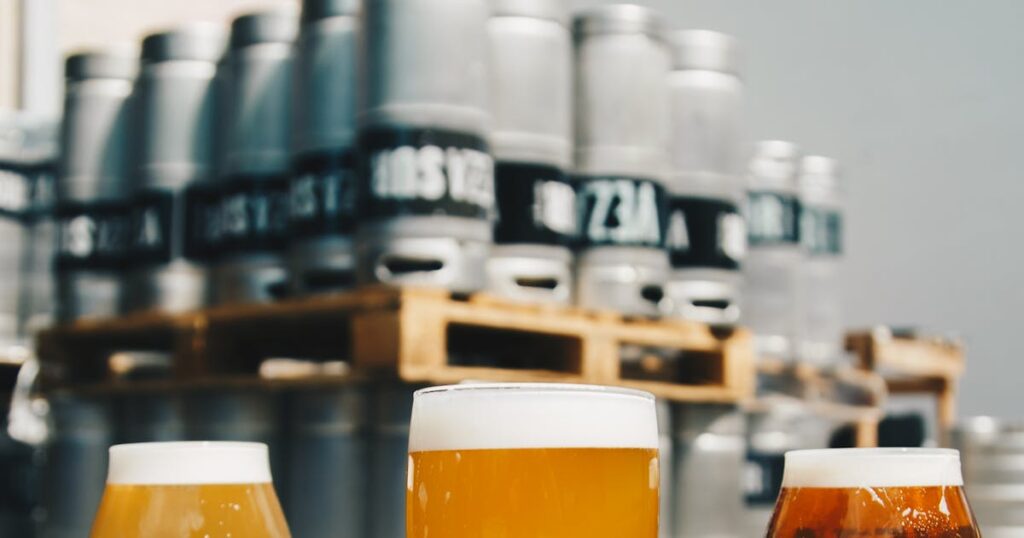
If you’ve stepped into a British pub recently, you’ve probably heard it: “Sorry, we’re all sold out of the Gose.” It’s a conversation I’ve overheard a dozen times in the last month, and it tells a fascinating story about what’s happening in British beer culture right now.
Gose — that delightfully strange marriage of salt, sourness, and German brewing tradition — has moved from craft-beer oddity to mainstream obsession. In 2026, it’s the style everyone wants, and for good reason. It’s refreshing without being too subtle, accessible without being boring, and deeply rewarding for home brewers willing to embrace a bit of controlled chaos.
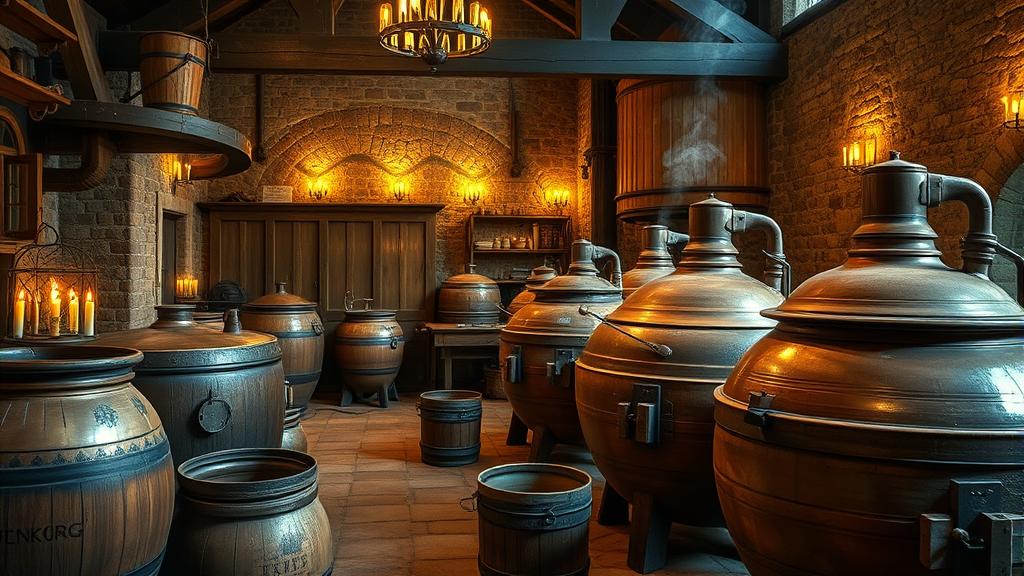
Historically, Gose comes from Goslar, a medieval town in Lower Saxony where miners’ thirst demanded something crisp, slightly salty (from the local springs), and tart. The style nearly died after World War II, but West German brewers kept the flame alive. Today, it’s experiencing a renaissance across the UK, and it’s exactly the kind of brewing challenge that separates the curious from the committed.
Ingredients & Equipment: The Gose Starter Kit
Before you brew, you need to understand what makes Gose unique. Unlike most ales, you’ll be introducing two living cultures: ale yeast and Lactobacillus, a lactic acid bacterium that creates the signature tartness.
For a 23-litre (5-gallon) batch, here’s what you’ll need:
- Pale Malt: 2 kg (4.4 lbs) — German Pilsner malt or British pale ale malt work equally well
- Wheat Malt: 750 g (1.65 lbs) — adds the characteristic silky mouthfeel
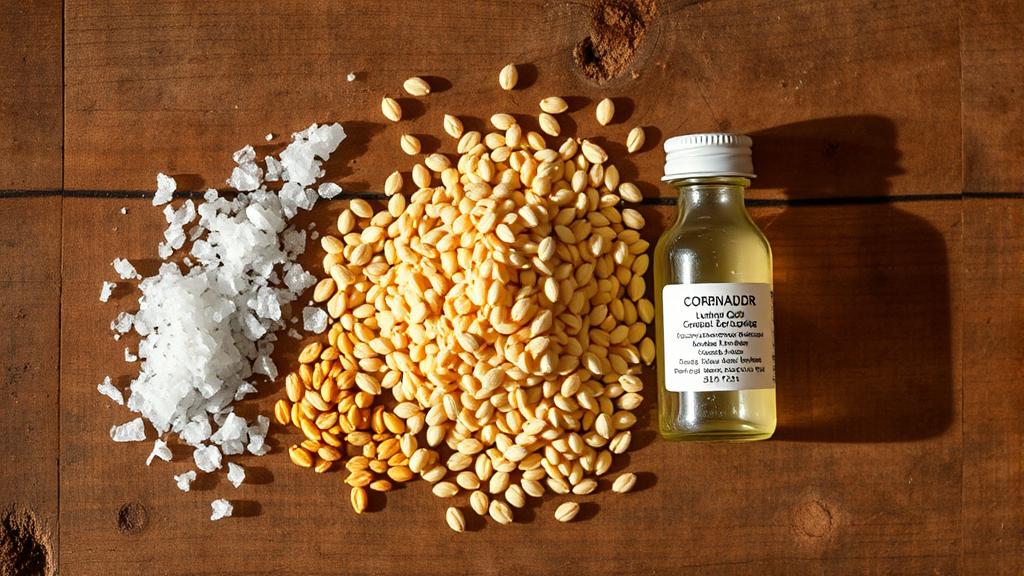
- Salt: 8–12 g (0.3–0.4 oz) of sea salt, added during the boil. This is non-negotiable; it defines the style
- Coriander Seed: 10 g (0.35 oz) — freshly crushed, added in the last 5 minutes of the boil. German brewers have used this for centuries
- Ale Yeast: US-05 or Nottingham (clean, neutral fermentation)
- Lactobacillus: A pure culture sourced from The Malt Miller, Geterbrewed, or BrewUK. I recommend Lactobacillus plantarum
- Bittering Hops: 12 IBU — use Hallertau or Saaz for authenticity (30 g / 1 oz at 60 minutes)
Equipment-wise, you’re fine with standard homebrew gear: a 30-litre kettle, fermenter, airlock, and thermometer. The only addition is a second sanitised container or method for cold-soaking your grains with the Lactobacillus culture (more on that below).
The Brew Day: Two Phases, One Vision
Gose brewing is split into two distinct phases: the lacto-souring phase and the traditional brew day. I learned this the hard way after my first attempt (acidic, but missing that silky texture that separates great Gose from vinegar), and it changed everything.
Phase 1: The Cold Soak (Days 1–3)
Start three days before your brew day:
- Crush your grains: 2 kg pale malt, 750 g wheat malt
- Add to a sterilised bucket or carboy with 5 litres of filtered water (room temperature)
- Pitch your Lactobacillus culture directly into the mixture. If it’s a liquid culture, use the entire package. If it’s a dry culture, rehydrate first according to the supplier’s instructions
- Cover loosely (you want anaerobic conditions, so seal it but leave a small airlock) and leave at 18–20°C (64–68°F)
- You’ll notice faint bubbling after 24 hours — that’s the bacteria working. By day 3, the pH should drop to around 3.5–4.0, and the aroma will be distinctly tart and yoghurt-like
This process mimics what traditional brewers did by accident: souring the mash with wild lactobacilli from the environment. You’re doing it intentionally, which gives you control.
Phase 2: The Traditional Brew (Day 4)
Now, treat this like any ale recipe:
- Mash: Heat 15 litres of water to 67°C (152°F). Add your cold-soaked grain mixture (including the liquid from the sour soak) to the water. Hold at 67°C for 90 minutes. Rest, then sparge with 75°C water to collect 28 litres of wort
- Boil: Bring to a rolling boil. Add your 12 g sea salt immediately. At 60 minutes remaining, add 30 g Hallertau hops. At 10 minutes remaining, add your coriander seed. At flame-out, chill to 18°C as quickly as possible
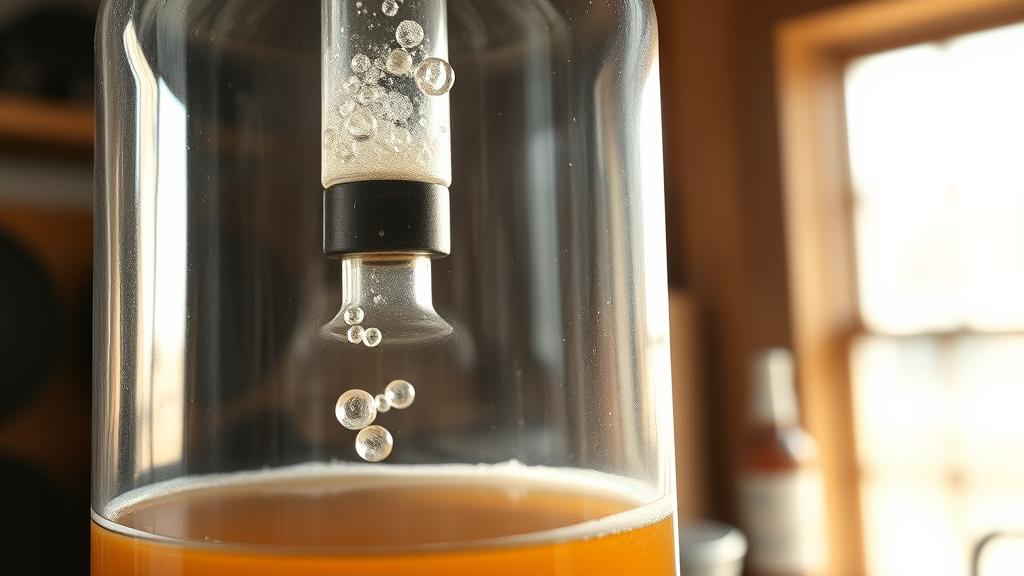
- Fermentation: Pitch your clean ale yeast (US-05) into the cooled wort. Ferment at 18–20°C for 10–14 days. You’re aiming for a beer that’s both sharp and subtle — the acidity from the Lactobacillus will be there, but not aggressive
Patience is a virtue here, as any Benedictine would tell you. Don’t rush the fermentation.
The Conditioning & Aging Ritual
Once fermentation is complete (gravity should read around 1.008–1.010), bottle or keg your Gose. If you’re bottling, add a modest priming dose — 100 g of dextrose for 23 litres gives you about 2.0 volumes of CO₂, which is perfect for Gose. Too much carbonation masks the delicate sourness.
Now comes the hardest part: waiting. Bottle-condition for at least 2 weeks at 20°C. The yeast will settle, the carbonation will mature, and the flavours will begin to integrate. At 3 weeks, you’ll notice the salt receding slightly into the background, the coriander becoming more pronounced, and the tartness softening into something almost creamy.
If you’re patient enough to wait a month, you’ll be rewarded. I’ve had Goses that were sharp and refreshing at 2 weeks, but genuinely sophisticated at 4 weeks — the kind of beer that makes you pause before each sip.
Honest Tasting Notes: What You’re Aiming For
I brewed my first Gose in February 2026, and I’d be lying if I said the first sip wasn’t surprising. It tastes nothing like a standard IPA or pale ale. If you’re expecting a beer that tastes like a normal beer with a hint of sourness, you’ll be disappointed. Gose is a statement — salt, citrus acidity, spice, and a silky texture that coats your mouth like a quality white wine.
Here’s what to expect:
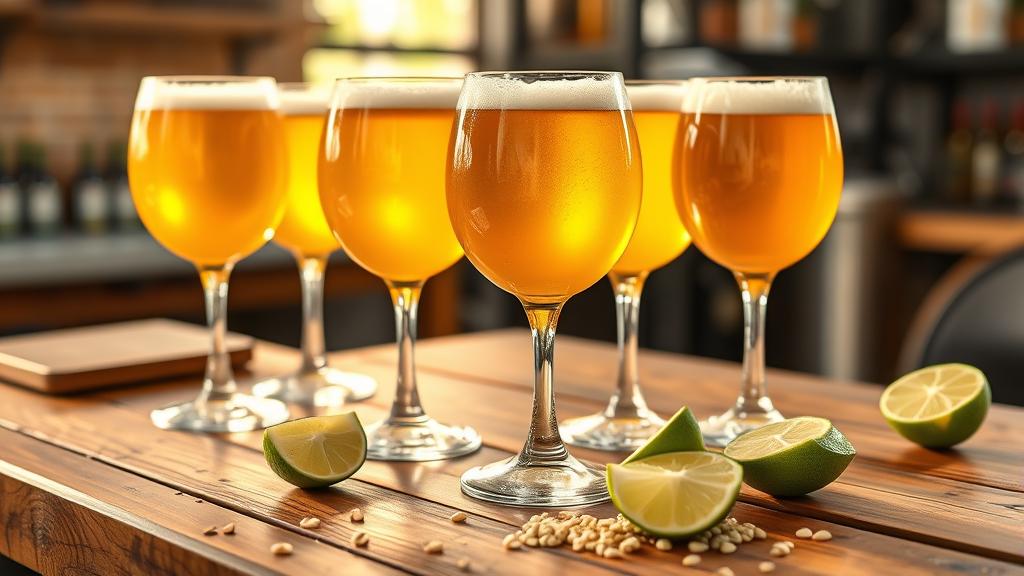
- Appearance: Pale golden, slightly hazier than a Pilsner but not as opaque as a hazy IPA. That’s the wheat malt doing its job
- Aroma: Bright citrus (lemon, lime), subtle coriander (not overpowering — it should smell like spiced tea, not a curry), and a gentle yoghurt-like tartness underneath
- Taste: The first sensation is salt — not overwhelming, but present on your lips and palate. It’s immediately followed by a sharp, clean tartness (like biting into a lemon), then the coriander kicks in for spice and complexity. The finish is dry and slightly peppery
- Mouthfeel: Silky, almost oily in the best way. Not creamy like a milk stout, but velvety. This is what separates a well-made Gose from a one-dimensional sour
- ABV & Gravity: Gose sits at 4.2–4.8% ABV, making it a supremely quaffable beer. You can drink one all evening without that “need to move on to something else” feeling
Common Mistakes & How to Avoid Them
After talking with brewers across The Homebrew Forum and testing my own batches, I’ve identified the mistakes that separate successful Gose brewers from frustrated ones:
- Skipping the cold soak: I’ve seen people pitch Lactobacillus into the boiled wort post-fermentation and wonder why the acidity is weak. The bacteria needs time to establish dominance. The cold soak is non-negotiable
- Undersalting: 8 g is a minimum. If your finished beer tastes sharp and sour but flat, you’ve under-salted. Next batch, try 12 g. The salt isn’t meant to taste salty — it’s meant to enhance perception of the tartness, like how salt brings out citrus in cooking
- Over-spicing with coriander: More isn’t better. I once used 15 g, thinking it would be more interesting. It tasted like I’d brewed a spice market. Stick to 10 g, and resist the urge to experiment until you’ve nailed the base recipe
- Fermenting too warm: Lactobacillus is happy at room temperature, but ale yeast can produce unwanted esters and sulphur compounds above 22°C. Keep your fermentation around 18–20°C
- Bottling too early: I’ve had Goses that were painfully acidic at 2 weeks and balanced at 4 weeks. Trust the timeline. If you want to drink one early, do a sample taste, but don’t judge the batch until it’s mature
Variations & Next-Level Experiments
Once you’ve nailed the classic Gose, you’re ready to explore. Some of the most exciting Gose variations I’ve seen on commercial shelves — and brewed at home — include:
- Citrus Gose: Add 500 g of fresh lime juice or lemon zest in the secondary fermenter. It amplifies the brightness without muddying the salt-sour balance
- Fruit Gose (Gose with Strawberry): Purée fresh strawberries, pasteurise them, and add to the bottle or keg. The fruit’s tartness complements the Lactobacillus acidity beautifully
- Spiced Gose: Try 5 g of whole coriander seeds plus 2 g of cumin and a pinch of black pepper. This is closer to Köpenick-style Gose, which is a bit more savoury
- Dry-Hopped Gose: A 28-litre batch with 15 g of Saaz hops in the secondary adds floral complexity without competing with the salt and sourness. Some brewers see this as heresy; I see it as evolution
The beauty of Gose is that it’s forgiving. Unlike styles like Belgian Lambic (which require years of wild fermentation), Gose rewards you in weeks. Experiment boldly, but keep notes of what worked and what didn’t.
Why Now? Why Gose?
Brewers across the UK are abandoning purity for complexity. We’ve moved past the era where an IPA’s only job was to be bitter and hoppy. Now, we want fermentation techniques that blend different yeast strains and even sustainable ingredients grown locally. Gose fits perfectly into this shift. It’s historically authentic, scientifically interesting (you’re literally cultivating two living organisms), and refreshingly different from what most home brewers default to.
In a world of 7,000+ craft beer styles, Gose stands out because it offers something most other beers don’t: texture and sensation, not just flavour. That silky mouthfeel, the salt on your lips, the tart finish — these are the details that make Gose memorable.
Final Thoughts
Gose isn’t a beer for everyone. If you’re the type of brewer who thinks IPA is the pinnacle of beer and everything else is heresy, this isn’t your style. But if you’re curious, willing to embrace a bit of controlled microbial chaos, and interested in brewing beers that sit below 5% ABV with genuine character, Gose is your calling.
The Benedictine monks who originally brewed ales understood something that modern brewers often forget: brewing is an act of controlled surrender. You set the stage — the temperature, the ingredients, the timing — but the yeast and bacteria do the actual work. Gose teaches this lesson more directly than almost any other style.
So grab your sea salt, find a source of Lactobacillus, and embrace the tartness. In 2026, Gose isn’t a novelty anymore — it’s a genuine expression of what homebrewing can be.
🍺 Join the Brotherhood — Monthly brews, stories & monk wisdom
Subscribe for exclusive recipes, early brew logs, and behind-the-scenes updates straight to your inbox.