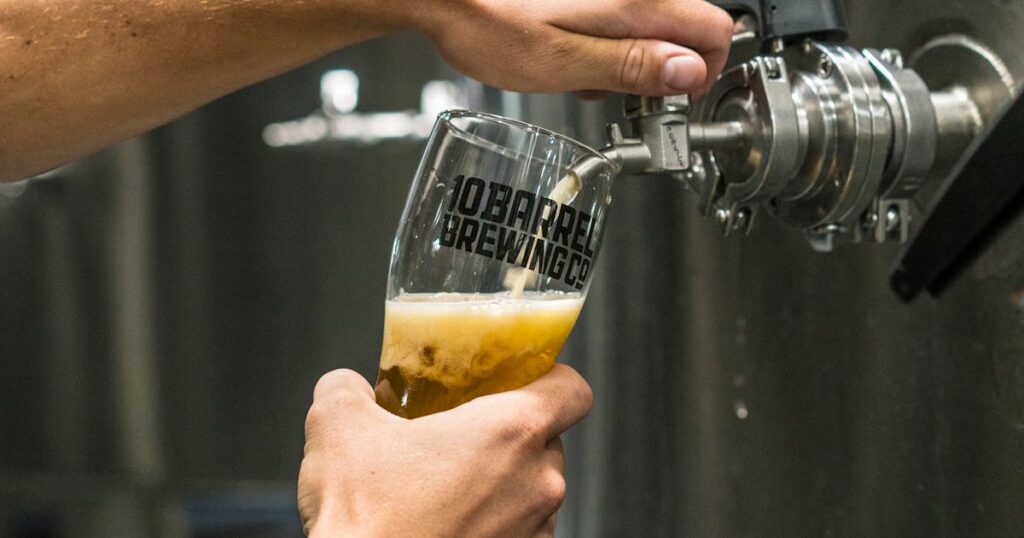
There’s something quietly revolutionary happening in British beer right now. Walk into any half-decent taproom from Manchester to Margate and you’ll see it on the chalkboards. Not another murky NEIPA dripping with Citra. Not a pastry stout that tastes like a liquid Bakewell tart. No — it’s something cleaner, brighter, and arguably more exciting.
Hoppy lager. The style that asks: what happens when you take the crisp, sessionable backbone of a traditional lager and load it up with the kind of hop character that’d make a West Coast IPA blush?
As a homebrewer watching the 2026 trends unfold, I reckon this is the single most exciting style to brew right now. And the best part? It’s deceptively simple to get right — once you understand the philosophy behind it.
Settle in, grab something cold, and let’s dig into why hoppy lager is dominating British taprooms this year, and how you can brew a world-class version in your own kitchen.
The Lager Renaissance Comes Home
Let me start with a confession. For years, I was an IPA snob. If it wasn’t punching me in the face with pine and grapefruit, what was the point? I’d written off lagers as joyless, macro-brewed afterthoughts — the stuff you drink at a wedding when they’ve run out of ale.
I was wrong. Embarrassingly wrong.
The lager revival that started gathering steam around 2024 has become a full-blown renaissance by mid-2026. According to the Beer Connoisseur’s 2026 trend report, traditional lager styles are hotter than ever, and UK drinkers are leading the charge. After a decade of haze-chasing, there’s a collective thirst for something crisp, bright, and endlessly drinkable.
But here’s the twist — British homebrewers aren’t just copying German and Czech classics. We’re doing what we do best: taking a traditional foundation and building something new on top of it. Hoppy lager is the result.
Think of it as the Venn diagram overlap between lager purity and hop-forward brewing. A beer that starts with the clean, neutral canvas of a helles or Munich helles lager, then gets dosed with modern American, British, or New World hop varieties. No haze. No diacetyl. No heavy malt body. Just crisp, cold-fermented beer singing with hop flavour.
Why 2026 Is the Year of the Hoppy Lager
The numbers don’t lie. Drinkers are fatigued by the arms race of ever-more-extreme IPAs. The Beer Connoisseur report notes that hazy IPA sales have been slipping after nearly a decade of dominance, while West Coast IPA — the clearer, bitterer ancestor — is making a serious comeback. Hoppy lager sits right in that sweet spot between the two.
On one side, you’ve got the craft beer crowd who still want big hop character. On the other, lager lovers who want something clean and sessionable. Hoppy lager bridges the gap perfectly.
Industry analysis from GetBackBar confirms that 2026 menus prioritise “drinkability and quality over fleeting fads.” Crisp, hop-forward lagers are being recommended as the ideal alternative to an overloaded IPA section. As one commentator put it: “Do you have five Hazy DIPAs? Consider cutting two and replacing them with a Session Hazy or a Hoppy Lager.”
For the British homebrewer, this is a golden opportunity. We’ve got access to incredible UK-grown hops — the new CF310, CF321, Harlequin, and Phoenix varieties coming out of Charles Faram’s breeding programme — that work beautifully in a lager context. And our water profiles in many parts of the UK (Burton aside) naturally lend themselves to the softer, cleaner profile that hoppy lagers demand.
I’ve been brewing versions of this style since early spring, dialling in my process. Here’s what I’ve learned.
The Philosophy: Less Is More
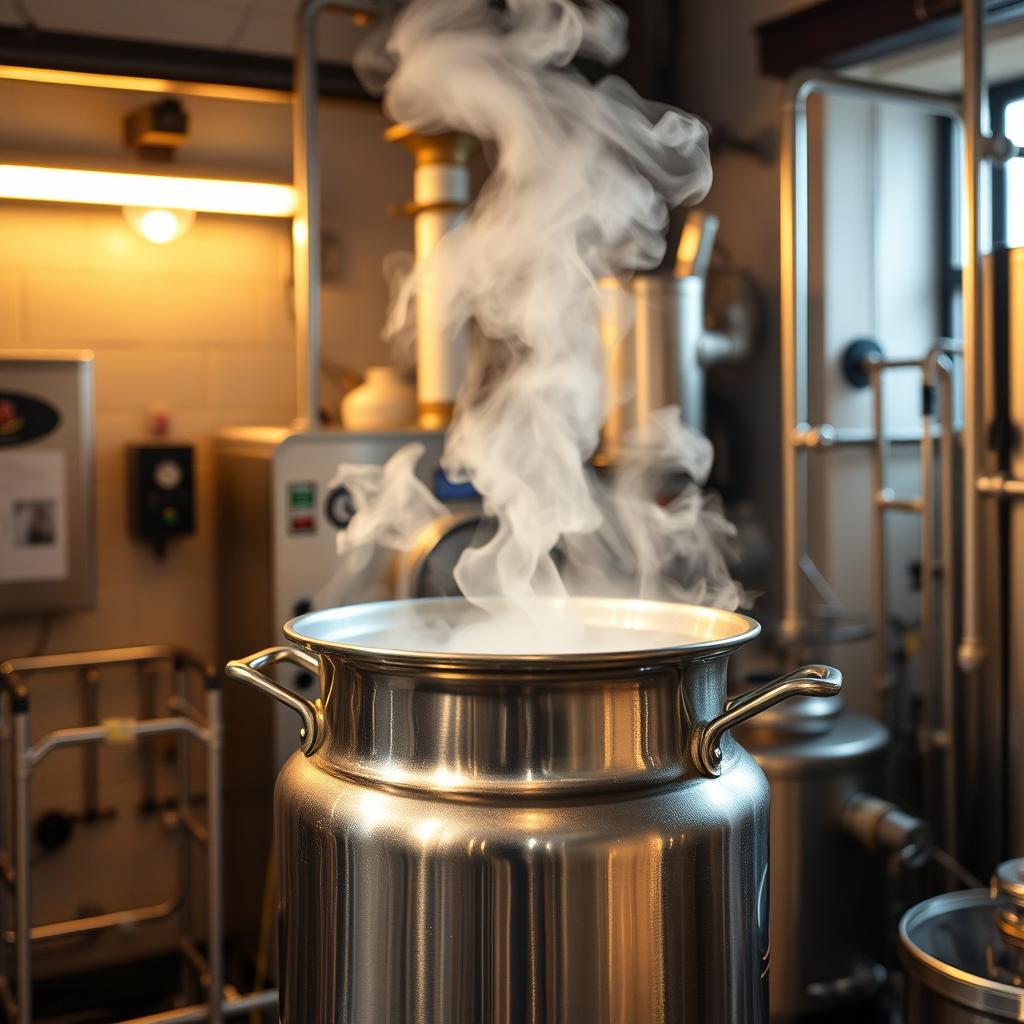
There’s a monkish wisdom to brewing hoppy lager. It strips away everything non-essential and forces you to focus on execution. No fruit. No lactose. No massive adjunct load. No hiding behind haze.
If your process is sloppy — if your fermentation temperature control is dodgy, if your cold crashing is rushed, if your water chemistry is off — hoppy lager will expose it. It’s the ultimate test of brewing discipline.
And that’s exactly why it’s so satisfying when you nail it.
The grist should be simple. I start with a base of German Pilsner malt (90-95%), with a touch of Munich or Carapils for body and head retention. That’s it. No crystal. No specialty malts. The malt bill should be so clean you can see through it — literally.
Target an original gravity around 1.045–1.050 (11.2–12.5 °P), which puts you in the 4.5–5.0% ABV range. Sessionable enough for a long afternoon in the garden, but with enough substance to carry those hops.
Mash at 64–66 °C (147–151 °F) for 60 minutes. This gives you a fermentable wort that finishes dry — crucial for letting the hop flavour shine without a cloying malt sweetness getting in the way.
Boil for 60 minutes. Keep the bittering addition modest — aim for 20–25 IBUs using a clean bittering hop like Magnum or Target. The bitterness should provide structure, not bite. The real hop character comes in the whirlpool and dry hop.
That’s where the magic happens.
Hop Selection and Late-Addition Strategy
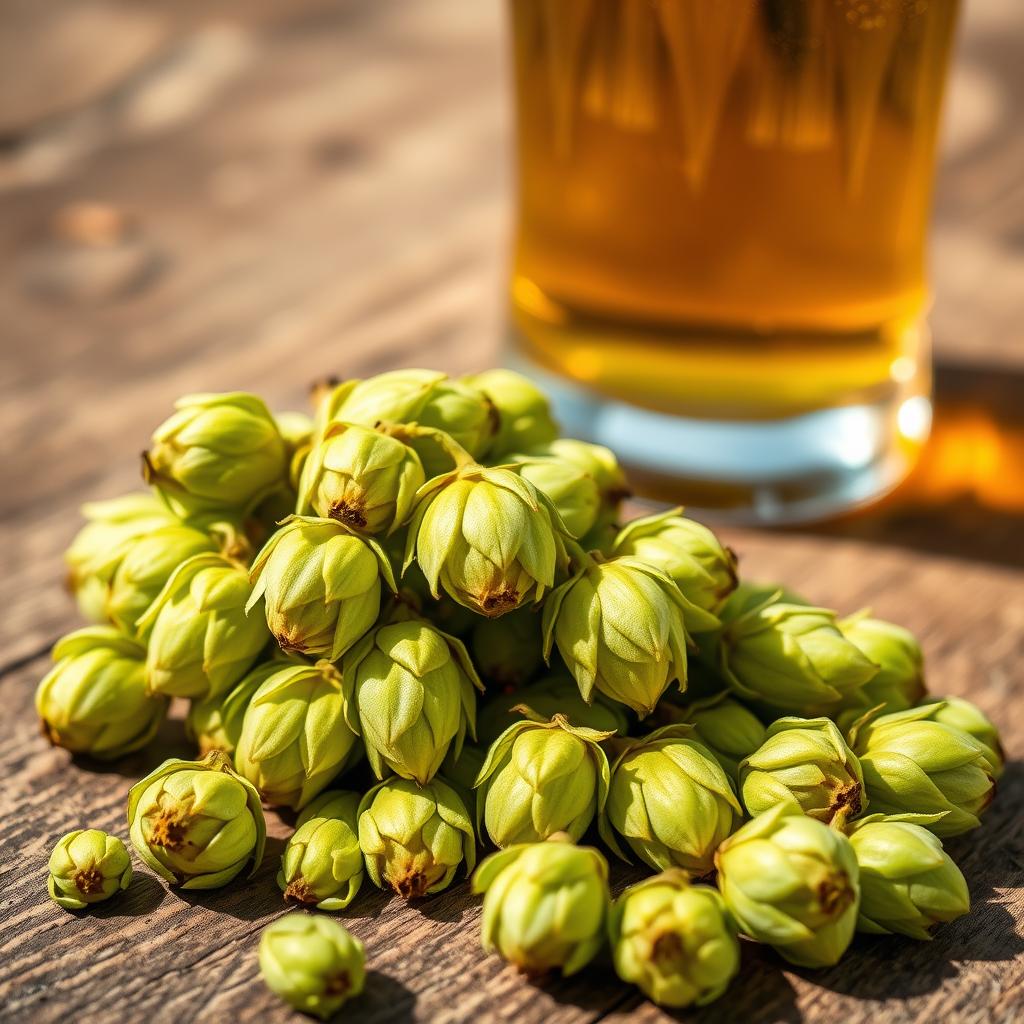
This is the fun part. Hoppy lager gives you a blank canvas for hop expression, so choose wisely.
For a classic interpretation, I’m a fan of Noble hop varieties — Hallertau Mittelfrüh, Tettnang, Saaz — at whirlpool, with a small dry hop of the same. You get that floral, spicy, gently herbal character that makes German-style pilsners so compelling, but amplified.
For something more modern — and this is where 2026 trends really shine — go for a blend of new-world and British hops. My current house recipe uses:
- Whirlpool (80 °C / 176 °F, 20 minutes): 50 g (1.8 oz) Harlequin + 50 g (1.8 oz) Hallertau Blanc per 20 litres (5.3 gallons)
- Dry hop (3 days): 100 g (3.5 oz) CF321 + 50 g (1.8 oz) Citra per 20 litres (5.3 gallons)
Harlequin brings stone fruit and white wine vibes. CF321 is a monster — think lime zest, pineapple, and a subtle herbal note that somehow works perfectly in a lager context. The Hallertau Blanc and Citra bridge the gap between old-world elegance and new-world punch.
Dry hop at fermentation temperatures (10–12 °C / 50–54 °F) for just three days. Any longer and you risk grassy notes or hop creep. Trust me on this — I learned the hard way with a batch that ended up tasting like a lawnmower’s swarf bin.
Fermentation: The Make-or-Break Step
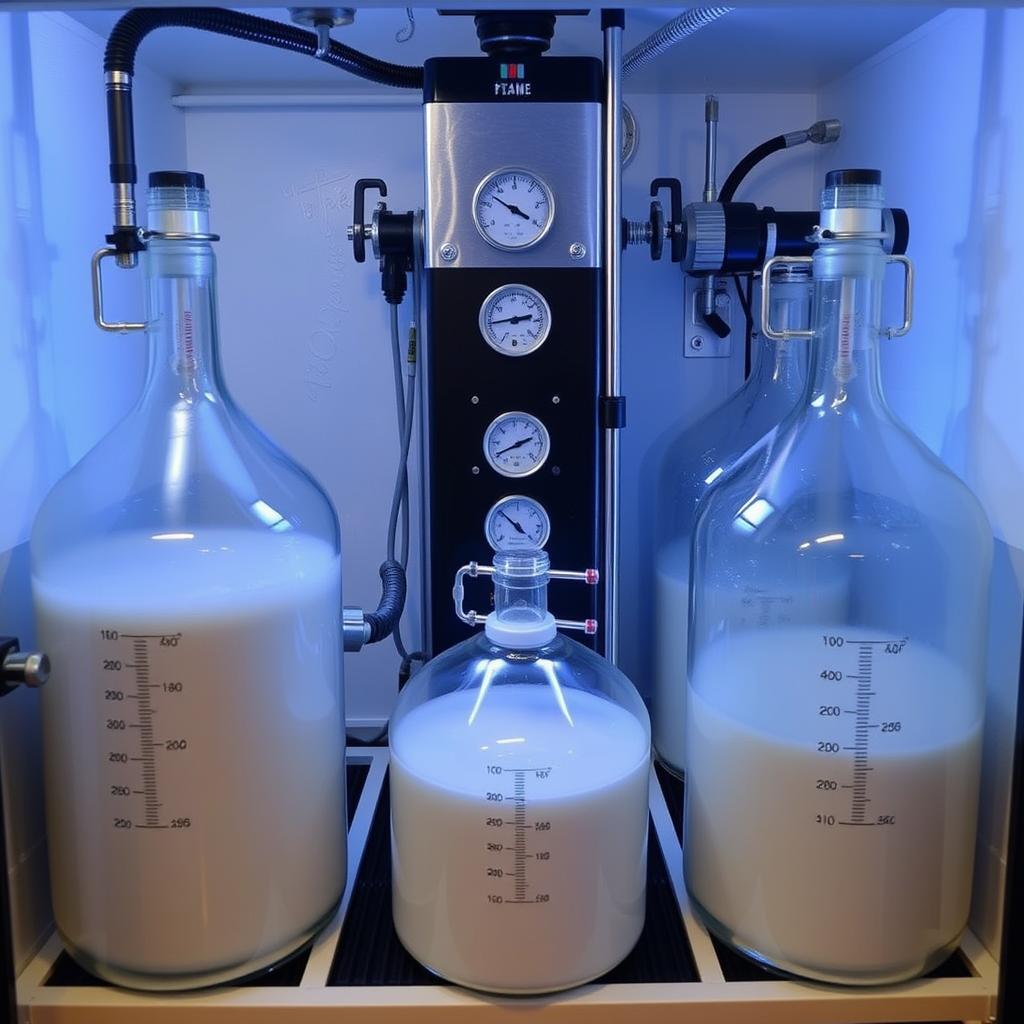
Here’s where a lot of homebrewers trip up. Hoppy lager needs lager yeast — there’s no shortcut here. A clean German lager strain like Wyeast 2124, White Labs WLP830, or Fermentis Saflager W-34/70 is your friend.
Pitch cold at 10 °C (50 °F). Let it free-rise to 12 °C (54 °F) over the first 48 hours, then hold there for the bulk of fermentation. This takes patience — expect 7 to 10 days for primary — but the pay-off is a clean, sulphur-free fermentation that leaves the hops centre stage.
Once fermentation is complete (check with a hydrometer, not your calendar), crash to 2 °C (35 °F) for the dry hop. Reduce to 1 °C (34 °F) for conditioning. Give it at least 2 weeks at lagering temperatures before packaging.
Yes, that’s 3-4 weeks from grain to glass. But if you’re in a hurry, you’re probably brewing the wrong style. Hoppy lager rewards patience.
If you want to accelerate things, consider pressure fermentation — it can dramatically speed up the lagering phase by suppressing ester production at higher temperatures. I’ve had excellent results fermenting W-34/70 at 16 °C under 15 psi on brew days when I was short on time. Not quite the same depth as a full cold ferment, but awfully close.
Water Chemistry: Don’t Overthink It
The resurgence of clearer, more traditional beer styles has brought water chemistry back into focus, but I’d caution against going down the rabbit hole.
For hoppy lager, start with filtered tap water (or RO if you’ve got it) and build from there. A simple sulphate-to-chloride ratio of roughly 2:1 works beautifully — it accentuates hop bitterness and dryness without tipping into harshness.
Target profile for 20 litres (5.3 gallons):
- Calcium: 50–80 ppm
- Sulphate: 100–150 ppm
- Chloride: 50–75 ppm
- Sodium: 10–20 ppm
Keep it simple. Don’t chase the perfect mineral profile while your fermentation temperature is swinging five degrees. Get the fundamentals right first.
Carbonation and Serving
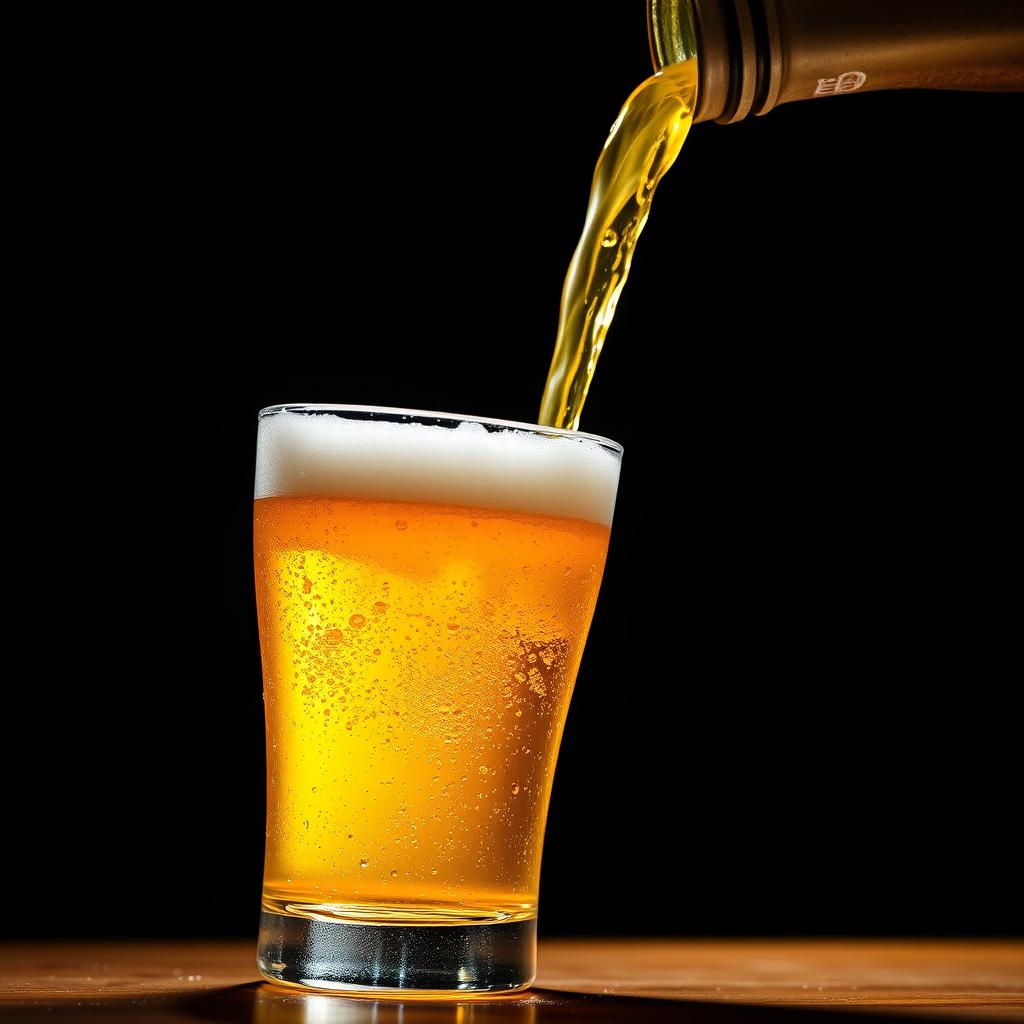
This is where hoppy lager earns its place in the summer beer pantheon. Carbonate to 2.5–2.7 volumes of CO₂ — noticeably higher than your average ale, giving that sharp, prickly mouthfeel that makes you want another sip immediately.
If you’re bottling, use a counterpressure bottle filler to minimise oxygen pickup. Hoppy lager is more oxygen-sensitive than you’d think — that clean malt character turns cardboardy fast if you’re careless.
Serve at 4–6 °C (39–43 °F). A touch warmer than macro lager, but colder than a typical British ale. The sharp pour — that Japanese technique of holding the glass at 45 degrees and building a thick, creamy head — really does make a difference here. My trusty pint glasses from the cupboard do the job, but if you’re serving guests, the presentation elevates the whole experience.
For a full breakdown of the technique, check out my sharp pour mastery guide — it was written with precisely this style in mind.
The Monk’s Verdict

The best thing about hoppy lager? It’s not trying to impress you. It’s not showing off with weird ingredients or gimmicky processing. It’s just really, really good beer — made with skill, patience, and respect for the ingredients.
That’s why it’s the defining homebrew trend of 2026. In an era where everyone’s looking for the next New Thing, sometimes the most radical choice is to strip things back and do the simple stuff well.
I’ve had more genuine joy drinking pints of hoppy lager this spring — both my own and from breweries like Jack’s Abby and Halfway Crooks who’ve been championing the style — than I have from any triple-dry-hopped-bourbon-barrel-aged-monstrosity. There’s a clarity to it, in every sense.
Give it a go. Brew a simple batch this weekend — Pilsner malt, your favourite hops, a clean lager yeast, and a load of patience. You might just find, like I did, that stripping things back is the most rewarding thing you can do with a brew kettle.
Join the Brotherhood
Enjoying the brew wisdom? Bennett’s Brew is reader-supported and ad-free. Every post goes out to the Brotherhood of the Brew — homebrewers who take their craft seriously but don’t take themselves too seriously.
👉 Subscribe for free and get honest, UK-focused homebrewing wisdom delivered to your inbox every week. No fluff. No spam. Just good beer writing.