There’s a peculiar moment in the brewing calendar when you realise that clarity matters more than complexity. When you understand that a beer doesn’t need to shout about hops or fruit or wood to command respect. That sometimes, absolute mastery means restraint.
That’s pilsner.
For months, I’ve been chasing trends—exploring exotic ingredients, pushing fermentation techniques, experimenting with bold botanical blends. And then, in June 2026, the beer world’s pendulum swung back. Classic styles are having a moment. Pilsners especially. And after brewing three Czech-inspired batches and digging into why this particular style refuses to die, I understand why: pilsner is the work of master brewers hiding in plain sight.
The Pilsner Moment: A Return to Classical Mastery
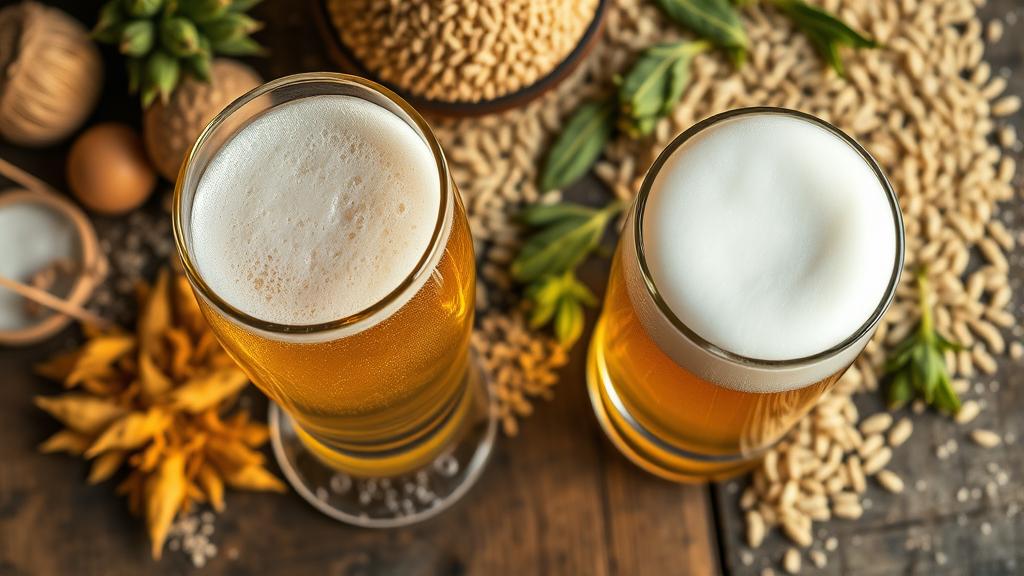
Pilsner emerged in Bohemia (now Czech Republic) in 1842, when Josef Groll of Bavarian descent brewed the first blonde lager at the Pilsner Urquell brewery. What he created wasn’t revolutionary because of exotic additions or radical technique. It was revolutionary because he made a crystal-clear, pale, beautifully balanced lager using local Saaz hops and soft Pilsen water. For a world accustomed to darker, cloudier ales, pilsner looked like the future.
180+ years later, pilsner still defines global beer culture. Yet in homebrewing circles, it’s often overlooked—considered “boring” by those chasing hop saturation and fruit-forward innovation. But that’s precisely the misconception. Pilsner demands more from a brewer than a bold IPA ever will. Every flaw shows. Every shortcut emerges. If you can brew a clean, well-balanced, crystal-clear pilsner, you can brew anything.
And in 2026, after years of experimentation overload, brewers are returning to this truth. The trendlines point backward—toward German-style pilsners, Czech authenticity, Italian-style pils, and the quiet pride of nailing a foundational classic. Session beers that prioritise drinkability and technique are having their moment. And pilsner is leading that charge.
Water, Ingredients, and the Pilsner Philosophy
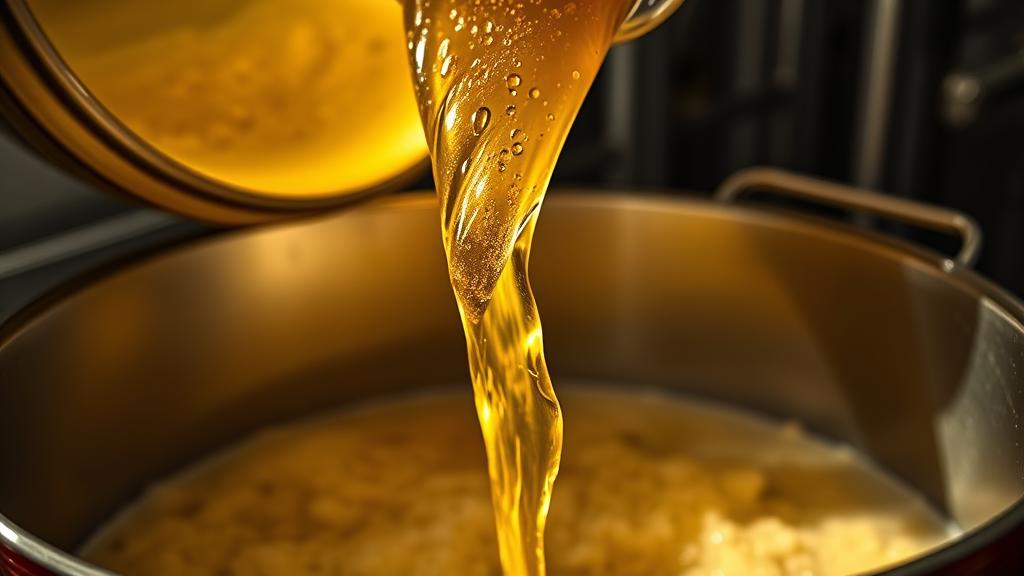
Pilsner begins with water. The original breweries of Pilsen had notoriously soft water—low in mineral content, making it ideal for pale lagers. When you brew pilsner, your water chemistry matters profoundly. If you have soft water (typical in the UK, especially Scotland), you’re already halfway there. If your water is hard, you’ll need to treat it: a water report from your local supplier or a simple analysis kit will tell you whether dilution or acidification is necessary.
Core ingredients for a textbook Czech pilsner:
- Pale pilsner malt (90–95%) — The foundation. Pilsner malt has just enough diastatic power to support the recipe and imparts a subtle, biscuity sweetness that defines the style. I use Maris Otter or Czech Pilsner malt from The Malt Miller exclusively for pilsners—the difference is marked.
- Munich malt (3–5%) — Adds depth without darkness. Optional but recommended.
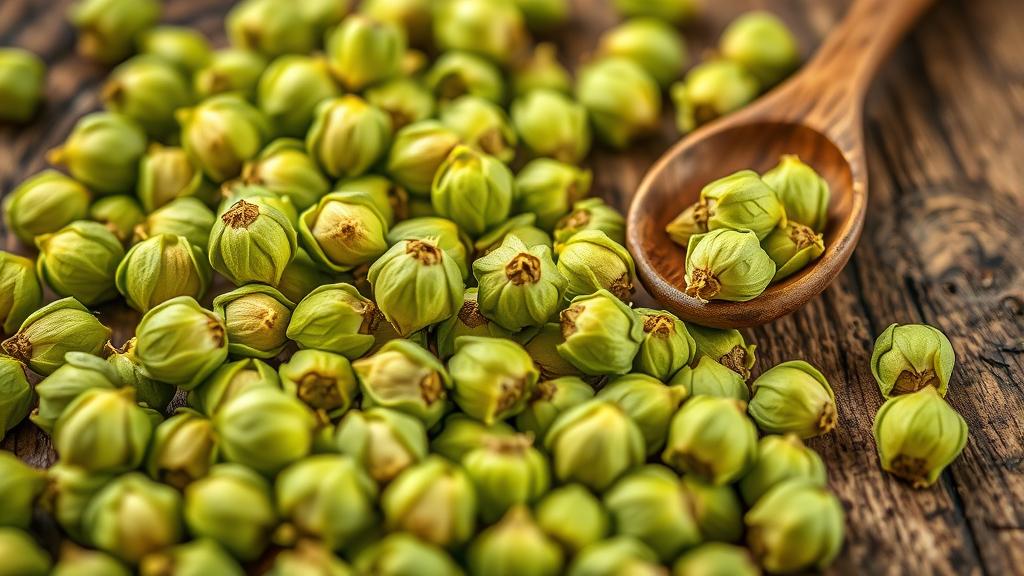
- Saaz hops (bittering and aroma) — The pilsner hop. Saaz grown in the Žatec region of Bohemia is the real deal: subtle, slightly spicy, with a herbal cleanness that defines Czech pilsner character. (German Hallertau is the Bavarian equivalent.)
- Lager yeast — WLP840 (Czech Lager) or equivalent — A clean, neutral strain that lets malt and hops shine. Temperature control is essential; ferment at 10–14°C (50–57°F).
The philosophy underpinning pilsner is restraint. Your grain bill is simple. Your hop schedule is disciplined. Your fermentation is cold and slow. There’s nowhere to hide, which is precisely why brewers love it. Hybrid fermentation experiments are fun, but pilsner asks a different question: How clean can you brew?
The Brew Day: Precision Over Drama
A pilsner brew day feels almost anticlimactic compared to experimental styles. There are no surprise additions, no unexpected fermentation paths, no drama. What there is: control, timing, and obsessive attention to detail.
Recipe (23-litre / 5-gallon batch):
- 4.5kg (10 lb) Maris Otter or Czech Pilsner malt
- 225g (8 oz) Munich malt
- 25g Saaz hops @ 60 minutes (bittering)
- 12g Saaz hops @ 15 minutes (flavour)
- 12g Saaz hops @ flameout (aroma)
- WLP840 Czech Lager yeast
- Water: Adjust to ~100 ppm SO₄, <200 ppm chloride (soft water is ideal)
Mash and lautering: This is where precision begins. Mash at 64–66°C (147–150°F) for 60 minutes. The target is a clean grain bed with excellent lautering clarity. Sparge slowly with water at 74–76°C (165–170°F), aiming for a runoff that sparkles. If it’s cloudy, it’s not ruined—but it’s not pilsner yet. Collect approximately 30 litres (8 gallons) of wort and boil down to 23 litres.
The boil (90 minutes): A straightforward single-infusion boil. Saaz at 60 minutes provides roughly 30 IBUs of clean, refined bitterness. At 15 minutes and flameout, additional Saaz rounds out the hop character without aggressive bitterness. The result should finish at 1.050 OG, approximately 25–30 IBU, and 4.8–5.2% ABV.
Cooling and pitching: Cool quickly to 10–12°C (50–54°F) before pitching. Pilsner yeast at lager temperatures requires an aerator or vigorous splashing—don’t skip this. Healthy yeast + adequate aeration = clean fermentation.
Fermentation, Conditioning, and Patience
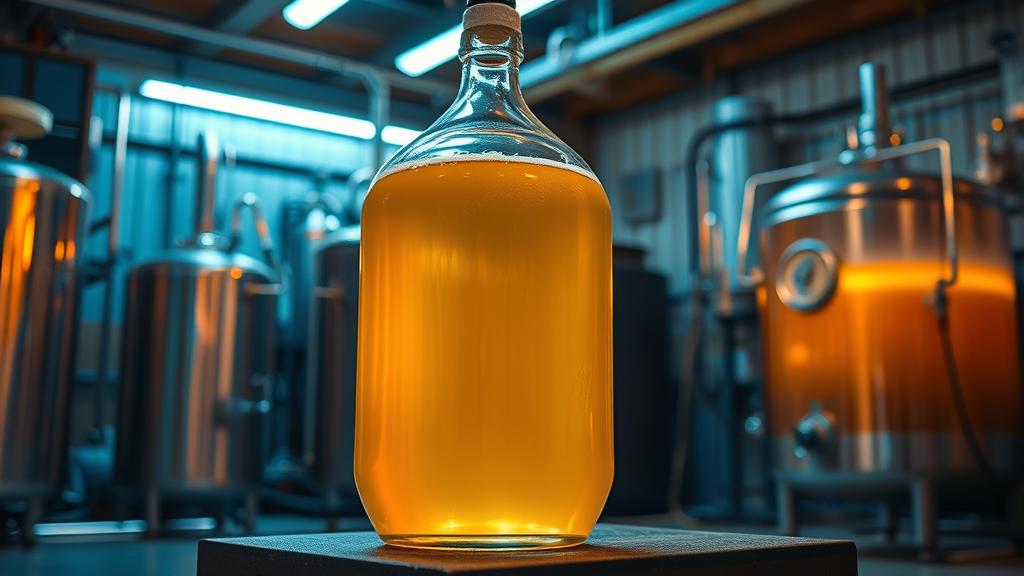
This is where lager brewing earns its reputation. Pilsner ferments at 10–14°C (50–57°F) for 10–14 days, depending on yeast strain and wort temperature. It moves slowly. Very slowly. You’ll see minimal activity for the first 24 hours, then a gradual buildup over days 2–5. Trust the process. By day 10–12, fermentation typically completes (FG around 1.008–1.010).
Once dry, raise the temperature to 15–17°C (59–63°F) for 48 hours to encourage any remaining yeast to drop out, then transfer to a secondary vessel (optional but recommended for clarity) or bottle-condition.
Lagering is the magic that separates pilsners from ales. After bottling (or kegging), store the beer at 4–8°C (39–46°F) for 4–6 weeks minimum. During this time, the yeast slowly conditions the beer, esters integrate, and any rough edges smooth out. At 2 weeks, it’s drinkable. At 4 weeks, it’s noticeably better. At 6 weeks, it’s pilsner.
I made the mistake of rushing my first batch to carbonation within 10 days. It was sharp, slightly yeasty, not yet itself. The second batch, lagered for 8 weeks, was a revelation. Patience isn’t optional in lager brewing—it’s the entire point.
Tasting Notes: What True Pilsner Should Be

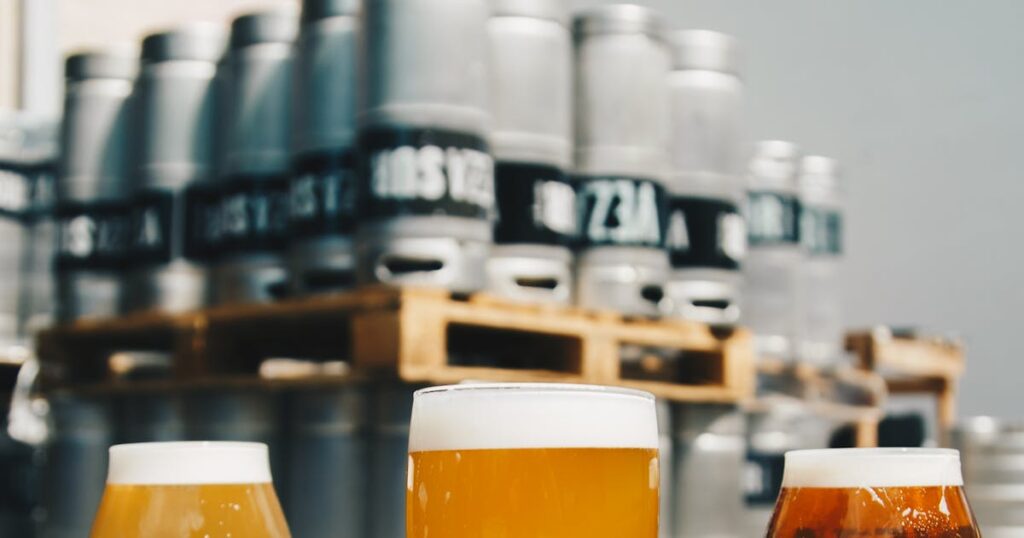
When I cracked my fully lagered pilsner at 8 weeks, the first thing I noticed wasn’t taste—it was clarity. The beer glowed with a pale golden transparency that felt almost impossible from my humble garage setup. Light passed through without distortion. That clarity is your first signal that everything worked.
Appearance: Pale golden (SRM 2–5), brilliant clarity, white foam head that clings to the glass.
Aroma: Subtle malt sweetness with a whisper of Saaz herbal spice. Not assertive. Elegant. The kind of aroma you lean toward to appreciate fully.
Flavour: Here’s where balance shows. The malt provides a light, clean sweetness (think biscuit, subtle grain). The Saaz hops introduce a refined bitterness and herbal spiciness that arrives cleanly and finishes dry. No hop burn. No cloying sweetness. The bitterness feels like a conversation partner, not a bully.
Mouthfeel: Crisp, clean, refreshing. Carbonation is moderate (2.4–2.6 volumes CO₂), lending to a continental mouthfeel without excess fizz.
Finish: Dry, slightly spicy from the Saaz, with a faint grain sweetness lingering. The finish isn’t abrupt; it evolves gently across thirty seconds.
The honesty of pilsner is in this tasting profile: there’s nowhere for flaws to hide. A DMS (cooked corn) character becomes obvious immediately. Yeast esters that would be hidden in a hoppy beer stand out. Oxidation is unmistakable. If you’ve made mistakes, pilsner will tell you clearly and without mercy. But when you nail it, when every element—water, malt, hops, yeast, timing, temperature—aligns? There are few beers as satisfying.
Variations and Brewing the Global Pilsner
Pilsner is far from monolithic. Regional variants teach different lessons:
- Czech Pilsner (Bohemian) — Higher hopping, softer water, slightly spicier Saaz character. What I’ve outlined above.
- German Pilsner — Slightly higher malt sweetness, Hallertau hops instead of Saaz, crisp and elegant. Still complex despite simplicity.
- Italian Pils — Lighter-bodied, often with a touch of fruit, using different noble hops. A fascinating subset.
- Dry Pilsner variation — Reduce crystal malts, extend fermentation, aim for FG 1.006–1.008 for extra dryness and food-pairing versatility.
- Low-ABV Pilsner — Many modern breweries are exploring 3.5–4% session pilsners that maintain full flavour despite lighter bodies. Reduce malt proportionally; everything else stays the same.
Each variant is worth exploring. Pilsner is a style that rewards experimentation within constraint—you learn by changing one variable and observing the result.
Common Mistakes and Brewers’ Wisdom
The errors I’ve made (and corrected):
- Rushing lager conditioning — Consuming at 2 weeks instead of 4–6. The beer improves dramatically with time. Don’t cheat it.
- Ignoring water chemistry — Hard water + pilsner = muted hop character and slightly harsh finish. Know your water profile.
- Overshooting hop additions — More Saaz isn’t better. Stay within 30–40 IBU. Beyond that, the refinement disappears.
- Poor fermentation temperature control — Lager yeast at ale temperatures produces esters and sulphury compounds. A temperature controller is non-negotiable.
- Cloudy runoff — This is a lauter issue, not irreversible. Slower sparging and better grain bed management fix it for the next batch.
The underlying lesson: pilsner teaches discipline. You can’t blame hops for covering flaws. You can’t hide behind complex recipes. The beer will tell you what you did right and what you did wrong.
Conclusion: The Quiet Mastery of Pilsner
Pilsner isn’t trendy because it’s new. It’s trending because, in an era of endless choice and experimentation overload, brewers are rediscovering something essential: the mastery of doing one thing with absolute precision.
When I finished my third lagered pilsner, sitting quietly in my garage with a cold, clear glass glowing in the afternoon light, I felt the same quiet satisfaction I imagine a medieval monk felt completing a perfectly illuminated manuscript. No flash. No innovation for innovation’s sake. Just craft. Just clarity. Just beer so well-balanced that every element—water, grain, hops, yeast, time—felt necessary and sufficient.
Start with the basics. Master the mash. Control your temperature. Respect the lager timeline. And when you crack that first bottle after eight weeks of patience, when you see that clarity and taste that refinement, you’ll understand why pilsner has endured for nearly two centuries.
Sometimes, the most revolutionary thing you can do is return to fundamentals and execute them flawlessly.
🍺 Join the Brotherhood — Monthly brews, stories & monk wisdom
Subscribe for exclusive recipes, early brew logs, and behind-the-scenes updates straight to your inbox.