Rediscovering Farmhouse Brewing: Historical Techniques for Modern Homebrewers
In an age of precision brewing equipment and laboratory-grade yeast strains, there’s a growing movement among homebrewers to look back to simpler times. Farmhouse brewing, the traditional method of making beer on farms across Northern Europe, is experiencing a remarkable revival. These historical techniques offer modern brewers not just a connection to brewing heritage, but also unique flavors and processes that can’t be replicated with modern equipment.
What is Farmhouse Brewing?
Farmhouse brewing refers to the traditional practice of brewing beer on farms, primarily in Norway, Sweden, Finland, and the Baltic regions. Unlike commercial brewing, farmhouse beer was made for immediate consumption by farm workers and family, using whatever ingredients were available locally. The techniques varied from farm to farm, passed down through generations rather than written in textbooks.
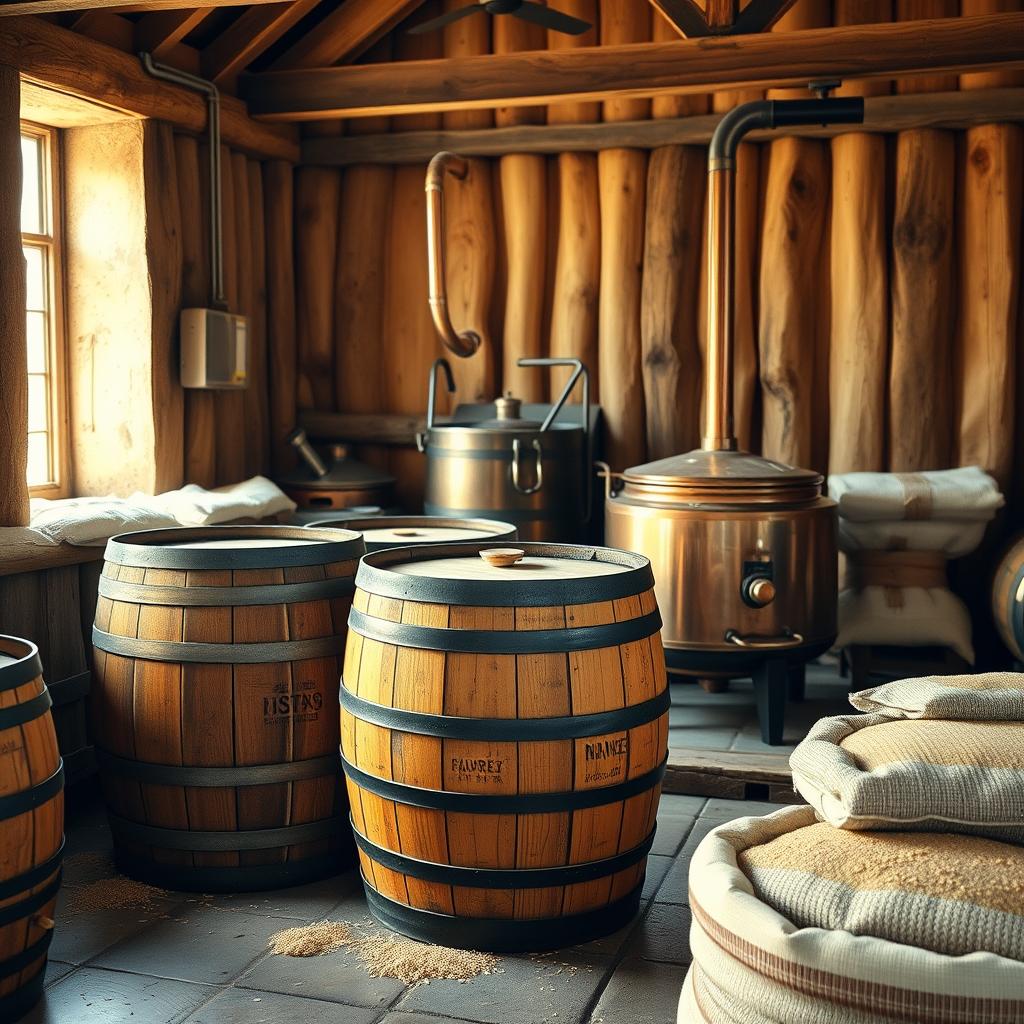
These beers were typically unfiltered, unpasteurized, and often consumed while still actively fermenting. They were brewed in small batches using simple equipment: wooden troughs for mashing, copper kettles over open fires, and fermentation in wooden barrels stored in cool cellars or barns.
Key Farmhouse Brewing Techniques
1. Raw Ale (Kölsch-style)
One of the most distinctive farmhouse techniques is raw ale brewing, where the wort is never boiled. Instead, the mash is heated to pasteurization temperature (around 75-80°C) and then cooled rapidly. This method preserves delicate hop aromas and creates a smoother, less bitter beer. The lack of boiling also means more proteins remain in the wort, giving the beer a distinctive hazy appearance and fuller mouthfeel.

2. Kveik Yeast
Perhaps the most famous farmhouse innovation is kveik (pronounced “kvike”), a family of Norwegian farmhouse yeast strains. Unlike conventional brewing yeast, kveik can ferment at incredibly high temperatures (up to 40°C) without producing off-flavors. It also ferments rapidly, often completing primary fermentation in just 24-48 hours.
Kveik yeast is traditionally preserved by drying on wooden rings or in linen cloths, then rehydrated when needed. Each farm had its own unique kveik strain, resulting in distinct regional variations. Modern homebrewers can now obtain these strains from yeast banks, bringing centuries-old flavors to their brews.
3. Juniper Infusion
In Scandinavian farmhouse brewing, juniper branches were commonly used both as a filtering bed during lautering and as a flavoring agent. The branches’ antimicrobial properties helped keep the equipment clean, while the juniper berries added a distinctive piney, resinous character to the beer. Some brewers still use this technique today, creating beers with a unique connection to their local terroir.
Why Modern Homebrewers Should Try Farmhouse Techniques
Farmhouse brewing offers several advantages for today’s homebrewers:
- Simpler Equipment: You don’t need expensive stainless steel systems. Many farmhouse techniques work well with basic equipment.
- Unique Flavors: The combination of raw ale, kveik yeast, and traditional ingredients creates flavors you can’t get with modern methods.
- Faster Brewing: Kveik yeast’s rapid fermentation means you can go from grain to glass in under a week.
- Seasonal Flexibility: Farmhouse beers were traditionally brewed according to the agricultural calendar, not a fixed schedule.
- Connection to History: You’re participating in a brewing tradition that dates back centuries.
Getting Started with Farmhouse Brewing
If you’re interested in trying farmhouse techniques, start with a simple raw ale using kveik yeast. You’ll need:
- Basic brewing equipment (mash tun, kettle, fermentation vessel)
- A kveik yeast strain (available from specialist suppliers)
- Pale malt and a simple hop schedule
- A way to heat your mash to 75-80°C without boiling
Remember that farmhouse brewing is more art than science. Traditional brewers worked by feel and experience rather than precise measurements. Don’t be afraid to experiment and adapt the techniques to your own setup.
The Future of Farmhouse Brewing
The revival of farmhouse brewing isn’t just about nostalgia. As the craft beer movement matures, brewers and drinkers alike are looking for more authentic, terroir-driven experiences. Farmhouse techniques offer exactly that—a connection to place, history, and tradition that mass-produced beer can never provide.
Organizations like CAMRA (the Campaign for Real Ale) have long championed traditional brewing methods, while online communities like HomeBrewTalk provide spaces for modern brewers to share their farmhouse experiments. The BJCP (Beer Judge Certification Program) has even added farmhouse beer styles to its guidelines, recognizing their growing importance in the brewing world.
Whether you’re a seasoned homebrewer looking for new challenges or a beginner interested in brewing history, farmhouse techniques offer a rewarding path. They remind us that sometimes, the oldest methods are still the best.
For more brewing tips and techniques, check out our Taproom section or browse our complete blog archive. You might also enjoy our post on wild fermentation techniques for another traditional brewing approach.