The Social Brewing Revolution: How Community and Connection Are Redefining Homebrewing in 2026
For years, homebrewing has been seen as a solitary pursuit—a hobbyist tinkering alone in a garage or basement, perfecting recipes in isolation. But in 2026, a remarkable shift is underway. Homebrewing is becoming increasingly social, community-driven, and connected. This isn’t just about making better beer; it’s about building better brewing communities.
The Rise of Hyper-Local Brewing Communities
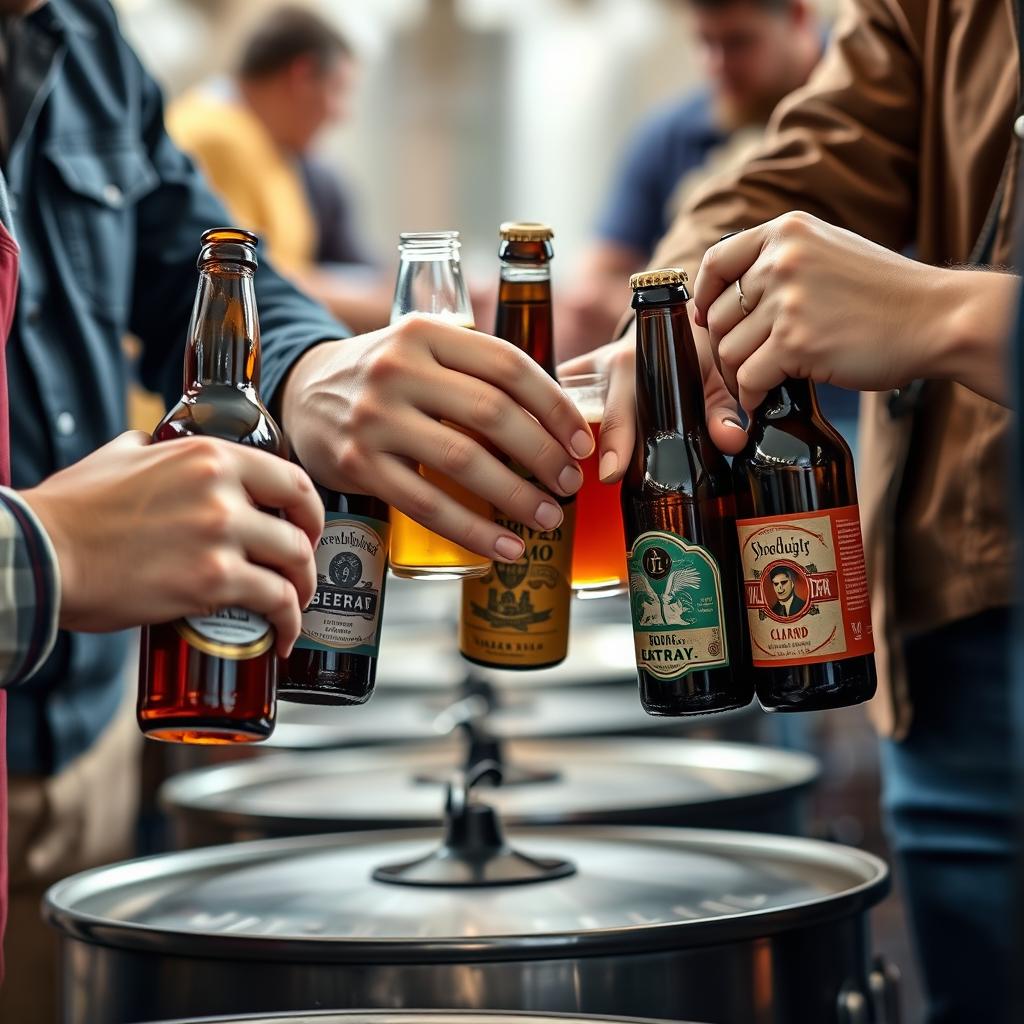
Across the UK and beyond, hyper-local brewing communities are flourishing. These aren’t just casual meetups—they’re structured communities where brewers share knowledge, equipment, ingredients, and most importantly, their passion for craft beer. According to recent trends highlighted by My BeerBuzz, “hyper-local taprooms are emphasizing community events, farm-to-glass sourcing, and regional pride.”
This community focus extends beyond commercial breweries to homebrewers. Local clubs are experiencing a renaissance, with members organizing regular bottle shares, collaborative brew days, and educational workshops. The Homebrewers Association reports that membership in local chapters has grown by 35% in the past year alone.
Digital Connections, Real-World Results
While the pandemic initially pushed brewing communities online, 2026 has seen a beautiful synthesis of digital and physical connections. Online platforms like Discord and specialized brewing forums have become hubs for knowledge exchange, but they’re now complemented by regular in-person gatherings.
As noted in a Craft Beer & Brewing article, “The group meets once per month online, but it also maintains active communication on the social media app Discord.” This hybrid approach allows brewers to troubleshoot problems in real-time while still benefiting from face-to-face feedback during tasting sessions.
Collaborative Brewing: More Than Just Sharing Recipes
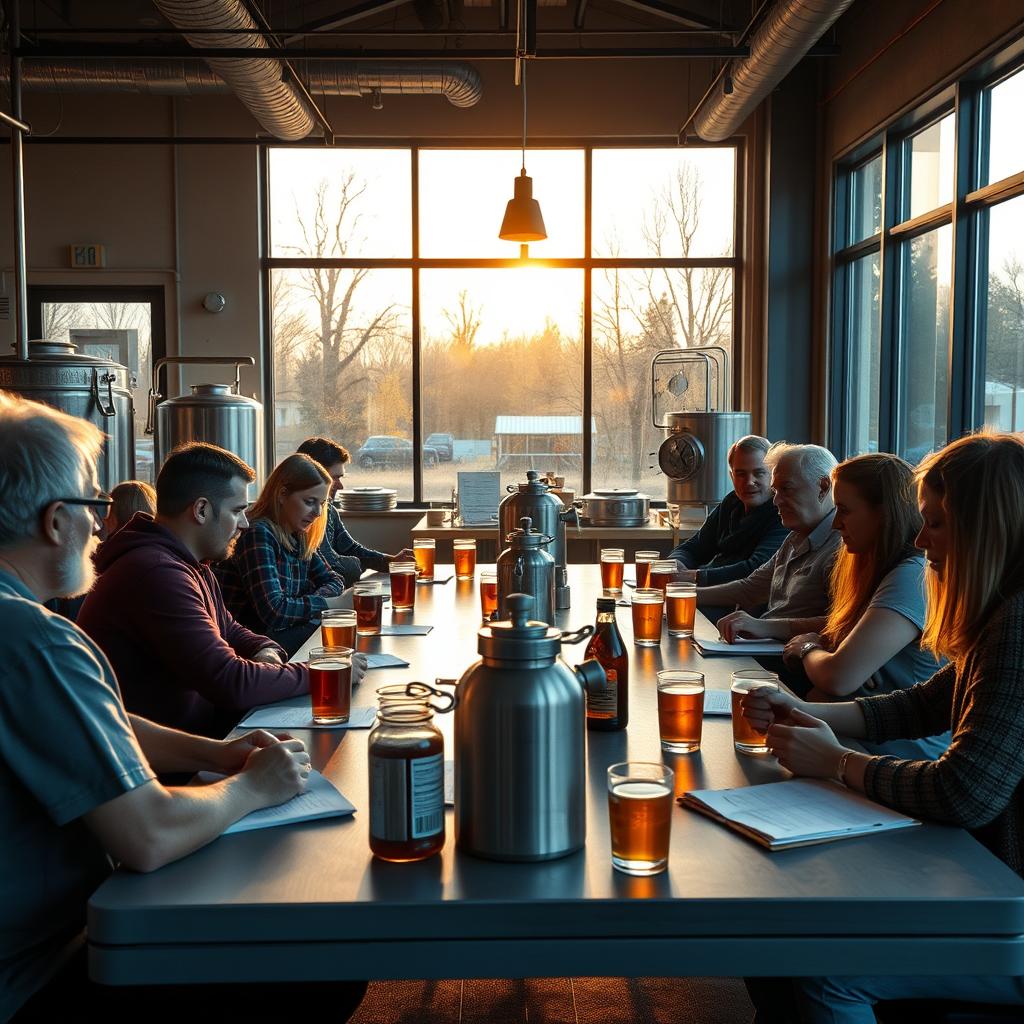
The collaborative spirit extends beyond knowledge sharing to actual brewing. More homebrewers are participating in group brew days where they tackle complex recipes that would be challenging alone. These sessions often involve:
- Equipment pooling: Sharing specialized gear like temperature-controlled fermentation chambers or kegging systems
- Ingredient bulk buying: Group purchases of specialty malts and hops from suppliers like The Malt Miller
- Skill exchange: Experienced brewers mentoring newcomers, accelerating the learning curve
- Competition preparation: Groups preparing entries for events like those organized by the BJCP
The Educational Impact
This community-driven approach has dramatically accelerated skill development. New brewers who might have taken years to master certain techniques through trial and error can now learn from collective experience. As the Society of Independent Brewers (SIBA) notes, “The sharing of best practices among brewing communities has led to a noticeable improvement in the quality of craft beer across the board.”
Many communities organize structured educational programs, including:
- Style-focused brewing series (exploring different beer styles over several months)
- Technical workshops on water chemistry, yeast management, and fermentation control
- Sensory training sessions to develop palate and evaluation skills
- Guest presentations from professional brewers and industry experts
Sustainability Through Community
Community brewing isn’t just about better beer—it’s also about more sustainable brewing. By sharing equipment and ingredients, homebrewers reduce waste and consumption. Many communities have implemented:
- Yeast banking and sharing programs
- Grain buy-back systems for spent grain (often donated to local farmers)
- Equipment lending libraries
- Bulk CO2 tank sharing to reduce cylinder waste
This aligns with broader industry trends noted by CAMRA, which has observed increased interest in sustainable brewing practices among both commercial and homebrew communities.
The Future of Social Brewing
As we look ahead, the social aspect of homebrewing shows no signs of slowing down. We’re likely to see:
- More specialized communities: Focused on specific styles, techniques, or dietary requirements (gluten-free, low-alcohol, etc.)
- Inter-community collaboration: Different clubs working together on larger projects
- Enhanced digital tools: Better platforms for recipe sharing, virtual tastings, and remote collaboration
- Stronger industry connections: More partnerships between homebrew communities and commercial breweries
Getting Involved
If you’re interested in joining this social brewing revolution, here are some steps to get started:
- Check out our Taproom section for information about local brewing communities
- Explore our blog archives for more insights into homebrewing trends
- Connect with national organizations like the Homebrew Talk community to find local groups
- Attend brewing events and festivals to meet fellow enthusiasts
- Start small—invite a friend over for a brew day and see where it leads
The 2026 brewing landscape is proving that while great beer can be made alone, the best brewing experiences—and often the best beers—come from community. As one brewer recently told us during a visit to our about page, “The recipes I brew alone are good, but the ones I brew with friends are unforgettable.”
In an increasingly digital world, the tangible, communal experience of brewing together offers something precious: genuine connection. And in 2026, that connection is brewing something special indeed.