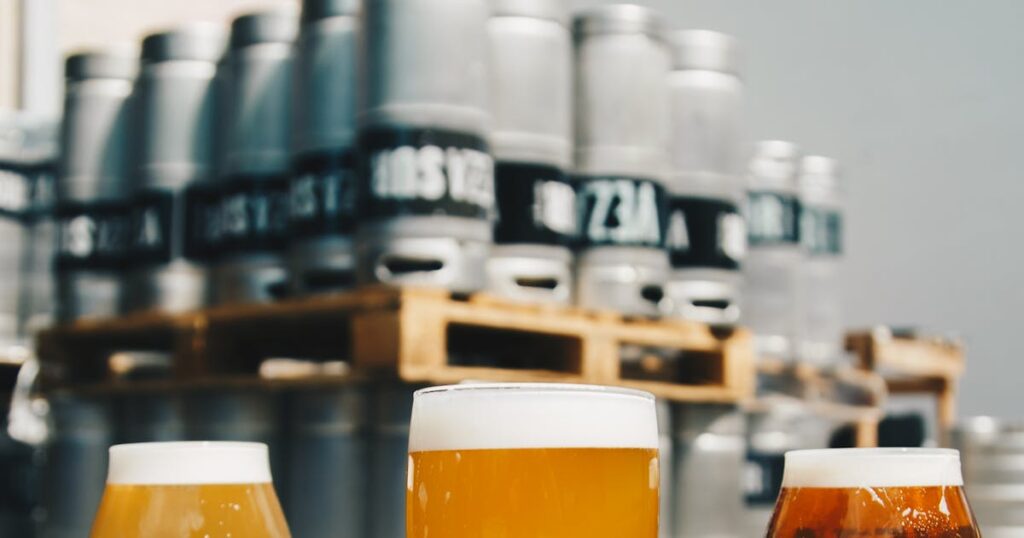
Summer 2026 has arrived with a delicious trend: fruit lagers are surging. Sales of fruit lagers in the UK are up 21.3% year-on-year, and for good reason. There’s something magical about a crisp, cold lager kissed with fresh fruit flavours — it’s refreshing, approachable, and absolutely perfect for June gardening sessions.
After years of IPAs and sours dominating craft talk, the humble fruit lager deserves its moment. As someone who spent my first homebrewing years chasing big, bold flavours, I initially dismissed lagers as “boring.” I was wrong. A well-executed fruit lager is a masterclass in restraint and balance — and if you want to ride this 2026 trend, I’ll walk you through exactly how to brew one.
Why Fruit Lagers Are Having Their Moment
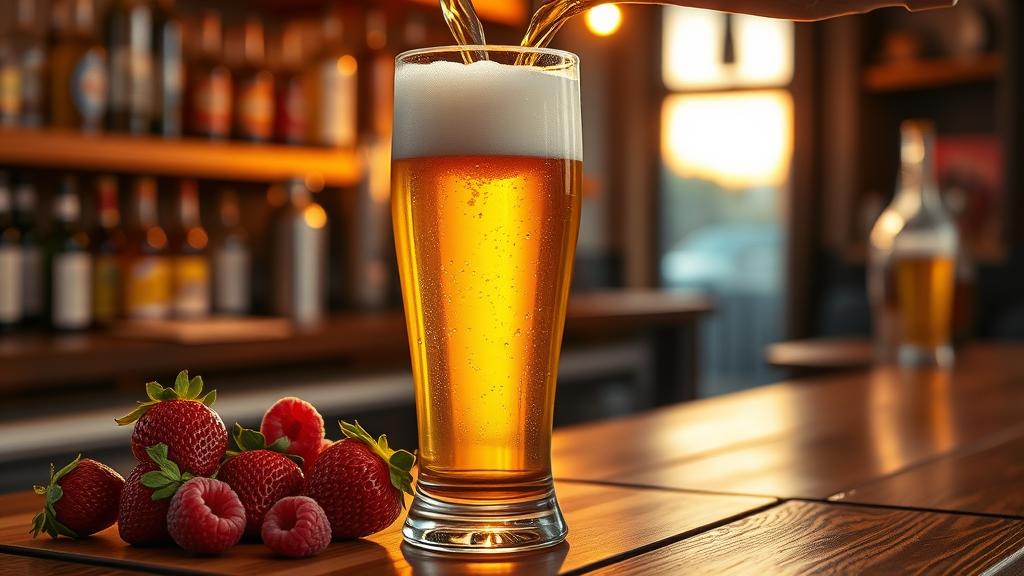
The appeal is clear: fruit lagers deliver on multiple fronts. They’re lower in alcohol than most ales (typically 4.5–5.5% ABV), which aligns with the growing awareness around mindful drinking. They’re visually stunning — a golden lager with strawberry or peach notes is impossibly Instagram-worthy. And flavour-wise, the clean fermentation profile of a lager acts like a canvas for delicate fruit character without the yeasty esters that might otherwise muddy things.
There’s also a cultural shift. For decades, British brewing was defined by bitters and milds — warm, malty, earthy. German and Czech lagers were the “proper” cold ones. But the craft beer movement proved lagers needn’t be bland. Combine that with the craft lager renaissance of 2026, and suddenly homebrewers are treating lagers with the same experimental spirit they’d use for IPAs. The BJCP style guidelines now recognise experimental fruit lagers as a legitimate category, validating what brewers have known for years.
Ingredients & Technique: Building Your Fruit Lager
The foundation of a fruit lager starts with the malt. I typically use a blend of Pilsner (60–70%) and a touch of Munich malt (10–15%) to add subtle depth without introducing unwanted colour. The remaining 15–30% might be Vienna malt or a small amount of wheat for body. The goal is clean, crisp, and slightly sweet — room for the fruit to shine.
For hops, restraint is key. I favour noble hops like Hallertau or Tettnang — low alpha acid, delicate floral notes. Aim for 15–20 IBUs total. You’re not looking for bitterness; you want the fruit’s acidity and natural tartness to provide balance. According to HomeBrewTalk community discussions, this approach consistently yields the cleanest fruit expression.
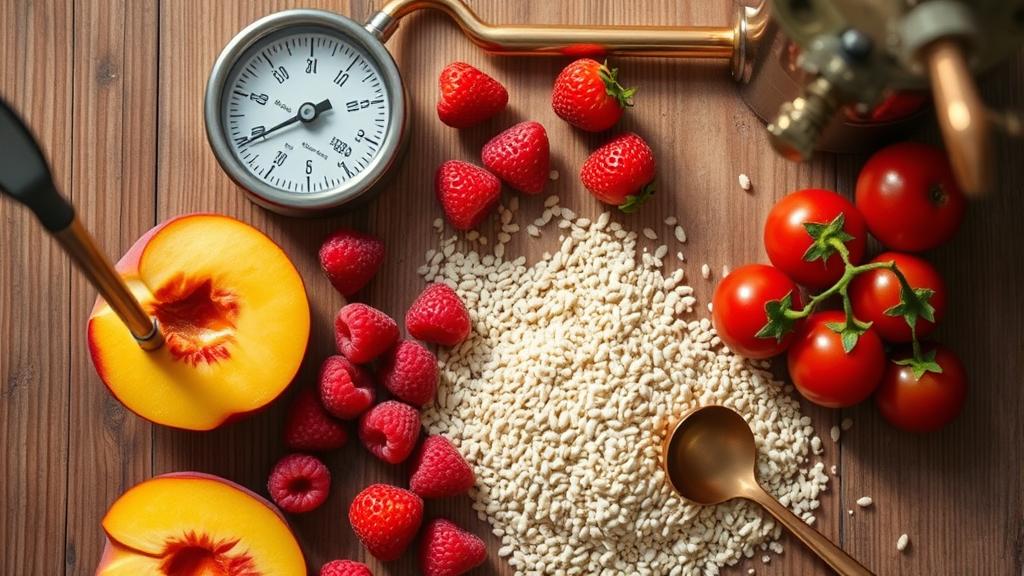
Now, the fruit. Fresh, ripe, and preferably local. Strawberries, raspberries, peaches, and even gooseberries work beautifully. The amount varies: for a 19-litre (5-gallon) batch, I use 1–1.5 kg (2.2–3.3 lbs) of fruit. Too little and it’s ghostly; too much and you’ll mask the lager character. Fruit beer techniques have evolved considerably, and one key lesson is timing: add your fruit during or after fermentation, not before, to preserve delicate volatile compounds.
Yeast is critical. I use Wyeast 2308 (Munich Lager II) or SafLager S-23 — both clean, ferment in the 48–55°F range, and produce minimal diacetyl off-flavours. Patience is non-negotiable. A proper lager fermentation takes 6–8 weeks, including a diacetyl rest and lagering period. Yes, it’s longer than an ale. Yes, it’s worth it.
Step-by-Step Brew Day
- Mash: Strike water at 68°C (154°F), mash grain at 66–67°C (150–152°F) for 60 minutes. Keep it simple; single infusion works perfectly for fruit lagers.
- Sparge: Fly sparge or batch sparge — your choice. Aim for 25 litres (6.6 gallons) of wort pre-boil.
- Boil: 90 minutes total. Add hops at 60 minutes, again at 15 minutes (light bittering), and a small amount at flameout for aroma. NO fruit at this stage.
- Cool: Chill to 50°F (10°C) rapidly with an immersion chiller or ice bath. Oxygenate well — lager yeast is sluggish and needs good oxygen saturation.
- Pitch: Use a healthy starter (I build mine over 2–3 days with a stir plate). Aim for 2–3 million cells per millilitre of wort.
- Ferment: Hold 50–52°F (10–11°C) for the first 48 hours, then let it free-rise to 55°F (13°C). Lager yeast is happiest in a narrow window.
The Fruit Addition: Timing & Technique
This is where patience and precision pay off. Around day 7–10 of fermentation (when gravity has dropped by about half), it’s time to add your fruit. Purée or crush it lightly — whole fruit stays whole for too long. Some brewers use a secondary fermenter; I often add directly to the primary.
The purée will initially drop the pH and introduce some tannins. This is fine. Over the next 5–7 days, yeast will metabolise remaining sugars in the fruit, and you’ll see a secondary fermentation. This is normal and desirable — it adds complexity. Hybrid fermentation techniques can also be explored once you’re confident, blending ale-like complexity with lager crispness.
After fermentation plateaus (check gravity for 3 consecutive days with no change), begin the diacetyl rest: gradually warm to 65°F (18°C) over 3 days. This allows yeast to clean up any buttery off-flavours. Then drop temperature to 32–35°F (0–2°C) and lager for at least 4 weeks. I know — it’s slow. But cold conditioning is where the magic happens. Yeast flocculates, clarity improves, and fruit character melds beautifully with the base beer.
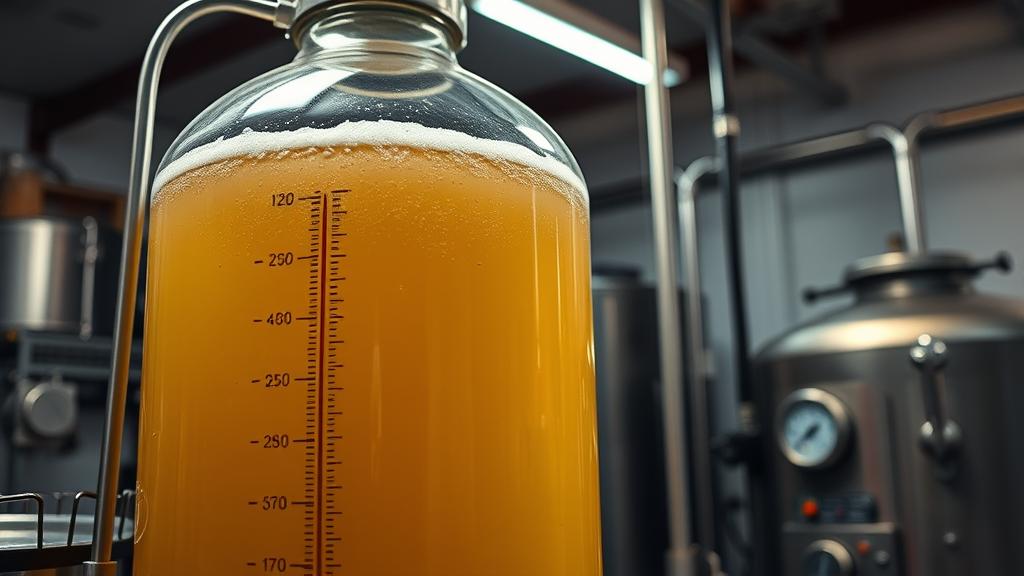
Tasting Notes & My Honest Review
I brewed my first fruit lager last August — a strawberry pilsner. My initial expectation was cautious. I’d read too many reports of “artificial fruit juice” flavours. But the result surprised me. The strawberry came through as subtle, almost floral — not a Strawberry Lucozade situation at all. There was a clean, crisp malt backbone, light herbal hop character, and the fruit provided a delicate tartness that made the beer refreshingly drinkable.
Word got around, and I made three more batches. A peach version (using sustainably sourced freestone peaches from a local orchard) was the real winner — elegant, summery, perfect with fish or light salads. A raspberry attempt was slightly more challenging; the tannins were more pronounced, and I had to reduce my fruit amount by 200g on the second attempt. Lesson learned.
The standout success was a strawberry-rhubarb hybrid, inspired by wild fermentation principles. The rhubarb’s natural acidity complemented the strawberry’s sweetness, and the low pH environment created a slightly vinous, complex character I hadn’t anticipated. That batch got requests for more.
Here’s my honest take: a well-made fruit lager sits at that perfect intersection of approachable and sophisticated. It won’t blow anyone’s mind with aggressive hops or funk. Instead, it’s a beer that makes someone say, “I didn’t know I liked beer until I tried this.” That’s a compliment in the truest sense.

Pro Tips & Common Mistakes
Sanitation is non-negotiable. Wild yeast and bacteria love fruit. Use fresh equipment, sanitise thoroughly, and if you’re doing multiple batches, clean between transfers. One contaminated batch will teach you this lesson the hard way. Suppliers like The Malt Miller stock excellent sanitation products designed specifically for fruit additions.
Monitor gravity obsessively. Lager fermentations are slower, so you can’t rely on the “airbubbles per second” test. Invest in a good hydrometer or refractometer. Check every 3–4 days after day 7. When gravity stops dropping for 3 consecutive days, you’re ready to move to the next phase.
Don’t skip the starter. Lager yeast needs a healthy population. A 1-litre starter built over 2–3 days on a stir plate is standard. Some brewers use liquid yeast straight from the pack on a whim — and then wonder why their fermentation stalls at FG 1.020.
Control temperature religiously. A fridge with a temperature controller (£40–60, about €50–70) is not optional; it’s essential. Lagers fermented warm taste like ales (fruity esters), not lagers. Off-spec fermentation temperatures destroy the whole point.
Don’t add fruit to the boil. Heat destroys volatile aromatics. Fruit additions belong in active fermentation, not in the kettle.
Variations & Next-Level Experiments
Once you’ve nailed the basics, the creative possibilities are endless. Try a mixed fruit blend — strawberry and elder-flower is transcendent. A fruit + herb combination — peach with a tiny amount of basil — adds complexity without overwhelming the base beer. Sustainable sourcing opens doors to local fruit varieties that supermarkets never stock: gooseberries, medlars, even damsons create fascinating tasting notes.
For advanced brewers, I’d suggest a cold-infusion technique: after fermentation, transfer to a secondary with fresh crushed fruit for 2–3 weeks at cold temperature. This extracts fresh fruit character without the tannin extraction that hot additions bring.
Another experiment: a fruit lager aged on oak. 4–6 weeks on a small oak cube (£8–12) adds vanilla and spice without overwhelming the fruit. Only for confident brewers — oak can quickly become overpowering.
Conclusion
Fruit lagers aren’t a gimmick. They’re a legitimate expression of the brewer’s art, and the 2026 UK sales data proves consumers agree. If you’ve been sleeping on lagers, this is your invitation to wake up. The technical challenge is real — temperature control, patience, precise timing — but the reward is a beer that’s genuinely delicious and seasonally perfect.
Start simple: a pilsner-based strawberry lager with noble hops and a clean yeast strain. Build from there. In 8–10 weeks, you’ll have a crystal-clear, refreshingly fruity beer that beats most commercial examples I’ve tasted. That’s not hyperbole — that’s the power of slow, patient homebrewing.
🍺 Join the Brotherhood — Monthly brews, stories & monk wisdom
Subscribe for exclusive recipes, early brew logs, and behind-the-scenes updates straight to your inbox.