June 2026 is shaping up to be the year British brewers rediscover what grows beneath their own feet. For decades, we’ve looked west to America’s bold hop innovations and south to New Zealand’s fruity novelties. But there’s been a quiet revolution happening in the English countryside, and it’s time homebrewers woke up to it.
Olicana is one of the newest stars in the British hop firmament — a dual-purpose variety from Charles Faram that’s gaining traction not as a supporting player, but as a primary aroma driver. If you’ve been chasing exotic hops from abroad, it’s worth pausing to explore what British breeders have been quietly perfecting. This is the story of how a humble British hop might just reshape your brew day.
Why British Hops Matter in 2026
There’s a shift happening in the craft brewing world. Breweries across the UK are increasingly turning to local hop suppliers — not just for supply chain reliability, but because there’s genuine character in British-grown varieties. According to Tastewise’s 2026 craft beer trend analysis, localization and farm-to-glass sourcing are central to modern brewing philosophy. The movement toward sustainability and regional identity isn’t marketing; it’s a genuine industry shift.
For homebrewers, this matters practically: British hops are fresher (shorter transport time), easier to source locally, often more affordable than imported varieties, and deeply suited to our climate and water chemistry. Most importantly, they’ve been bred with our brewing traditions in mind. Olicana, released through the British hop breeding program, represents a conscious effort to develop varieties that compete on character rather than novelty alone.
The variety arrived with modest fanfare compared to, say, a new American release from Yakima Valley. But Charles Faram’s detailed breakdown of Olicana’s brewing applications reveals a hop worth exploring — earthy, herbal, with a peppery edge that rewards experimentation. It’s not trying to be Citra or Nelson Sauvin. It’s trying to be itself, and that’s its strength.
What Olicana Actually Tastes Like
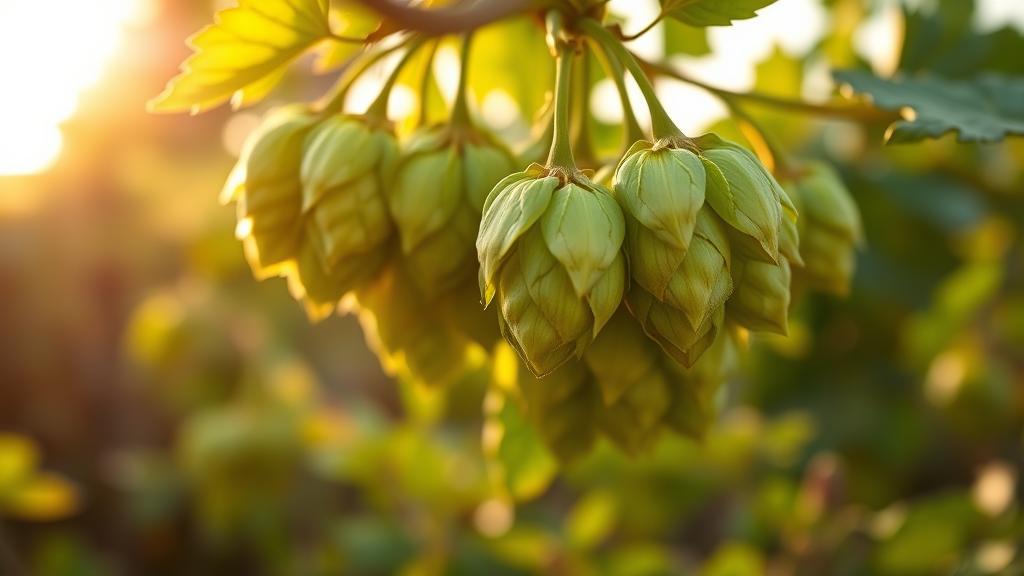
Let me be honest: Olicana is not a “fruit bomb” hop. If you’re expecting passionfruit or blueberry notes, you’ll be disappointed. What you get instead is complexity — earthy, herbal, with hints of black pepper and that distinctive British character that reminds experienced brewers of East Kent Goldings or Progress, but with a distinctly modern edge.
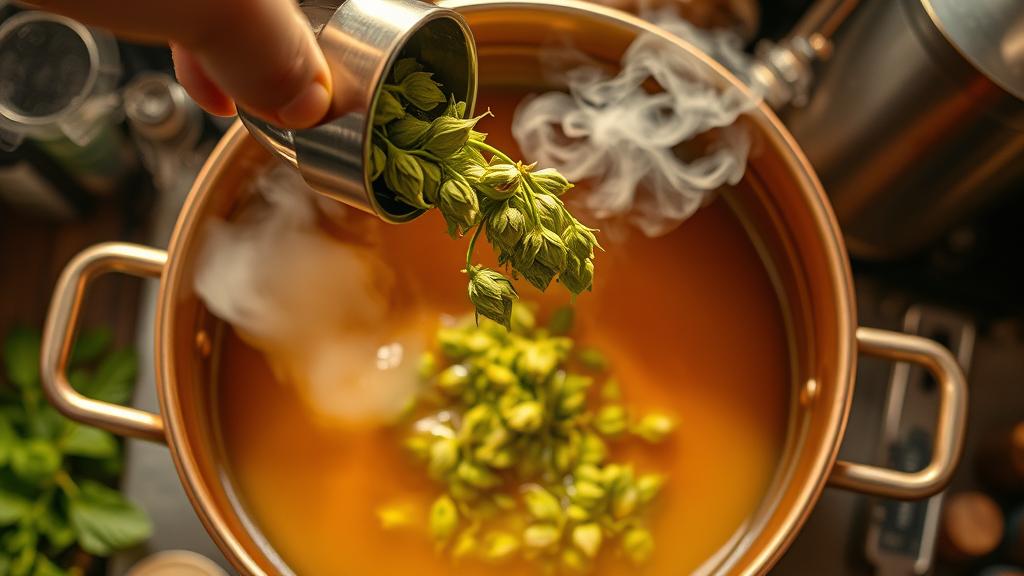
In the boil (60-minute charge), Olicana contributes clean, pleasant bitterness without harshness. The alpha acids sit around 7-8%, making it genuinely dual-purpose. Use it as a bittering hop and you get reliable, balanced bitterness. Use it in the last 15 minutes of the boil and the aroma begins to shine through — subtle but present. Dry hop it for 3-4 days and you’ll unlock earthy, slightly woody notes that work brilliantly in pale ales and golden ales.
Homebrewers on r/Homebrewing reported finding Olicana “mild” compared to newer varieties like Harlequin, but that mildness is actually an asset. It blends beautifully with other hops and doesn’t overwhelm a simple grist. Paired with quality UK malts — Maris Otter, Golden Promise, Pale Ale malt — you get something genuinely craft-spirited without the need for exotic ingredients or complicated multi-hop blends.
The flavour profile is subtle but present. I’ve noted earthy undertones, herbal grassiness, and a gentle peppery finish that lingers pleasantly. Some brewers report hints of rosemary or sage, depending on mash temperature and yeast choice. It’s the kind of hop that rewards attention and thought rather than demanding to be noticed.
A Dead-Simple Olicana Pale Ale Recipe
Here’s what I’ve been brewing with recently. It’s straightforward, uses ingredients you can source from UK suppliers like BrewUK or The Malt Miller, and properly showcases what Olicana brings to the table. This is a tried-and-tested recipe that’s worked consistently across three brews.
Ingredients (20 litres / 5.3 US gallons):
- 3.5 kg (7.7 lbs) Pale Ale malt
- 500 g (1.1 lbs) Maris Otter
- 200 g (0.44 lbs) Crystal 60L
- 15 g (0.53 oz) Admiral or Magnum — 60 mins (bittering, 7-8 IBU)
- 30 g (1.06 oz) Olicana — 15 mins (flavour)
- 40 g (1.41 oz) Olicana — 5 mins (aroma)
- 40 g (1.41 oz) Olicana — dry hop 3-4 days
- Wyeast 1056 (American Ale) or Safale US-05, pitched at 18°C (64°F)
Method: Heat strike water to 75°C (167°F). Mash in at 66°C (151°F) for 60 minutes, maintaining temperature throughout. Sparge with 75°C water, collect approximately 25 litres (6.6 US gallons) of wort. Bring to boil, then follow the hop schedule above. Cool to 18°C, pitch yeast (or starter if you prefer), then ferment for 10-12 days at 18-20°C (64-68°F). Transfer to secondary or bottling vessel, condition for 2-3 weeks. The result should be a balanced, approachable pale ale with earthy backbone and subtle pepperiness — exactly what Olicana was bred to do. OG approximately 1.050, FG 1.010, ABV 5.2%.
This recipe is forgiving. Novice brewers rarely disappoint with it, and experienced brewers appreciate its simplicity. The all-grain process is straightforward, and the hop additions are gentle enough that minor timing variations won’t ruin the batch. If you’re experimenting with low-ABV brewing techniques, this recipe scales beautifully down to 3-4% ABV simply by reducing the malt bill by 20% — Olicana’s character shines even in lighter brews.
Variations & Experiments Worth Trying
The beauty of Olicana is its versatility. I’ve experimented with several directions worth sharing:
Golden Ale variation: Reduce the pale malt to 3 kg, add 200g each of Wheat Malt and Munich Malt. Same hop schedule. The result is lighter, more elegant, slightly wheaty — perfect summer quaff. The wheat adds a silky mouthfeel, and Munich malt brings subtle bread-like character that complements Olicana’s earthiness beautifully.
Olicana + Godiva pairing: Replace half the dry hop with Godiva (another emerging British variety). This creates a more herbally complex profile with rosemary-like notes threading through. It’s interesting, but I prefer Olicana solo. The pairing can muddy Olicana’s cleaner profile.
All-British effort: Use only UK-grown malts (which you can get from Crisp Maltings or Castle Malting) and this Olicana variety. The result is genuinely locally-rooted, which appeals deeply to my monastic sensibilities. There’s something honest about drinking beer that traveled no further than a lorry ride, honouring both terroir and regional brewing tradition. You can even experiment with barrel-aging techniques using British oak for a truly regional expression.
The sustainable homebrewing movement has been gaining momentum, and British hops slot perfectly into that philosophy without any compromises on flavour. You’re not sacrificing quality for ethics; you’re gaining both.
Common Mistakes (So You Don’t Make Them)
After brewing several batches and learning from failures, here’s what I’ve discovered about what works and what doesn’t with Olicana. (And if you’re keen to explore other hop strategies, my guide to fruit beer brewing techniques covers how to pair adjuncts with character-driven hops like this.)
- Over-bittering: Some brewers treat Olicana like a classic bittering hop and use 25g+ in the 60-minute addition. This can create a harsh, astringent finish that overshadows the hop’s more subtle characteristics. Stick to 10-15g maximum for the bittering charge. Let other hops or malt handle bittering balance; let Olicana shine in the late additions.
- Ignoring the dry hop: Olicana’s true character emerges in dry-hop additions. If you skimp here or omit it entirely, you’ll miss what makes it worthwhile. Treat the dry hop as non-negotiable.
- Using old leaf hops: Storage matters enormously. Keep Olicana in vacuum-sealed bags in the freezer. Once opened, use within weeks. Older leaf degrades fast and loses the lovely earthy character, fading into vegetal or stale notes.
- Mixing with aggressive yeast profiles: This hop shines with clean, neutral fermentation. Avoid wild yeasts or overly fruity strains (like Belgian Abbey yeasts) that’ll mask its subtle complexity or compete for attention. American or British ale yeasts are perfect partners.
- Mashing too high: If your mash exceeds 68°C (154°F), you’ll extract too much tannin, and Olicana’s delicate profile gets buried. Aim for 66-67°C and stick to it.
Where to Source Olicana in the UK
Olicana is still relatively specialist, but availability is improving across 2026. The Hop Addition regularly stocks it in both leaf and pellet form, and BrewUK should have pellets year-round. Charles Faram’s web shop lists approved retailers across the UK. Prices hover around £3-4 per 100g, which is reasonable for a quality British variety with no air miles. Expect to pay a bit more than tired old Challenger or Goldings, but significantly less than novelty imports from America or New Zealand.
When ordering, specify whether you want leaf or pellets. I prefer leaf for character, but pellets are more convenient and store better. Either works fine with Olicana — it’s less fussy than some hops about presentation.
Comparing Olicana to Other British Hops
If you’re new to modern British varieties, it helps to understand where Olicana sits in the landscape. Harlequin is punchier and more assertive. Godiva is floral and refined. Olicana? It’s balanced — neither withdrawn nor aggressive, earthy without being dull. It’s the hop that plays well with others while maintaining its own identity.
Compared to classics like East Kent Goldings or Fuggle, Olicana is brighter, more defined. It lacks the woody depth of older varieties but brings modern clarity. If you’ve loved traditional British ales but found them somewhat one-note, Olicana offers sophistication without losing that essential Britishness.
Final Thoughts
Olicana represents something important: the reassertion of British brewing tradition informed by modern technique. We don’t need to chase every trendy American release or wait for the next Australian sensation. We’ve got genuinely good varieties growing here, developed by people who understand our climate, our water, and our brewing heritage.
Is Olicana the next Citra or Amarillo? Probably not, and frankly, it doesn’t need to be. Those hops shout. Olicana whispers. What matters is that it’s honest, it’s local, and it makes genuinely good beer. In a world obsessed with novelty and exotic imports, there’s quiet wisdom in reaching for what’s grown on your own island. Try it. Brew with it. Form your own opinion. But don’t overlook British innovation just because it chooses subtlety over sensationalism.
Your brewery — and British brewing — will be better for it.
🍺 Join the Brotherhood — Monthly brews, stories & monk wisdom
Subscribe for exclusive recipes, early brew logs, and behind-the-scenes updates straight to your inbox.