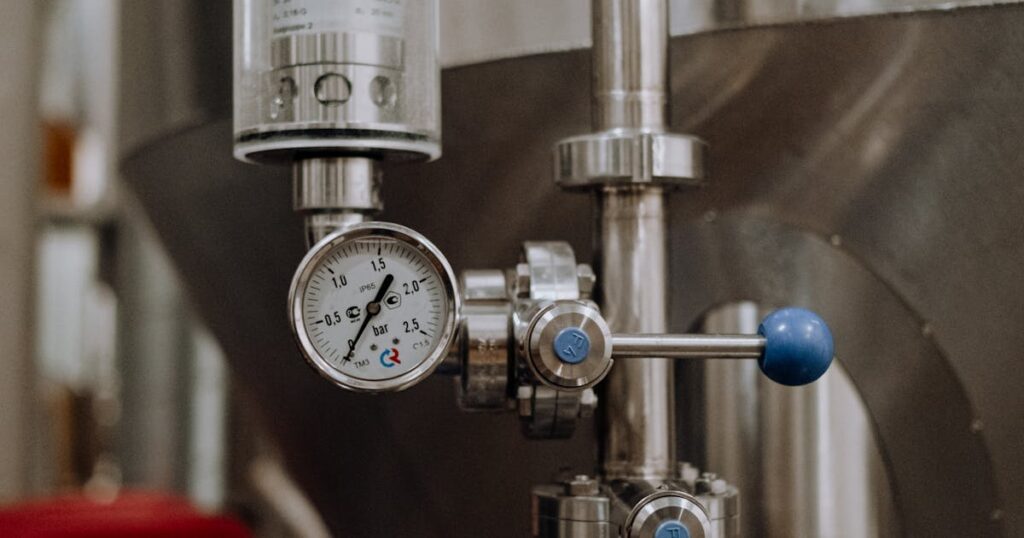
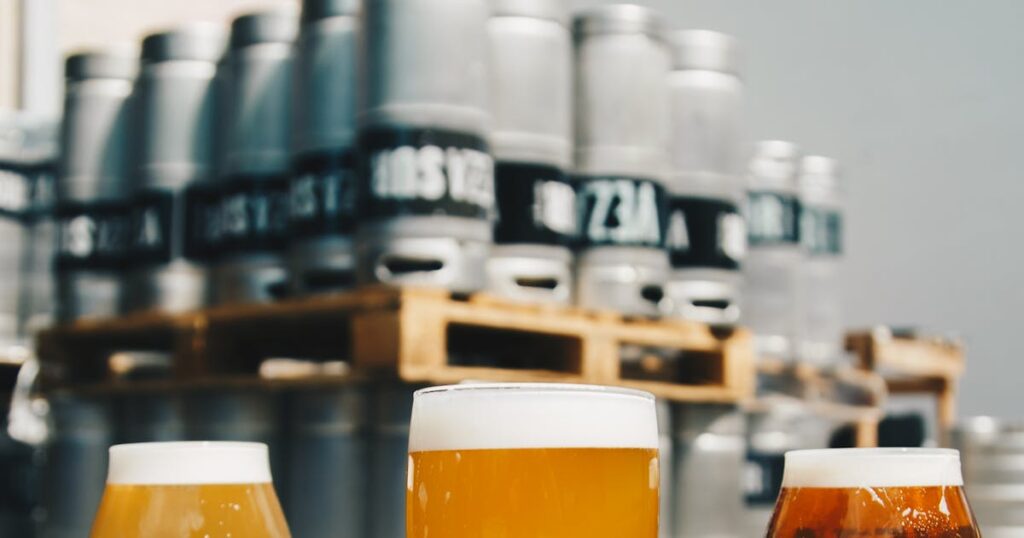
The year is 2026, and Bohemian pilsner—the original, the authentic—is finally getting the respect it deserves from UK homebrewers. For decades we’ve obsessed over German precision pilsners, but the Czech version is where the real soul lies. Deeper malt character, subtle diacetyl, lower bitterness, and a brewing technique that separates the committed from the casual: decoction mashing. This isn’t just another lager. This is the beer that started it all—and why mastering it might be the most rewarding skill in your brewing arsenal.
Why Bohemian Pilsner Is Having Its Moment in 2026
Walk into any homebrewing forum this June, and you’ll see it: Czech pilsner threads popping up weekly. Reddit’s r/Homebrewing is buzzing about decoction techniques. YouTube channels are revisiting “Secrets of Master Brewers.” Even mainstream UK craft breweries are swapping their California-hop-forward pale ales for slower, more deliberate lagers. Something’s shifted. And honestly? It’s about burnout.
After years of aggressive IPAs, adjunct-heavy wonders, and “throw everything at it” experimental beers, brewers are craving something with restraint. Something that tastes like someone genuinely understood what they were doing, rather than throwing darts at a flavour wall. Bohemian pilsner demands respect, patience, and technique. There’s no hiding behind hops or fruit or spices. It’s just malt, water, noble hops, and yeast—executed with precision that makes you feel like you’ve earned something real.
This aligns perfectly with the larger homebrewing movement toward lager mastery and precision fermentation, where control over temperature and technique becomes your greatest asset.
The Essential Ingredients: Keeping It Authentic
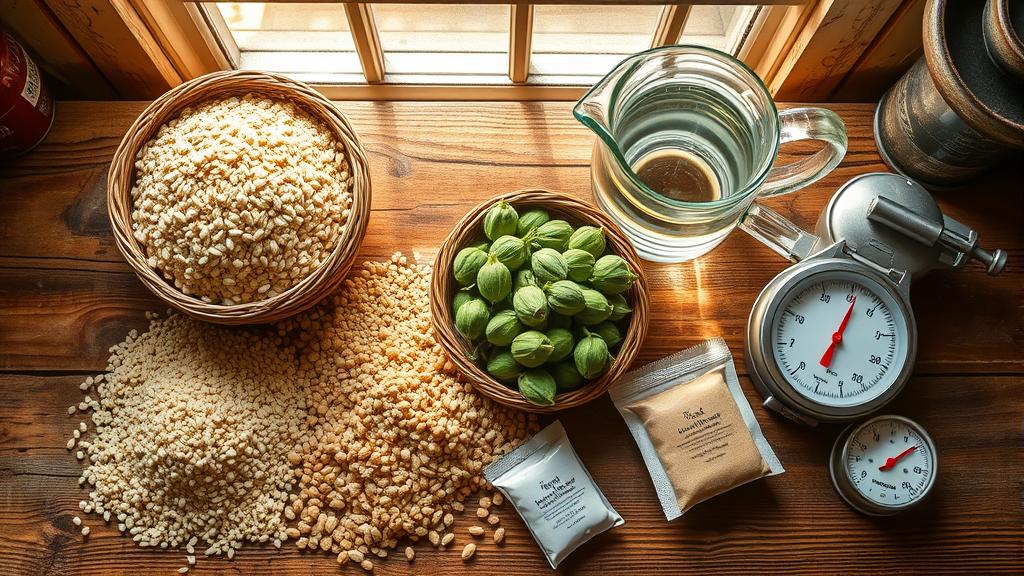
Here’s where Czech pilsner gets interesting—and occasionally maddening. The style is defined by restraint, but choosing the right ingredients is absolutely critical. You can’t wing this.
Malt: Traditional Bohemian pilsners use exclusively pale pilsner malt, usually from Czech or German sources. Crisp Pils or Weyermann Pilsen malt work beautifully. Some brewers (and this scandalized my first attempt) use a tiny percentage of very light crystal malt—maybe 2-5% of the grist—to add a touch of mouthfeel and subtle sweetness. The Czech Brewers’ Guild would probably deny this happens, but it does. Aim for a colour of around 3-4 SRM (6-8 EBC), pale enough to glow like captured sunlight. You can source quality grain from suppliers like The Malt Miller.
Hops: This is non-negotiable: Saaz hops. Or at least, authentic Saaz from the Žatec region of the Czech Republic. No substitutes. Hallertau is noble but wrong for this style—Saaz has that distinctly herbal, slightly spicy character that defines the Bohemian character. You’ll typically use around 25-30 IBUs, added early for bittering and restrained late additions for aroma. The bitterness should be present but refined, never aggressive. For reference, the BJCP style guidelines define Czech pilsner as crisp, clean, and balanced at 30-45 IBUs, with a golden colour and subtle noble hop presence.
Water: Bohemian water is relatively soft, so if you’re starting with very hard water, a light dilution with distilled water helps. Otherwise, just use what you’ve got—this beer is forgiving enough that chalk and minerals won’t ruin it.
Yeast: Wyeast 2278 (Czech Pilsner), White Labs WLP800, or WLP802 (Budejovice) are your allies. These produce that classic dry, clean finish with just a hint of diacetyl (which, unlike in most beer styles, is actually acceptable here in small amounts—it adds complexity).
The Brew Day: Decoction Mashing Demystified
Alright. Here’s where it gets technical, and why so many homebrewers skip Czech pilsner: decoction mashing feels like unnecessary faffing about.
It absolutely is not.
Decoction is the traditional Czech technique of removing a portion of the grain mash, boiling it separately, and returning it to the main mash to raise the temperature. Why? Because it extracts additional enzymes and flavour compounds from the grain, and it allows you to hit precise mash temperatures without expensive brewing equipment. It’s also why traditional Czech pilsners taste so distinctly balanced and complete.
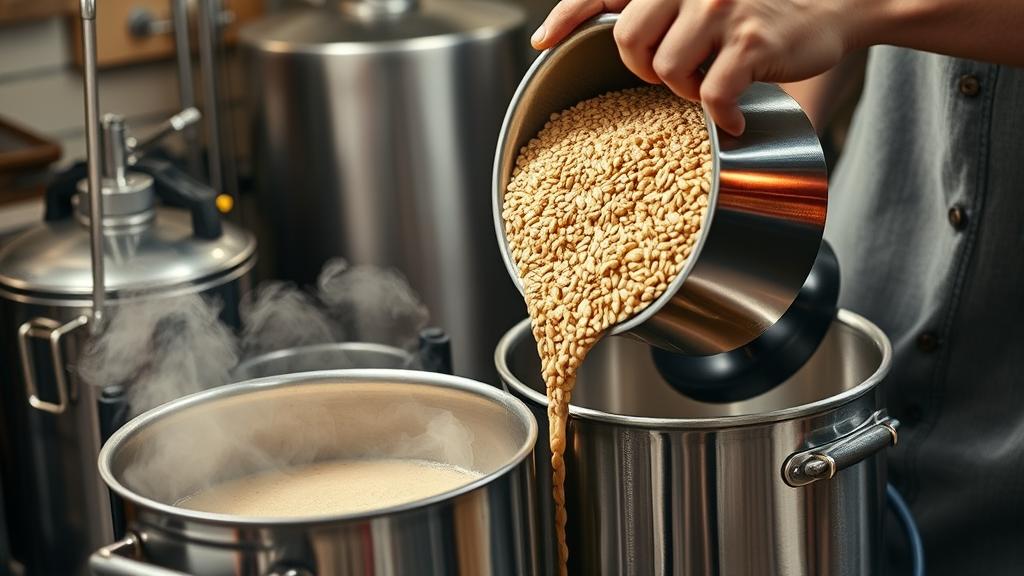
Here’s a typical schedule for a 20-litre (5.3 US gallon) batch:
- Mash in: 67°C (152°F) with your full grain bill. Rest for 20 minutes.
- First decoction: Remove about 30% of the mash (roughly 3 litres with grain), boil it for 15 minutes, then return it to the main mash. This should raise the temperature to about 72°C (162°F). Rest for 20 minutes.
- Second decoction: Remove another 30% of the mash, boil, and return. Temperature should now reach around 76°C (169°F). Rest for 10-15 minutes.
- Mash out: Raise to 78°C (172°F) and hold for 5 minutes before lautering.
Yes, it takes time. Yes, it requires more attention than a single-temperature infusion mash. But the payoff is a mash that extracts efficiently, flavour complexity that seems impossible from just pale malt, and a historical authenticity that honestly makes the beer taste better (psychosomatic? maybe—but it works).
Run-off should be clear and slow, around 1.5 litres per minute. Aim for a gravity around 1.052-1.056 (12-14 Plato), which ferments to roughly 5.2-5.8% ABV.
Fermentation and Conditioning: Where Patience Becomes a Superpower
Here’s the uncomfortable truth about lager fermentation: it’s slow. Czech pilsner even more so. If you’re used to ales that ferment vigorously in a week and are ready to drink in a month, lager brewing will test your patience.
Pitch your yeast into wort cooled to 12-14°C (54-57°F). Fermentation will be slow and steady for 2-3 weeks. Resist the urge to raise the temperature to speed things up—let the yeast work at its own pace. This is where the clean, crisp character develops.
Once fermentation slows (gravity stable over 3 days), raise the temperature by 1-2°C per day until you reach 16-18°C (61-64°F) for a “diacetyl rest”—about 48 hours at this temperature allows the yeast to clean up any remaining diacetyl precursors. Then cold-condition the beer at 2-4°C (35-39°F) for a minimum of 4 weeks. This is not optional. This is where the beer develops that signature crisp, refined character.
The total timeline from pitch to glass is typically 8-10 weeks. Plan accordingly. Use this time to read about low-ABV brewing techniques or explore hybrid fermentation approaches for your next beer.
Tasting Notes: What You Should Expect
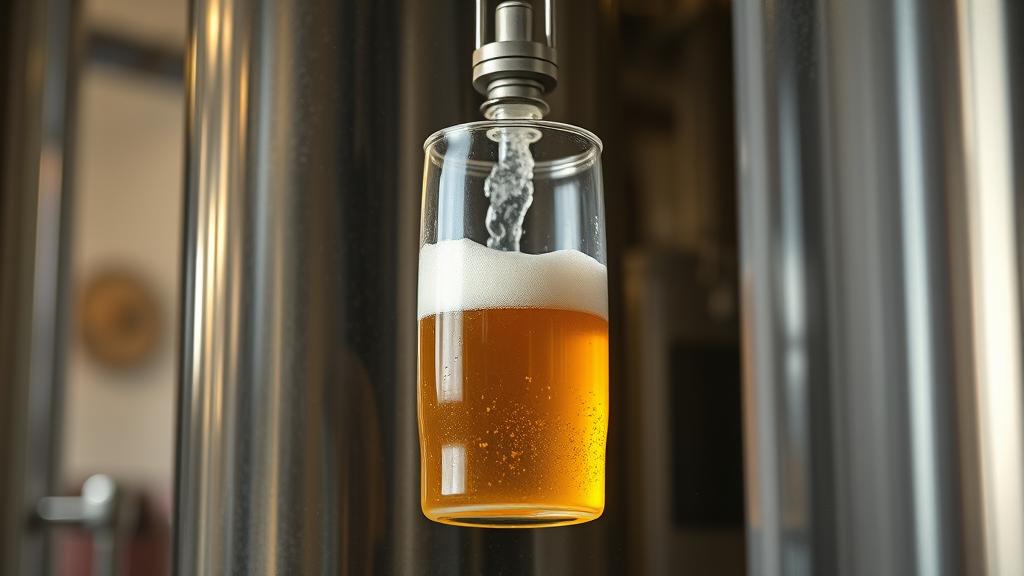
If you’ve done it right, your Czech pilsner should pour a brilliant golden colour with a thick, creamy white head that persists. Aroma is delicate: slightly floral from the Saaz, with hints of bread and noble grape. It should smell like restraint—not like a hop bomb or a fruit salad.
On the palate, you’re looking for a crisp, clean malt backbone with a slightly sweet finish. Subtle nobility from the Saaz, a whisper of herbal spice. Bitterness is present but refined, never harsh. Mouthfeel should be dry but not astringent—think of it as “thirst-quenching precision” rather than “brutally dry.”

My first batch came out slightly yeasty and undershooting the bitterness—classic decoction mistakes. My third batch, though? That’s when it clicked. Golden, crisp, balanced, with a character that made every hour of temperature management feel earned. It’s the kind of beer that doesn’t demand attention; it just quietly makes you happy for hour after hour.
Common Mistakes (Learn From My Disasters)
Skipping decoction: Yes, you can make a decent pilsner with a single infusion mash. But you’ll miss the depth and complexity that decoction creates. If you’re going to brew Czech pilsner, commit to the technique.
Cold conditioning too short: I once bottled after 3 weeks of cold storage. The beer was thin, slightly harsh, not yet rounded. At 8-10 weeks, it transformed. Patience is an ingredient.
Hoppy late additions: Saaz isn’t an aggressive hop. Using it like a citrus bomb completely misses the point. Restraint is the lesson.
Temperature management issues: If your fermentation temperature fluctuates wildly, you’ll get esters, off-flavours, and loss of that clean character. A simple temperature controller and a fridge are worth every penny.
Variations and Next-Level Experiments
Once you’ve nailed a straight Czech pilsner, the variations open up beautifully. Try a Black Pilsner (adding roasted malts for colour while keeping the Bohemian character intact) or a Czech IPA (using Saaz as the primary hop for a refined, less aggressive alternative to American IPAs). Some brewers experiment with a second decoction for even deeper complexity, or adjust the diacetyl rest timing to showcase more of that subtle yeast character.
The fundamentals—cold conditioning, proper yeast strain, noble hops—unlock endless possibilities. This is why understanding traditional brewing foundations matters so much in 2026: once you understand the “why,” you can confidently experiment with the “what if.”
Final Thoughts: Why This Matters in 2026
Bohemian pilsner is trending right now because we’re collectively tired of gimmicks. We want beers that were genuinely thought through, techniques that reveal complexity rather than hide mediocrity, and the satisfaction of executing something that demands real skill. It’s honest beer from honest brewing.
If you try this recipe, I want to hear about it. The community on HomeBrewTalk thrives on shared knowledge—your disasters become everyone’s education. And your successes? Those inspire the next generation to pick up a hydrometer and commit to decoction mashing.
This is the year of refined lagers. Make one. Taste the difference between “nice beer” and “beer I genuinely understood how to make.”
🍺 Join the Brotherhood — Monthly brews, stories & monk wisdom
Subscribe for exclusive recipes, early brew logs, and behind-the-scenes updates straight to your inbox.