Sessionable Summer Ales: Brewing Drinkable, Refreshing Beers for Long Occasions at Home
It’s June. The garden’s awake, the evenings stretch long, and there’s something primal about sitting outside with a cold glass of beer that tastes like summer itself. Not the heavy stuff—not today. Today calls for sessionable beers: ales designed to be drinkable, refreshing, and social. The kind you can pour at 4 p.m. and still enjoy by sunset without regret.
The trend speaks for itself. This year, drinkers across the UK are seeking what Vocation Brewery’s Chris Mitchell calls “lighter, more refreshing beers suited to longer, more social occasions.” It’s deliberate drinking—not restrictive, but intentional. And the best part? You can brew these at home.
In this post, I’ll walk you through building your own sessionable ale, from recipe design to the first glass. We’ll talk about what makes a beer “sessionable,” which styles hit the mark, and how to nail the balance between flavour and drinkability that makes people come back for a second pint—and then a third.
What Makes a Beer Sessionable?
Sessionable doesn’t mean boring. It means approachable. Think of it like a summer novel—easy to get into, rewarding to read, and not so demanding that you’re exhausted by the end. In brewing terms, sessionable beers typically sit at 3.8–5.2% ABV, though some brilliant examples hover closer to 3.5%. Low enough that you can enjoy several without losing the thread of conversation, but high enough that there’s genuine flavour on the palate.
The other markers: clean fermentation, restrained bitterness (usually 20–35 IBUs), and fresh, bright character. Think crisp citrus notes, subtle stone fruit, the snap of noble hops—not aggressive hop bombs or chewy malt bodies. In summer, subtlety wins.
Interestingly, sessionable styles have exploded in the commercial market. Alcohol-free beer is now in the UK’s official inflation basket due to its rapid growth, and lower-alcohol variants now account for a third of cider sales. Homebrewers are right to follow suit.
The Best Sessionable Styles to Brew
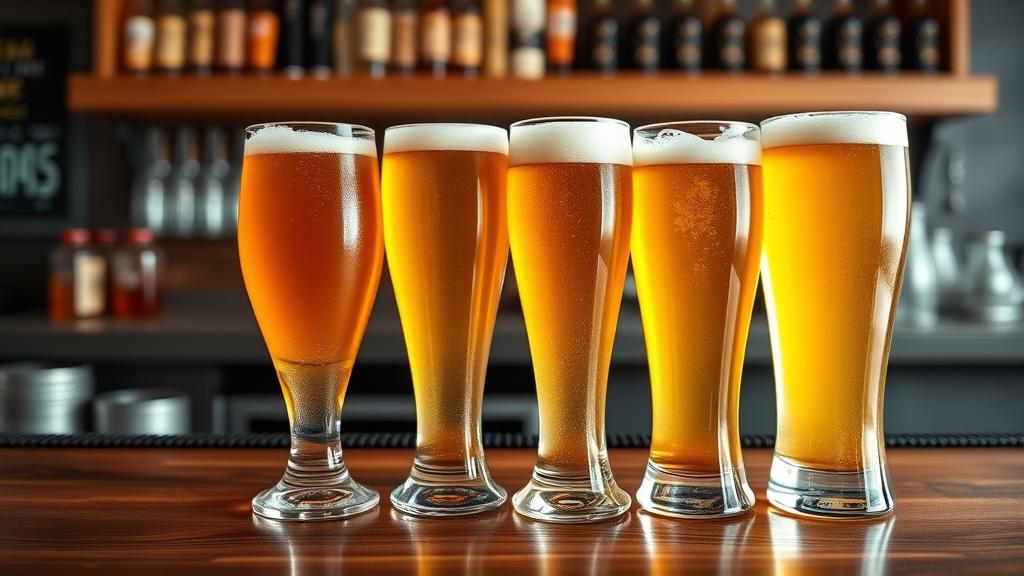
Blonde Ale is perhaps the ur-sessionable beer. It’s forgiving to brew, drinks beautifully, and sits comfortably between a light lager and a traditional pale ale. A classic British blonde uses pale malt as the foundation (typically 80–90%), a touch of crystal for depth, and noble hops like Goldings or Fuggles for gentle bittering. The yeast matters hugely here—a clean ale yeast like WLP013 (London Ale) or Wyeast 1028 (London Ale) will ferment dry and crisp without esters.
If you’re looking for something with more character, English Pale Ale (around 4–5% ABV) bridges the gap beautifully. It’s got real flavour—bready malt, citrus hops, a touch of caramel—but still sits in the drinkable sweet spot. Try varieties like Cascade (American, but surprisingly good in English ales) or The Malt Miller’s own-brand noble hops varieties.
Wheat Beers (Hefeweizen, witbier) are brilliant sessionable summer choices. A traditional German weizen sits around 5% ABV but feels lighter due to the wheat’s silky mouthfeel and subtle spice/banana esters. If you’re using Wyeast 3068 (Weihenstephan) or similar, expect those famous clove and banana notes to shine without overpowering.
And don’t sleep on Sour Ales. A quick kettle sour—accomplished in a single brew day without wild yeast—can deliver genuine complexity at 4% ABV. The tartness cuts through heat beautifully, making sours ideal summer beers. I’ve had tremendous success with HomeBrewTalk’s kettle sour guides, which involve souring the mash with lactobacillus, then normal hopping and fermentation.
Recipe Design: Keeping It Simple
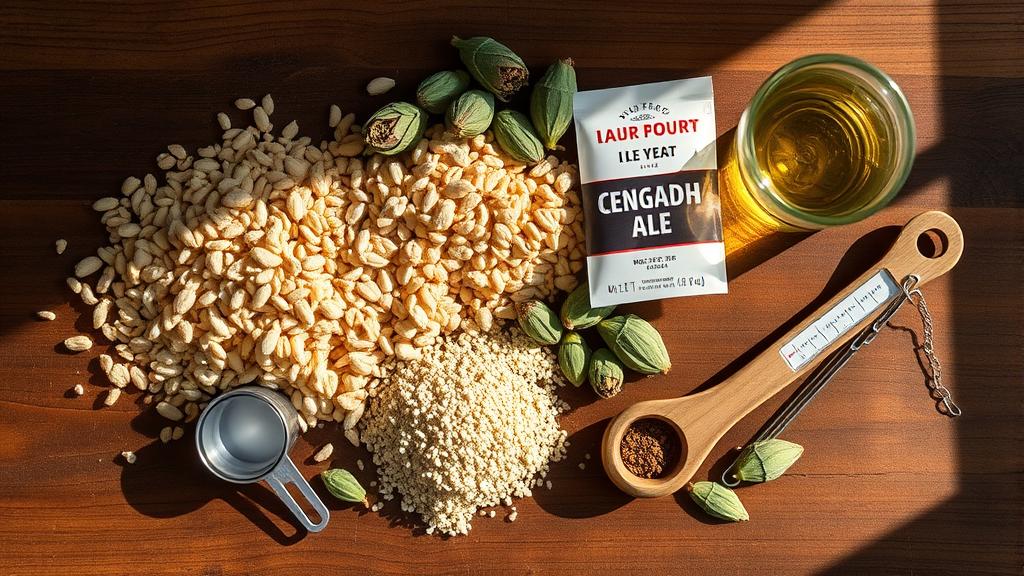
Here’s a core truth about sessionable beers: simplicity is strength. Don’t overthink it. A good sessionable ale typically uses 2–3 base grains, 1–2 hops varieties, and a reliable yeast strain. Complex grain bills muddy the waters. You want clarity and brightness.
A simple blonde ale framework:
- Pale Malt: 3.5 kg (80%)
- Crystal/Caramel Malt (15–20 EBC): 0.5 kg (12%)
- Wheat Malt: 0.25 kg (8%)
- Bittering hops: 15g Goldings @ 60 min (aim for 18–22 IBUs)
- Aroma hops: 10g Fuggles @ 5 min, 10g @ flameout (whirlpool)
- Yeast: WLP013 London Ale, pitched at 18°C (64°F)
This recipe yields roughly 20 litres (5.3 US gallons) at 4.2% ABV. The beauty is reproducibility and restraint. The pale malt carries the brew; the crystal adds a touch of sweetness and body; the wheat smooths everything. Goldings and Fuggles are traditional British choices with gentle, earthy character—no citrus punch, just reliability.
Key insight: fermentation temperature matters more than malt bill complexity. Keep your ale yeast between 18–20°C (64–68°F) for clean, dry results. Too warm and you’ll get fruity esters; too cool and fermentation stalls.
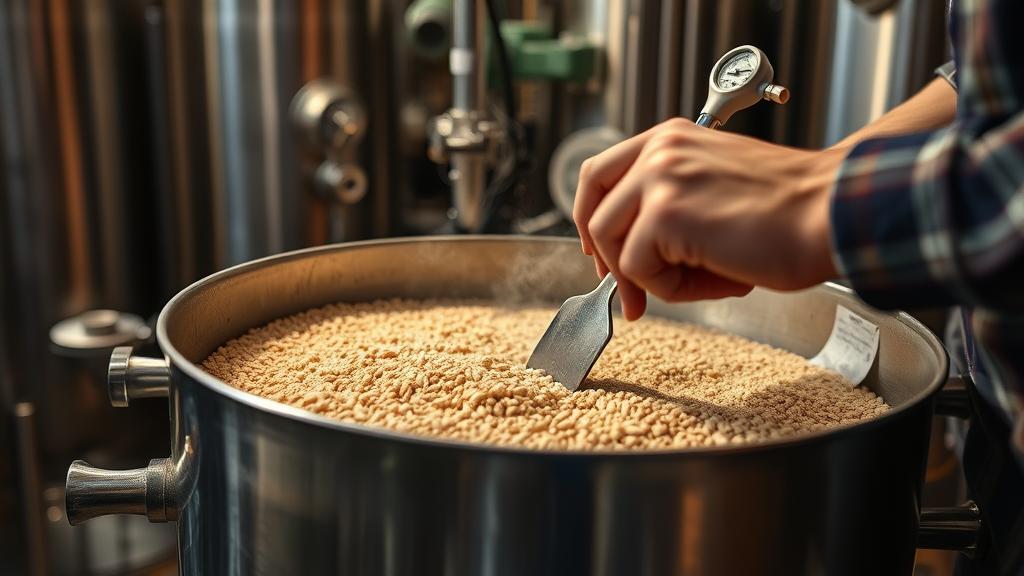
Brew Day & Fermentation
Sessionable ales demand clean fermentation and good temperature control. Here’s the outline:
- Mash: Strike at 67°C (153°F) for a 60-minute rest. This produces a fermentable, dry wort—perfect for a clean, light body. Don’t go higher; you’ll end up with sweetness that cloys on a sessionable beer.
- Sparge & Boil: Collect roughly 24 litres (6.3 US gallons) pre-boil wort. A 90-minute boil (instead of the traditional 60) helps drive off volatile compounds and sharpens bitterness definition. This is where you get that crisp snap.
- Cooling: Chill quickly to 18°C. Rapid cooling prevents oxidation and off-flavours. Use a wort chiller if you have one; it’s worth the investment for sessionable beers, where clarity matters.
- Pitching: Pitch your yeast at 18°C and do not exceed 20°C during fermentation. Use a temperature-controlled fridge or a water bath if necessary. This is non-negotiable for clean ales.
- Fermentation: Expect 7–10 days to completion (FG around 1.005–1.008 depending on yeast). Some brewers prefer a slow, long fermentation (14+ days at lower temps) for even cleaner results. There’s no rush with sessionable beers—patience pays.
For advanced temperature control during fermentation, some brewers explore Kveik yeast strains, which ferment reliably even at warmer temps—though for sessionable ales, traditional cool fermentation remains the gold standard.
Once fermentation finishes, let the beer sit for a cold-crash phase at 2–4°C for 24–48 hours. This drops yeast and proteins out of suspension, leaving you with crystal clarity. Clarity isn’t just visual; it signals a clean, stable beer ready to package.
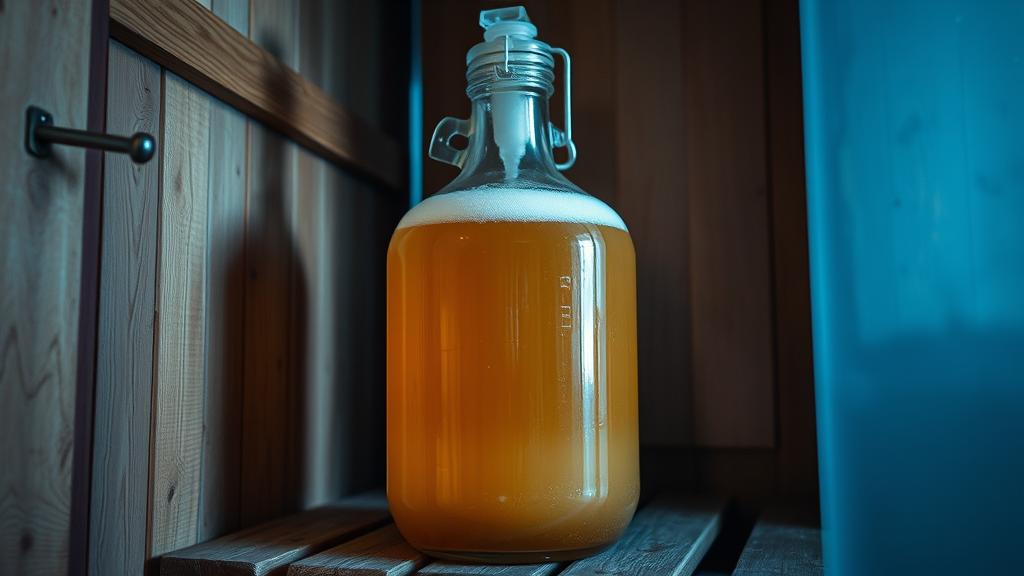
Carbonation & Conditioning
Here’s where sessionable beers shine: they condition fast. Bottle conditioning takes 2–3 weeks at room temperature; cask conditioning, if you go that route, is ready to drink in 4–6 days.
For bottle carbonation, aim for 2.1–2.3 volumes of CO₂. This is lower than a full IPA but higher than a traditional cask ale. You want gentle fizz—enough to lift the beer on the palate and refresh, but not so much that it’s aggressive. Use carbonation calculators (freely available online) to dial in your priming sugar precisely.
A useful comparison: if you’ve ever enjoyed a CAMRA real ale, you know the drinkability of a properly conditioned traditional ale. Sessionable beers should reach that benchmark—refreshing, balanced, with a soft carbonation that lets flavour lead.
Tasting Notes & Honest Thoughts
I’ve brewed three blonde ales in the past year, and they’ve all been drunk. Fast. By friends, colleagues, and—if I’m honest—myself at summer gatherings. The best batch used Goldings exclusively, sat for 6 weeks in the bottle, and tasted like a combination of fresh bread, wild flowers, and gentle citrus zest. It was 4.1% ABV. I finished a pint and wanted another without feeling guilty.
That’s the goal. Drinkability without compromise. A beer that tastes like care and craft, not like you cut corners to lower the ABV.
Sessonable ales also age better than you’d think. A well-made blonde or pale ale at 4.5% ABV can age for 6–12 months in the bottle, improving subtly. The malt integrates, the hops soften, and the whole thing becomes more refined. I’ve opened bottles from last summer and been genuinely surprised by how much better they were.
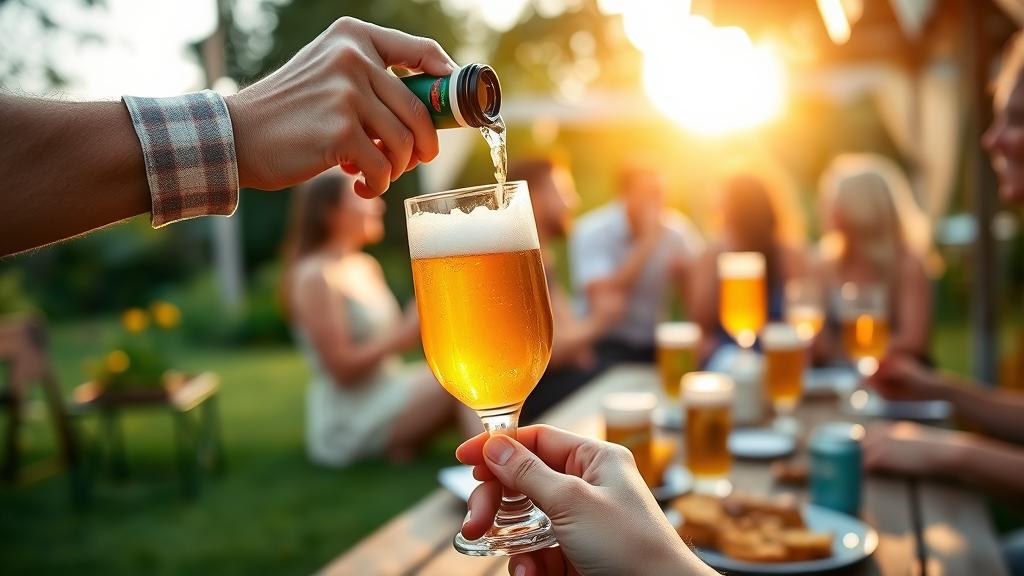
Pro Tips & Common Mistakes
Temperature control is everything. If you’re struggling with fermentation control, a fridge and a temperature controller are your best investment. Even £50 spent on a basic Inkbird controller will elevate your sessionable ales dramatically.
Don’t use old hops. Oxidised hops muddy light beers. If your hops have been open in the cupboard for months, compost them and buy fresh. Sessionable beers need aromatic clarity; old hops kill that instantly.
Oversparging leads to dull beers. Many homebrewers sparge until the last drop of wort runs clear. Resist this. Sparge until you’ve hit your target gravity, then stop. The last runnings are watery and introduce tannins that dull brightness.
Don’t skip the cold crash. It feels like an extra step, but clarity is the signature of a sessionable ale. Cold-crash for 24–48 hours, then bottle carefully from the top of your fermenter (avoid the trub layer at the bottom).
Experiment with minerals. Hard water suits pale ales; soft water suits wheat beers. If you’re in a soft-water area (much of Scotland and Wales), you may need to adjust brewing water chemistry. A simple test kit (or online calculator based on your local water report) helps tremendously. Get Er Brewed’s water treatment kits are brilliant for this.
Variations & Next Steps
Once you’ve nailed a base blonde ale, variations are endless. Try:
- Fruit additions: 500g of fresh strawberries or raspberries in the last 5 minutes of the boil adds subtle fruit without overwhelming the base beer.
- Hopping changes: Swap Goldings for UK Admiral for a touch more edge, or experiment with Fuggle substitutes like Hallertau.
- Different yeasts: Wyeast 1028 (London Ale) produces drier results than WLP013; Wyeast 1099 (Whitbread) brings fruity esters. Each ferments differently at the same temperature.
- ABV tweaks: Reduce the grain bill by 10% to hit 3.8% ABV (truly “session-able” in the strictest sense); or bump to 5.2% if you want more body.
The momentum is clearly behind lower-alcohol, sessionable drinking. If you’re interested in deeper dives into low-ABV techniques, there’s a growing body of homebrewing knowledge on this. And if you haven’t explored wild fermentation or hybrid techniques, sessionable beers are an excellent playground for experimentation without huge risk.
Conclusion: Brewing Summer into a Glass
Sessionable ales are not a trend that’s fading. They reflect a genuine shift in how people want to drink—intentionally, socially, without excess. As a homebrewer, you’re perfectly positioned to meet that moment. You’re not constrained by commercial margins or distribution demands. You can brew exactly what your friends and garden deserve: a cold, crisp, refreshing beer that tastes like care and invites a second pour.
Start simple. A blonde ale, a reliable yeast, and consistent temperature control will deliver results that commercial breweries spend significant money trying to replicate. This summer, your garden can be a brewery. Your friends will notice. And they’ll come back for more.
🍺 Join the Brotherhood — Monthly brews, stories & monk wisdom
Subscribe for exclusive recipes, early brew logs, and behind-the-scenes updates straight to your inbox.