If there’s one beer style that defines crisp simplicity and brewing mastery, it’s the Czech Pilsner. Not to be confused with its German cousin (though they share noble heritage), the Czech version is a masterclass in restraint, balance, and the kind of complexity that whispers rather than shouts. At 1.050–1.060 OG, it’s accessible for beginners, yet challenging enough to humble experienced brewers. I’ve brewed this style more times than I can count, and every batch teaches me something new.
The reason Czech Pilsner has resurged in 2026 is simple: in a world of imperial IPAs and adjunct-laden experimentals, there’s something profoundly honest about a beer that lets grain, water, and hops speak for themselves. It’s the opposite of trending nonsense. It’s timeless. And if you’ve been thinking about trying a true lager for the first time, now’s the moment.
Why Czech Pilsner Matters (Especially Now)
Czech Pilsner emerged in Bohemia in 1842 (yes, actual documented history). When the Pilsen brewery perfected the style, they created a template that changed beer forever. But here’s what matters to home brewers: Czech Pilsner is harder than German Pilsner in some ways, easier in others. The malt bill is slightly different—softer, more biscuity. The fermentation is slightly warmer. The hopping is more delicate.
According to the BJCP style guidelines, a Czech Pilsner sits in that sweet spot between accessible and technically demanding. It rewards patience and precision—exactly what precision fermentation teaches us. And unlike some trendy styles, it actually improves with age. Six months in the bottle? This beer gets better, not oxidised.
Ingredients & Water Chemistry
Malt: For a 20-litre (5.3 US gallon) batch, you’ll need roughly 4.2 kg (9.2 lbs) of Czech Pilsner malt. This is non-negotiable. Substitute it with German Pilsner malt if absolutely necessary, but Czech malt has a slightly softer, more biscuit-forward character that defines the style. Other options: add 200g (7 oz) of Munich I malt for depth, or 100g (3.5 oz) of Carapils for subtle body.
Hops: Saaz is the traditional choice—1.5 teaspoons (about 4g) for 60 minutes, then another 0.75 tsp (2g) at 5 minutes. Saaz is noble, floral, and delicate. Some brewers use a touch of Hallertau Mittelfrüh as a substitute if Saaz is unavailable. Total IBUs should land around 25–35, giving you a balanced bitterness that doesn’t override the malt.
Water: Here’s where many home brewers slip up. Czech Pilsner water is soft—low calcium, low chloride. If your tap water is hard (which much of UK water is), you’ll need to adjust. Use HomeBrewTalk’s water calculator or add a pinch of calcium chloride (no more than 1g per 20L). The goal is water that doesn’t mask the delicate malt character.
Yeast: Traditional Czech lager yeast (like Wyeast 2278 or White Labs WLP802) ferments around 10–12°C (50–54°F). This is cool enough for a clean profile but slightly warmer than German lager yeasts. Some brewers prefer modern strains like Fermentis SafLager W-34/70, which are more forgiving for temperature control.
The Brew Day (Step-by-Step)
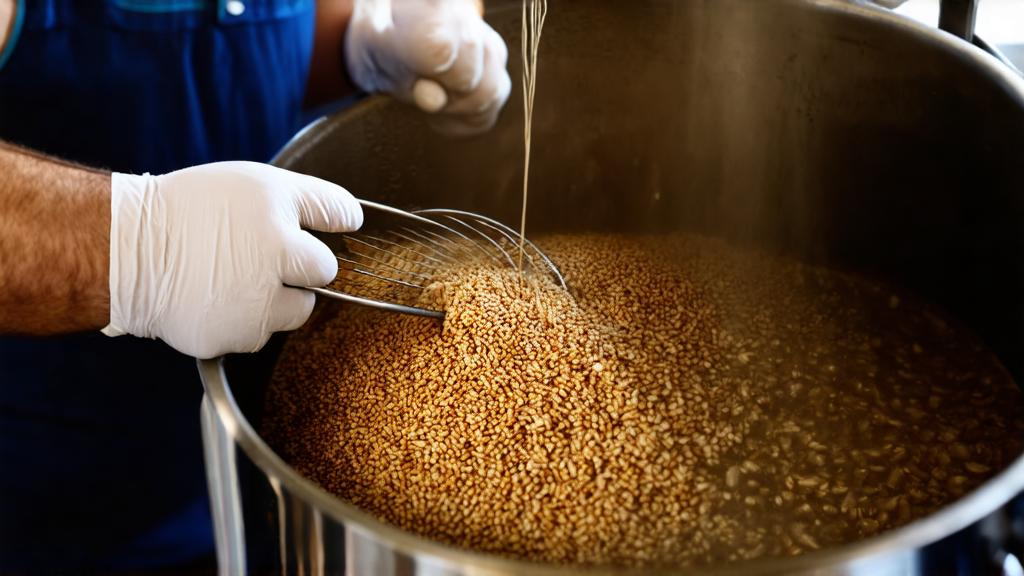
Mash: Heat your water to 68°C (154°F) and step-infuse at 38°C (100°F) for 10 minutes. This rest activates enzymes. Then raise to 54°C (129°F) for 20 minutes, then 62°C (144°F) for 30 minutes, and finally 72°C (162°F) for 10 minutes. The final mash-out should be at 76°C (169°F).
Why all these steps? Czech Pilsner malt is soft and requires gentle, staged conversion. Rushing it produces a thin, astringent beer.
Sparging: Run off carefully at 69°C (156°F). If you’re fly-sparging, keep the spray arm gentle—you don’t want to damage the grain bed. Collect approximately 28 litres (7.4 US gallons) of wort pre-boil.
The Boil: 90 minutes. This is longer than some styles, but low-ABV beers benefit from longer boils for better hop integration. Add Saaz at 60 minutes, then again at 5 minutes. Some brewers add a tiny pinch of gypsum (calcium sulphate) during the boil to enhance hop definition.
Cooling: Cool to 10°C (50°F) as quickly as you can. An immersion chiller or counterflow chiller is ideal. Czech Pilsner is sensitive to oxidation, so minimise splashing during the transfer.
Fermentation & Conditioning
This is where Czech Pilsner becomes a true test of character.
Primary Fermentation: Pitch your yeast at 10°C (50°F). If you’re using a lager yeast, you may want to make a proper 2-litre starter 48 hours beforehand. Hold at 10°C for 10–12 days. You’ll see fermentation slow to a crawl around day 4–5. Don’t panic. That’s normal for lagers. Around day 7–8, you might see a slight uptick as the yeast performs a diacetyl rest (a natural rise in temperature). Let it happen.
D-Rest: If your fermentation temperature is stable, raise it to 12°C (54°F) on day 8 for 24 hours. This encourages the yeast to clean up diacetyl (which tastes like butterscotch and absolutely ruins a Pilsner). Then drop back to 10°C (50°F).
Secondary / Lagering: Transfer to a secondary fermentor (or lager vessel) and hold at 2–4°C (36–39°F) for at least 3 weeks. This is the proper Czech way. The beer will clarify, sharpen, and develop those mineral, crisp notes that define the style. Many brewers lager for 6–8 weeks if they have the patience (and fridge space).
If you’re bottle conditioning, aim for 2 volumes of CO₂. Prime with about 80–100g (2.8–3.5 oz) of dextrose for a 20L batch.
Tasting Notes & My Honest Review
After 8 weeks of cold conditioning and 2 months in the bottle, I opened my last batch of Czech Pilsner last week. Here’s what I got:
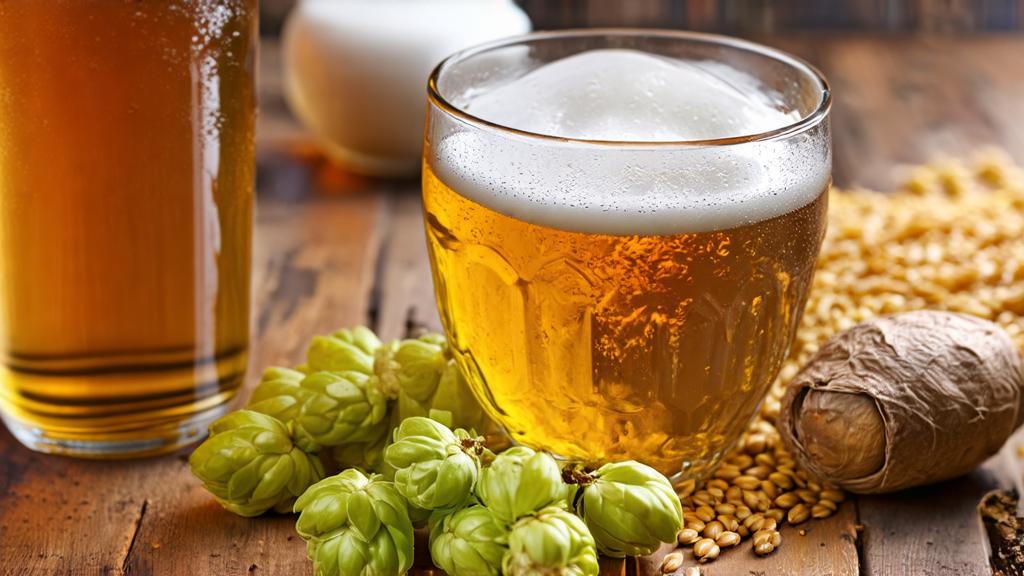
Appearance: Golden, not pale yellow. Crystal clear. The head is tight and persistent—a sign of proper protein rest and careful handling. 8/10 for visual alone.
Aroma: Soft, floral, mineral. A touch of bread crust. No DMS (that cooked-corn smell that ruined my first lager). The Saaz hops are there, but they’re whispering. This is restraint done right.
Flavour: Crisp, slightly biscuity malt. Saaz finishes clean and slightly spicy. No astringency. The bitterness is present but never harsh. The alcohol warms you on the finish without being obvious. ABV is about 5.2%, but it drinks dry and easy. You could drink three of these without feeling bloated. Dangerous.
Mouthfeel: Medium-light body. The carbonation is gentle but present. It feels refreshing, alive.
Overall: This is a proper beer. Not gimmicky. Not trying to be anything other than what it is. That’s what makes it special in 2026.
Pro Tips & Common Mistakes
Mistake 1: Skipping Water Chemistry. I can’t stress this enough. Hard water will make your Czech Pilsner taste harsh and muddy. Test your water or adjust it. Use Brewer’s Friend’s water calculator if you’re unsure.
Mistake 2: Not Pitching Enough Yeast. Use a proper starter. Czech Pilsner yeast needs healthy, abundant cells. Underpitching leads to stressed fermentation, off-flavours, and stalled ferments. Not worth the risk.
Mistake 3: Warm Fermentation. I’ve seen brewers try to ferment Czech Pilsner at 15°C (59°F) to speed things up. Don’t. You’ll get ester character and lose the clean, crisp profile. Czech Pilsner demands patience. The reward is worth it.
Pro Tip 1: Extend Your Boil. Try a 100-minute boil instead of 90. It won’t hurt, and many Czech breweries do it traditionally. It gives the malt more time to polymerise, resulting in a beer that ages beautifully.
Pro Tip 2: Bottle-Age It. Don’t rush to drink your Czech Pilsner at 2 weeks. Bottle-condition it for at least 1 month, ideally 2. The flavour integration is remarkable. I had bottles from April earlier today, and they’re still improving.
Pro Tip 3: Store Cool. Once carbonated, keep your Czech Pilsner cold (4–10°C / 39–50°F). Light exposure and warmth will skunk it faster than any other style. Use brown glass or wrap your bottles.
Variations & Next-Level Experiments
If you want to push Czech Pilsner, here are some honourable paths:
Imperial Czech Pilsner: Scale your recipe to 1.070 OG (about 7–7.5% ABV). Keep the same hopping ratio. The result is deeper, more complex, but still balanced. Premium lagers are having a moment, and this fits perfectly.
Herbal Czech Pilsner: Add a subtle touch of Saaz flowers or perhaps a whisper of traditional Czech herbs (like the heritage herbal brewing techniques we explored before) in the final 5 minutes. Keep it delicate—the point is to enhance, not mask.
Dry-Hopped Variation: For a modern twist, try a small dry-hop (0.5 tsp / 1g) of Saaz at the tail end of conditioning. Some contemporary Czech breweries do this. It adds a touch of freshness without derailing the style.
Conclusion: The Honest Truth About Czech Pilsner
Czech Pilsner isn’t the beer you brew for Instagram glory. It doesn’t have a wild colour or shocking name. It won’t blow anyone’s mind at first sip. But it’s the beer you brew because you’ve learned that mastery is quiet. It’s the beer that sits in your fridge, waiting for a hot August evening, and tastes like liquid sunlight. It’s the beer that reminds you why you started homebrewing in the first place.
This is what Bennett’s Brew is about: honest beer, honestly made. Not trends. Not gimmicks. Real craftsmanship, rooted in tradition, and perfected through patience.
If you’ve never attempted a lager, start here. If you’re an experienced brewer, challenge yourself with Czech Pilsner’s restraint. Either way, you’ll gain something valuable: the understanding that sometimes, simple is best.
🍺 Join the Brotherhood — Monthly brews, stories & monk wisdom
Subscribe for exclusive recipes, early brew logs, and behind-the-scenes updates straight to your inbox.