Why Millet Deserves a Place in Your Homebrew: The Ancient Grain Renaissance
For centuries, millet has fed civilisations across Africa, Asia, and beyond. Prized for its resilience, nutritional density, and subtle sweetness, this ancient grain is now capturing the imagination of craft brewers worldwide. But here’s the thing: millet isn’t trendy for trendiness’ sake. It’s useful. It solves real problems. And it produces genuinely delicious beer.
I first encountered millet in brewing while researching gluten-free alternatives. What began as curiosity about non-barley brewing quickly became an obsession. Millet offers something most craft brewers overlook: clean fermentability, subtle floral notes, and a lightness that works beautifully in modern recipes—especially session ales and gluten-free batches. Whether you’re chasing sustainability, accessibility, or simply exploring new flavours, millet is worth your attention.
Understanding Millet: The Grain Itself
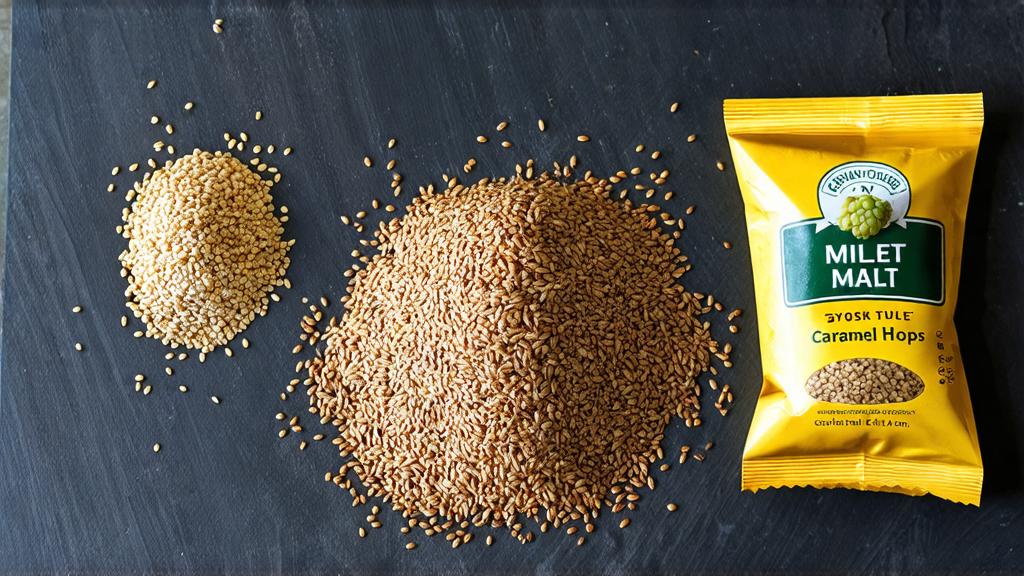
Millet (Panicum species, primarily pearl millet for brewing) is a small, round grain that’s been cultivated for over 5,000 years. Unlike barley, which requires specific climates and heavy inputs, millet is drought-resistant, nitrogen-efficient, and grows in marginal soils. That’s not just ecological poetry—it matters to brewers who care about sustainability.
For brewing, you’ll encounter millet malt in several forms:
- Pale Millet Malt: The base grain. Light, slightly sweet, with gentle cereal notes. Ferments cleanly.
- Caramel/Crystal Millet: Adds body, mild caramel sweetness, and reddish colour.
- Smoked Millet: Rare, but available. Adds subtle smoke and complexity.
- Millet Flakes: Pre-gelatinised for quick-brewing or extract-based batches.
The key difference from barley: millet contains lower levels of husk material and different enzyme profiles. This affects your mashing approach—something we’ll dive into shortly.
Ingredients & Equipment for a Millet Ale
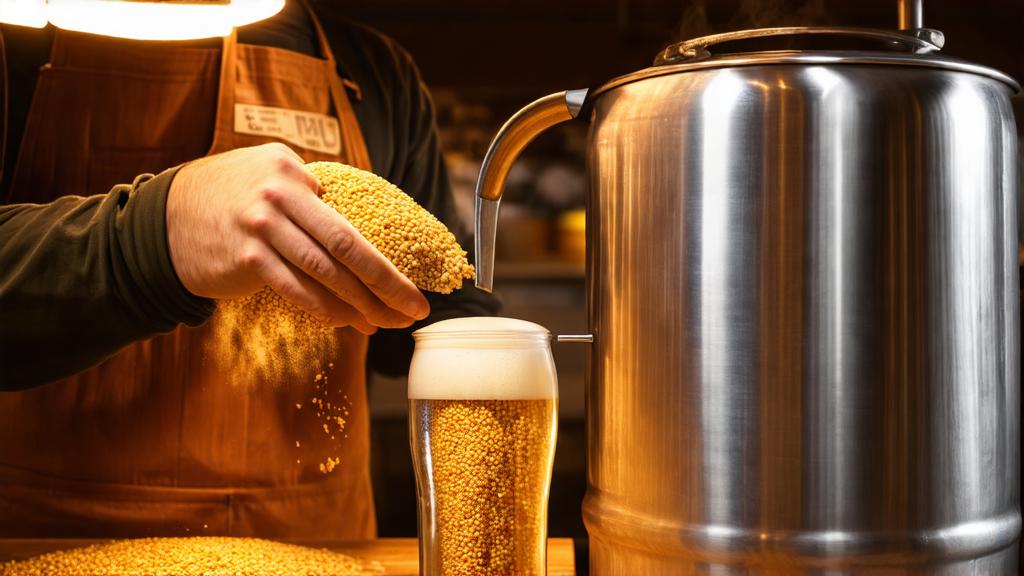
Here’s what you’ll need for a 5-gallon (23-litre) batch of Pale Millet Ale:
Grain & Fermentables
- 3.5 kg (7.7 lb) pale millet malt
- 0.5 kg (1.1 lb) caramel millet malt (20L)
- 0.25 kg (0.55 lb) flaked oats (for body and head retention)
Hops
- 15g Wakatu at 60 min (subtle citrus, herbal notes)
- 10g Hallertau Blanc at 15 min (floral, lime zest)
- 10g Wakatu dry-hop (aroma charge)
Yeast & Additives
- WLP001 California Ale or Nottingham Ale Yeast
- Gypsum (1 tsp for water adjustment)
- Irish moss (at 15-min mark)
Equipment
Standard all-grain setup: 10+ gallon kettle, mash tun, false bottom, thermometer, hydrometer. No special gear needed. If you’ve brewed barley ales, you already have what millet requires—though your mashing schedule will differ slightly.
Step-by-Step Brew Day for Millet
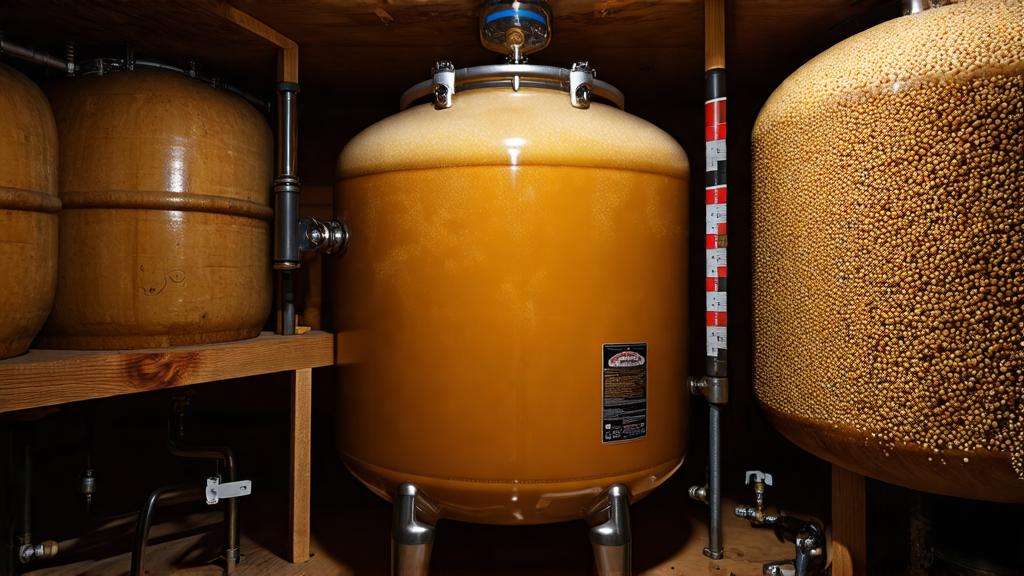
1. Water & Strike Temperature
Millet mashes a bit differently from barley. Aim for a mash temperature of 65–66°C (149–150°F) with a water-to-grain ratio of 2.5:1 by weight. This lower temperature promotes enzymatic activity—millet has slightly different enzyme kinetics than barley. Heat 12 litres (3.2 gallons) of water to 70°C (158°F), add gypsum, and prepare your mash tun.
2. Mashing (90 minutes)
Crush your millet coarsely—finer than you’d mill barley, but not to flour. Add grains to the strike water, stir gently, and hold at 65–66°C (149–150°F) for 90 minutes. Millet’s husk is delicate; aggressive stirring can cause tannin extraction. Stir gently every 20 minutes.
Unlike barley-heavy brews, millet won’t require a separate protein rest or multi-step mashing. A single infusion is enough.
3. Lautering (30–40 minutes)
Run off slowly—millet grain beds are looser than barley. Expect a slower sparge; be patient. Collect until you’ve got approximately 27 litres (7.1 gallons) of wort at roughly 1.048 OG.
4. Boil (60 minutes)
- 0:00 – Add Wakatu hops (15g), Irish moss, and gypsum. Begin 60-minute countdown.
- 0:45 – Add Hallertau Blanc (10g).
- 0:00 – Chill to 20°C (68°F) using an immersion or plate chiller. Pitch yeast.
5. Fermentation (10–14 days)
Millet ferments clean and fast. Expect vigorous activity within 12 hours. Keep temperature around 19°C (66°F) for ale yeast. After 10 days, gravity should hit FG 1.010–1.011. Rack to secondary, dry-hop with Wakatu (10g), and condition for another 7 days before bottling or kegging.
Flavour Profile & Tasting Notes

So what does millet beer actually taste like? Here’s my honest appraisal from my first batch:
Appearance: Crystal clear, golden, with a soft white head. More refined than many wheat ales. Millet’s low husk content means excellent clarity even in pale styles.
Aroma: Subtle. Floral hints from the Wakatu, a whisper of cereal sweetness, maybe a touch of honey. Nothing aggressive—millet plays nice with other ingredients instead of dominating.
Flavour: Clean malt sweetness with gentle lemon-zest notes from the hops. The millet itself brings a slight nuttiness, almost like a hint of almond or hazelnut without being “nutty” in the traditional sense. It’s light, refreshing, and surprisingly complex for something so subtle.
Mouthfeel: Dry finish with medium body. The flaked oats add smoothness without heaviness. Session-friendly—I drank three pints before realising the ABV was 5.2%.
Compare this to a barley pale ale: millet versions are lighter, cleaner, less doughy. There’s less of that bread-crust character and more of an airy, refined quality. For gluten-free brewers, it’s a revelation—no gritty texture, no astringency.
Why Now? The Millet Moment in 2026
Millet’s timing in craft brewing is perfect. Brewers are exhausted by the arms race of extreme IPAs and dessert stouts. There’s a quiet rebellion towards sessionable, food-friendly styles. Simultaneously, climate anxiety is pushing ingredient innovation—millet’s drought resilience matters more every year.
Sustainability-focused breweries are already experimenting with millet. The American Homebrewers Association has dedicated resources to heritage grain brewing. UK breweries are quietly adding millet ales to tap lists. It’s not a fad; it’s a shift in what brewers value.
Pro Tips & Common Pitfalls
✓ Do This
- Keep mash temperature stable. Fluctuations hurt millet’s delicate enzyme activity. Use a well-insulated cooler or HERMS system.
- Sparge slowly. Millet husk is fragile. Aggressive sparging can introduce tannins.
- Pitch healthy yeast. Millet ferments eagerly but benefits from good yeast health. Make a starter if using older yeast.
- Extend fermentation time slightly. 14–16 days vs. 10–12 for barley gives cleaner results.
- Experiment with dry-hopping profiles. Millet’s delicate character pairs beautifully with floral and citrus hops.
✗ Avoid This
- Don’t substitute millet 1:1 for barley without adjusting. You’ll need slightly higher mashing temperatures and patience with enzymatic conversion.
- Don’t use aggressive hop rates. Millet’s subtle profile gets buried by 60+ IBU bittering charges. Keep it under 40 IBU.
- Don’t underestimate clarity. Millet’s low tannin risk can make you lazy with cold-crashing or fining. Don’t skip those steps.
- Don’t skip water chemistry. Unlike barley, millet performs well in soft water but benefits from slight mineral additions (gypsum, etc.).
Variations & Next Steps
Millet’s versatility means endless experimentation:
- Millet + Sorghum Blend (Gluten-Free Ale): Combine 2.5 kg pale millet with 1 kg sorghum syrup. Results in a crisp, clean beer for gluten-sensitive friends.
- Smoked Millet Ale: Use 0.5 kg smoked millet for subtle smoke without dominating. Pairs beautifully with oak or a touch of vanilla.
- Millet Saison: Use 70% pale millet, 30% wheat malt, Belgian yeast, and spicy hops (Hallertau Blanc, Saaz). The phenolic notes from Belgian yeast sing with millet’s delicate grain.
- Low-ABV Millet Session: Mash at 66–67°C for a drier finish. Target 3.8–4.2% ABV. Perfect for lunch-time brewing.
One thing I’m keen to explore next: millet in wild or mixed fermentation styles. The grain’s subtle character might showcase Brettanomyces and lactic acid bacteria in ways barley doesn’t. I’ll report back on that experiment soon.
Why This Matters
Millet brewing isn’t niche. It’s a door opening into a bigger question: what does beer become when we step outside the barley-hops-yeast-water rectangle? For me, the answer has been surprising, rewarding, and genuinely delicious. For brewers chasing sustainability, gluten-free certainty, or just cleaner, more elegant beer, millet deserves serious consideration.
The monks of old would recognize millet immediately—it’s a grain that requires patience, respect, and attention. There’s something deeply satisfying about honouring that lineage whilst making something modern and personal.
If you’re curious, I urge you to try. Find millet malt from Geterbrewed or The Malt Miller, spend an afternoon with the grain, and taste the result two weeks later. That moment—when something new and unexpected lands on your tongue—is why we brew.
🍺 Join the Brotherhood — Monthly brews, stories & monk wisdom
Subscribe for exclusive recipes, early brew logs, and behind-the-scenes updates straight to your inbox.