Why Gruit Ale is the Emerging Brewing Trend of 2026
For the past 300 years, hops have dominated the brewing world. They’re the default bittering agent, the flavour anchor, the brewer’s best friend. But here’s what most modern brewers forget: hops didn’t always exist in beer.
Before the 15th century, brewers across Europe used something far older, far more mysterious, and far more personal — gruit. A carefully guarded blend of herbs, botanicals, and spices, gruit (pronounced “groo-it”) was the original seasoning agent for ale. Every brewer guarded their recipe fiercely. Some breweries built entire fortunes on their secret gruit formulations. It was intimate, local, unreplicable.
In 2026, as homebrewers search for authenticity beyond the industrial hop monoculture, gruit is making a genuine comeback. It’s not just nostalgia — it’s a practical, creative, deeply rewarding way to explore pre-modern brewing traditions whilst creating beers that taste genuinely unique. No other brewer will have your exact gruit blend. That’s the whole point.
What is Gruit? The Ancient Art of Herbal Brewing
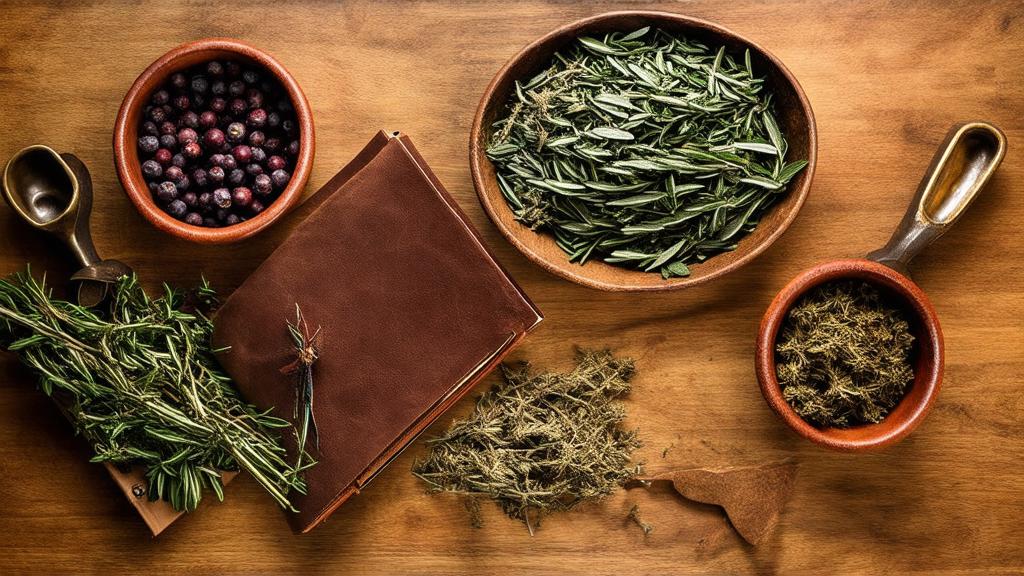
Gruit (also spelled “grut”) refers to a mixture of herbs used to flavour and preserve ale before the widespread adoption of hops. The exact composition varied wildly by region, brewer, and season. Medieval brewers weren’t working from written recipes — they were working from intuition, local availability, and carefully guarded family secrets.
The most common gruit ingredients include:
- Juniper berries: Sharp, piney, slightly bitter. Provides preservative qualities and warming spice.
- Rosemary: Herbaceous, slightly minty, with a piney backbone. Strong antimicrobial properties.
- Mugwort (Artemisia vulgaris): Herbal, slightly bitter, with a faintly sweet finish. Historically prized for its medicinal properties.
- Bog myrtle (Myrica gale): Aromatic, slightly bitter, with complex herbal notes. Traditional in Nordic brewing.
- Yarrow: Floral, slightly spicy, with gentle bitterness. Ancient brewers believed it improved clarity and shelf life.
- Wormwood (Artemisia absinthium): Intensely bitter, complex, warming. Used sparingly — a little goes a very long way.
- Heather: Subtle honey notes, floral complexity, gentle bitterness.
The beauty of gruit is that herbal infusions allow you to customise your ale’s character completely, blending medieval tradition with your own creative vision. You’re not buying a standardised hop variety from a supplier — you’re making choices about which plants grow locally, which herbs speak to you, which flavours you want to explore.
The Basic Gruit Brewing Process
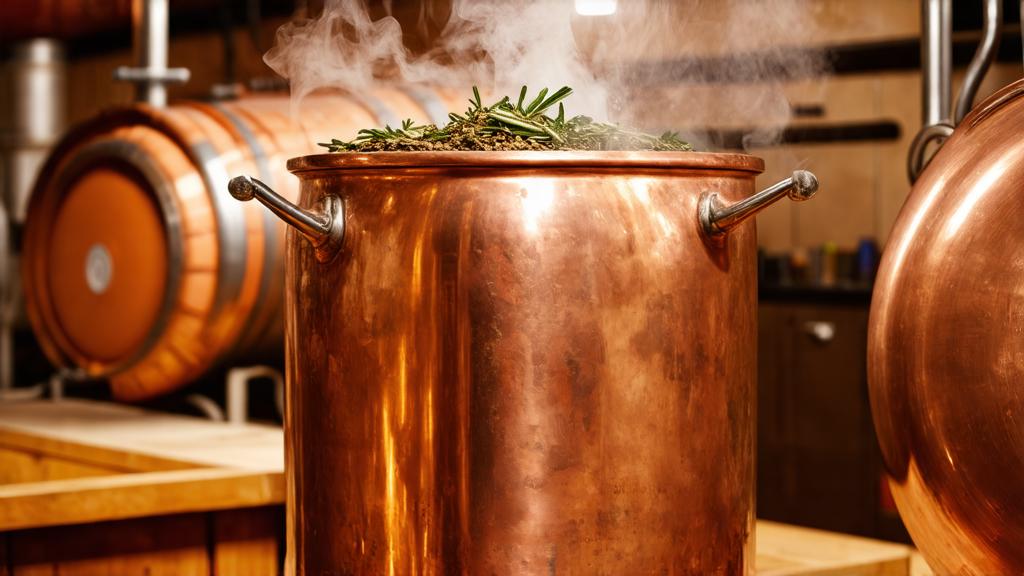
Brewing with gruit follows the same fundamental process as any ale, with one crucial difference: you’re substituting (or supplementing) your hops with herbal additions.
The Classic Gruit Ale Build (5 gallons / 19 litres):
- Mash your grains: Start with a simple base — pale malt (around 85–90% of your grist) with a small portion of crystal or Munich malt for body and depth. You want a clean, neutral foundation so the herbs shine.
- Create your gruit blend: Combine your chosen herbs. A typical starting ratio: 0.5 oz (14g) juniper berries, 0.3 oz (8g) rosemary, 0.2 oz (6g) mugwort, 0.2 oz (6g) bog myrtle. Adjust to taste as you gain experience. Less is more — herbs are potent.
- Steep your gruit: Once your kettle reaches around 65–68°C (150–155°F), add your gruit blend. Let it infuse for 15–20 minutes. The exact timing depends on your herbs’ age and potency. Fresh herbs steep faster; dried herbs release flavour more slowly.
- Boil gently: Bring to a rolling boil. Unlike hops, which are added at different intervals for bitterness and aroma, gruit traditionally goes in once, at the start of the boil. This gives a full, integrated herbal character rather than sharp bitterness. Boil for 60 minutes (or your standard brewing schedule).
- Cool and pitch: Cool to pitch temperature (18–20°C / 64–68°F for ale yeast) and pitch a neutral ale yeast — English ale, American ale, or even a saison yeast all work beautifully with gruit.
- Ferment and condition: Ferment at cool ale temperatures (16–18°C / 60–64°F) for cleaner, more complex herbal expression. Condition in the bottle or cask for at least 2–3 weeks before drinking.
The key principle: gruit is about subtlety and integration. You’re not trying to obliterate the beer with herb character — you’re trying to create a seamless, warming, herbally complex ale that tastes like no other beer you’ve ever had.
Fermentation, Conditioning, and the Herbal Character
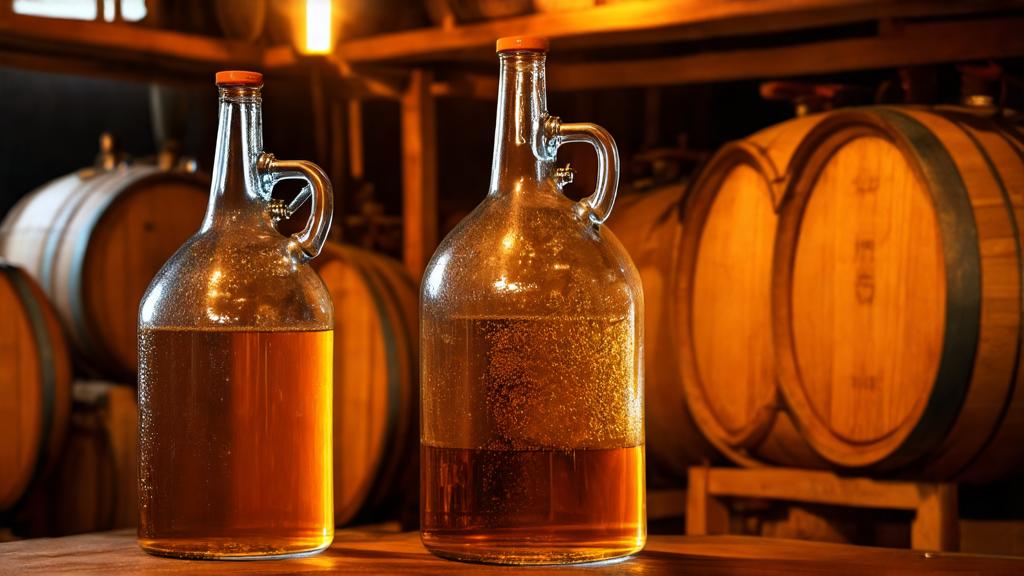
Here’s where gruit gets interesting. Unlike a heavily hopped IPA — where the character is immediate and bold — gruit ales develop complexity over time. The herbal oils integrate with the yeast esters, the malt sweetness finds balance, and the beer becomes something genuinely nuanced.
Fermentation temperature matters enormously: A warmer fermentation (20–22°C / 68–72°F) will produce fruity esters that can muddy the herbal clarity. A cooler, slower fermentation (16–18°C / 60–64°F) allows the herbs and malt to express themselves without yeast-driven fruitiness getting in the way.
Conditioning is where the magic happens. Don’t rush this. A gruit ale that tastes rough at 2 weeks will often taste balanced and integrated at 4–6 weeks. The herbal compounds mellow, the bitterns from wormwood or mugwort become pleasant rather than harsh, and the overall character becomes silkier.
Consider bottle conditioning rather than forced carbonation. There’s something fitting about bottle conditioning a beer that’s rooted in centuries of tradition. The natural carbonation will be gentle and long-lasting — perfect for a contemplative, herbal ale meant for slow sipping, not quick refreshment.
Tasting a Gruit Ale: What You’re Experiencing
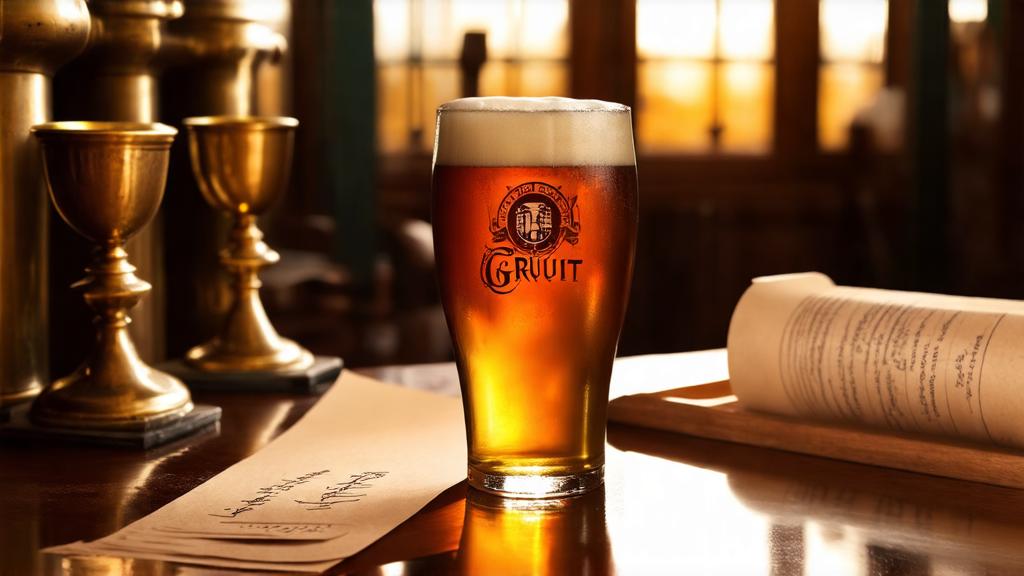
Your first gruit ale might surprise you. If you’re accustomed to the sharp citrus of cascade hops or the tropical punch of Citra, a properly made gruit will feel quieter, more introspective, almost medieval in its restraint.
In the glass, a good gruit ale will show:
- Aroma: Herbal (rosemary, thyme-like notes), slightly spicy (juniper’s pine), warm and inviting. You should smell warmth — not sharp bitterness or aggressive spice.
- Flavour: Smooth, malty, with a herbal thread running through. Juniper provides gentle pepper. Rosemary adds kitchen-garden warmth. Mugwort lends a faint herbal bitterness — not sharp like hops, but integrated, almost savoury.
- Body and finish: A well-made gruit finishes dry but warming, like sitting by a medieval hearth with a cup of carefully spiced mead. No astringency. No metallic edges. Just comfort.
I recently brewed a gruit using juniper, rosemary, and a whisper of bog myrtle, and the result reminded me why monks spent centuries perfecting these recipes. The beer tasted like history — like careful intention, local knowledge, and genuine craft. No factory-scale hop farm produced that character. I made it, with my own hands, from plants I selected.
Pro Tips, Common Mistakes, and Variations
Mistake 1: Too much gruit, too early. Gruit is potent. Start conservative — 0.8–1.0 oz (23–28g) total herbs per 5-gallon (19-litre) batch is a solid beginning. You can always increase next time; you can’t unbrew the beer if you’ve overdone the wormwood.
Mistake 2: Using old, stale herbs. Check forums like The Homebrew Forum for sourcing recommendations. Fresh herbs — or properly dried and stored herbs — are essential. A dried herb that’s been sitting in a cupboard for two years will taste musty, not aromatic.
Mistake 3: Confusing “gruit character” with “medicinal character”. If your ale tastes like you’re drinking a poultice, you’ve overdone something. Gruit should feel warm and herbal, not like cough syrup. Dial back intensity; lean into subtlety.
Pro Tip 1: Layer your herbs differently. Instead of adding all gruit at once, try adding 80% at the beginning of the boil and 20% at flameout. The early addition provides integrated bitterness; the late addition preserves fresher herbal aroma.
Pro Tip 2: Experiment with foraging local botanicals — safely. If you have access to wild juniper, mugwort, or yarrow (and you’re absolutely certain of your identification), incorporating locally foraged ingredients connects you to genuine terroir. Just be cautious: some herbs are toxic. Research thoroughly.
Variation 1: The Fresh Herb Gruit. Replace dried herbs with fresh. Use roughly triple the weight (fresh herbs lose water weight when dried). The result is brighter, greener, more garden-like.
Variation 2: The Spiced Gruit. Add warming spices alongside your herbs — a touch of cinnamon, clove, or cardamom. Think Nordic gløgg meets ale. Keep spices minimal (0.05–0.1 oz / 1.5–3g per 5 gallons) to avoid muddying the herbal core.
Internal Resources & Your Gruit Journey
If you’re serious about exploring gruit, you might also find value in our guides on wild fermentation and natural yeasts — gruit ales benefit from spontaneous fermentation more than modern beers. We’ve also covered farmhouse brewing techniques, which pair beautifully with gruit traditions. And if you want to push further into hybrid fermentation methods, gruit provides a fascinating canvas for experimentation.
The core principle across all these traditions is the same: beer doesn’t have to be modern, industrial, or scaled. It can be local, personal, alive with history and intention.
Conclusion: The Warmth of Tradition
Gruit brewing isn’t a throwback to worse times. It’s an acknowledgment that brewing has always been about human connection to plants, seasons, and craft. In a world of standardised hops and industrialised brewing, gruit offers something radical: the chance to brew something genuinely yours.
Your gruit won’t taste like anyone else’s. It won’t hit the same notes as a modern IPA or a session lager. And that’s precisely the point. In a time when most beer is manufactured to specification, gruit represents the opposite — the deeply personal alchemy of choosing plants, trust the process, and letting time do the rest.
Start small. Brew a simple pale ale with a modest gruit blend. Taste it at 2 weeks, 4 weeks, 8 weeks — watch how it evolves. You’ll discover something ancient and very much alive.
🍺 Join the Brotherhood — Monthly brews, stories & monk wisdom
Subscribe for exclusive recipes, early brew logs, and behind-the-scenes updates straight to your inbox.