Why Buckwheat Ale Matters in 2026
If you’ve been following the homebrewing scene in 2026, you’ll have noticed a quiet revolution happening in the world of gluten-free beers. It’s not just about accessibility anymore—it’s about authenticity. Buckwheat, a naturally gluten-free pseudocereal, is becoming the grain of choice for brewers who want to create something genuinely different from traditional barley-based ales. I first experimented with buckwheat during a particularly ambitious brew day last spring, and what I discovered has fundamentally changed how I think about grain bills.
Unlike many gluten-free alternatives that require expensive enzymes or arcane techniques, buckwheat offers something rare: genuine flavour. When properly malted and handled, it contributes a subtle, earthy undertone with hints of nuttiness—qualities that elevate a beer from “gluten-free substitute” to “genuinely excellent beer.” The beauty of sustainable homebrewing lies in finding ingredients that aren’t just different, but better. Buckwheat delivers that promise.
Understanding Buckwheat and Gluten-Free Grains
Buckwheat isn’t technically a grain—it’s a pseudocereal belonging to the same family as rhubarb and sorrel. This distinction matters more than you might think. True grains like barley, wheat, and rye all belong to the grass family (Poaceae), and every single one contains gluten. Buckwheat, by contrast, is inherently gluten-free, which makes it an absolute game-changer for brewers with coeliac disease or gluten sensitivity who refuse to compromise on beer quality.
For those of us without gluten issues, buckwheat opens different doors. It’s gaining popularity as part of the broader global ingredients revolution happening in craft beer right now. Major breweries like Green’s Brewery (UK-based) and Shrouded Summit have demonstrated that when malted properly, buckwheat produces beers that compete favourably with conventional craft ales. The grain contains natural enzymes that aid fermentation, and its protein profile is remarkably balanced for a starch source.
When you combine buckwheat with complementary gluten-free adjuncts—millet, sorghum, and rice malt—you create grain bills that aren’t compromises. They’re upgrades. Monks, particularly those brewing in Trappist traditions, understood this principle well: work with what the earth gives you, not against it. Modern homebrewers are rediscovering that wisdom.
Sourcing and Preparing Buckwheat for Brewing
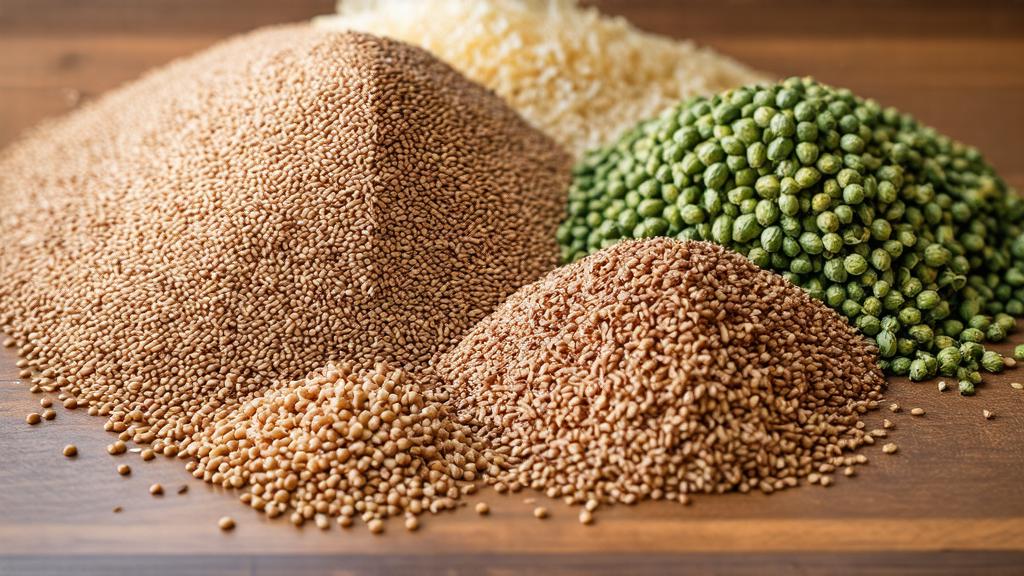
Here’s where many homebrewers stumble: you can’t just buy buckwheat flour from Tesco and throw it in your mash. Commercial buckwheat flour is too fine and will create a stuck mash that would make even a patient brewer weep. You need properly malted buckwheat grain, ideally sourced from specialist brewing suppliers.
In the UK, suppliers like The Malt Miller, GetErbrewed, and BrewUK now stock malted buckwheat alongside their conventional grain selections. A typical 5-gallon (19-litre) batch will require 2–3 kilograms of malted buckwheat as your base malt, supplemented with 500g–750g of malted millet or sorghum for body and head retention.
Cost-wise, expect to pay slightly more than pale ale malt—roughly £1.50–2.00 per kilogram compared to £0.80–1.20 for barley malt. It’s a premium ingredient, but one sip of the finished beer justifies the expense.
Storage is critical. Keep your malted buckwheat in a cool, dry place (ideally below 15°C / 59°F) away from light. Unlike barley malt, which can tolerate mild humidity, buckwheat is more sensitive to moisture and will absorb it quickly, compromising enzyme activity.
The Mash and Step-Mashing Technique
This is where buckwheat reveals both its strengths and quirks. Buckwheat malt contains powerful amylase enzymes—the proteins responsible for converting starches into fermentable sugars. This is brilliant because it means your mash efficiency will be excellent. I’ve consistently achieved 78–82% efficiency with buckwheat, which rivals or exceeds traditional pale ale malt.
However, buckwheat’s protein structure is different from barley. I recommend a step-mash approach rather than a single-infusion rest. Here’s my proven technique:
- Rest 1 (Protein Rest): 45–50°C (113–122°F) for 20 minutes. This breaks down proteins and prevents haze in the final beer.
- Rest 2 (Starch Conversion): 62–65°C (144–149°F) for 60 minutes. Your buckwheat enzymes do their work here.
- Final Rest (Mashout): 76°C (169°F) for 5 minutes before lautering.
Use a mash-to-water ratio of 1:2.5 (1 kg grain to 2.5 litres water). Buckwheat grain tends to be slightly less dense than barley, so this ratio prevents a thick, difficult-to-sparge mash. Stir gently every 15 minutes to maintain consistent temperature.

Fermentation and Conditioning
After lautering, you’ll have a pale golden wort with a distinctly clean, slightly sweet aroma. This is exactly what you want. Buckwheat produces worts with excellent head retention potential and minimal astringency—assuming you’ve followed the mash protocol.
My preferred yeast strain for buckwheat ales is Safale US-05 (an American ale yeast) or Wyeast 1056 (Californian Ale). Both strains accentuate the grain’s subtle nuttiness without overwhelming it. I pitch at 1.5 million cells per millilitre of wort and ferment at 19–20°C (66–68°F) for 14–16 days.
Buckwheat ales typically finish clean and dry. You’re aiming for an apparent attenuation of 75–80%, which produces a beer with body but without cloying sweetness. The protein content provides a silky mouthfeel that you simply don’t get from rice-based gluten-free ales.
After primary fermentation (when gravity stabilises and the airlock slows to one bubble every 2–3 minutes), perform a diacetyl rest: raise temperature to 21°C (70°F) for 3 days. This allows yeast to clean up unwanted buttery compounds. Then drop temperature to 4–8°C (39–46°F) for 48 hours before bottling or kegging.
Cold conditioning improves clarity dramatically. Buckwheat ales benefit from 2–3 weeks at fridge temperature, which allows any remaining haze-forming proteins to settle out. Patience, as the monks would say, is a virtue.
Tasting Notes and Real-World Brewing Wisdom
I’ve now brewed buckwheat ale seven times (at last count), and each batch has taught me something new. My first attempt was too aggressive with bittering hops—a mistake I won’t repeat. Buckwheat’s delicate flavour profile demands restraint. I now target 35–40 IBUs for a pale ale, relying on a 60-minute bittering charge with East Kent Golding hops, then dry-hopping with Cascade or Fuggles for earthy complexity.
The finished beer? Brilliant pale gold, crystal clear, with a tight white head. On the nose: subtle grain forward with hints of dried grass and a whisper of almond. On the palate: clean, dry, with surprising body for such a light-coloured ale. The buckwheat delivers earthiness without funk, and the complement of hybrid fermentation techniques if desired produces even more nuanced results.
If you’re gluten-sensitive, the relief is palpable. I’ve shared my buckwheat ales with several friends who have coeliac disease, and the unanimous feedback was: “This tastes like real beer, not a compromise.”

Common Mistakes and How to Avoid Them
Mistake 1: Over-mashing. Many brewers, unfamiliar with buckwheat’s enzyme power, mash for 90 minutes thinking “more time = more sugar.” It doesn’t. You’ll end up with a thin, overly dry beer lacking body. Sixty minutes is optimal.
Mistake 2: Neglecting the protein rest. Skip this step and you’ll get haze—sometimes permanent haze that even cold conditioning won’t fully eliminate. Twenty minutes at 45°C isn’t wasted time; it’s insurance.
Mistake 3: Excessive dry-hopping. Buckwheat’s subtlety is its strength. Blast it with 50g of late-addition hops and you’ve drowned the grain. Be conservative. 15–20g in the whirlpool, 10–15g for dry-hopping.
Mistake 4: Using old grain. Buckwheat malt loses its enzymatic power more quickly than barley. Use grain from reputable suppliers, and if you’re storing it for more than 3–4 months, refrigerate it. I ruined a batch once by using “bargain” buckwheat malt I’d purchased 6 months prior. Never again.
Variations and Experimental Directions
Once you’ve mastered the base recipe, buckwheat becomes a canvas for creativity. Here are three variations I’m currently perfecting:
Buckwheat Wit with Coriander and Orange: Swap 20% of the buckwheat for wheat malt (non-gluten-free, but delicious), add 10g coriander seed and zest of two oranges at flameout. Ferment cool with Belgianale yeast. The result is spiced, bright, and genuinely different.
Buckwheat Porter with Roasted Grains: Use buckwheat as your base (60%), add 20% roasted barley, 10% chocolate malt, 10% dark crystal malt. Ferment with English ale yeast. The buckwheat’s earthiness marries beautifully with roasted complexity, creating a gluten-free porter that stands up to any conventional example.
Buckwheat Saison with Farmhouse Character: Buckwheat + Pilsner malt (1:1 ratio), fermented with Wyeast 3711 (French Saison). The buckwheat provides earthy grounding whilst the saison yeast adds peppery, fruity complexity. Phenomenal result.
Why This Trend Matters Beyond Gluten Sensitivity
The rise of buckwheat brewing in 2026 represents something deeper than just inclusivity (though that matters enormously). It’s a return to first principles. Brewers across the UK—from professional operations to dedicated homebrewers—are realizing that constraints spark creativity. The challenge of brewing excellent beer without conventional barley forces innovation. The result? Genuinely better beers, period.
For homebrewers, buckwheat is an accessible entry point into alternative grains. If you’ve been intimidated by gluten-free brewing or exotic ingredients, buckwheat is forgiving, rewarding, and genuinely delicious. You don’t need special enzymes, arcane temperature control, or advanced chemistry knowledge. Just respect the grain, follow the protocol, and let time do its work.
Start with a single batch. Follow the step-mash religiously. Keep notes obsessively. By your second or third brew, you’ll have intuition that no guide can teach. That’s the real pleasure of homebrewing: becoming a master of your own craft through patient, curious experimentation.
🍺 Join the Brotherhood — Monthly brews, stories & monk wisdom
Subscribe for exclusive recipes, early brew logs, and behind-the-scenes updates straight to your inbox.