Session Hazy Mastery: Brewing the 2026 Trend That’s Taking Over
Why Session Hazy Is The Breakout Trend of 2026
I’ve been paying close attention to what’s trending in craft beer circles, and there’s a fascinating shift happening right now. Everyone wants the tropical, juice-forward explosion of a hazy IPA — that thick, creamy mouthfeel, the intense citrus and stone fruit notes, the visual drama of a golden, cloudy pour. But here’s the catch: most traditional hazies land at 6.5–7.5% ABV, which means after two or three glasses, you’re either done for the day or you’re making decisions you’ll regret.
Enter the Session Hazy. This isn’t a new concept, but it’s become the breakout trend of 2026 because breweries and homebrewers have finally cracked the code. We’re talking 4.5–5.5% ABV — low enough to enjoy multiple pints guilt-free — but with all the sensory fireworks: hazy cloud, tropical fruit juice, juicy malt sweetness, and the kind of aroma that makes you want to stick your face in the glass.
It’s the evolution of the “moderation-focused drinker” trend. Maximum fun, minimum damage. And I’ve been experimenting with this style hard, trying to understand what separates a mediocre Session Hazy from one that genuinely delivers.
Ingredients & Equipment: Building the Foundation
The secret to a killer Session Hazy isn’t magic—it’s precision. You need a malt bill that delivers body and sweetness at lower gravity, hops that scream tropical and fruity (not bitter), and the right yeast to ferment clean and fast.
The Malt Bill (for a 5-gallon / 19-litre batch):
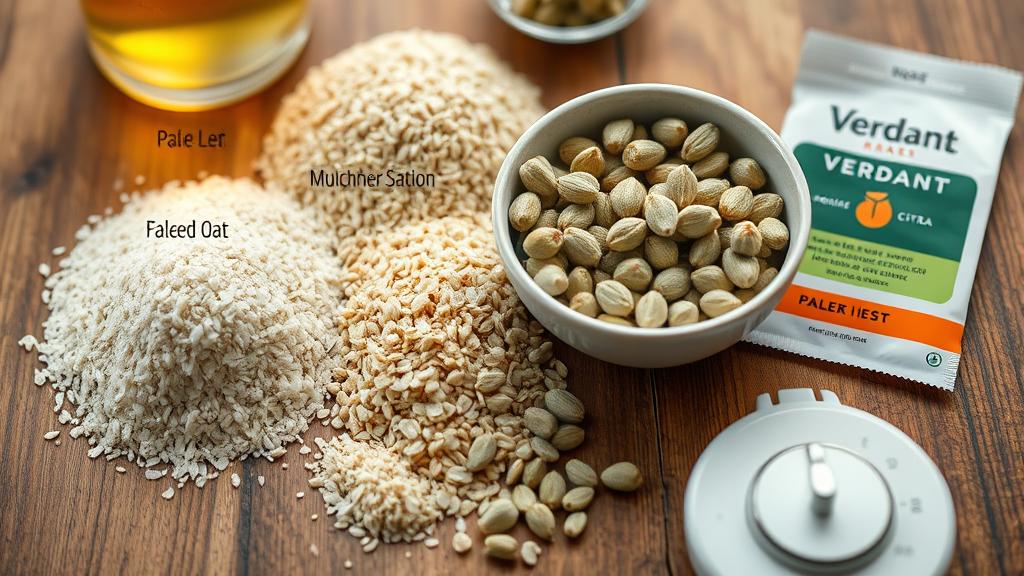
- 2.5 kg Pale Ale Malt — your base, gives clean, slightly sweet backbone
- 0.5 kg Munich Malt (10L) — adds body and soft malt sweetness without being heavy
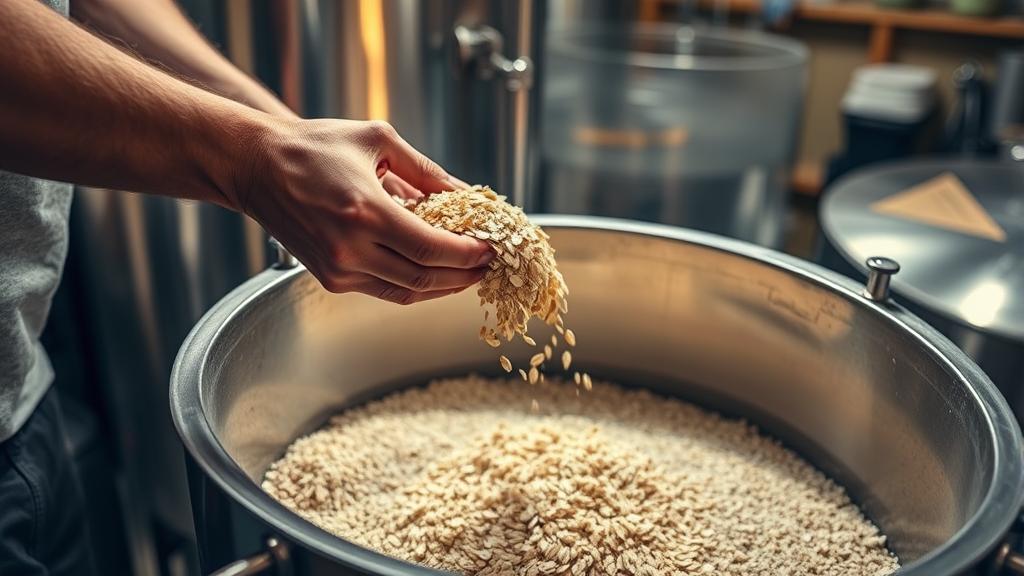
- 0.3 kg Flaked Oats — creates the signature hazy appearance and silky mouthfeel
- 0.2 kg Flaked Wheat — enhances head retention and haziness
- 0.1 kg Crystal 40L — subtle caramel notes, fermentable sweetness
Total grain bill: approximately 3.6 kg. This targets a starting gravity around 1.048–1.052 (depending on your efficiency), which ferments down to 1.008–1.010, landing you right in that 4.8–5.4% ABV zone.
Hops (the star player):
This is where Session Hazies succeed or fail. You want modern, fruity hop varieties with low alpha acids (minimal bitterness):
- 20g Mosaic (60 min) — 11% AA, adds subtle berry and herbal bite
- 30g Citra (dry hop, day 1–3) — classic tropical citrus, love it or list it
- 30g Azacca (dry hop, day 1–3) — mango, pineapple, stone fruit heaven
- 25g Denali (dry hop, day 5–7) — blueberry, lime, bright finish
The key: skip the bittering charge. That 20g Mosaic at 60 min is barely 15–18 IBU — just enough to balance the malt sweetness, but not enough to kill the juice. The magic happens in the dry hop, where you’re layering in aromatic intensity without any bitterness.
Yeast:
I use SafAle US-05 for Session Hazies. It’s clean, ferments fast (even at lower temps), and doesn’t add fruity esters that would compete with the hops. Pitch at 18–20°C (64–68°F) and let it rise naturally to 20–22°C (68–72°F). Done in 5–6 days.
Step-by-Step Brew Day
Mash (66°C / 150°F, 60 minutes): This is standard stuff. Single infusion, strike water at 75°C, aim for your target of 66°C in the mash tun. Stir well at 15, 30, and 45 minutes. The oats will make the mash thick — that’s normal.
Sparge: Fly sparge or batch sparge, your call. Aim for 27–28 litres (7–7.5 gallons) of wort into the kettle. Bittering hops go in at 60 minutes remaining — don’t wait for a rolling boil if you’re anxious. A gentle boil is fine.
Boil (60 minutes):
- T = 60 min: Add Mosaic (20g). This is your anchor, not your shout.
- T = 15 min: Whirlpool immersion chiller setup, but don’t add it yet.
- T = 0 min: Kill the heat. Whirlpool for 10 minutes with immersion chiller running, chill to 20°C.
Why minimal boil time? Long boils drive off volatile hop aromatics. Shorter boils preserve them. You’re not chasing bitterness; you’re chasing juice.
Pitch: Cool to 18°C, pitch at high cell density (I use a 2-litre starter from slant culture). Aerate well — oxygen is your friend here.
Fermentation & Dry Hopping: Where The Magic Happens
This is the secret sauce I’ve learned through trial and error.
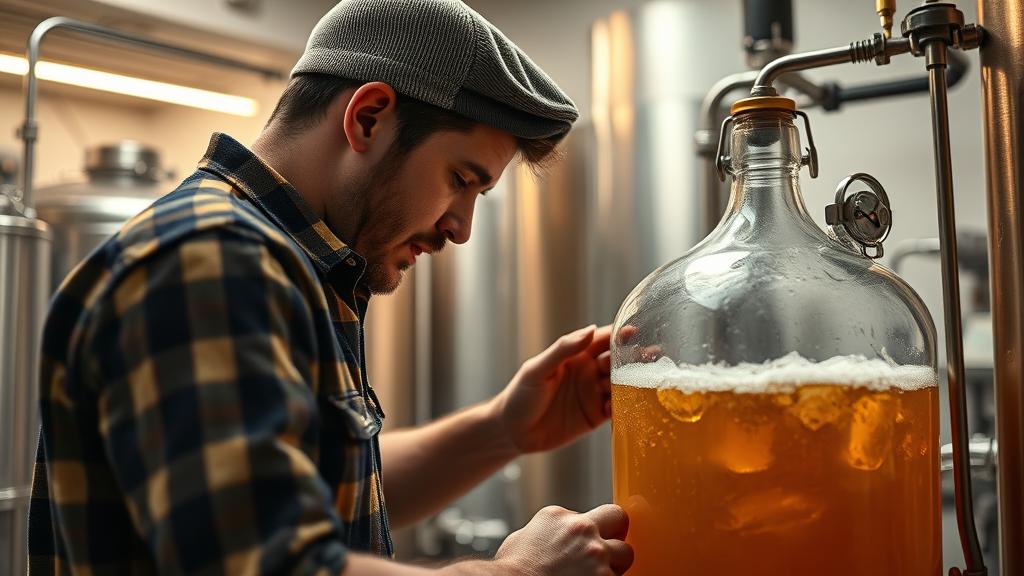
Days 1–3 (Vigorous Fermentation): Let it rip. Fermentation will hit peak activity around 24–36 hours. The yeast is working hard, consuming sugars and creating alcohol. Temperature should float 20–22°C naturally (I don’t fight it).
Day 3 (First Dry Hop): This is critical. Do not wait until fermentation is completely finished. Add your first dry hop charge (30g Citra + 30g Azacca) when gravity is around 1.015–1.018. This is called “biotransformation” — living yeast metabolises certain hop compounds and transforms them into more expressive, fruity notes. You get MORE tropical juice this way than if you dry hopped at terminal gravity.
Days 5–7 (Flavour Protection): Add your second dry hop charge (25g Denali) at day 5 or 6. By now, gravity is around 1.010–1.012. This second charge adds fresh aroma without excessive extraction (which would kill the juiciness).
Day 10–14 (Cold Crash & Clarification): Once gravity reaches 1.008–1.009 (confirmed stable over 2 days), cold crash to 4°C (39°F) for 3–4 days. This forces yeast and hops to settle, clarifying the beer. A Session Hazy should be hazy, but not murky. Bright golden, with a soft haze.
Biotransformation dry hopping is the difference between a good Session Hazy and one that tastes like you’re drinking hop juice with alcohol in it. The science is real, and the results are wild.
Packaging & Carbonation
Bottle or keg? I prefer kegging for Session Hazies because dry-hopped beers oxidise faster, and a keg minimises oxygen contact. Force carbonate to 2.4–2.6 volumes CO₂ (typical for American ales). If bottling, use a counterpressure bottler to avoid oxidation, or bottle on day 10 and chill immediately.
Shelf life: Drink within 6–8 weeks. The tropical hop character fades fast. Fresh is best.
Tasting Notes & Honest Review
I brewed my first Session Hazy in March 2026, and I underestimated how good it could be. Here’s my honest tasting note:
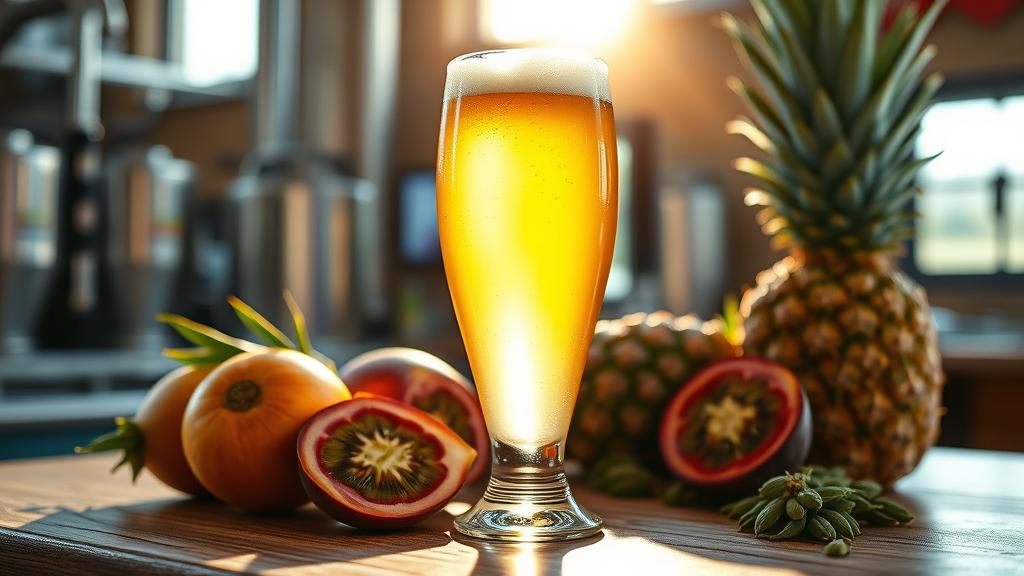
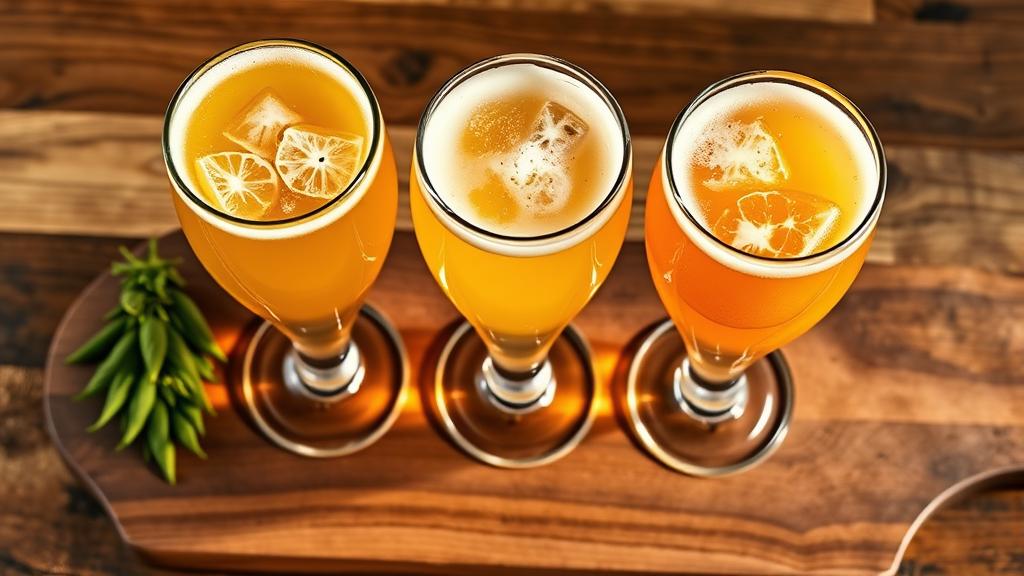
Appearance: Bright golden to orange-gold, visibly hazy but not opaque. Half-inch of white, creamy head that holds for minutes.
Aroma: Tropical fruit punch — mango, passion fruit, fresh pineapple, with a touch of lime zest. No grassy or herbal notes (the Mosaic is subtle). You want to breathe this in.
Flavour: Clean pale malt sweetness up front, then a wave of tropical juice. Citra brings bright citrus, Azacca adds stone fruit, Denali lifts it with blueberry and lime. The flaked oats create a silky, slightly creamy texture. Bitterness? Barely there — maybe 15–18 IBU, but it’s totally hidden by the fruit. Finishes medium-dry, not cloying.
Mouthfeel: Medium body, smooth and full from the oats and wheat, slightly thick. Carbonation is clean and even. Alcohol is completely masked — you’d swear it’s 4.2%, not 5.1%.
The Verdict: This is a beer I can drink two or three of on a Friday evening without regretting it at 10 PM. It’s dangerously easy to drink. The kind of Session Hazy that makes you understand why this trend is exploding in 2026.
Pro Tips & Common Mistakes
Mistake #1: Over-bittering. Brewers who default to 30–40 IBU on a low-gravity beer kill the Session Hazy entirely. Your bittering charge should be under 20 IBU. Let the malt provide balance.
Mistake #2: Dry hopping too late. If you wait until gravity is 1.005 or lower, you’re missing the biotransformation window. Start your dry hop at 1.015–1.018. Science works when you work with yeast, not around it.
Mistake #3: Choosing the wrong hops. American IPA staples like Cascade or Centennial can work, but they skew herbal and spicy. For a true Session Hazy, you want: Citra, Azacca, Mosaic, Denali, Denali, Galaxy, Ella, or Vic Secret. Modern, fruity, juice-forward.
Mistake #4: Oxidation during packaging. Your cold crash/settle time is short. Package fast, minimise headspace, and keep it cold. Oxidation destroys tropical hop character in days.
Pro Tip #1: Adjust water chemistry. A soft water profile (low sulfate/chloride) enhances fruit character. Avoid aggressive water adjustments.
Pro Tip #2: Play with recipe scaling. Once you nail the fundamentals, scale the dry hop ratios by gravity. A 1.055 Session Hazy might want 40g + 40g dry hop, while a 1.048 wants 30g + 25g. Adjust to taste.
Pro Tip #3: Keep detailed notes. Every batch will vary based on water, yeast pitch rate, fermentation temperature, and hop harvest year. Document everything. Over time, you’ll develop intuition for what your brewing system does best.
Resources
Variations & Further Reading
If you want to dig deeper into the science and community, check out these authoritative sources:
- BJCP Style Guidelines — The gold standard for beer style definitions and scoring.
- HomeBrewTalk Forum — Active community of 200k+ homebrewers sharing recipes and troubleshooting.
- The Malt Miller — UK-based ingredient supplier with excellent hop and malt selection for hazy IPAs.
- CAMRA — Campaign for Real Ale, valuable for understanding British brewing traditions and low-ABV trends.
Variations & Experiments
Session Sour Hazy: Add 5–10g of a souring culture (Lactobacillus) at the dry hop stage. Let it sit for 7–10 days. You get tropical fruit + subtle tartness, sub-5% ABV. Phenomenal in summer.
Session Hazy with adjuncts: Try 100–150g of lactose (non-fermentable sugar) to push sweetness without more alcohol. Or add fruit — mango puree, passion fruit, guava — during the second dry hop. The yeast can handle small adjunct additions at this ABV.
Low-IBU West Coast Session: Replace the fruity dry hops with Cascade + Centennial, lower the Mosaic to 15g, and embrace the crisp, piney character. Still Session, but herbal instead of juice-forward.
Conclusion: The Future of Sessionable Beer
Session Hazy is trending in 2026 because it solves a real problem: people want adventure and flavour without the consequence. Modern brewing science (biotransformation, precision water chemistry, fruity hop varieties) finally lets us deliver that promise at sub-5.5% ABV without compromise.
If you’re a homebrewer and you haven’t brewed one yet, I’d put this at the top of your list. It’s a style that rewards precision but forgives small mistakes. You’ll learn more about fermentation, dry hopping timing, and hop character in one Session Hazy than in three traditional IPAs.
And if you’re into low-ABV, flavour-forward beer in general, this style is your goldmine. Brew it, refine it, find your signature expression. I’m already planning batch #3.
🍺 Join the Brotherhood — Monthly brews, stories & monk wisdom
Subscribe for exclusive recipes, early brew logs, and behind-the-scenes updates straight to your inbox.