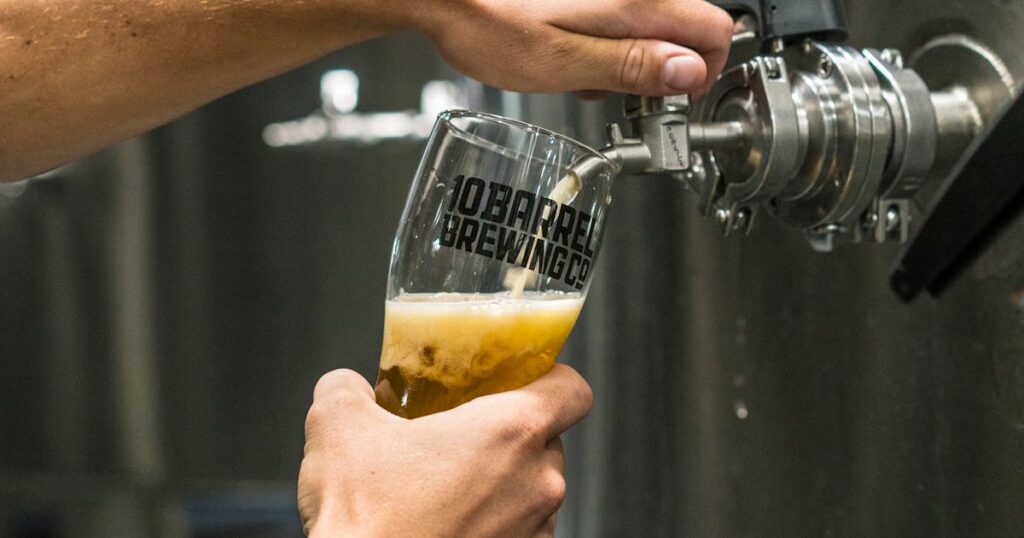
Why Kölsch Deserves Your Next Brew Day
I’ve spent the better part of a decade chasing trends in homebrewing — from wild fermentations and hybrid techniques to pressure vessels to experimental hops. But every so often, a beer sneaks up on you. Not because it’s new (Kölsch has been brewed in Cologne since the 11th century), but because it punches above its weight in complexity and character while tasting deceptively simple.
May 2026 has seen Kölsch surge in popularity across homebrewing forums and recipe databases. It’s the beer that demands respect for fermentation control, rewards patience with cold conditioning, and teaches you that simplicity — when executed perfectly — beats gimmick every single time. This is monk wisdom dressed in a crisp, golden glass.
What makes Kölsch special? It’s a hybrid beer: a top-fermented ale yeast fermented warm like traditional ales, then conditioned cold like a lager. That duality — ale character meets lager refinement — is why commercial examples cost £4.50 a pint in UK pubs, and why homebrewers are finally paying attention. If you’ve explored traditional lager brewing, you’ll appreciate how Kölsch walks the line between ale and lager traditions.
The Soul of Kölsch: Ingredients and Equipment
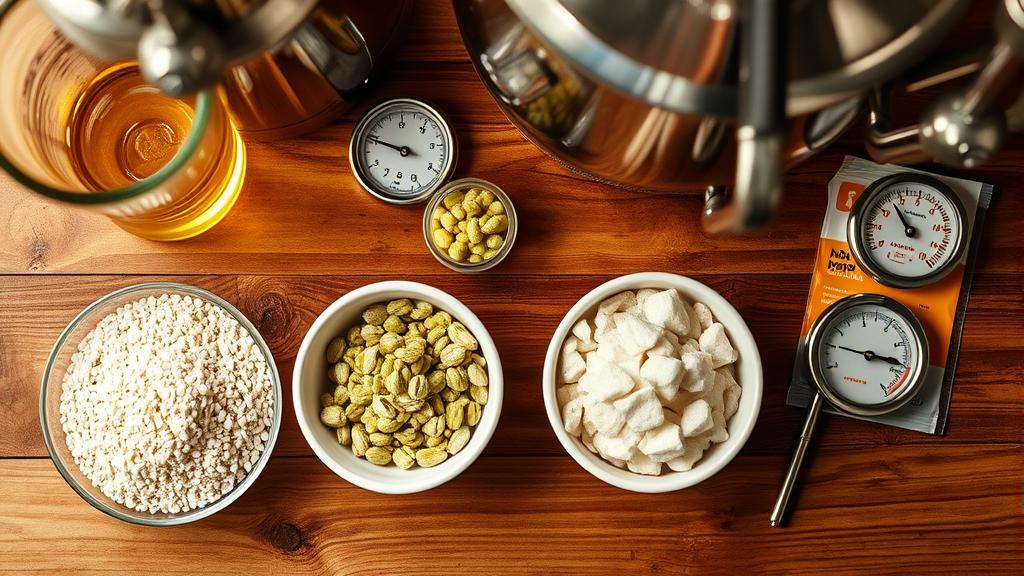
Kölsch is a study in simplicity. Unlike IPAs drowning in seven hop varieties or imperial stouts juggling a dozen malts, a proper Kölsch uses:
- Pale Pilsner Malt (85–90%) — German Pilsner if you can source it. The Malt Miller and Geterbrewed both stock quality pilsner that won’t muddy your flavour profile.
- Vienna Malt (5–10%) — Optional but recommended. Adds a whisper of biscuit depth without colouring the beer.
- Noble Hops — Hallertau, Spalt, or Tettnang. 18–24 IBUs total. These are NOT bombastic hops; they’re elegant and restrained. The BJCP style guide specifies exactly these noble hops.
- Kölsch Yeast — This is non-negotiable. White Labs WLP029 or Wyeast 2565. Temperature control hinges on using a true Kölsch strain that ferments clean and neutral.
- Water — Soft water preferred. If you’re in a hard water area (much of Southern England), consider diluting 25–30% with RO water.
Equipment-wise, you don’t need much. A standard 20-litre (5-gallon) fermenter, a temperature-control setup (crucial — more on this later), and patience are your allies.
Mash, Sparge, and Boil: The Brew Day
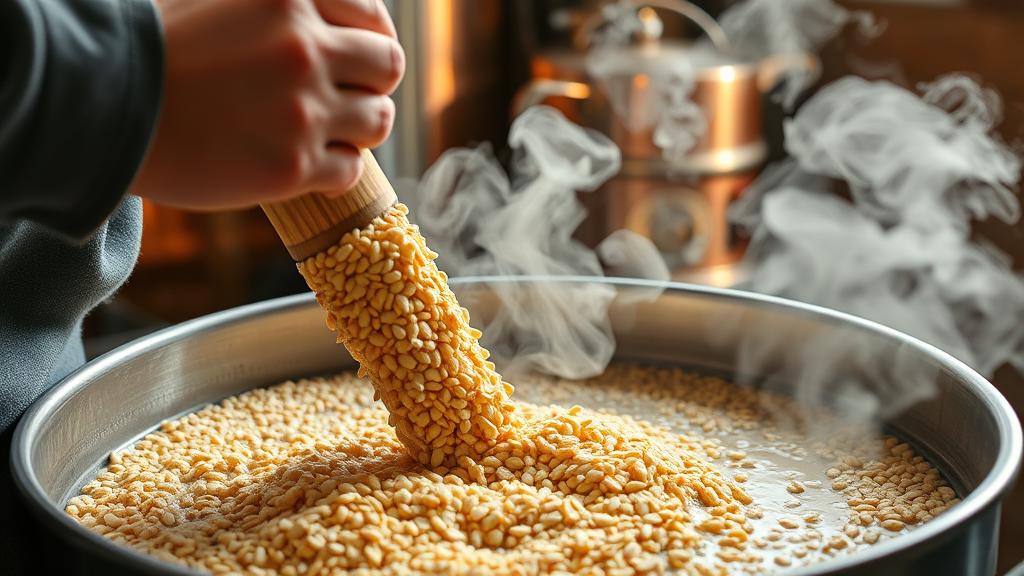
Brew day is straightforward. Mash in at 65–67°C (149–153°F) for 60 minutes. Kölsch’s pale malts don’t need complex mashing schedules; a single infusion rest hits the mark. If you’re new to precision fermentation techniques, Kölsch brewing will teach you quickly — this beer abhors temperature swings.
Sparge with water at 67–70°C (152–158°F) to avoid extracting harsh tannins. Collect your wort and aim for a starting gravity (OG) of 1.045–1.050 (11–12.5° Plato). If you’re using a refractometer, you’ll want around 11–12 Brix.
Boil for 60 minutes:
- At 60 min remaining — Add your bittering hops (Hallertau or Spalt). Aim for 18–24 IBUs for the full boil.
- At 10 min remaining — Optional: a tiny late addition (0.5 oz / 14g) of noble hops for aroma. Some brewers skip this entirely and trust the yeast’s character to shine.
- At flame-out — Chill aggressively. You want to hit pitching temperature (around 18–20°C / 64–68°F) within 30 minutes. Ice baths, plate chillers, or wort chillers all work.
Aeration is key. Shake your fermenter or use an aquarium stone for 2–3 minutes post-chill. Kölsch yeast is vigorous but appreciates oxygen at pitch.
Fermentation: Where Temperature Wins or Loses the Beer
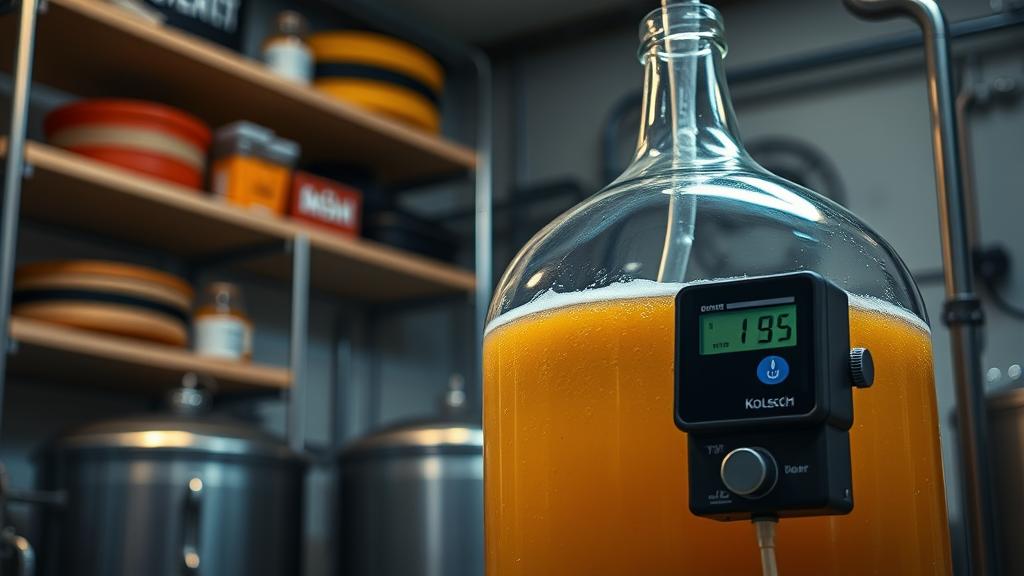
This is where Kölsch separates weekend warriors from serious brewers. A top-fermented ale at lager temperatures — you need precision.
Days 1–3: Warm Fermentation — Pitch your yeast into wort at 18–20°C (64–68°F) and hold steady. Kölsch yeast will take 18–24 hours to show visible activity. Resist the urge to warm it up. Let the yeast establish itself at cool temperatures; this builds a clean, neutral flavour profile.
Days 4–7: Peak Fermentation — Krausen (the foam head) rises and falls. Your yeast is working hard, consuming sugars and producing alcohol. Maintain 18–20°C throughout. Any spike above 22°C (72°F) risks introducing esters (fruity, off-flavours). Any drop below 16°C (61°F) stalls fermentation.
Days 8–10: Diacetyl Rest (Optional but Recommended) — Raise the temperature by 2–3°C for 24–48 hours. This allows the yeast to reabsorb diacetyl (which tastes like butterscotch if left unconverted), then drop back to cold conditioning. Some brewers skip this; I don’t.
Days 11+: Cold Conditioning — Once fermentation is complete (gravity stable over 3 days), drop the temperature to 2–4°C (35–39°F) and let it sit for 3–4 weeks. This is the “lager” phase. Esters drop out, yeast flocculates (settles), and the beer clarifies beautifully.
Total timeline: 5–6 weeks from pitch to package. Patience, as the monks knew, is a virtue.
Tasting Notes and My Honest Verdict
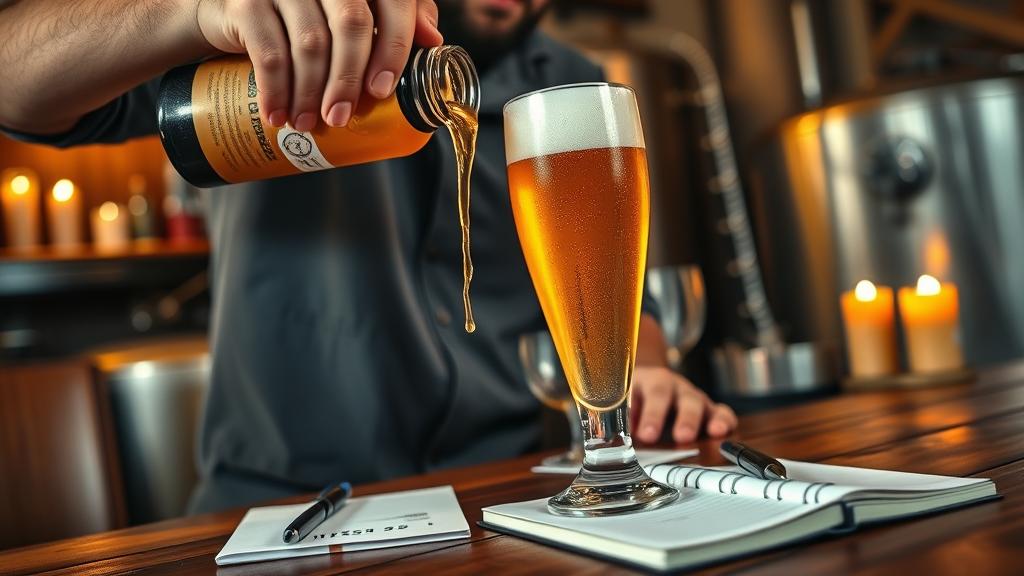
When you crack open your Kölsch — poured into a tall, narrow Kölsch glass — you should see brilliant clarity, a light golden colour (3–5 SRM), and a thin, lacy head that lingers for a minute or two.
On the nose: Clean and gentle. Maybe a whisper of noble hop spice, a subtle bread-like grain note, nothing loud. If you’re getting fruit esters, your fermentation temperature wandered.
On the palate: Crisp and refreshing. A touch of malt sweetness (from pilsner’s residual sugars), balanced by subtle hop bitterness (18–24 IBUs lands right), finishing dry and mineral. The alcohol (4.8–5.2% ABV) is completely hidden. This is a beer you can drink three of without realising it, which is why Cologne taverns serve them by the half-litre.
Flavour notes I always detect: light bread crust, slight stone fruit (apricot), gentle floral hop profile, and a mineral finish. Compare your beer to commercial examples — Reissdorf or Früh if you can find them in UK bottle shops — and you’ll see how far you’ve come. HomeBrewTalk forums have dozens of Kölsch recipes and tasting notes from experienced brewers if you want to benchmark your result.
Pro Tips and Common Disasters
Problem: Esters (fruity off-flavours) — Temperature control failure. Kölsch yeast at 22°C or above generates esters. Invest in a simple temperature controller (£30–50) and a heating belt or cooling jacket. No exceptions.
Problem: Diacetyl (butterscotch flavour) — Skipped the diacetyl rest or cut cold conditioning short. Run the diacetyl rest at days 8–10. It takes 48 hours and works wonders.
Problem: Under-attenuation (too sweet) — Kölsch yeast was old or malnourished. Use fresh yeast, always. Make a yeast starter 12–18 hours before brew day. A yeast starter ensures vigorous fermentation and complete sugar conversion, even in low-ABV session beers like Kölsch.
Problem: Stuck fermentation (gravity won’t drop further) — Temperature crashed too early. Keep the beer at 18–20°C for the full 10 days of active fermentation before dropping to cold conditioning.
Pro tip: Use a gravity hydrometer sample instead of temperature guesswork. Measure gravity every other day during fermentation. When it drops 0.004–0.006 per day and then stabilises for 3 days, you’re done fermenting.
Variations and Next-Level Experiments
Once you’ve nailed a standard Kölsch, the fun begins:
- Kellerbier Variation — Carbonate to 2.2 volumes of CO₂ (vs. 2.6 for standard Kölsch) and serve at 8–10°C (46–50°F). Slightly hazy, soft, and rustic.
- Weizen-Kölsch Hybrid — Replace 20% pilsner with wheat malt. You’ll get subtle banana/clove notes from the weizen yeast’s esters, balanced by Kölsch’s restraint. Odd? Yes. Delicious? Also yes.
- Single-Hop Kölsch — Keep everything else identical but experiment with just one noble hop: Tettnang for different spice notes, Spalt for earthiness, Hallertau for floral gentleness. You’ll taste how terroir shapes beer.
- Extended Lagering — Cold condition for 8–10 weeks instead of 3–4. The beer becomes impossibly smooth, though the subtle hop character may fade slightly.
Why Kölsch Matters in 2026
In a world of 100+ IBU Imperial IPAs and adjunct-laden lagers, Kölsch reminds us that mastery lives in constraint. It demands technical precision — temperature control, yeast management, patience — but rewards you with a beer that’s greater than the sum of its ingredients.
The monks knew this. They built brewing into their daily rhythms not to pursue extremes but to perfect craft through sustainable practice and repetition. Kölsch is that beer.
Brew it once, learn from it, refine it. You’ll find yourself brewing it again and again.
🍺 Join the Brotherhood — Monthly brews, stories & monk wisdom
Subscribe for exclusive recipes, early brew logs, and behind-the-scenes updates straight to your inbox.