Why Non-Alcoholic Beer Is Having Its Moment
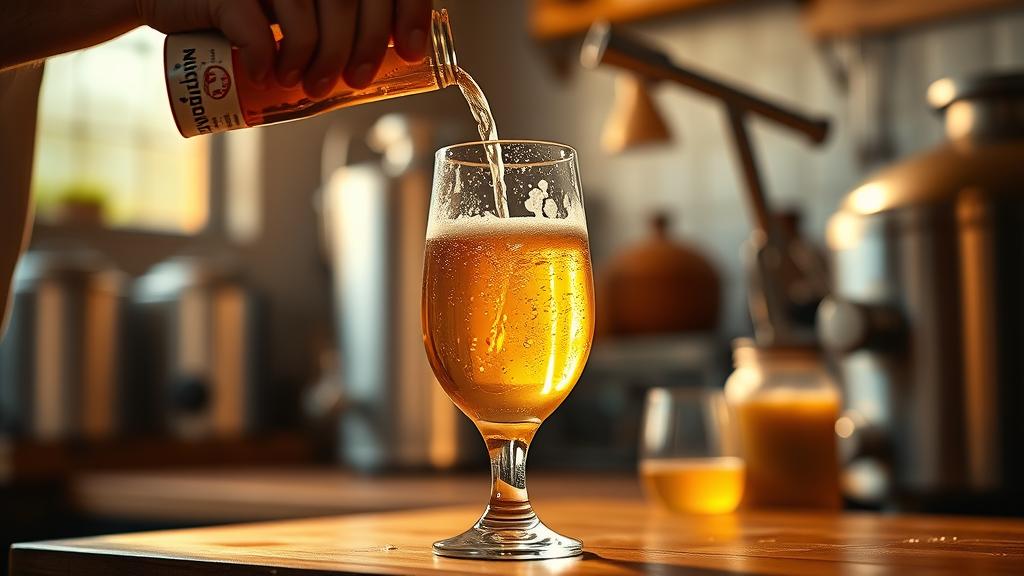
Non-alcoholic beer (NAB) isn’t some newfangled health trend destined to vanish. It’s a genuine craft movement gathering serious momentum in 2026. The UK’s non-alcoholic category has grown 34% year-on-year, with premium NAB brands like BERO (yes, founded by Tom Holland) gaining traction amongst brewers who want flavour without the ethanol. What’s fascinating is that this isn’t just about health-conscious drinkers — homebrewers are discovering that NAB brewing demands genuine skill.
The challenge is simple: without alcohol, you lose the preservation, mouthfeel, and complexity that makes beer beer. You can’t just brew a 0.5% ABV session ale and call it NAB. That’s where the craft comes in. And that’s why, after two decades of brewing everything from saisons to stouts, I decided to explore it properly.
The Science Behind Brewing Non-Alcoholic Beer
There are three main techniques for producing authentic non-alcoholic beer. Understanding them is crucial before you brew.
Method 1: Arrested Fermentation
This is the homebrewer’s most accessible path. You brew normally — full mash, boil, yeast pitch — but you stop fermentation early, before the yeast can consume all the fermentable sugars. You’re aiming for 0.0–0.5% ABV residual alcohol and significant residual sweetness to balance the hops.
The trick is temperature control. Most homebrewers using this method keep their fermenters cold (8–12°C / 46–54°F) and use a yeast strain with lower attenuation — something like German Weizen yeast or a Belgian ale strain that naturally stalls. You monitor gravity obsessively and bottle when you hit your target.
Method 2: Special Yeast Strains
Some newer yeast banks like Wyeast and SafAle have developed low-alcohol or non-fermenting strains that eat glucose and some maltose but refuse maltotriose — the least-fermentable sugar in wort. The result is a beer with natural complexity but genuinely minimal alcohol.
Method 3: Reverse Osmosis (Advanced)
Commercial breweries use vacuum distillation or reverse-osmosis filtration to strip alcohol after fermentation. It’s overkill for homebrewers, but worth knowing.
I’ve settled on arrested fermentation with temperature control — it’s reliable, produces excellent flavour, and teaches you real discipline about monitoring gravity and timing.
Ingredients & Equipment Essentials
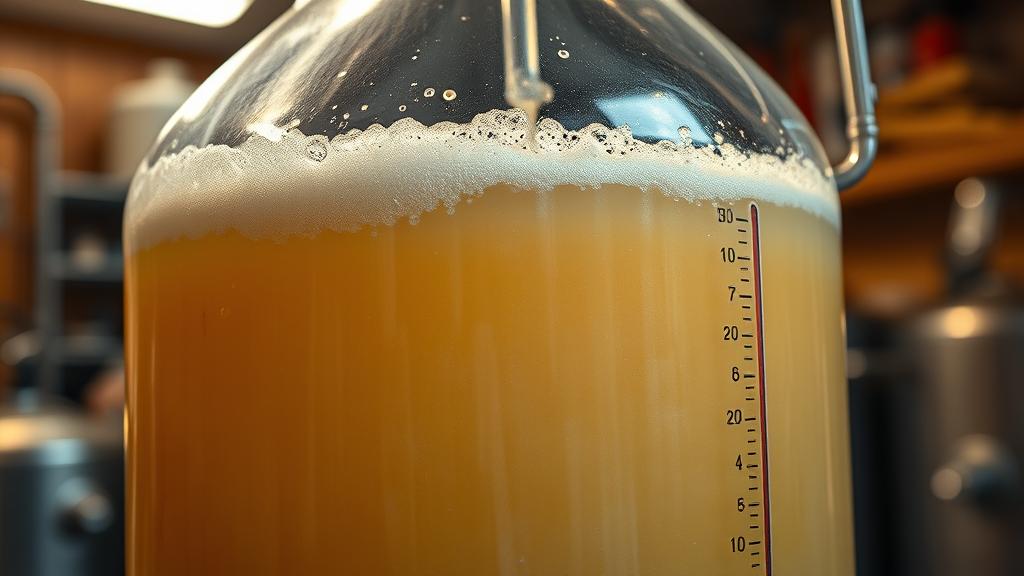
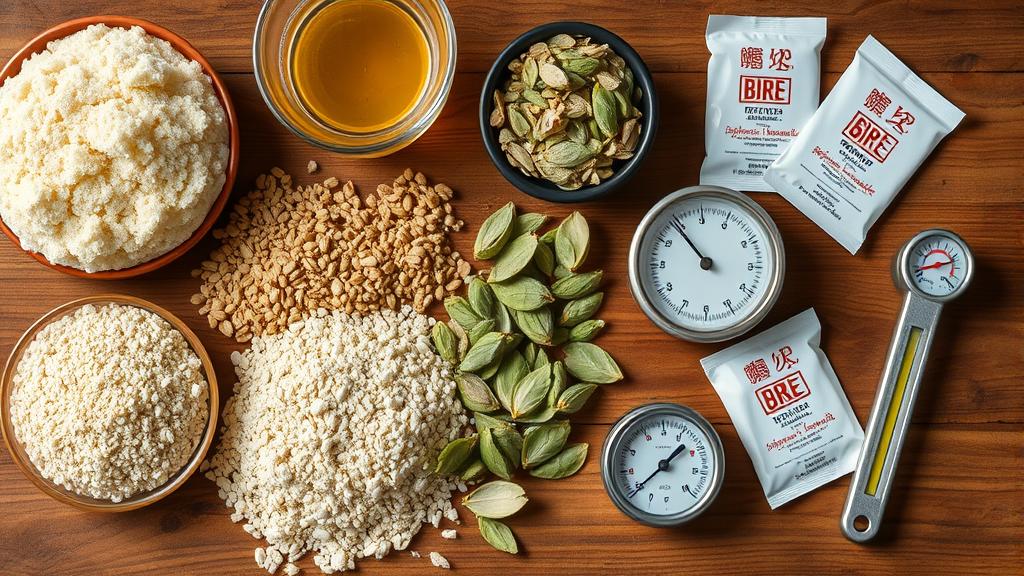
NAB brewing doesn’t require exotic gear, but a few specifics matter:
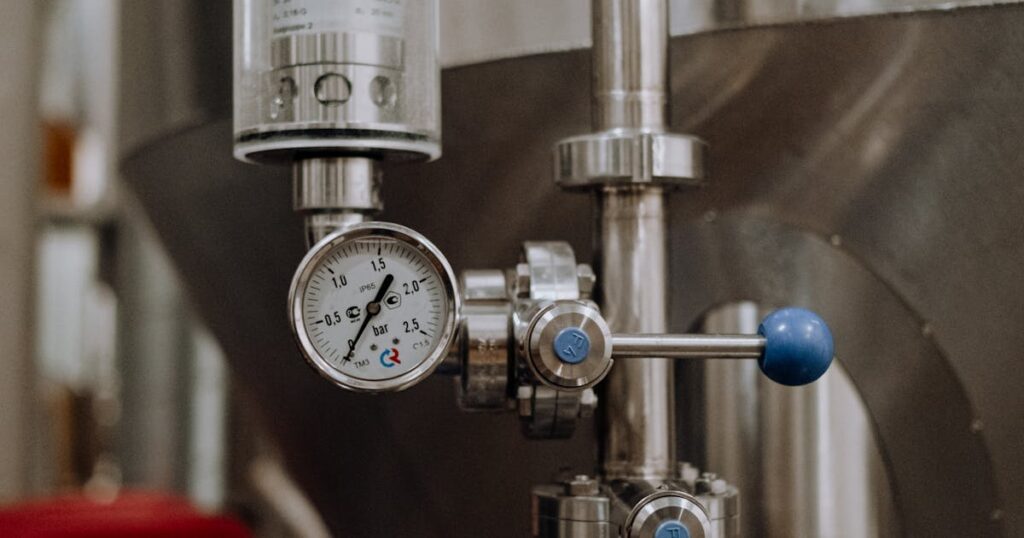
- Temperature control: A fridge or fermentation chamber that holds 8–12°C steadily is essential. Fluctuation ruins arrested fermentation.
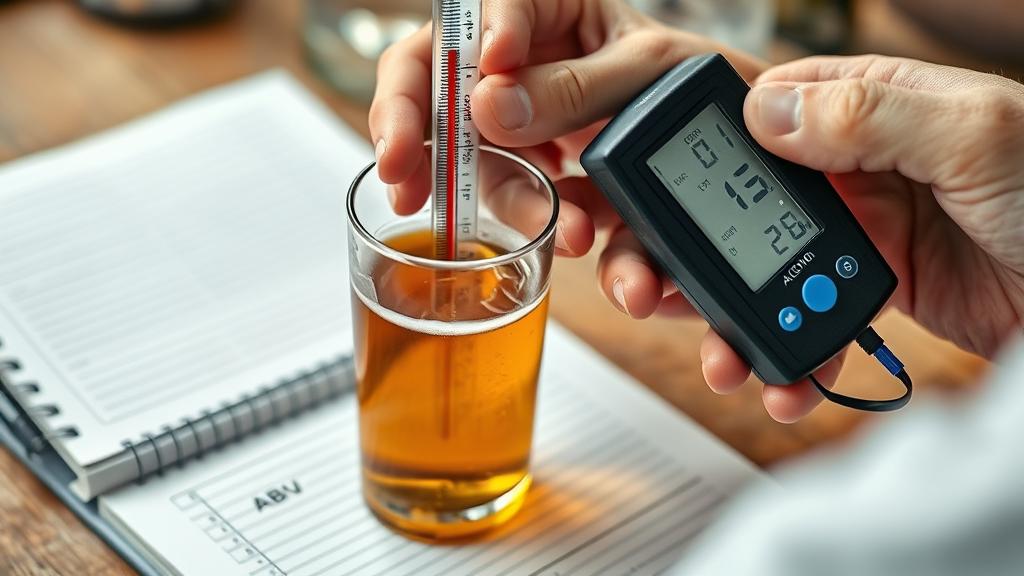
- Reliable hydrometer: You need accuracy to 0.001 gravity points. Cheap ones won’t cut it.
- Alkaline water profile: NAB benefits from slightly more alkaline water than standard ales. If you’re in a soft-water area (much of Scotland and parts of Wales), consider adding gypsum or chalk to raise mineral content.
- Low-attenuation yeast: Weizen, Belgian wit, or ale strains designed for incomplete fermentation.
- Bittering hops + late additions: Since you’ll retain residual sweetness, you need slightly elevated bitterness to balance. I use English goldings or fuggles (30–35 IBUs) where a typical ale might use 25.
As for equipment, you likely already have everything. A 20-litre fermenter, airlock, siphon, thermometer, and a fridge are sufficient. Many UK homebrewers combine NAB brewing with their low-ABV brewing practice, which teaches similar discipline around gravity and fermentation control.
Step-by-Step Brew Day for Arrested Fermentation NAB
Here’s my process, refined over a dozen batches:
- Mash: Crush pale malt + 20% wheat or oat malt (adds body and mouthfeel). No crystal or specialty malts yet — keep it clean. Mash at 66°C (150°F) for 60 minutes.
- Sparge & Boil: Standard 60-minute boil. Bittering at 60 minutes (30 IBUs), flavour hops at 10 minutes, noble hops at 5 minutes.
- Cool & Pitch: Cool to 18°C, pitch your low-attenuation yeast at 100 billion cells (standard rate).
- Ferment Cold: Within 12 hours, transfer to your temperature-controlled fridge set to 10°C (50°F).
- Monitor Gravity: Take gravity readings every 3 days. You’re looking for a plateau between 1.010–1.015 for a 4% grain bill NAB, depending on your target ABV.
- Bottle at Target: When gravity is stable for 2 consecutive readings, bottle immediately. Do not wait for full attenuation.
My first batch took 14 days from pitch to bottle. I was nervous. The result? A crisp, clean, slightly sweet ale at 0.3% ABV with genuine hop character. Nothing like commercial NAB — better.
Fermentation & Conditioning
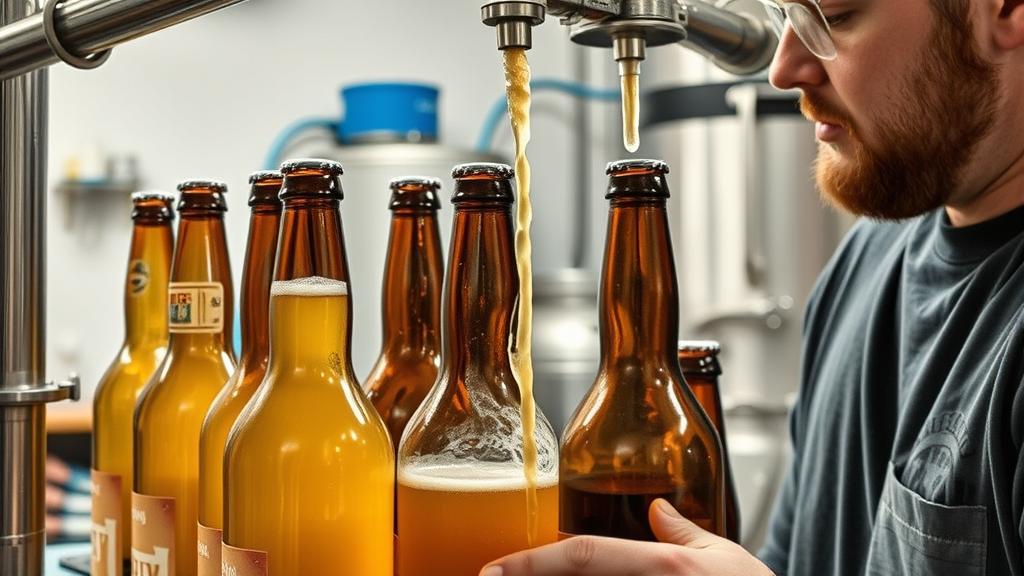
Because you’re stopping fermentation early, you have two choices: bottle with minimal priming (half a teaspoon of sugar per 500ml bottle) or skip carbonation entirely and serve still.
I prefer minimal carbonation — 1.5 volumes of CO2. This means dissolving just 2 grams of dextrose per litre, then sealing and storing at cool room temperature (15–18°C / 59–64°F) for 5–7 days. Any warmer, and residual yeast will ferment that priming sugar completely, defeating the purpose.
Bottle conditioning is your enemy here. Low residual yeast + high residual sugar = accidental fermentation to 1.2% ABV. I learned that the hard way.
Store finished bottles in the fridge (4°C / 39°F) to keep any residual yeast dormant. Drink within 8 weeks for optimal freshness.
Tasting Notes & My Honest Review
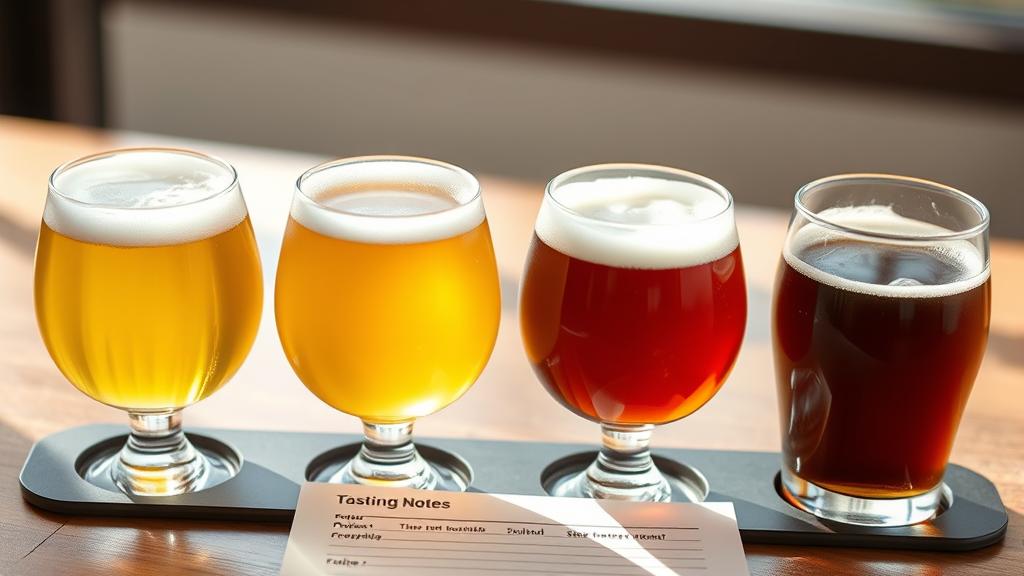
My first commercial NAB reference was Guinness 0.0. Smooth, roasted, almost indistinguishable from a session stout. Then I tried BERO’s non-alcoholic IPA. Hoppy, punchy, genuinely interesting.
My homebrew? It sits somewhere between. Pale gold, fresh-smelling from Czech Saaz hops, with a subtle sweetness that doesn’t cloy. No astringency, no acetaldehyde (that green-apple character that kills bad NAB). Just… beer, minus the hangover.
The real revelation: NAB has changed how I think about precision fermentation and gravity control. When you’re stopping at 1.012 instead of 1.005, you realise how much of “beer” is actually mouthfeel and residual sweetness, not alcohol. It’s monk-level stuff — simplicity hiding complexity.
Variations & Experiments Worth Trying
Once you’ve nailed the basic arrested-fermentation blonde ale, the door opens:
- NAB Porter: Use chocolate and roasted malts (up to 10% of grist). The residual sweetness pairs beautifully with coffee notes. Think liquid chocolate mousse with hops.
- NAB Berliner Weisse: Blend arrested fermentation with souring via lactobacillus. Ferment with mixed culture at cooler temps, bottle early, refrigerate immediately.
- NAB Fruit Beer: Add fruit purée post-fermentation (no secondary fermentation risk). Raspberry or apricot in a crisp blonde works brilliantly.
- NAB Spiced Ale: Combine with botanical brewing techniques — add coriander, grains of paradise, or cardamom at the end of the boil.
Pro Tips & Common Pitfalls
Don’t skip temperature control. This isn’t a suggestion. A few degrees of fluctuation will either stall your fermentation too early or push it past your target. Invest in a fridge or tempmate.
Use fresh yeast. Old yeast won’t attenuate consistently, and you’ll miss your gravity target. I use liquid yeast (White Labs or Wyeast) within 4 weeks of manufacture.
Avoid crystal malts in pale NAB. They add colour and sweetness you can’t control. Save them for NAB porters.
Overcarbonate and you’re finished. I’ve watched batches ferment from 0.3% to 1.5% ABV in the bottle because I primed like a normal ale. Minimal priming is law.
Keep tasting notes from day one. NAB flavour evolves rapidly. That fresh beer on day 2 tastes different on day 14. Track it so you learn when to bottle next time.
And finally: NAB brewing teaches patience. You can’t rush arrested fermentation. You can’t guess gravity. You can’t rely on intuition. That discipline — that honesty about what you’re making — is the real prize.
Looking Ahead: NAB in 2026 and Beyond
The non-alcoholic beer market is accelerating. Craft breweries are taking it seriously. Homebrewers are discovering it’s genuinely difficult — which means it’s worth doing. As commercial breweries innovate with temperature-precise lager techniques, homebrewers have an opportunity to lead instead of follow.
I’m already planning an NAB lager experiment — ferment with a Bavarian lager yeast at 10°C, arrest at 1.008, and see if I can pull off a crisp, malty, bone-dry result. That’s the next frontier.
If you’re interested in precision fermentation, gravity control, and brewing that demands real honesty about your process, NAB is your gateway. It’s not a gimmick. It’s a discipline.
🍺 Join the Brotherhood — Monthly brews, stories & monk wisdom
Subscribe for exclusive recipes, early brew logs, and behind-the-scenes updates straight to your inbox.