Belgian witbier—that hazy, effervescent, spice-kissed wheat beer—has been dominating summer 2026 conversations, and for good reason. As UK homebrewers gear up for Belgian Beer Week this August, now’s the perfect moment to tackle a style that feels exotic but welcomes newcomers with open arms. I’ve brewed several wits over my journey from novice to licensed brewer, and I’m convinced this style captures everything beautiful about the craft: balance, creativity, and honest craftsmanship.
Why Belgian Wit Matters in 2026
The resurgence of witbier isn’t accidental. Commercial breweries like Hoegaarden and Blue Moon have reintroduced the style to mainstream drinkers, and UK homebrewers are taking notice. What makes wit special? It’s refreshing without being thin, spiced without being gimmicky, and utterly sessionable—perfect for the British climate and backyard gatherings. The style harks back to 400 years of Belgian brewing tradition, where ingredient variety and creative fermentation were not just accepted but encouraged.
At roughly 4.5–5.5% ABV (alcohol by volume), a witbier sits in that sweet spot where flavour stays front and centre. The unmalted wheat and oats give a silky mouthfeel and that characteristic cloudiness—a feature, not a bug. The coriander and orange peel add brightness without dominating. It’s the kind of beer monks might have brewed centuries ago if they’d had access to global spices and temperature control.
Ingredients & Equipment
Building a classic witbier starts simple—unlike complex imperial stouts, you’re working with a restrained grain bill and a curated spice list. Here’s what I reach for:
Grain Bill (for a 20-litre batch)
- Pale malt: 2.2 kg (50%) — use a quality Pilsner or pale ale malt
- Unmalted wheat: 2.0 kg (45%) — adds body and the signature haze
- Oats: 0.3 kg (5%) — enhances smoothness
Spices (critical to the style)
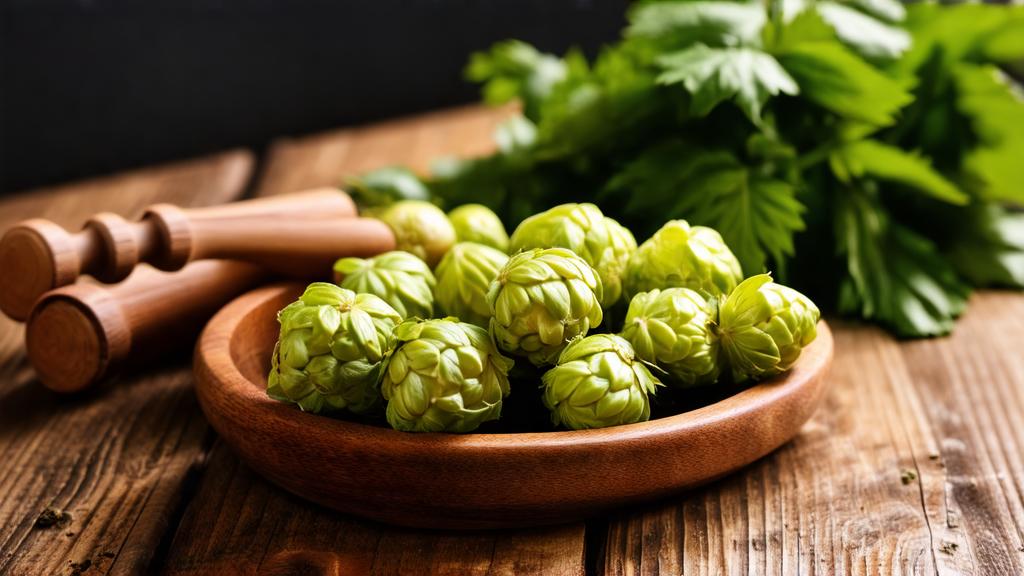
- 15 g coriander seeds — lightly crushed, adds a dry, citrus complexity
- 10 g orange peel — dried, brings subtle citrus brightness
- 5 g Grains of Paradise (optional) — spicy, peppery note
Hops
- 20 g Hallertau or Saaz (60 IBU)—gentle, traditional European varieties
- 10 g Saaz (0 IBU, whirlpool)—for aroma
Yeast
I use White Labs WLP400 (Belgian Wit I) or SafAle BE-256 (dry alternative). These strains produce the slight fruitiness and spice character that defines the style. They also tolerate warm fermentation beautifully—22–24°C is ideal.
Equipment Notes
A witbier is forgiving, but invest in a reliable thermometer. Fermentation temperature is your main control lever. You’ll also want a quality mash tun if doing all-grain; beginner brewers often find all-grain intimidating, but wheat beers are an excellent place to start.
Step-by-Step Brew Day
On brew day, treat a witbier like you’d treat a delicate pancake batter—gentle handling, precise temperatures.
Mashing (65–68°C)
- Heat 13 litres of water to 67°C
- Crush your grains (unmalted wheat breaks easily, so use a coarse crush)
- Mix grains into water—aim for a thick, porridge-like mash
- Hold 60 minutes. Unmalted wheat needs the full conversion time
- Raise to 76°C over 10 minutes for a mash-out
Sparging
- Recirculate the first litre slowly—witbier grains are fragile
- Sparge with 75°C water until you collect 25 litres of wort
- Target a gravity around 1.048
The Boil (60 minutes)
- Bring wort to a rolling boil—this is not the time to rush
- Add all 20g Hallertau/Saaz hops at 60-minute mark (bittering)
- At 15 minutes remaining, add the coriander seeds and orange peel—this is where your wit’s personality emerges
- At 5 minutes, add the whirlpool hops (10g Saaz, no bittering)
- Cool to 20°C using an immersion chiller or ice bath
A pro tip: temperature control during cooling matters. Rushing cools the wort but can shock it; patience and a clean chiller are worth the investment.
Fermentation & Conditioning
Here’s where witbier rewards patience. Belgian yeast thrives in warmth, unlike lagers.
Fermentation (days 1–7)
- Pitch 100 billion cells of WLP400 or rehydrate your dry yeast
- Ferment at 20–22°C for the first 3 days (cooler = cleaner)
- Ramp to 23–24°C by day 4 to promote ester development
- Expect vigorous fermentation—krausen (foam) will be generous
Diacetyl Rest (days 7–10)
Leave the beer on yeast for a full diacetyl rest. This is non-negotiable for Belgian ales. Diacetyl (butter character) is produced naturally but cleaned up by yeast—rushing this step is a common mistake.
Cold Conditioning (days 10–14)
- Drop to 12°C and hold for 3–4 days
- This clarifies the beer slightly and conditions it further
- Rack to secondary or kegs
Carbonation
Witbier should be lively—2.5–3.0 volumes of CO₂. If you’re bottle-conditioning, add 2.0–2.5 g/L priming sugar. The beer will clarify slowly over 2–3 weeks in bottle; don’t expect the haze to vanish entirely (it shouldn’t).
Tasting Notes & My Honest Review
A well-made witbier is revelatory. My last batch (brewed April 2026) taught me something about restraint in brewing.
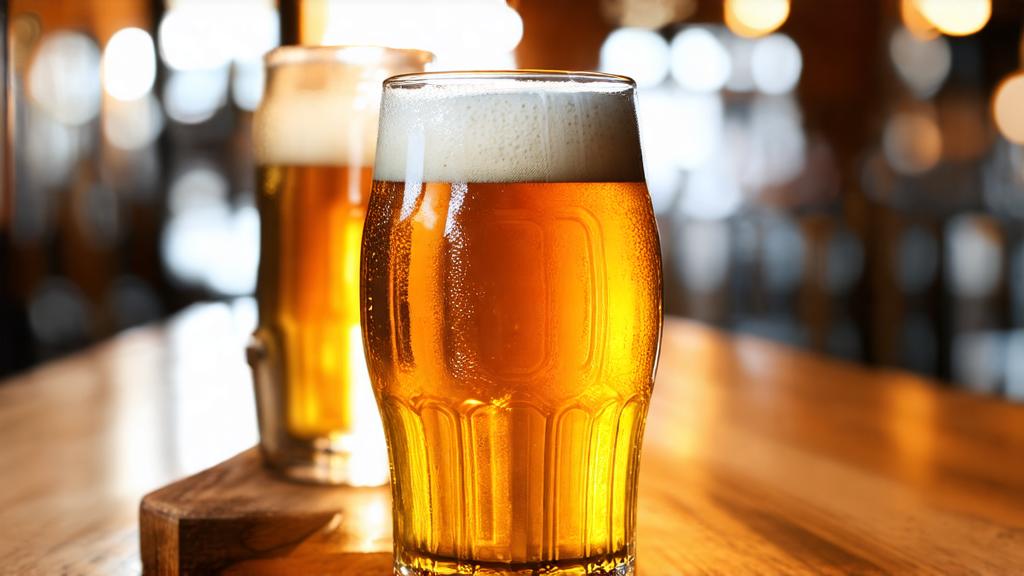
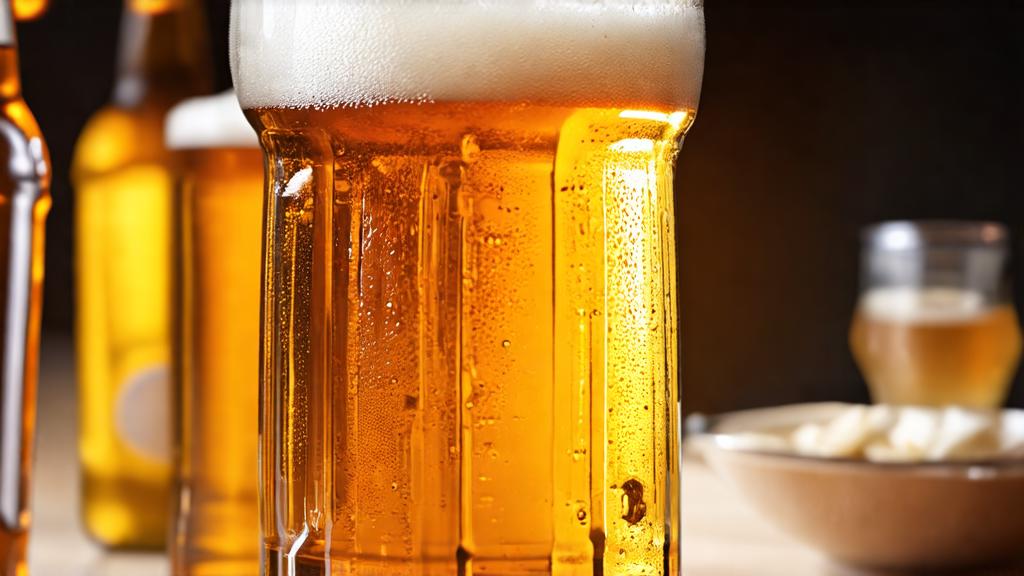
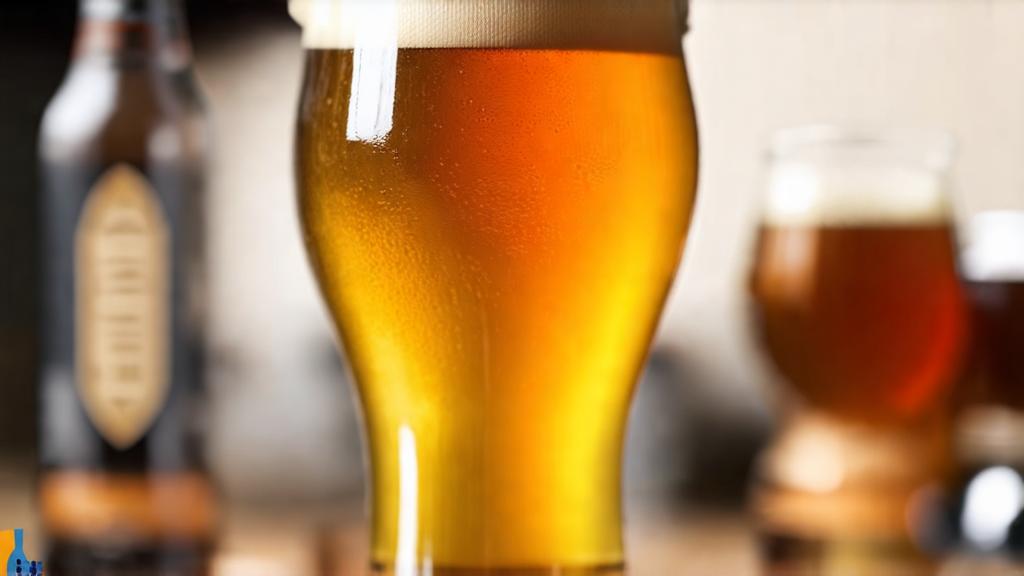
Appearance: Pale golden, hazy—like liquid gold with a silk veil. The head should be thick and creamy, lingering for minutes.
Aroma: Bright citrus (orange zest), subtle spice (coriander), wheat-bread yeastiness. No sulphur, no vinegar. If your wit smells funky, fermentation went sideways.
Flavour: Starts with sweet wheat and subtle banana esters, followed by dry coriander finish. Light body with silky mouthfeel. The orange should be present but not dominant—think orange blossom, not orange juice.
Mouthfeel: Creamy, slightly peppery, with that characteristic dryness from the coriander and unmalted wheat.
At 5% ABV, it’s dangerously drinkable. I’ve watched friends demolish a 750ml bottle without noticing the strength—proof of a well-balanced brew. Using locally-sourced ingredients where possible adds character and reduces carbon footprint, making witbier even more appealing to ethical brewers.
Pro Tips & Common Mistakes
✓ What Works
- Keep your spices fresh. Coriander seeds older than 6 months taste stale. Buy whole seeds and crush them hours before brewing.
- Don’t skip the orange peel quality check. Some suppliers sell oxidised peel—aim for bright colour, not brown.
- Temperature ramping is essential. A stuck fermentation at 18°C is tragic. Witbier yeast wants warmth.
- Gentle handling prevents off-flavours. Avoid aggressive stirring during mash-in; treat wheat like it’s fragile.
❌ Common Mistakes
- Too much spice. More coriander ≠ better beer. 15g per 20L is the sweet spot.
- Using old yeast. Fresh yeast means vigorous fermentation and clean flavours. Lazy pitching ruins style.
- Skipping the diacetyl rest. “I’ll cold-condition in 7 days” sounds efficient until your beer tastes like popcorn.
- Over-carbonating. 3.5+ volumes CO₂ turns your wit into a fizzy mess. Restraint wins.
- Filtering out the haze. The cloudiness is intentional. Brilliant-clear “witbier” isn’t witbier.
Variations & Next-Level Experiments
Once you’ve nailed a classic witbier, the style invites creativity. Here’s where I’ve ventured:
- Fruit additions: Raspberry, apricot, or strawberry purée (500g per 20L, added post-fermentation) creates a fruit wit. The key is subtlety—fruit should complement, not dominate.
- Herbal twists: Basil, chamomile, or elderflower (steep post-boil, 5–10 minutes) adds complexity without muddying the style.
- Rye wit: Replace 10% of pale malt with rye for peppery, earthy notes—brilliant for autumn versions.
- Higher gravity: Push to 6–7% ABV using more grain but keeping the same spice load. It becomes more contemplative, less crushable.
The magic is in respecting the foundation while being bold. Fruit beer experiments should start small—pilot batches teach you what works before committing to 20 litres.
Conclusion: Why You Should Brew This
A Belgian witbier is a gateway beer. It’s approachable enough for beginners—no lager temperament, no extreme hopping—yet rewarding enough for experienced brewers to refine endlessly. It fits the UK summer perfectly. It impresses friends. It teaches you yeast management, spice integration, and the value of patience.
If you’re contemplating your next brew, or if you’ve never attempted a wheat beer, witbier is your invitation. Start with a classic, nail the basics, then play. In August, when Belgian Beer Week arrives, you might just be pouring your own creation alongside Hoegaarden and calling it a draw.
The journey from novice homebrewer to someone confident enough to brew Belgian wheat beer is profound. It’s about learning to listen to your equipment, trust your process, and understand that sometimes the simplest beers demand the most attention. That’s the wisdom I’ve come to treasure.
🍺 Join the Brotherhood — Monthly brews, stories & monk wisdom
Subscribe for exclusive recipes, early brew logs, and behind-the-scenes updates straight to your inbox.